Marketing reports and market data
Documents
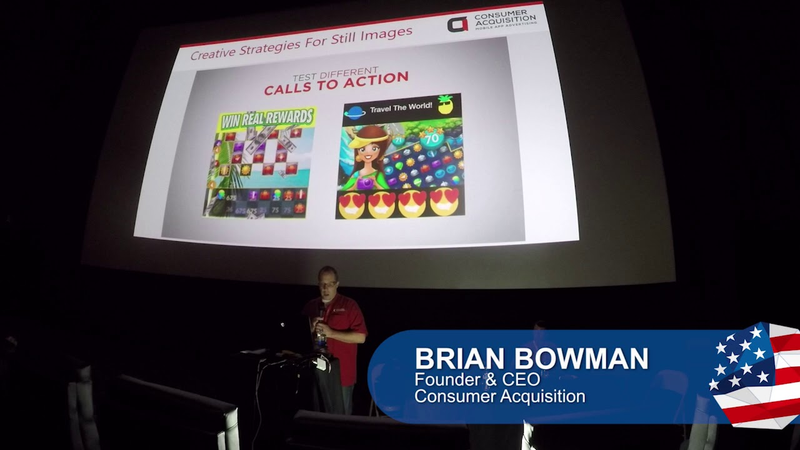
The future of UA – Facebook ad best practices, creative marketplaces and UA bots
Modern user acquisition strategies have shifted away from manual bid and budget management toward a reliance on machine learning algorithms.
- Creative quality is now the primary driver of ROI, as automated platforms like Facebook and Google shift the burden of performance from manual bidding to ad asset effectiveness.
- To maximize algorithmic efficiency, advertisers should consolidate campaigns and minimize manual edits to avoid triggering performance penalties associated with the machine learning learning phase.
- Mobile video assets should be optimized for immediate engagement, with a target length of six to ten seconds and a clear call to action within the first two seconds.
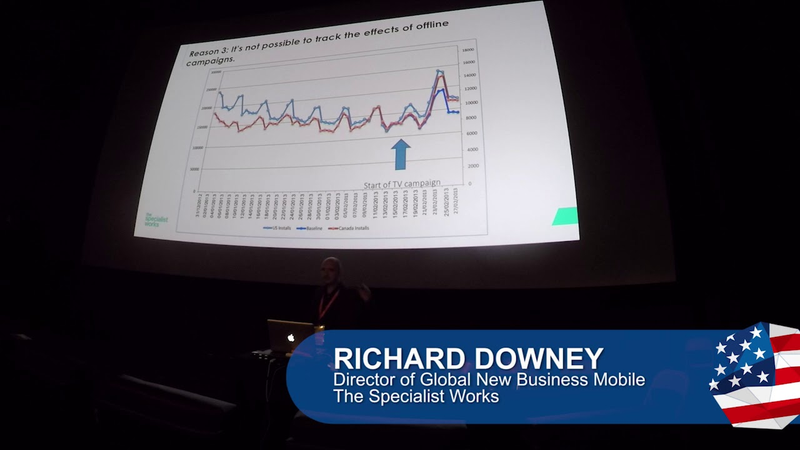
How offline advertising can boost your mobile and digital acquisition performance
Offline advertising, particularly television, serves as a powerful, trackable, and optimizable tool for mobile game user acquisition when executed with a data-driven strategy.
- Offline advertising, particularly television, functions as a measurable and optimizable channel that improves digital KPIs such as click-through rates, lifetime value, and brand authority.
- Integrating offline media with digital campaigns creates a halo effect that increases the overall efficiency and purchase intent of Facebook, PPC, and influencer marketing efforts.
- Developers can isolate the impact of TV campaigns on app store spikes and organic growth by using baseline tracking to compare performance across regions with and without offline support.
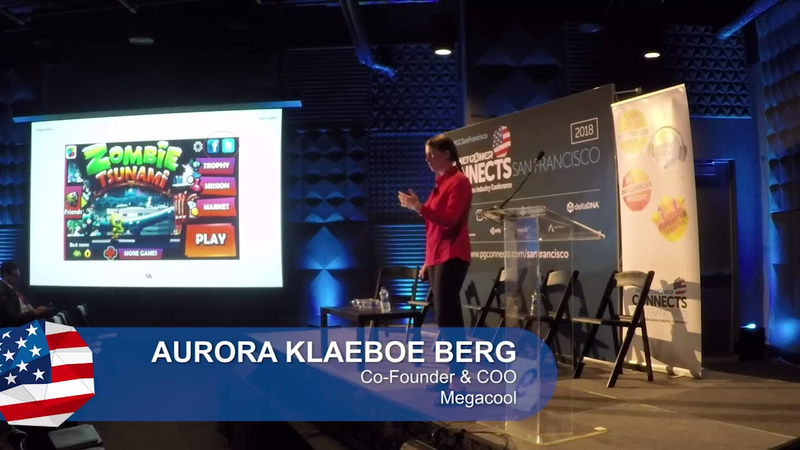
Growth strategies developers must know
Effective mobile game growth strategies require a fundamental shift from relying solely on paid user acquisition to optimizing organic retention and viral mechanics.
- Prioritize the first-time user experience (FTUE) by minimizing onboarding friction, such as delaying push notification requests and streamlining tutorials to accelerate core gameplay engagement.
- Transition growth strategies from a reliance on paid user acquisition toward optimizing organic retention and viral mechanics.
- Drive organic growth through private messaging and email rather than generic social media buttons, as these channels yield higher engagement for peer-to-peer sharing.
Let's Be Honest About Indie Game Development — Q&A
This analysis explores the realities of independent game development, focusing on marketing, professional discipline, and the psychological management of creative work.
- Success in a saturated market requires shifting from passive promotion to interactive community engagement, such as crowdsourcing character names or design choices to foster organic growth.
- Relying exclusively on Steam is no longer a viable distribution strategy due to the high volume of annual releases, making platforms like the Nintendo Switch more attractive for discoverability and revenue.
- Developers should decouple their personal identity from their creative output to treat public criticism as a neutral tool for professional growth rather than a personal attack.
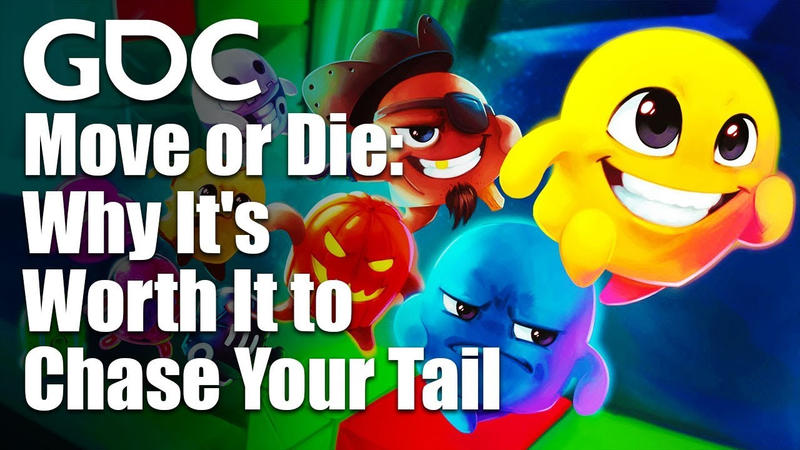
Move or Die: Why It's Worth It to Chase Your Tail
The success of the multiplayer title Move or Die demonstrates that long-term viability in the independent games market relies on a symbiotic relationship between developers and their community.
- Success for 'Move or Die' was not driven by a single event, but by a continuous stream of updates, community engagement, and strategic marketing over a two-year period that resulted in over 500,000 players.
- Early Access was used as a financial necessity rather than a design choice, with the developer maintaining transparency by explicitly instructing players not to buy the game until it was polished.
- Strategic collaborations, such as integrating Rick and Morty characters, were timed to coincide with external events like the Steam Summer Sale to maximize visibility and press coverage.
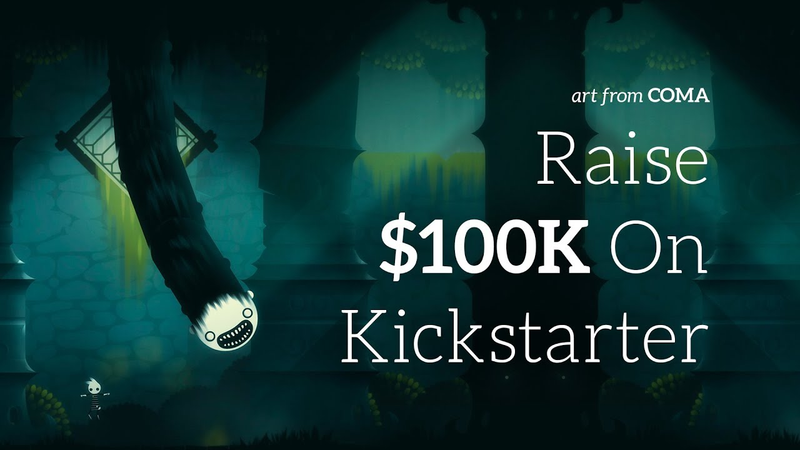
How To Raise $100,000 On Kickstarter
Achieving a six-figure crowdfunding goal for video game development requires a strategic blend of technical preparation, rigorous research, and emotional transparency.
- Successful crowdfunding relies on emotional transparency, where creators build trust by sharing personal struggles and vulnerabilities to foster a community-supported endeavor rather than a simple transaction.
- Campaigns require a two-to-three-month preparation period dedicated to rigorous research and outreach to creators of previously successful projects.
- Developers must produce a highly polished, small-scale prototype before launching to demonstrate technical competency and establish professional credibility.
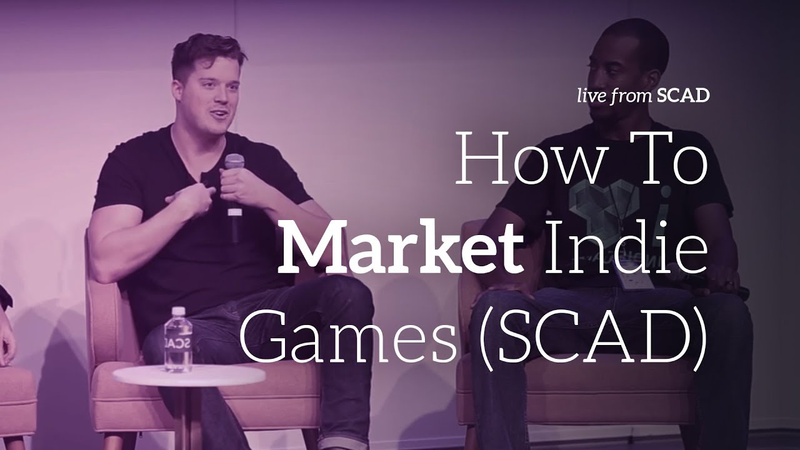
How To Market Your Indie Game — Exclusive SCAD Panel Discussion
The modern indie game landscape has shifted from a purely creative endeavor into a highly competitive business environment where technical quality no longer guarantees commercial viability.
- Success in the current indie market requires treating marketing as a core business skill rather than an afterthought, as technical quality alone no longer guarantees commercial viability.
- Developers should avoid broad audience targeting in favor of identifying a specific niche and cultivating a dedicated community of evangelists through authentic, personal storytelling early in development.
- Building genuine, long-term relationships with influencers and streamers is more effective for organic reach than relying on standard promotional posts.
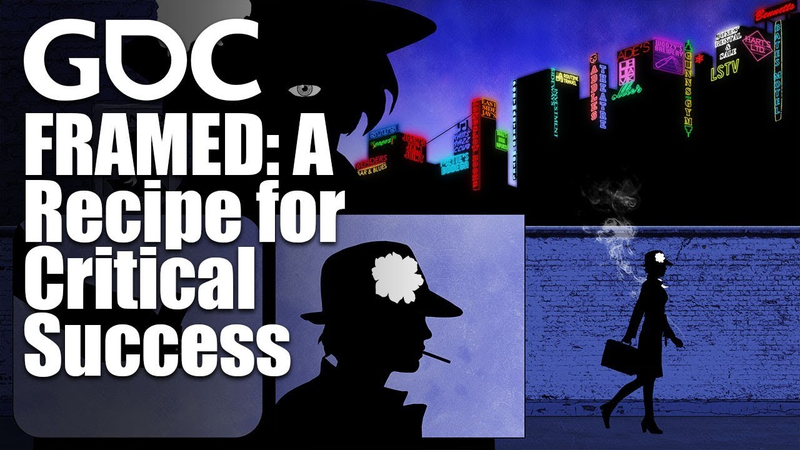
FRAMED: A Recipe for Critical Success
The primary objective of this analysis is to outline a strategic framework for positioning premium indie titles for success in the mobile market.
- Strategic participation in the global festival and awards circuit can secure long-term commercial viability for premium indie titles, even when initial launch performance is underwhelming.
- The game FRAMED achieved 400,000 paid unit sales despite an initial launch that failed to meet expectations relative to its $500,000 development budget.
- Developers should structure production around ten-week milestones that align with major industry events to ensure a constant, high-quality, submission-ready build.
5 Ways To Make Money As An Indie Game Developer
Establishing a sustainable indie game studio requires a multifaceted approach to revenue generation and community building.
- Achieving 20,000 wishlists on Steam is the primary benchmark for ensuring a high-visibility game launch.
- Developers should negotiate publisher agreements based on gross revenue rather than net revenue to minimize recoupment deductions.
- Maintaining ownership of intellectual property is essential for long-term monetization through merchandise and cross-platform expansion.
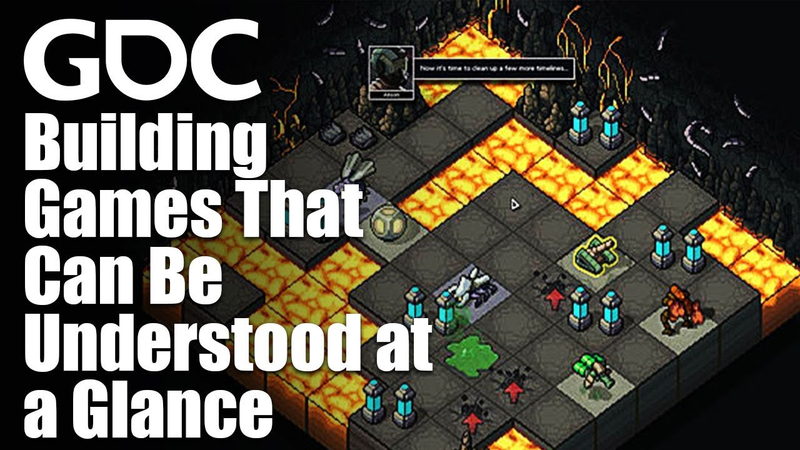
Building Games That Can Be Understood at a Glance
Designing games that are immediately comprehensible to an outside observer—a concept termed subway legibility—serves as a powerful tool for indie developers to improve tutorials, organic discovery, and marketing.
- Apply the 'three reads' principle to UI design: the first read establishes the genre or hook, the second communicates core mechanics, and the third provides secondary contextual information.
- Prioritize visual hierarchy by scaling and positioning UI elements based on their importance to ensure the game state is immediately understandable to both players and observers.
- Utilize 'subway legibility' to lower the cognitive load on new players, which simplifies tutorial design and allows marketing materials to convey value without needing extra context.
How to Make a Viral Game! - Game Development: VLOG
The primary objective of this analysis is to define the strategic design principles required to achieve viral success in the video game industry.
- Virality is defined by the breadth of public awareness, distinct from popularity, which is measured by the number of active players.
- Design for virality by prioritizing four pillars: memorability, watchability, attention-grabbing aesthetics, and shareability.
- To maximize watchability for streamers and influencers, incorporate unpredictable gameplay elements and pattern breaks that keep audiences engaged.
Marketing on Zero Budget
Marketing a video game effectively does not require a large budget, but it does demand a strategic, proactive approach to community building and platform engagement.
- Build a dedicated Discord community early by implementing a 'gated' entry system, such as forcing users to choose a faction upon joining, to foster tribalism and active participation.
- Engage your community by assigning weekly tasks and allowing them to contribute to game assets, such as designing kits or banners, which converts casual followers into committed day-one buyers.
- Identify the specific, exciting hook of your game by testing different descriptions on various audiences until you find the narrative that consistently generates the strongest positive reaction.