Marketing reports and market data
Documents

The #1 Trait Of A Great Game Developer
The core thesis of this discussion is that playfulness and genuine passion are the essential traits for successful indie game development, serving as the primary antidotes to the creative paralysis caused by perfectionism and fear of failure.
- Playfulness acts as the primary antidote to creative paralysis and perfectionism, allowing developers to overcome the fear of failure that often leads to stagnant, over-revised game mechanics.
- A developer's tendency to link their personal identity to their project creates counterproductive pressure that hinders progress and leads to constant, unnecessary revisions.
- The concept of 'quality' in game development is subjective and does not reliably correlate with immediate commercial success or critical reception.

How To Launch An Indie Game
The launch of an indie game is a high-stakes, emotionally taxing milestone that requires meticulous preparation to ensure long-term viability.
- The initial launch window on platforms like Steam is the primary opportunity for visibility and positive reviews, making immediate product polish critical despite the ability to patch post-release.
- Indie titles typically have a predictable sales shelf-life of approximately three years, necessitating a consistent release cadence to maintain long-term studio viability.
- To mitigate financial risk and avoid the complications of revenue-sharing models, studios should utilize project-based contracting for specialized tasks rather than hiring full-time staff prematurely.

Will You Snail? - Q&A (Indie Game Devlog)
The development of the indie platformer Will You Snail centers on a unique core mechanic where an artificial intelligence tracks player movement to generate obstacles in real-time.
- The game features a core mechanic where an AI tracks player movement to generate real-time obstacles, creating a high-intensity, rage-inducing experience.
- The developer is prioritizing viral reach and streamer engagement over immediate monetization, with plans to release the title for free.
- The visual identity has been refined from a chaotic aesthetic to a polished, high-contrast red style to improve watchability and differentiate the game in the rage-platformer genre.

PlayJob Podcast #3: Tim Ruswick
Indie game development is defined by a complex interplay between creative passion and the psychological resilience required to navigate a highly competitive landscape.
- Marketing and community building are the primary drivers of visibility in an oversaturated market, often requiring more time and energy than the actual development of the game.
- Developers should prioritize building a dedicated audience early to ensure initial project traction, rather than relying on traditional discovery mechanisms.
- Long-term sustainability requires decoupling personal identity from professional output to avoid burnout and creative stagnation caused by tying self-worth to commercial metrics.
Making the World Give a Damn About Your Game in 2018
Success in the 2018 gaming market requires a departure from passive strategies, demanding that developers actively engineer visibility through precise market positioning and community cultivation.
- Steam wishlists typically convert at a rate of 7% to 12% during the first month of a game's launch, making them a critical metric for predicting initial sales volume.
- Marketing strategies should prioritize building a dedicated Discord community early, using tactics like team-based challenges and exclusive rewards to foster long-term engagement before the game is even playable.
- Influencer coverage from YouTubers and Twitch streamers rarely causes immediate sales spikes and should be viewed as a tool for long-term visibility rather than a primary driver of launch-day revenue.
10 Years of Evolution of the Assassin's Creed Brand
The Assassin’s Creed franchise has undergone a decade-long transformation, evolving from a singular technical showcase into a sprawling, multi-platform global brand.
- The franchise transitioned from a standalone technical showcase to a multi-platform global brand by implementing a multi-studio production pipeline that leverages specialized international teams.
- Development shifted from scripted combat to modern, systemic open-world design, utilizing hitbox-based mechanics and emergent AI to modernize gameplay while retaining core parkour and historical elements.
- The brand maintains a cohesive universe through a strict transmedia strategy that enforces unified narrative guidelines across literature, film, and games, allowing each entry to function as a standalone product.
Power of the Pack: Success via Community-Based Development
Community-based development serves as a strategic framework for independent studios to secure consistent feedback, sustain internal motivation, and cultivate a dedicated audience well before a game’s official launch.
- Community-based development functions as a strategic framework for independent studios to secure consistent feedback, maintain internal motivation, and build a dedicated audience prior to launch.
- Establishing a centralized hub, such as a Discord server, is essential for gathering early adopters and creating a stable foundation for long-term growth.
- Transparency regarding development milestones and the active implementation of player feedback transforms the community into a resource for quality assurance, localization, and grassroots marketing.
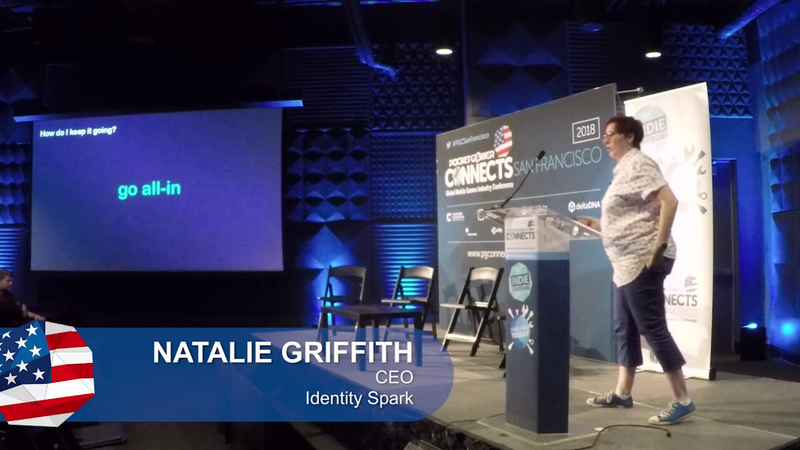
Indie starter guide to brand building
Effective brand building for independent game developers requires moving beyond visual identity to establish a core set of values and an authentic narrative.
- A brand is defined as the collective perception of an organization when its leaders are not present, serving as a critical strategic asset for long-term business growth.
- Developers should define their core values, driving motivations, and desired emotional resonance before beginning development to ensure a consistent foundation.
- Consistency must be maintained across all touchpoints, aligning internal studio ethos, game design, and public communications to ensure authenticity.
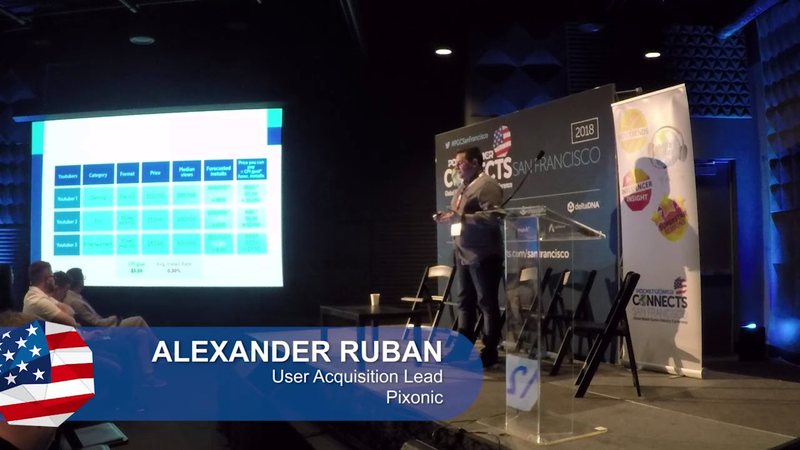
Influencer marketing – Easy ways to start receiving positive return on investment
Influencer marketing serves as a critical, high-performing acquisition channel for mobile games, particularly as ad-blocking technologies limit the effectiveness of traditional display advertising.
- Transform influencer marketing into a predictable acquisition channel by using median view metrics rather than volatile individual video performance to forecast reach.
- Calculate affordable influencer partnership rates by multiplying median views by average conversion rates and target cost-per-install (CPI) goals before entering negotiations.
- Categorize influencers by genre and content type to identify high-performing segments, such as non-gaming or DIY channels, which often outperform traditional gaming influencers.
Dare to manage – Regional features of influencer marketing
Influencer marketing requires a nuanced, region-specific strategy to effectively drive mobile app user acquisition.
- Influencer campaigns can drive significant organic uplift, with well-executed strategies often resulting in up to 70% of total app installs coming from organic sources.
- Global influencer marketing requires region-specific operational workflows: US campaigns are contract-heavy and high-effort, requiring approximately 1,000 outreach emails to secure 20 partnerships.
- Advertisers must implement rigorous data verification to combat fraudulent metrics, as falsified demographic screenshots are a persistent risk in influencer marketing.
How to work with influencers to avoid scrutiny from Government regulators
Influencer marketing in the video game industry faces significant regulatory scrutiny, primarily from the Federal Trade Commission (FTC) and state attorneys general, who monitor for deceptive advertising practices.
- Brands, influencers, and agencies share collective legal responsibility for disclosing material connections, including monetary payments, free products, and early access to games.
- Disclosures must be clear and unambiguous; explicit labels like #ad are preferred over vague terms such as 'ambassador'.
- Disclosures must appear before consumer interaction, such as within the first three lines of a social post or at the very beginning of a video.
Fireside Chat: The dos And don’ts of working with influencers
Influencer marketing requires a strategic, human-centric approach that prioritizes authentic alignment between creators and brands over purely transactional exchanges.
- Only 30% of inbound influencer inquiries convert into paid campaigns, primarily due to poor outreach clarity and mismatches between brand expectations and creator content styles.
- Brands should prioritize transparency by explicitly stating budgets and confirming the partnership is a paid campaign to increase the likelihood of securing a creator.
- The industry is shifting away from programmatic, automated ad-buying toward direct, human-centric relationships that mirror traditional media models like radio.