Marketing reports and market data
Documents
Rapport Annuel 2019 Entertainment
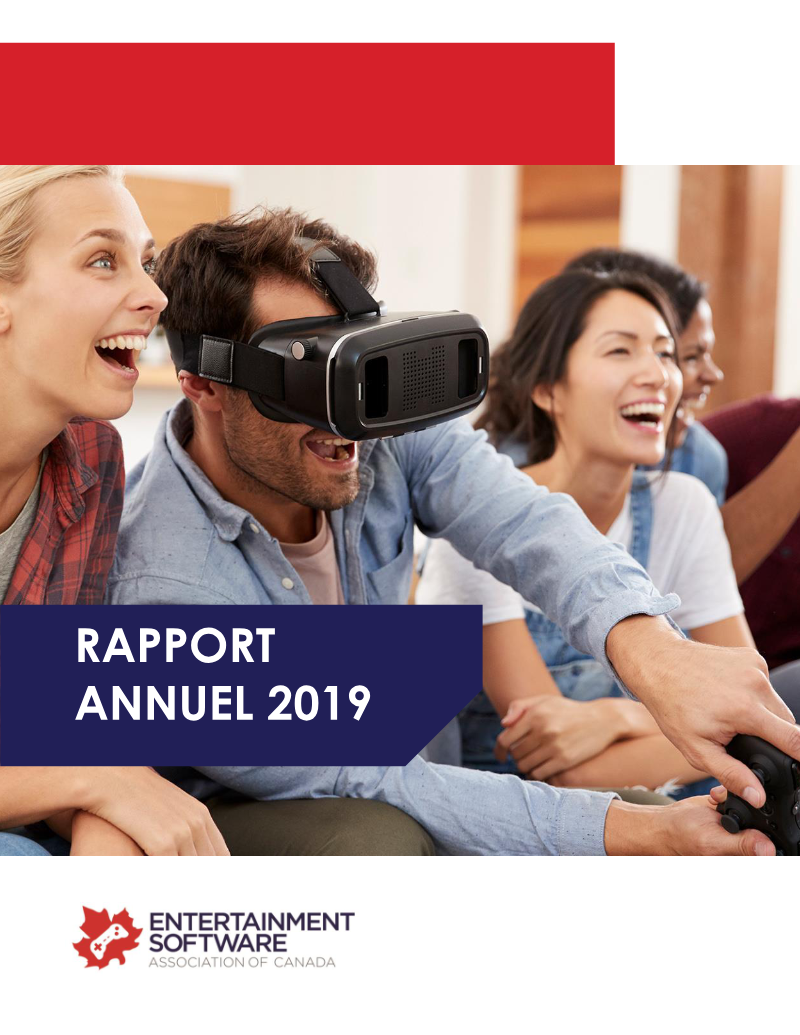
The 2019 annual report of the Canadian Entertainment Software Association (ALD) outlines the organization’s role as the principal advocate for Canada’s video-game sector, emphasizing a strategic focus on member-first principles, regulatory advocacy, and public perception.
- The Canadian video-game market remains robust, with a 2018 NPD Group survey identifying over 23 million regular gamers in Canada.
- The Entertainment Software Association (ALD) successfully engaged 25 federal legislators and major industry players including Ubisoft, Nintendo, EA, and Xbox during the 'Jeux vidéo sur la Colline' event.
- Lobbying efforts focused on securing tax-credit frameworks and innovation policies through direct dialogue with Minister Navdeep Bains and testimonies before parliamentary committees.
1 Year Indie Dev! (2018 Results)
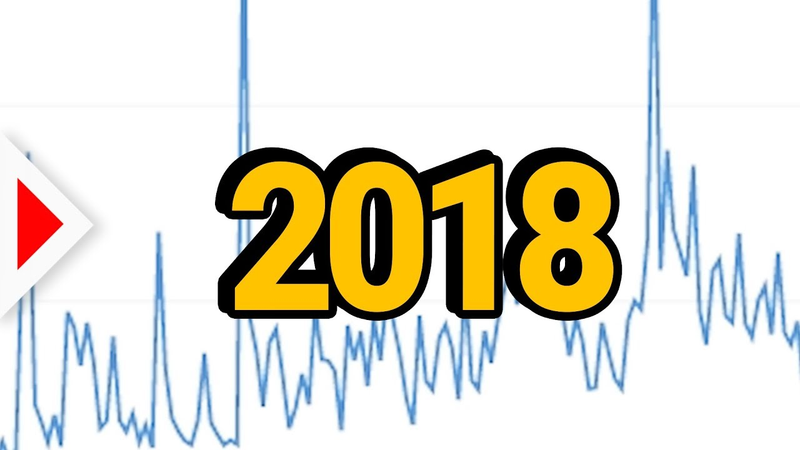
This retrospective analysis evaluates the first year of a solo indie game development career, focusing on the symbiotic relationship between game production and content creation.
- Building a YouTube audience serves as a critical engine for indie development, directly facilitating game visibility, playtesting, and essential feedback loops for solo creators.
- Transitioning from daily low-quality content to a weekly high-production-value schedule increased average video views from 200–300 to 1,000.
- The developer’s YouTube channel grew from zero to 1,500 subscribers over the 2018 calendar year, demonstrating the effectiveness of consistent content creation.

Five Tips To Making A Viral Game
Achieving viral success in game development relies on five core principles designed to maximize player engagement and marketability.
- Prioritize 'stickiness' by pairing juxtaposed, high-concept ideas to create an instantly recognizable premise that captures immediate attention.
- Ensure high variability in gameplay so that no two playthroughs are identical, which is essential for maintaining the interest of streamers and their audiences.
- Focus on 'game feel' by utilizing exaggerated animations, screen shake, and high-quality sound design to provide tactile, immersive feedback between player input and on-screen action.

DON'T QUIT YOUR JOB FOR INDIE GAMES (5 Reasons)!
Transitioning to a full-time career in indie game development requires significant preparation and specific personal traits to ensure long-term viability.
- Establish a proven track record of completing projects before transitioning to full-time development, as successful game cycles often span several years.
- Maintain a stable day job while building a foundation to mitigate the financial volatility inherent in the indie game sector.
- Diversify revenue streams beyond initial game sales by actively exploring crowdfunding platforms like Kickstarter and Patreon, educational content, and publisher partnerships.

Cosmic Top Secret: Do We Really Know Each Other?
The development of the autobiographical adventure game Cosmic Top Secret serves as a case study for integrating documentary storytelling with interactive game mechanics.
- Reality-based narratives can function as a primary design element, allowing developers to treat authentic historical facts with the same structural rigor as film or literature.
- Integrating real-world events into development—such as the creator’s father’s injury—can drive mechanical innovation, leading to unique features like the 'paper doll' aesthetic and paper-plane movement mechanics.
- The development of 'Cosmic Top Secret' utilized an interdependent, iterative process where narrative discoveries directly dictated changes to the game's mechanical systems.
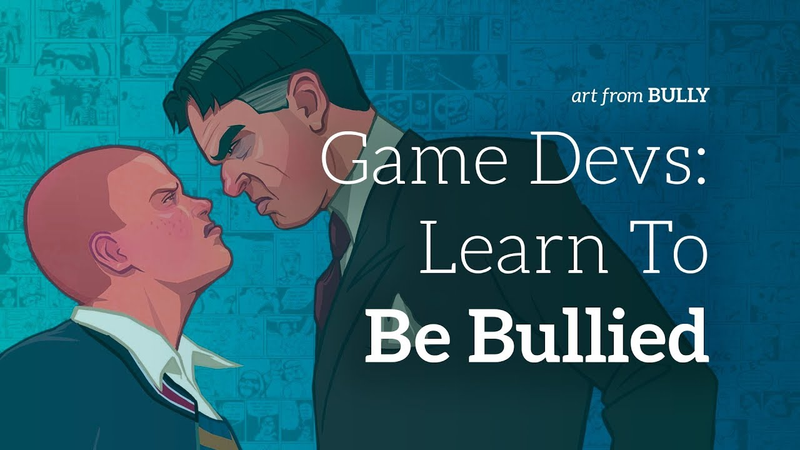
3 People You MUST Know To Be Successful
Achieving professional success in the competitive indie game industry requires a strategic approach to networking and personal development.
- Accelerate professional growth by intentionally curating a network consisting of three specific archetypes: creatively successful mentors, functional adversaries, and energy-giving supporters.
- Engage with creatively successful mentors who have already achieved significant milestones to gain new perspectives and bypass the limitations of your immediate local environment.
- Maintain close proximity to adversaries who provide harsh criticism to build the emotional resilience and thick skin necessary for navigating public-facing community feedback.

Why Making Games is so RISKY! (+ Fixes)
Game development is characterized by high levels of risk, where the majority of projects fail to achieve commercial success.
- Game development failure is primarily driven by three factors: the inability to complete the project, ineffective marketing, and a lack of product quality or audience appeal.
- To ensure project completion, developers should prioritize a minimum viable product by scoping to core mechanics and avoiding the integration of complex, unfamiliar systems during production.
- Maintaining development momentum requires setting achievable goals that produce early, tangible results to sustain team motivation.
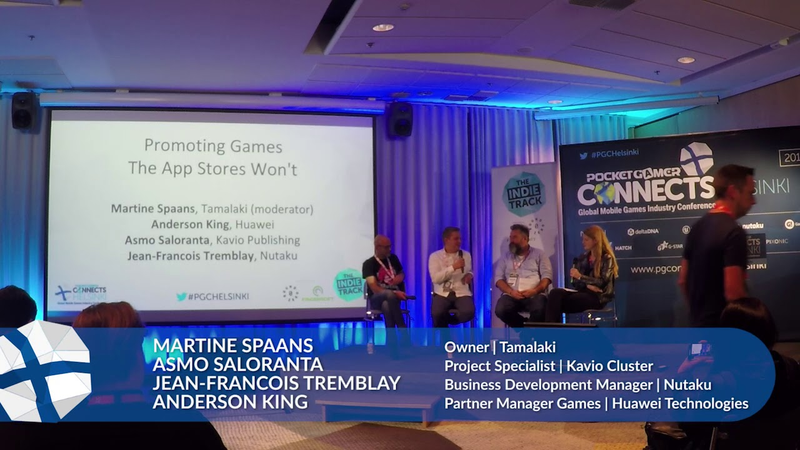
Promoting games the app stores won't
The mobile gaming industry is currently undergoing a significant shift as developers grapple with the extreme saturation and limited discoverability inherent in the dominant Apple and Google Play ecosystems.
- Mobile developers are shifting toward a fragmented distribution model to bypass the extreme saturation and limited discoverability inherent in the Apple and Google Play ecosystems.
- Studios are increasingly utilizing alternative channels, such as manufacturer-specific stores and niche platforms, to reach specific demographics like eSports enthusiasts and younger audiences.
- To mitigate platform dependency, developers are adopting proactive strategies including direct relationships with store operators, pre-installation models, and cloud gaming.
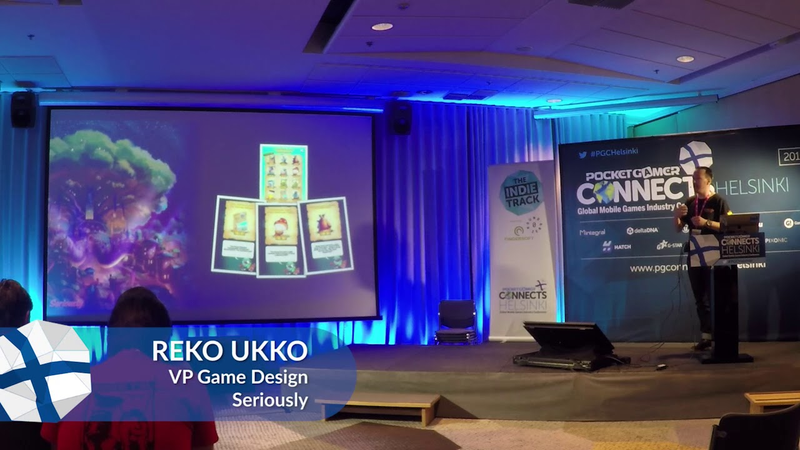
Telling your brand's narrative across mediums: A case study on Best Fiends
Seriously, a game development studio based in Los Angeles and Helsinki, utilizes a narrative-driven approach to brand building for its flagship title, Best Fiends.
- Seriously generated over $100 million in revenue for its flagship title, Best Fiends, by prioritizing long-term IP development over short-term monetization.
- The studio maintains a consistent brand narrative by hosting workshops that integrate Hollywood creative talent with game developers to ensure tonal alignment across all media.
- High-production-value animations have garnered over 15 million views, serving as a key driver for both player retention and efficient user acquisition.
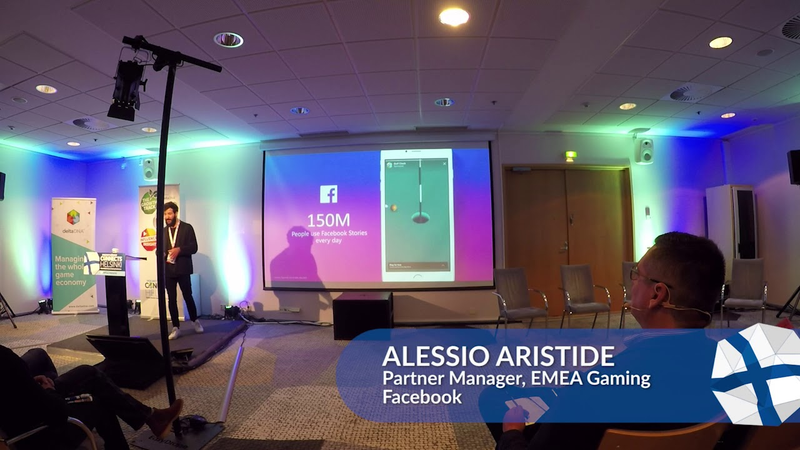
Facebook marketing 101 - Boost your revenues with high-value users
The gaming industry faces significant challenges in user acquisition, as average day-seven retention rates hover between 10% and 12%, while day-30 retention drops to 4% to 5%.
- Gaming industry retention rates are low, with day-seven retention at 10%–12% and day-30 retention falling to 4%–5%.
- Value optimization with minimum ROAS bidding allows developers to automate ad delivery to meet specific revenue targets rather than focusing on simple click-based metrics.
- Playable ads improve engagement by offering a full-screen, interactive game demo within the newsfeed, allowing users to experience gameplay before downloading the app.
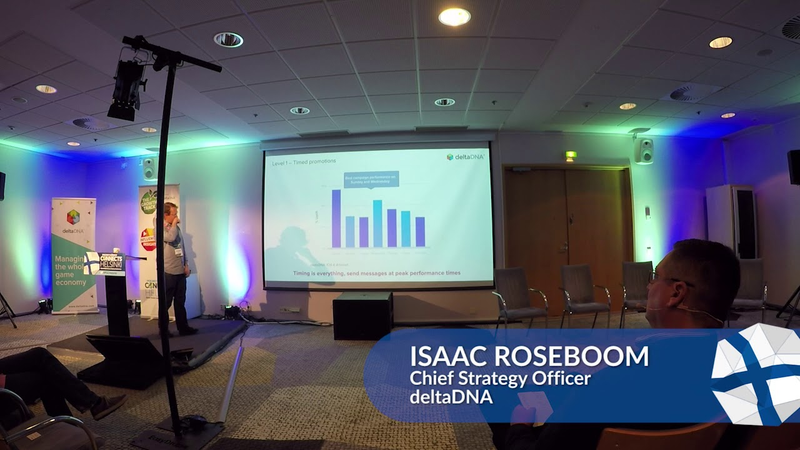
7 post-launch CRM strategies you need to know to maximise game revenues
Modern mobile game revenue is increasingly driven by long-term player retention rather than initial launch spikes.
- Long-term revenue is driven by mature player bases, with 70% of daily revenue in successful games generated by users who installed the app more than a month prior.
- Advanced player segmentation and personalized targeting drive a 47% revenue uplift, significantly outperforming the 10% uplift achieved by games using only basic targeting.
- Only 15% of developers currently utilize sophisticated, personalized player targeting, representing a major opportunity for competitive differentiation.
How to promote your games in the ever-changing Chinese market
The Chinese mobile gaming market represents a massive, high-growth landscape characterized by unique regulatory, cultural, and technical complexities.
- The Chinese mobile market is massive, reaching 788 million mobile users in 2018, with iOS users significantly outspending Android users in average in-app purchases despite Android holding an 87% market share.
- Navigating the Chinese Android ecosystem is complex, requiring distribution across third-party stores like Tencent's My Apps and 360, as well as mobile manufacturer stores such as Huawei, Xiaomi, Oppo, and Vivo.
- Western App Store Optimization (ASO) tools are ineffective for the Chinese market; developers should partner with local experts to handle localization and secure the full certifications necessary to increase the chances of being featured.