Market Forecast reports and market data
Documents

Mobile Gaming Trends in 2021 | Joe Kim (LILA Games)
The mobile gaming industry is currently undergoing a structural transformation, moving away from centralized, office-based models toward globally distributed, remote-first organizations.
- The mobile gaming industry is shifting toward remote-first, globally distributed organizational models to leverage talent in emerging markets like India for improved agility and cost efficiency.
- Product strategy in 2021 is moving away from direct competition with established battle royale titles in favor of sub-genre innovation and specialized experiences within the mobile shooter category.
- The deprecation of IDFA is forcing studios to pivot away from hyper-targeted advertising toward broader, less targeted monetization strategies.

Remedy Capital Markets Day 2020: Profitable Growth Company with Managed Risks
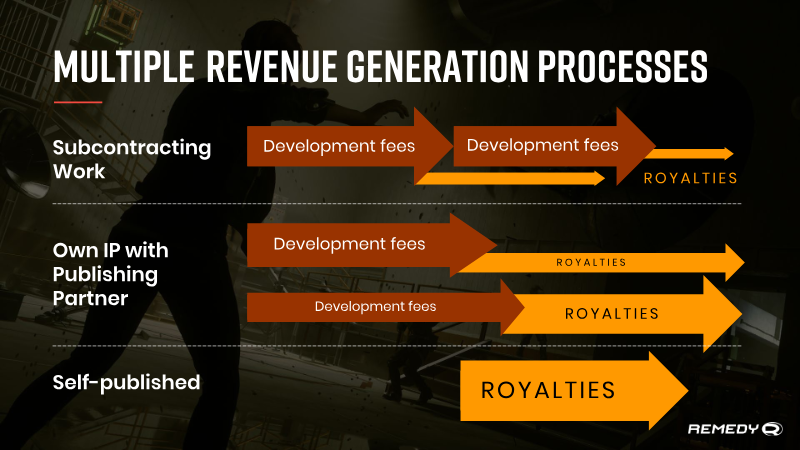
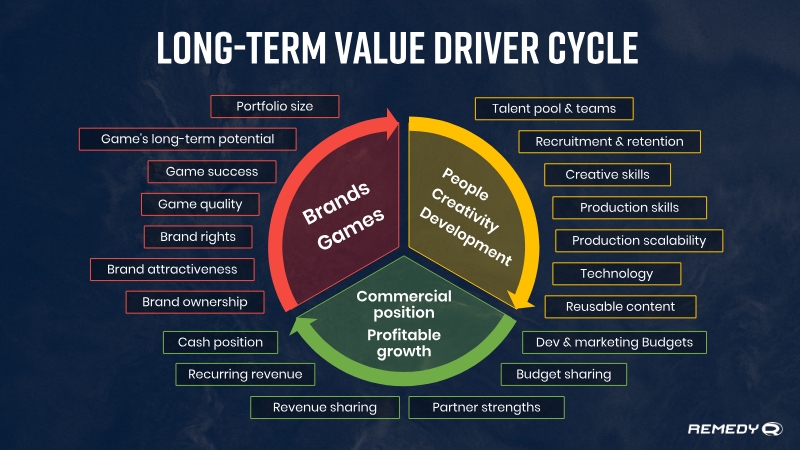
Remedy Entertainment’s strategic outlook centers on transitioning toward a multi-project business model designed to balance risk while driving profitable growth.
- Remedy is transitioning to a multi-project business model that balances risk and revenue through a mix of subcontracting, partner-published titles, and self-published intellectual property.
- The company projected 2020 revenue between 39 million and 41 million euros, with expected EBIT margins of 27% to 30.5%.
- Financial stability is maintained through favorable contract terms, including strategic budget sharing, effective recoupment structures, and tiered revenue-sharing agreements.



Análisis del Impacto del COVID‑19 y Mejores Prácticas de Teletrabajo en el Sector de los Videojuegos: Dec 2020
The global video game industry experienced a profound transformation during the 2020 pandemic, functioning as a critical pillar for social connection and entertainment while navigating significant operational volatility.
- Video game stocks, including companies like Tencent and Ubisoft, outperformed global market indices during the pandemic, establishing the sector as a defensive asset class with long-term growth potential.
- Consumer demand shifted decisively toward digital channels between March and May 2020, causing a sharp decline in physical sales while hardware platforms offering portability, such as the Nintendo Switch, saw significant spikes in sales.
- Subscription services like Xbox Game Pass and PlayStation Now proved resilient, becoming a central pillar of revenue strategy that necessitates ongoing investment in LiveOps and DLC content.

FY2020 Presentation Material
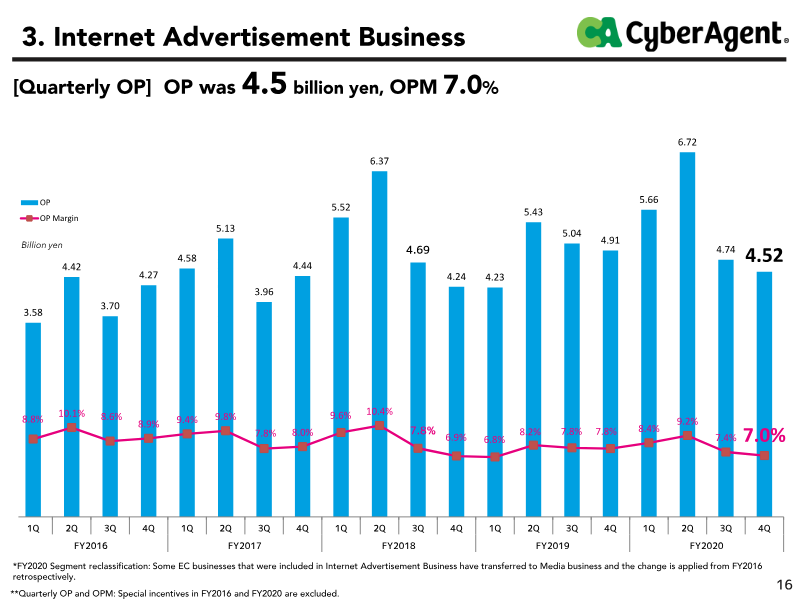
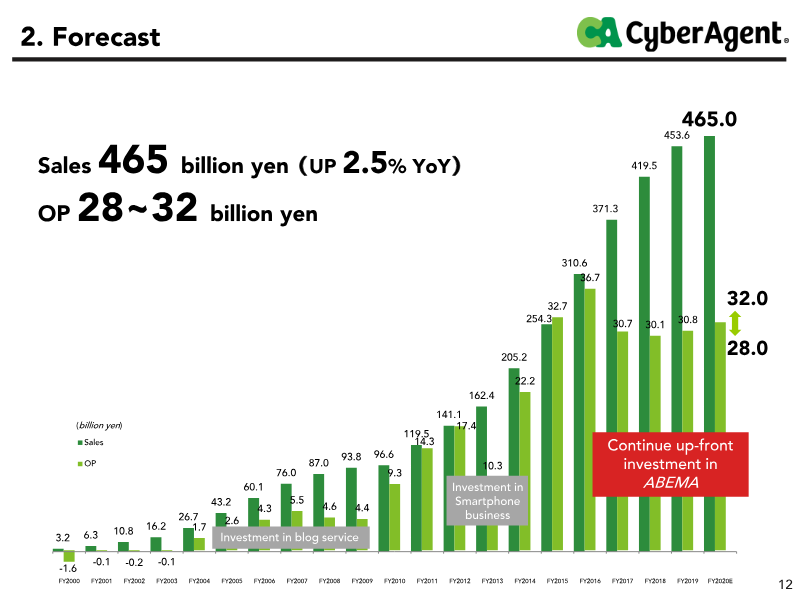
CyberAgent achieved record-high financial performance in fiscal year 2020, reporting consolidated sales of 478.5 billion yen and an operating profit of 33.8 billion yen.
- CyberAgent achieved record FY2020 performance with 478.5 billion yen in sales and 33.8 billion yen in operating profit, marking year-over-year growth of 5.5% and 9.9% respectively.
- The Game business served as the primary growth engine, generating 155.8 billion yen in sales driven by legacy titles and the successful launch of Project SEKAI, which reached two million users in three weeks.
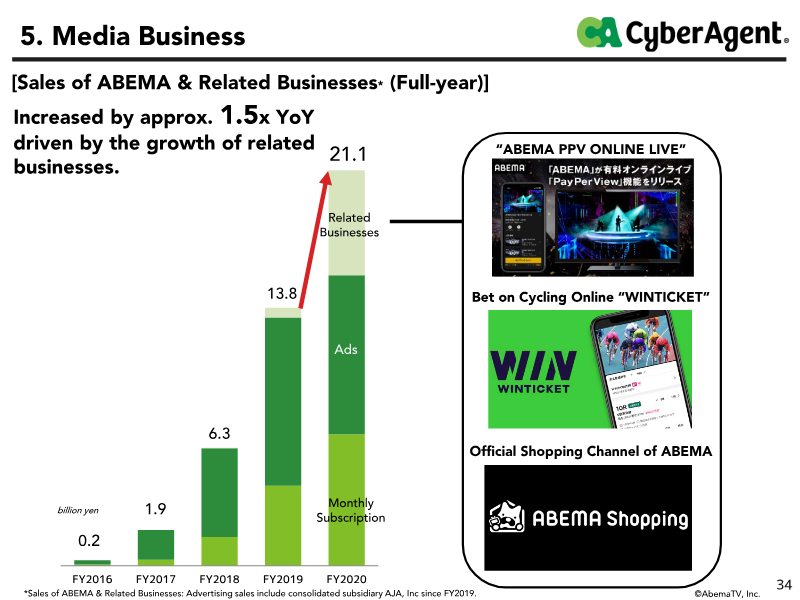
- The Media segment, anchored by ABEMA, grew annual sales by 22.6% to 57 billion yen, supported by a cumulative base of over 59 million downloads.
Creative Industries Statistics: United Kingdom (August 2020)
The United Kingdom’s creative industries tax relief framework serves as a critical fiscal mechanism designed to incentivize sustainable, culturally significant production across film, television, gaming, and the arts.
- Since its introduction in 2007, Film Tax Relief (FTR) has supported 3,470 films, accounting for £18.4 billion in UK expenditure. In 2019-20 alone, 300 films claimed FTR with £2.5 billion in UK expenditure.
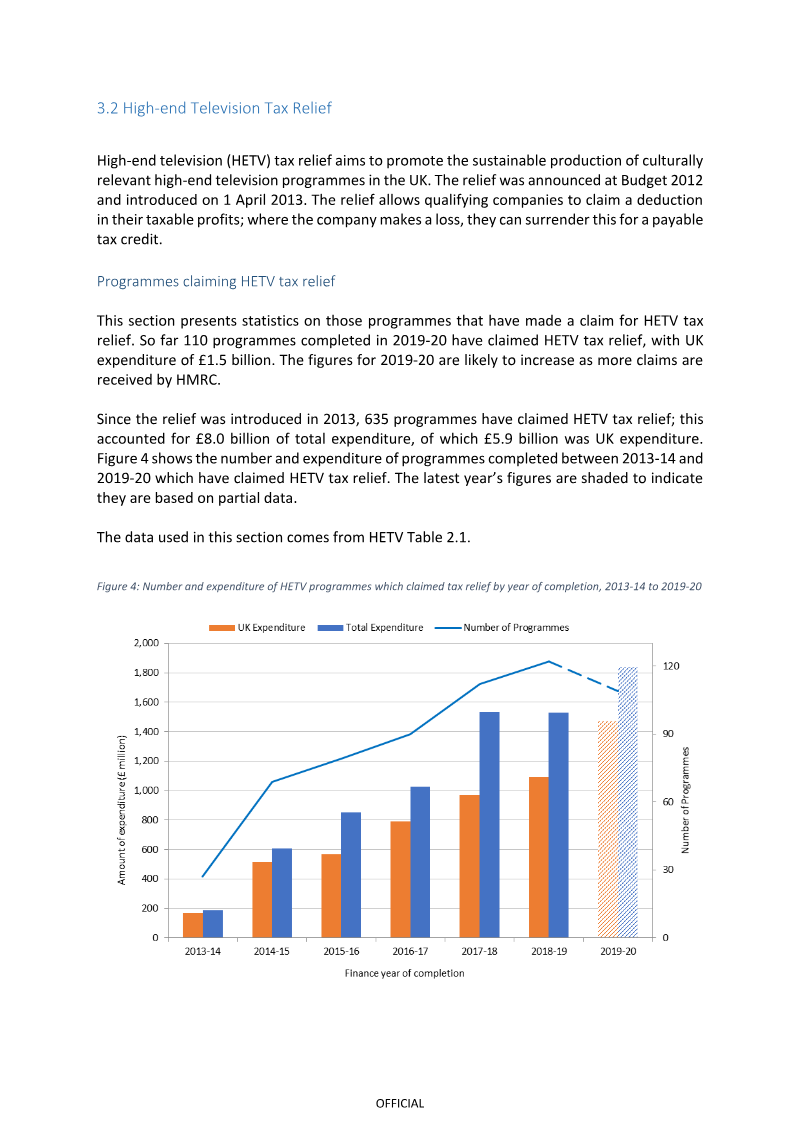
- High-End Television (HETV) Tax Relief, introduced in 2013, has supported 635 programmes with £5.9 billion in UK expenditure. In 2019-20, 110 programmes claimed HETV tax relief, totaling £1.5 billion in UK expenditure.
- Video Games Tax Relief (VGTR) paid out an estimated £161 million for 2018-19, with 310 claims made by 270 companies. Since its introduction in 2014, the relief aims to promote sustainable production of culturally relevant video games in the UK.


3Q FY2020 Presentation Material
CyberAgent’s performance during the third quarter of fiscal year 2020 remained resilient despite the economic disruptions caused by the COVID-19 pandemic.
- CyberAgent reported 112.8 billion yen in consolidated sales for 3Q FY2020, achieving 89% to 102% of its full-year operating profit forecast despite a marginal 0.7% year-over-year revenue decline.
- The Game business generated 36.7 billion yen in quarterly revenue, bolstered by major title anniversaries and a strategy focused on both new IP development and lifecycle extension for existing games.
- The media segment, anchored by the ABEMA streaming platform, grew sales by 19.2% year-over-year to 13.3 billion yen, supported by 56 million total downloads.

Superstar Session: Bold Predictions for H2 2020 PG Connects Digital #2
This session from the June 2020 Pocket Gamer Connects Digital event analyzes the impact of the COVID-19 pandemic on the mobile gaming industry and provides projections for the second half of 2020.
- The initial COVID-19 lockdown period triggered a massive surge in mobile gaming, characterized by a 10% to 70% increase in device usage and a peak of 1.2 billion weekly game downloads.
- The second half of 2020 is expected to see rising customer acquisition costs and eCPMs due to a high volume of postponed game releases and a record number of titles currently in soft launch.
- While hyper-casual games saw a slight decline as restrictions eased, mid-core and hardcore titles experienced substantial growth, bolstered by increased engagement and the rise of streaming.

Social Casino: Genre Outlook 2020
The social casino market has transitioned from a high-growth sector into a mature, stable industry characterized by consistent revenue generation and high-efficiency monetization.
- The social casino market has shifted from a high-growth sector to a mature, stable industry focused on high-efficiency monetization and aggressive VIP management.
- Major industry players are utilizing steady revenue from social casino titles as 'cash cows' to fund portfolio diversification and experimentation in other gaming categories.
- Market competition is defined by a 'plus-one' strategy, where developers prioritize iterative improvements on proven mechanics over radical innovation.

Emerging Macro Trends in Games and Game Streaming from a VC Investor’s Perspective
The global games industry has evolved into a massive, pervasive ecosystem, currently valued at approximately $200 billion to $350 billion when accounting for integrated advertising and streaming.
- The global games industry is valued at $200 billion to $350 billion, supported by a base of 3 billion gamers that grows by 10 million new users every month.
- Technological advancements in gaming, including mobile, 5G, and cloud infrastructure, have historically expanded the total addressable market rather than substituting existing platforms.
- A significant capital gap exists in the UK and Europe, where a lack of Series A and B funding often forces studios to be acquired by US or Chinese entities despite the region producing nearly 50% of top global titles.
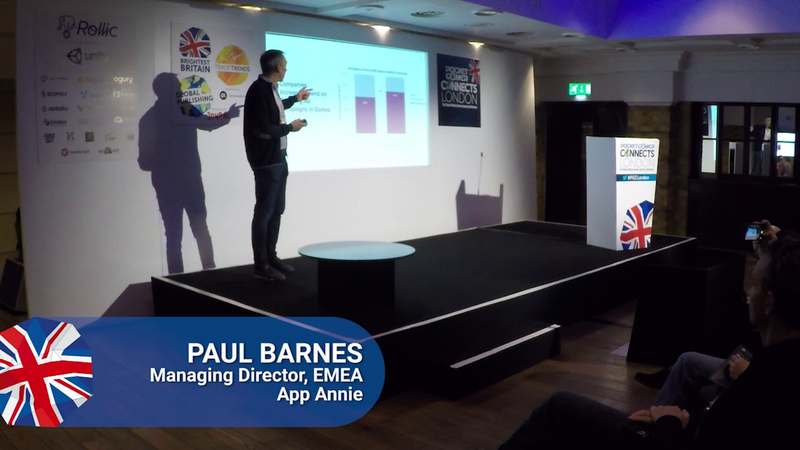
Superstar Session: Gaming: Key Market Insights for 2020
The mobile gaming industry experienced significant growth and structural shifts throughout 2019, characterized by a transition toward core gaming experiences and a maturing global market.
- Mobile gaming consumer spending reached approximately 86 billion dollars in 2019, accounting for roughly 75% of total app store revenue.
- The market is becoming increasingly top-heavy, with the number of games generating over 100 million dollars annually growing by 60% between 2017 and 2019.
- While casual and arcade titles dominate download charts, core genres—specifically action, battle royale (e.g., PUBG, Free Fire), and RPGs (e.g., Fate/Grand Order, Honor of Kings)—drive the majority of consumer spending and engagement time.

IS INDIE GAME DEV DEAD? (My 2020 predictions!)
This analysis outlines five key predictions for the game development industry in 2020, focusing on the shifting landscape for independent creators.
- Traditional game sales are becoming an unreliable revenue stream, forcing independent studios to pivot toward platform-exclusive deals and advances from companies like Epic Games, PlayStation, and Stadia.
- The rise of subscription-based monetization models is fundamentally changing how independent developers approach project funding and long-term financial stability.
- Success in the modern market depends less on individual coding proficiency and more on high-level art direction, strategic pitching, and the ability to synthesize existing assets into a cohesive product.

2020 Global Esports Market Report
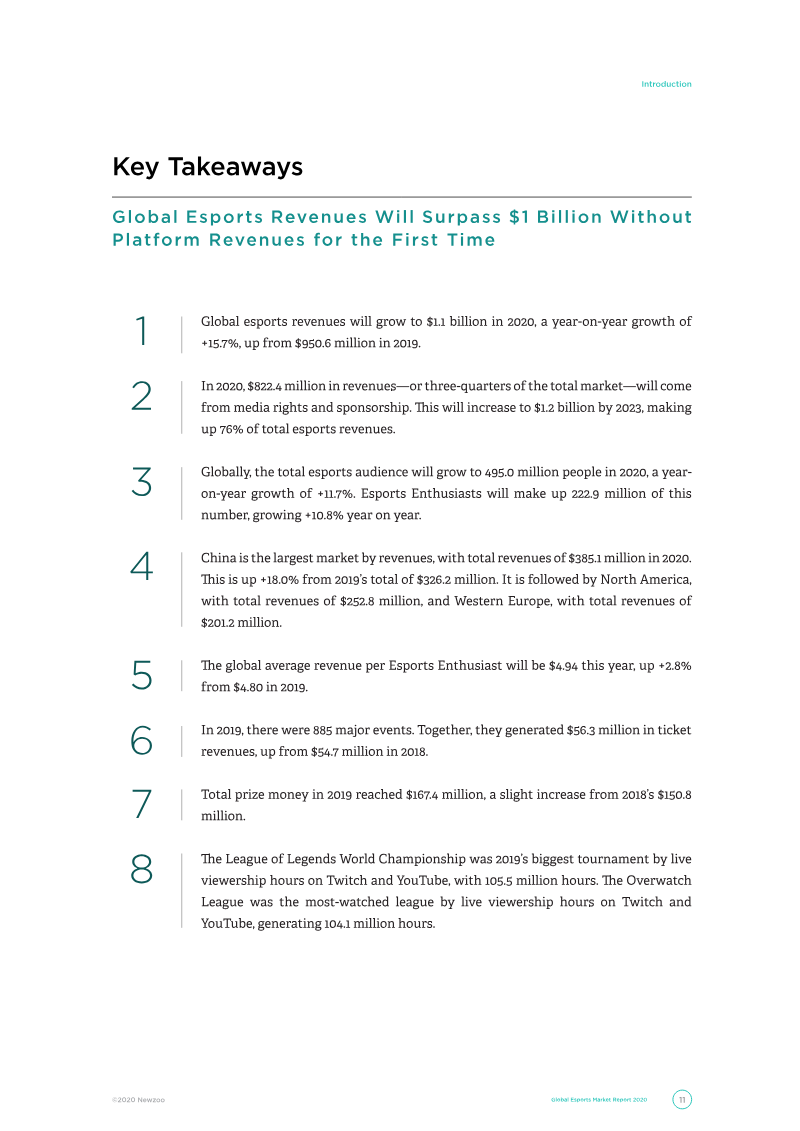
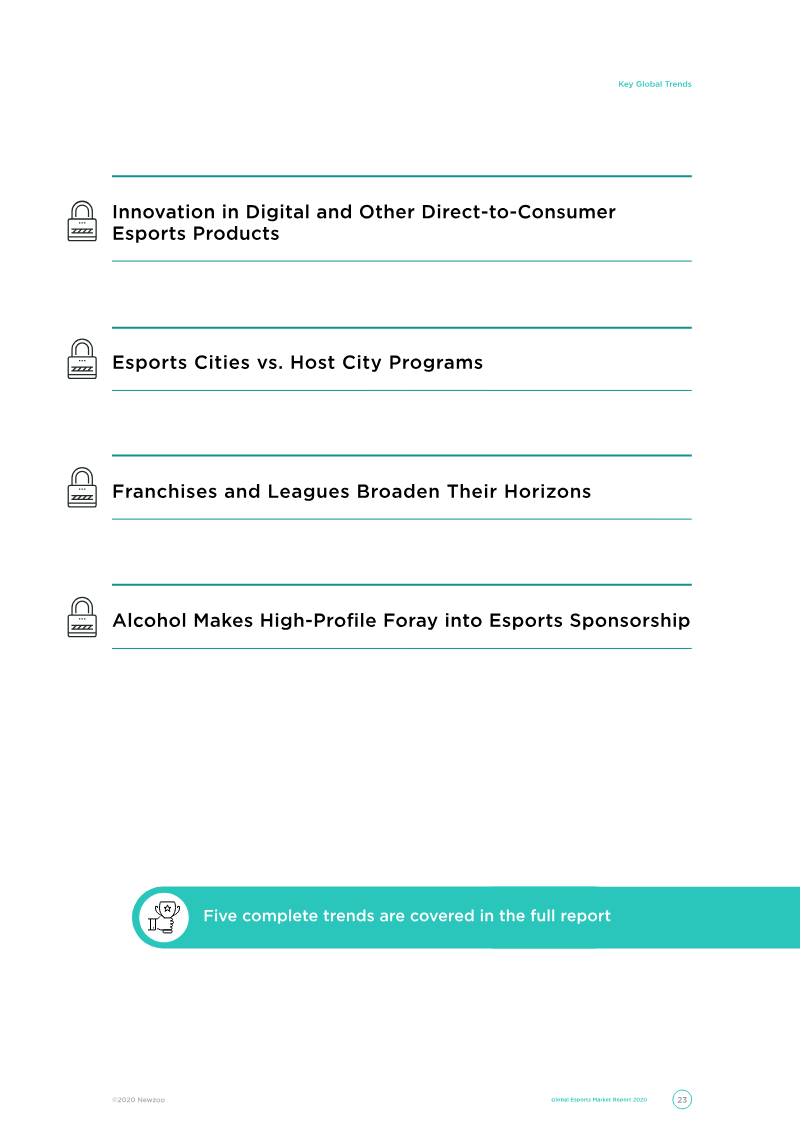
The global esports industry is undergoing a period of sustained maturation, characterized by a projected revenue milestone of $1.1 billion in 2020.
- The global esports industry is projected to reach $1.1 billion in revenue in 2020, representing a 15.7% year-on-year growth rate.
- Sponsorships remain the primary revenue driver, accounting for 57.9% of the total market value.
- The global esports audience is expected to grow to 495 million individuals, fueled by the popularity of titles such as League of Legends and Fortnite.