Key insights
6 slides
Market Size
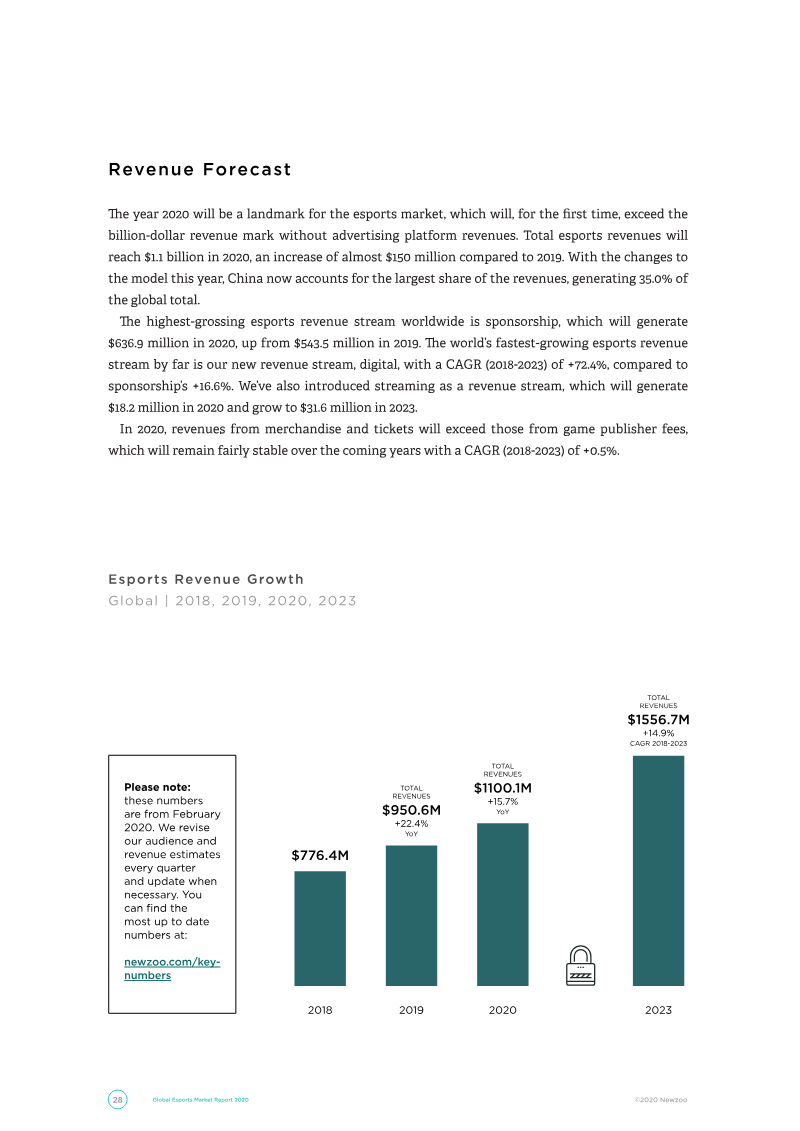
The global esports industry is projected to reach $1.1 billion in revenue in 2020.
This represents a 15.7% year-on-year growth rate for the industry. The market assessment excludes general advertising and capital investments.
Revenue Drivers
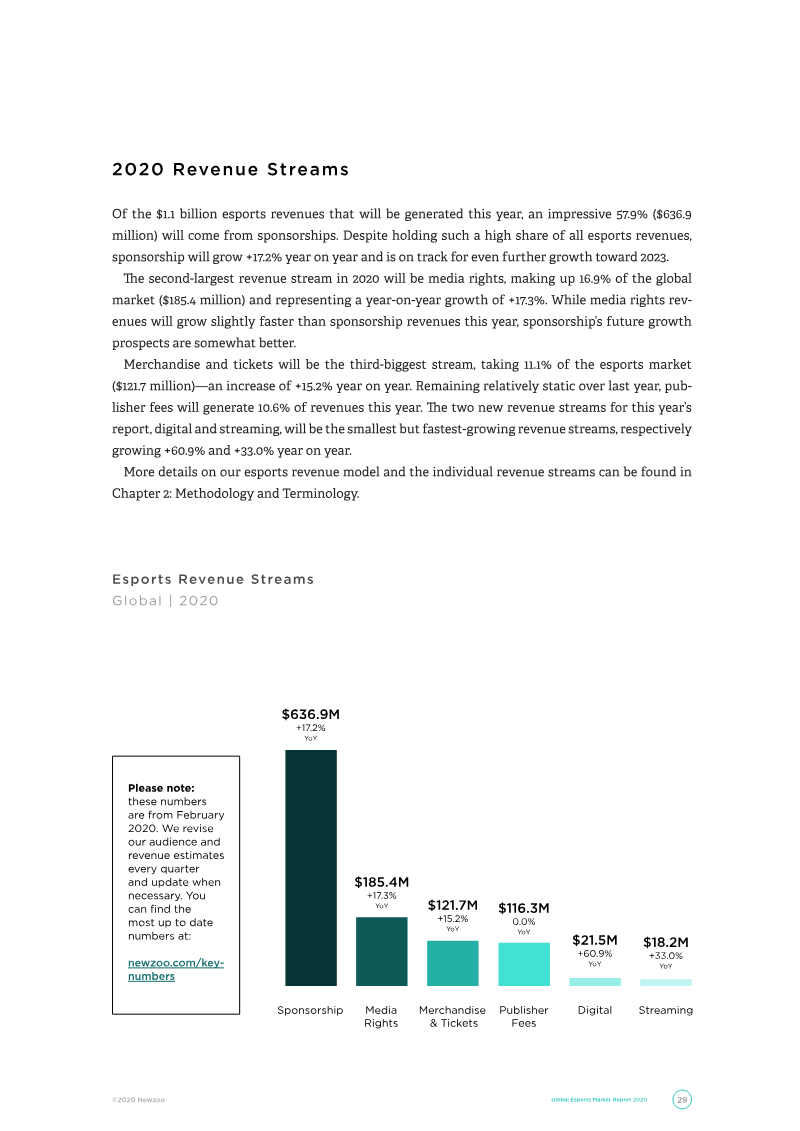
Sponsorships remain the primary revenue driver, accounting for 57.9% of the total market value.
The industry is also experiencing increasing monetization of media rights. These traditional pillars remain dominant in the market.
Audience Reach
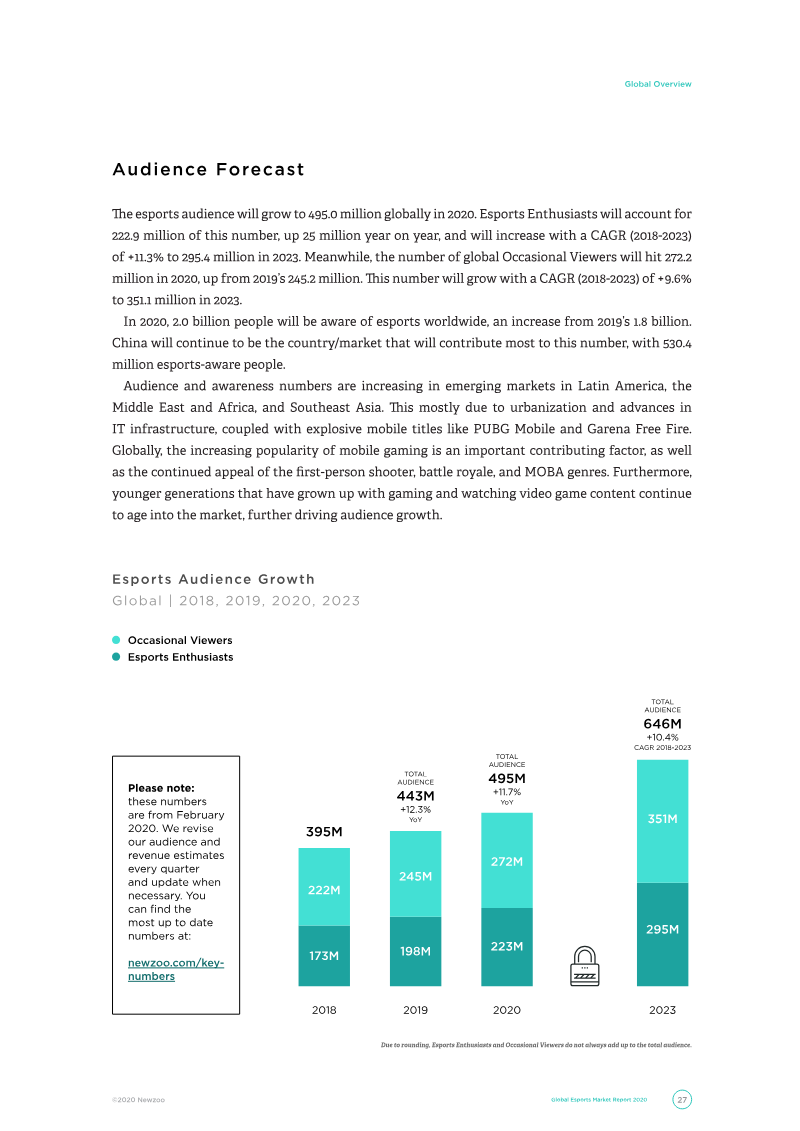
The global esports audience is expected to grow to 495 million individuals.
League of Legends and Fortnite are examples of such titles.
Market Leadership
China currently leads the global market in both total revenue generation and overall viewership numbers.
China maintains its position as the preeminent global market.
Fastest Growth
Digital and streaming segments represent the fastest-growing revenue streams.
The industry is shifting toward more granular, audience-based monetization models.
Mobile Impact
Mobile esports is a critical driver of industry expansion, particularly within emerging markets.
This expansion is notable in Southeast Asia and Latin America. Mobile gaming serves as a primary gateway for new participants.
Think of mobile esports as a new on-ramp to a busy highway, bringing in many new drivers.

1 / 6
Ask AI about this report