1 free read left. Create a free account for unlimited reading + AI research.
Create free accountReport Neogames Finland
1 free read left. Create a free account for unlimited reading + AI research.
Create free accountReportNeogames Finland
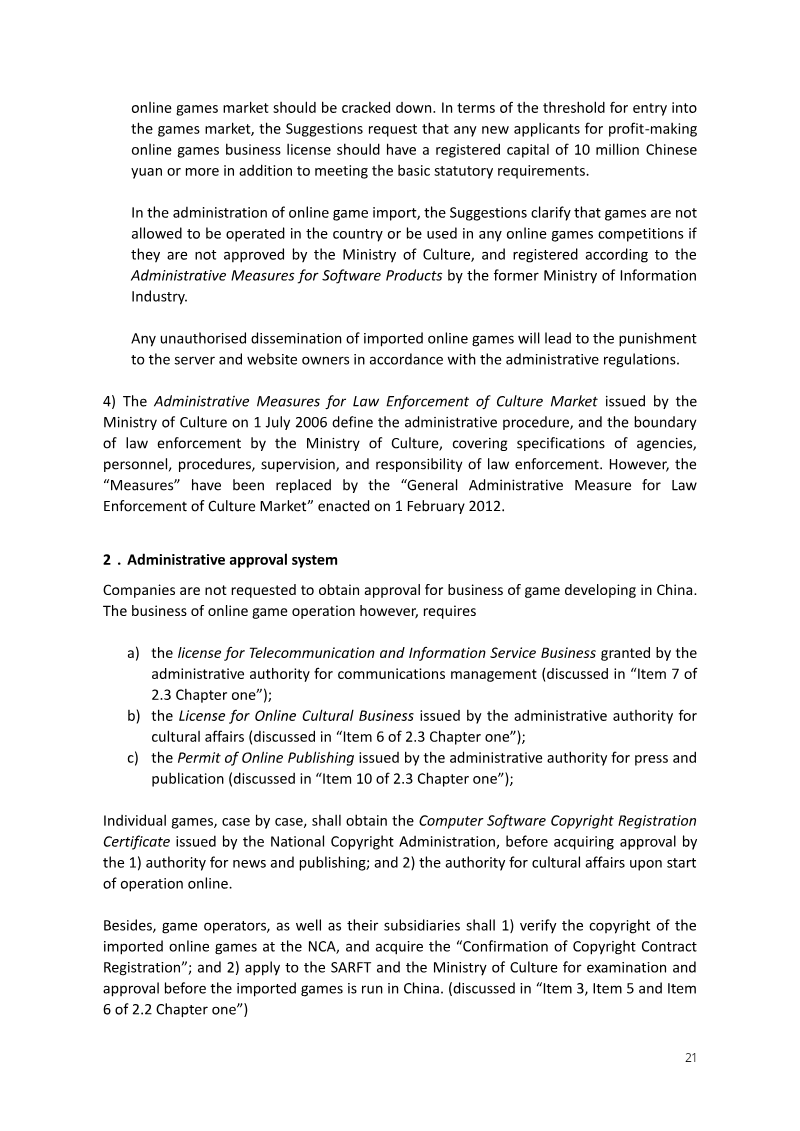
This process is required to obtain mandatory telecommunication and online publishing permits, along with individual copyright registrations for each title.
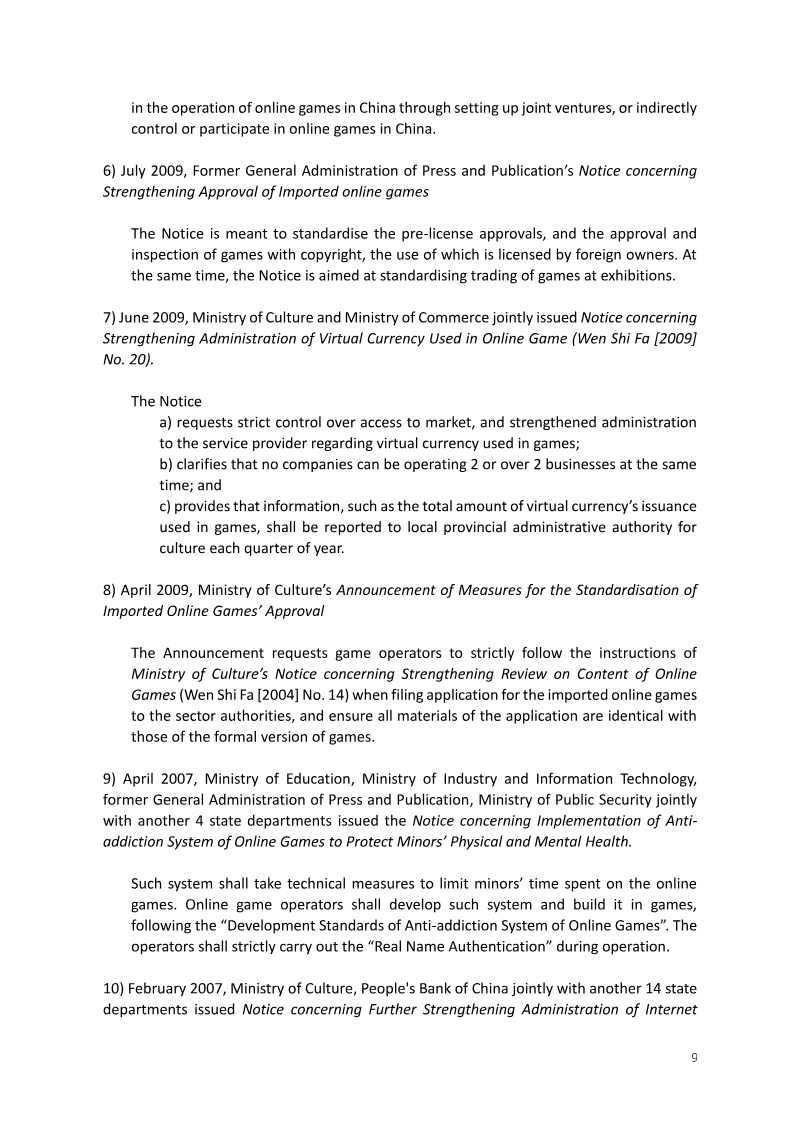
China’s gaming industry operates under a highly structured and rigorous regulatory framework designed to align digital entertainment with national cultural standards and social stability. The primary objective of this oversight is to ensure strict compliance with content censorship, data protection, and the mitigation of social risks, particularly regarding the protection of minors through mandatory anti-addiction systems. This environment mandates that all industry participants adhere to stringent licensing requirements, including the acquisition of telecommunication and online publishing permits, alongside specific copyright registrations for every individual title.
The regulatory landscape is governed by multiple state agencies, including the National Copyright Administration and the Ministry of Culture, which oversee everything from content approval to the management of virtual currency. Because foreign companies are strictly prohibited from directly operating or controlling online games within the country, market participants must navigate complex legal structures to maintain compliance. This often necessitates the use of intricate contractual arrangements to manage profit settlement, invoicing, and intellectual property rights while avoiding the severe administrative penalties associated with regulatory violations.
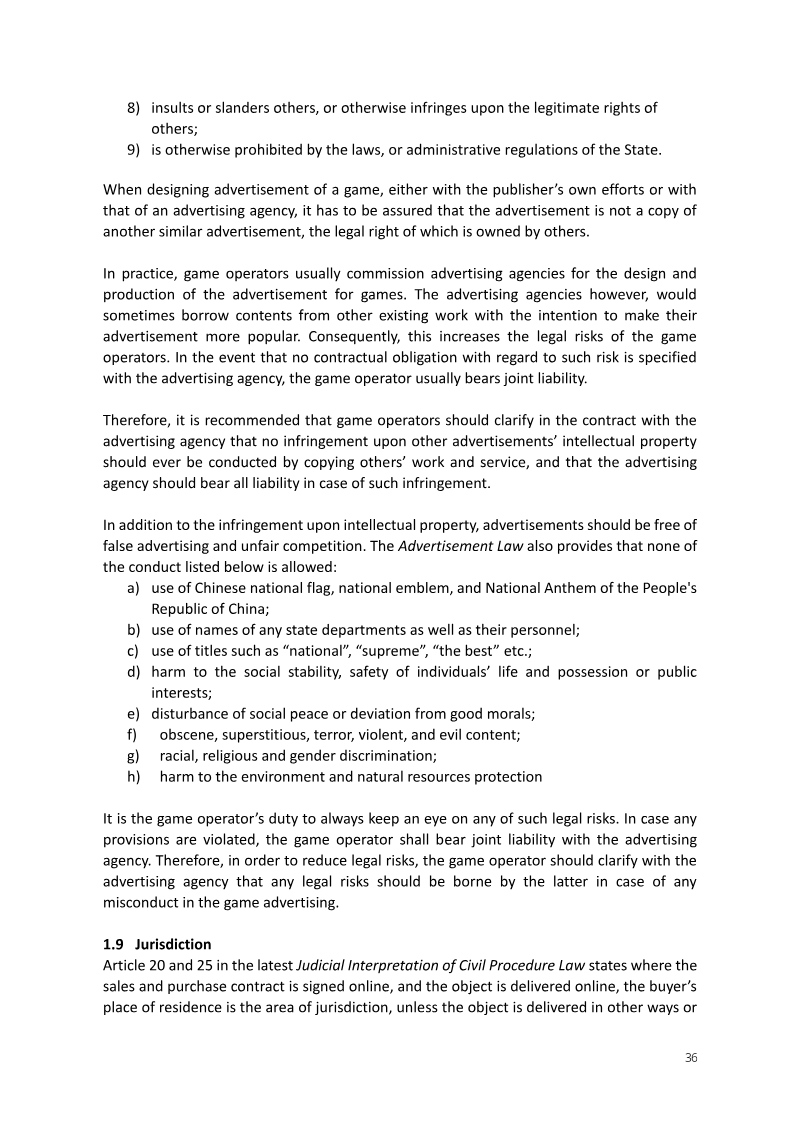
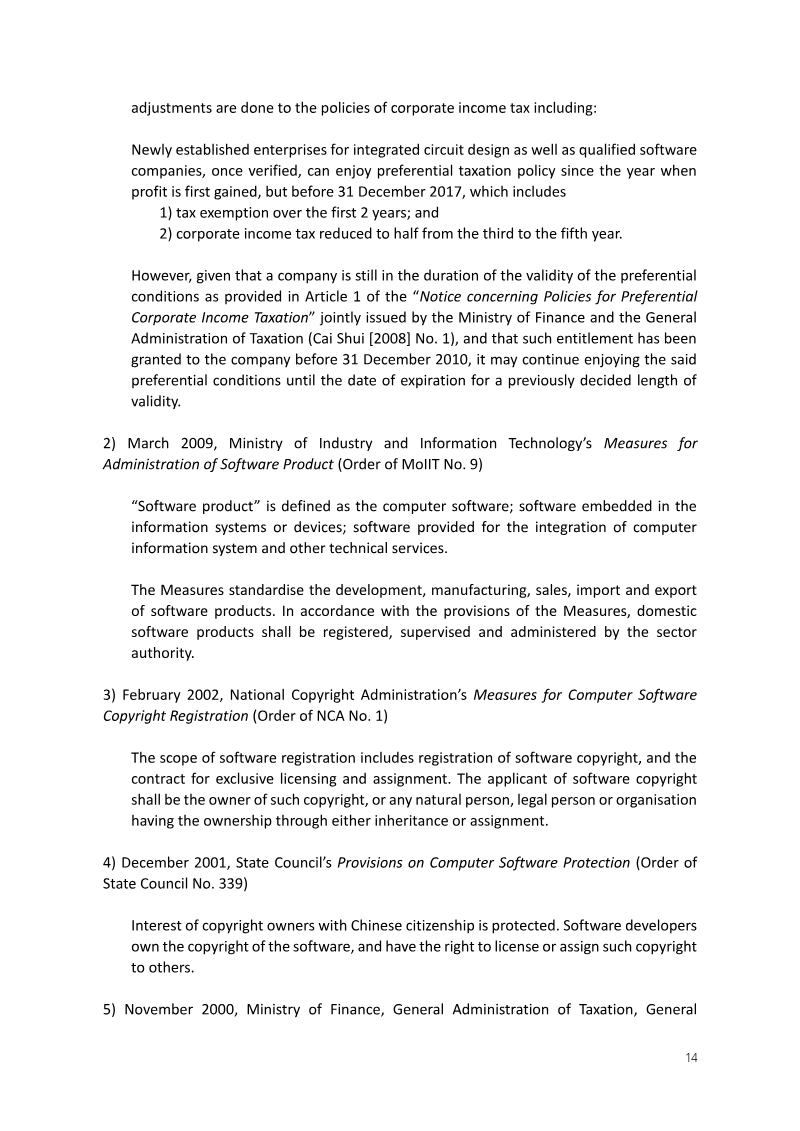
Beyond operational licensing, companies face significant legal exposure regarding advertising standards, tax obligations, and joint liability for the actions of third-party partners. To mitigate these risks, operators are encouraged to formalize robust contractual procedures, including clear indemnification clauses and jurisdiction agreements. While the government provides certain corporate income tax exemptions to incentivize the software sector, the overarching environment remains characterized by policy ambiguity and a multi-agency approval process. Consequently, successful navigation of the Chinese market requires a sophisticated approach to legal risk management, ensuring that development, distribution, and partnership agreements remain fully aligned with evolving national informatization strategies and administrative mandates.
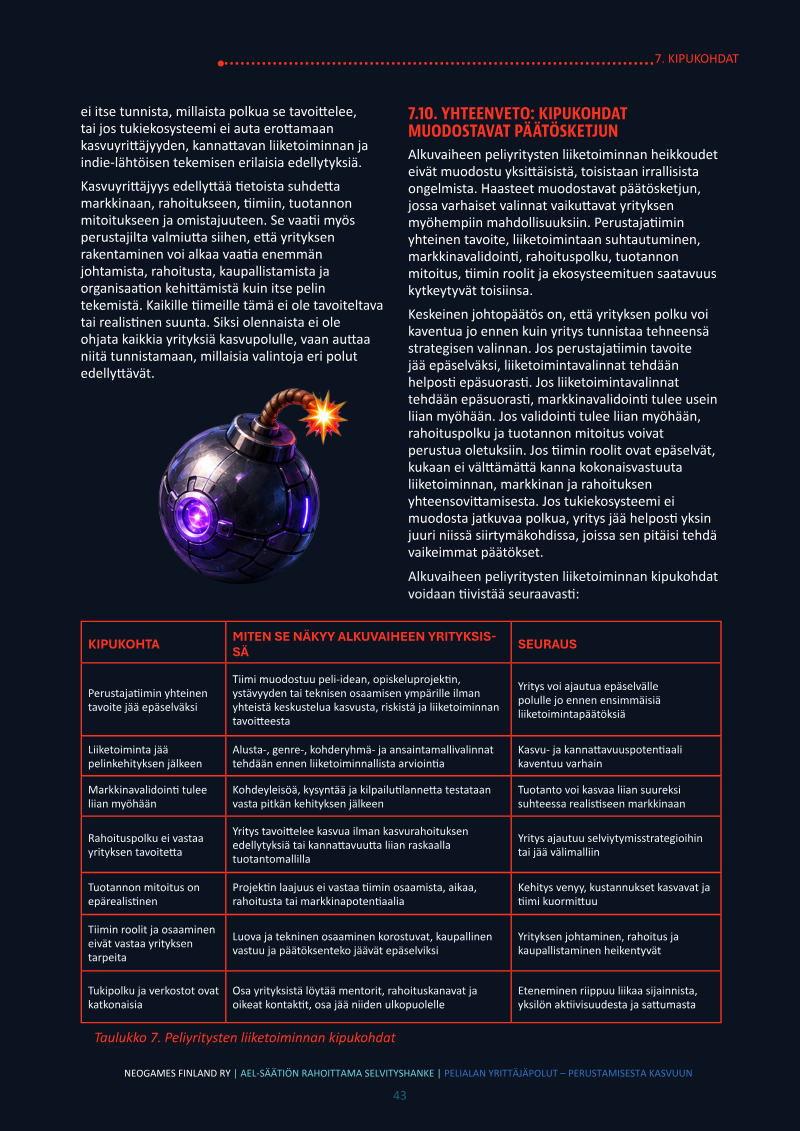

Neogames Finland · 2026
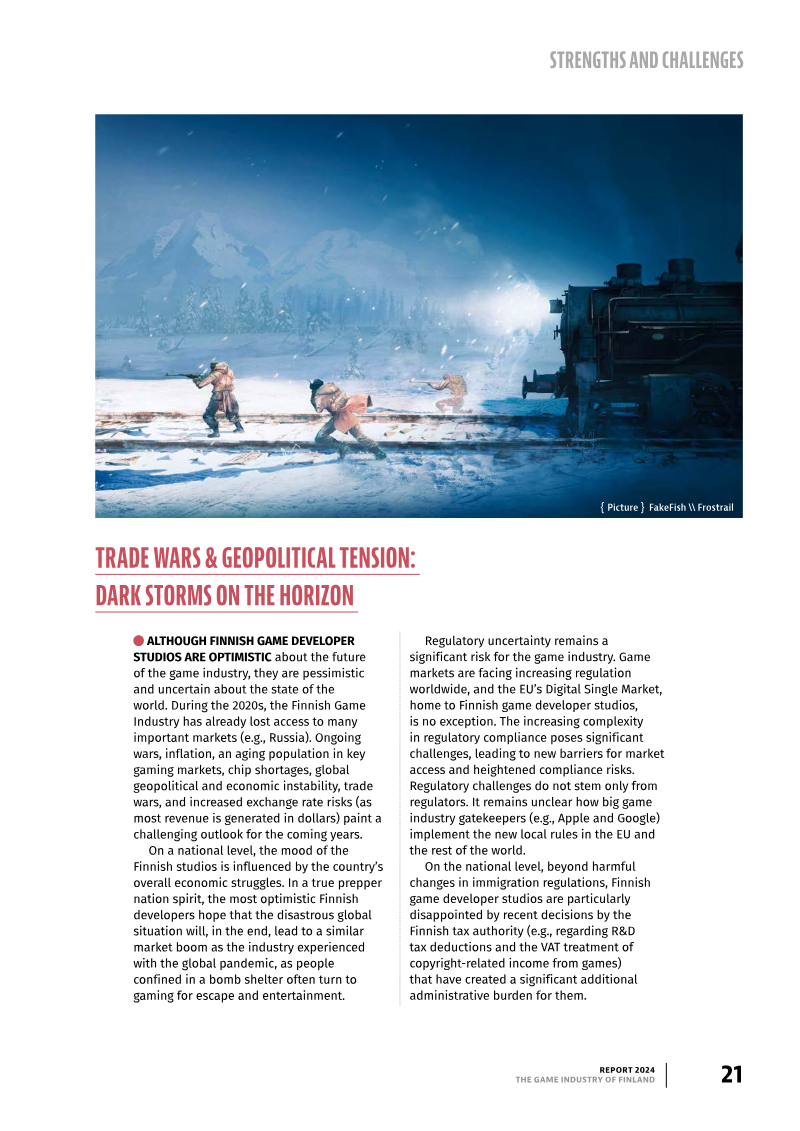
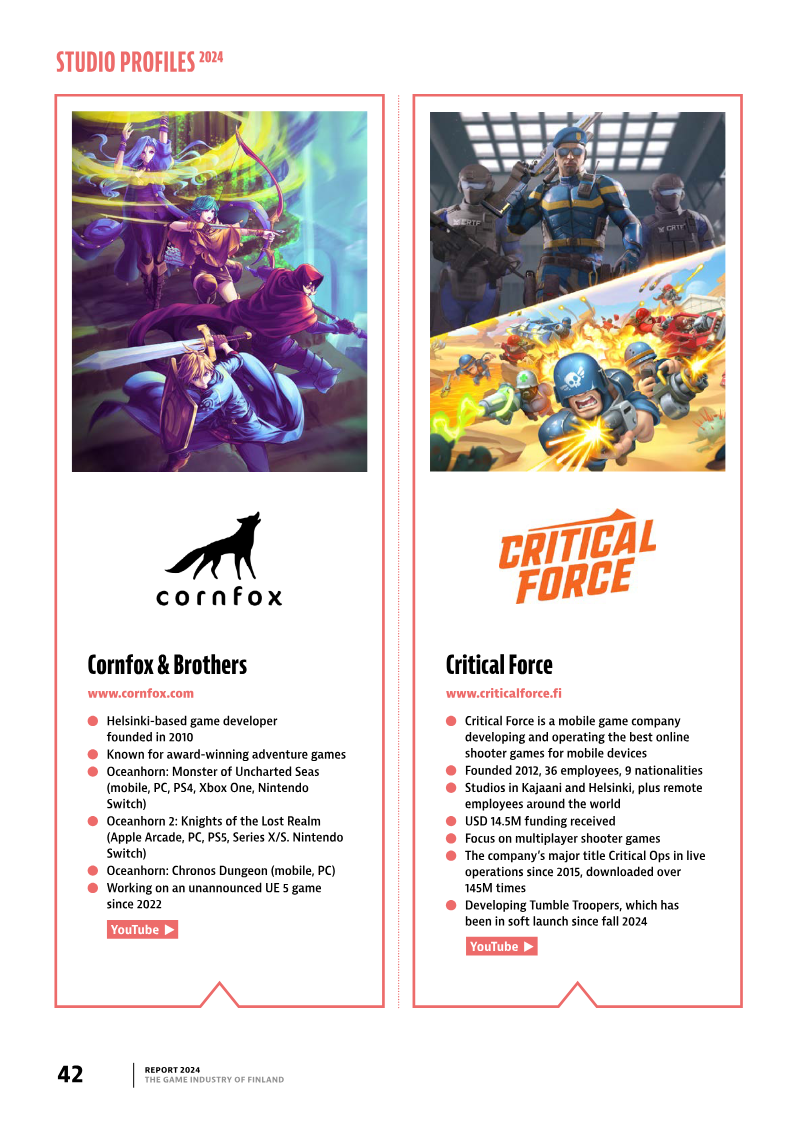
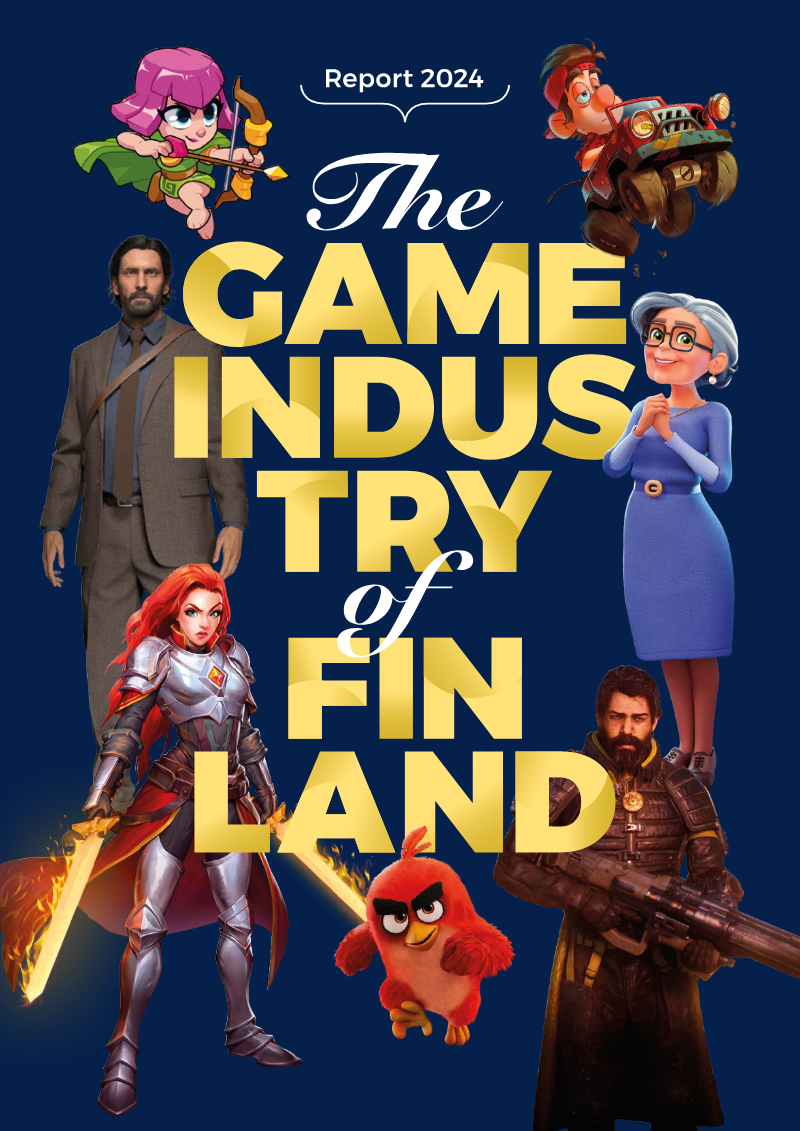
Neogames Finland · 2025


Neogames Finland · 2024
Neogames Finland · 2024

Neogames Finland · 2022

Neogames Finland · 2022
Neogames Finland · 2022


Neogames Finland · 2021
Neogames Finland · 2020


Neogames Finland · 2019

Neogames Finland · 2019


Neogames Finland ry · 2019
PocketGamer.biz · 2026