Market Analysis reports and market data
Documents
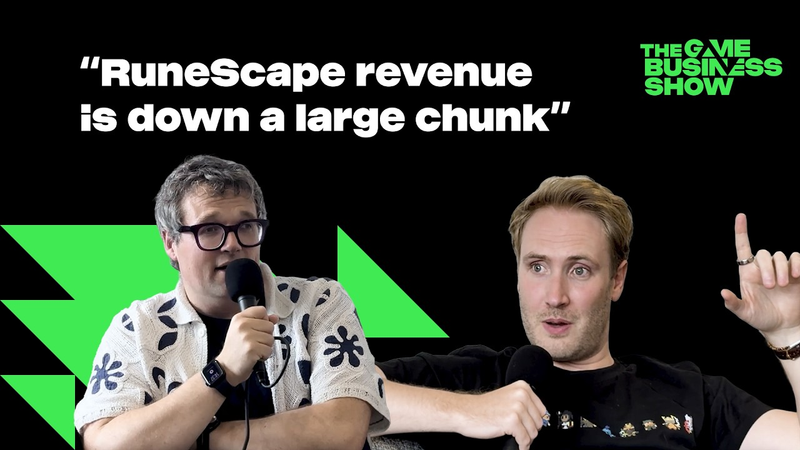
RuneScape CEO: We want to be bigger than World of Warcraft
Jagex is undergoing a strategic transformation to solidify its position as a premier global gaming entity by centering all operations exclusively on the RuneScape franchise.
- Jagex has launched the 'RS25' strategy, a £200 million investment initiative aimed at modernizing the RuneScape franchise and establishing it as the world’s leading MMO brand within five years.
- The company is pivoting to a single-franchise focus by divesting non-core assets to prioritize the long-term health and growth of RuneScape.
- Jagex intends to leverage its historical player base of 300 million users to drive expansion into Asian markets and launch the new title 'Dragon Isles' on console platforms.
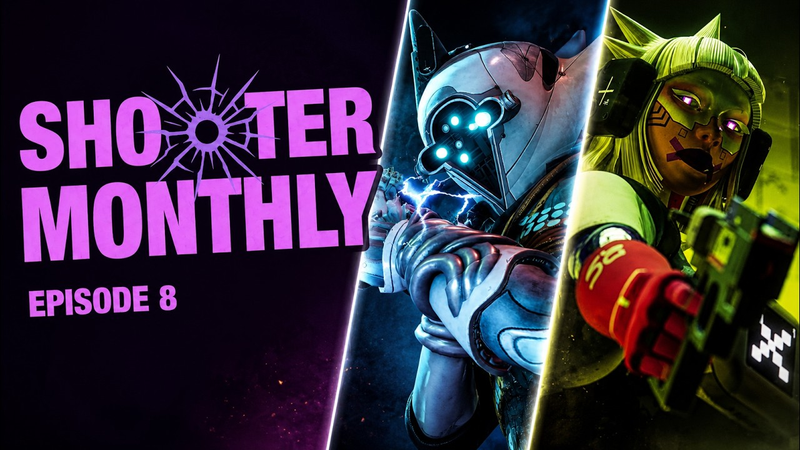
Shooter Monthly #8: The Bungie Eulogy, Why Destiny Fell Off, and Can Marathon Save the Studio
Bungie’s trajectory serves as a definitive case study in the volatility of the live-service model, illustrating how a studio can pioneer a genre while simultaneously struggling with the sustainability of long-term engagement.
- Bungie generated between $1.5 and $2 billion in revenue by successfully blending high-fidelity gunplay with deep RPG progression.
- The decline of Destiny is attributed to the exhaustion of its ten-year narrative arc and a seasonal content model that made player progress feel temporary.
- Bungie failed to transition Destiny into a smaller, long-term maintenance phase, a strategy that successfully sustained competitors like Rainbow Six Siege.
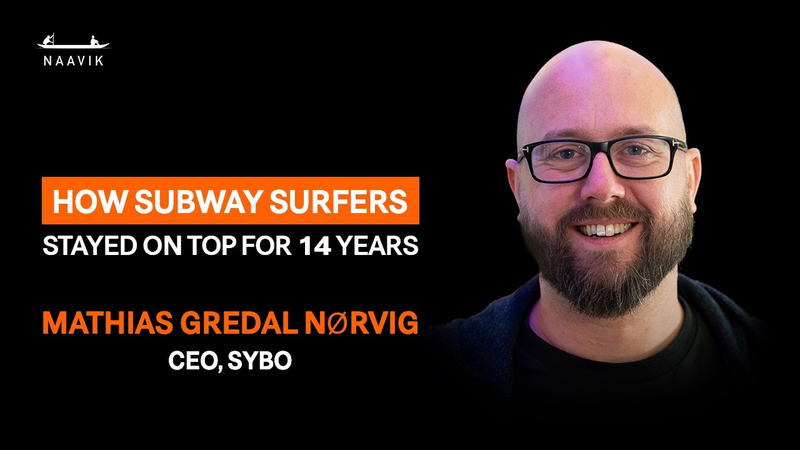
Inside Subway Surfers, Mobile Gaming's Most Enduring Hit
Subway Surfers sustains its position as a premier mobile gaming title fourteen years after its initial launch, consistently drawing 100 to 150 million monthly active players and accumulating nearly 5 billion total downloads.
- Subway Surfers maintains 100 to 150 million monthly active players 14 years after its 2012 launch by utilizing a 'World Tour' live operations model that keeps the game environment fresh through constant, themed updates.
- The game has achieved nearly 5 billion total downloads, largely through organic growth and community-driven engagement rather than heavy spending on traditional user acquisition.
- SYBO leverages TikTok as a primary distribution channel by allowing its social team creative freedom, enabling the game to become a staple of 'sludge content' where users play the game while sharing unrelated personal stories.

In the Hot Seat: Three ways Western developers are leaving a fortune on the table in China
Western game developers often struggle to penetrate the Chinese market due to a fundamental misunderstanding of its unique operational landscape, which frequently results in significant lost revenue.
- China represents approximately 20% of global player spending and 38% of total market growth, yet many Western studios fail to enter the market due to a lack of dedicated local resources.
- Successful entry into the Chinese mobile market requires a dedicated team of three to five people to manage the significant technical support and localization work necessary for local partnerships.
- Unlike the Western model of soft-launching to improve metrics, the Chinese market utilizes a 'wishlist' system where games build massive pre-launch interest over six months to trigger millions of day-one downloads.

Epic and Google drop settlement and Pokémon Go revenue skyrockets | Week in Mobile Games podcast
The mobile gaming landscape is currently defined by significant legal volatility and shifting consumer spending patterns.
- Epic Games and Google have withdrawn their attempt to settle their US antitrust lawsuit, leaving the court's ruling that Google maintains an illegal monopoly over Android apps in place.
- Pokémon Go experienced one of its most lucrative days in history on July 11, 2026, driven by a free-to-play Go Fest event that encouraged high spending on raid tickets and limited-time bundles.
- A California-led coalition is attempting to block the Paramount-Warner Bros. merger, citing concerns that the combined entity would control 27% of US theatrical film distribution, 30% of blockbuster releases, and 27% of the basic cable market.
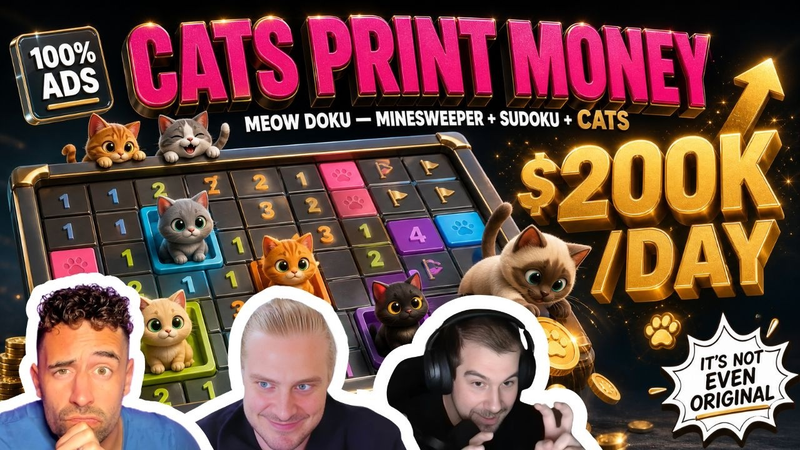
🐱 Meowdoku case study: Minesweeper + Cats + Sudoku. Take a 40-Year-Old Game, Add Cats, Make Millions
Meowdoku serves as a prime example of how established puzzle mechanics can be revitalized through thematic reskinning and aggressive user acquisition strategies.
- Meowdoku generates between $130,000 and $200,000 in daily revenue through a 100% ad-monetization model featuring interstitial ads, rewarded videos, and adaptive cooldowns.
- The game achieves significant scale with 400,000 daily downloads and 2 million daily active users.
- Publisher Beijing Lexing Shen utilizes a high-volume strategy across its portfolio, resulting in over 1 billion cumulative downloads and 70 million monthly active users.

This Sucks: Why We Think Disney Will Buy Epic Games | Extra Credits Gaming
The potential acquisition of Epic Games by Disney is driven by a strategic shift in the entertainment industry, where the primary objective is no longer just content production but the creation of persistent, immersive digital environments.
- Disney’s core business model is the creation of immersive environments that foster emotional attachment, making them a direct competitor to companies like Nintendo that build persistent digital worlds.
- Epic Games provides three strategic assets Disney lacks: a direct relationship with gamers via the Epic Games Store, the infrastructure of the Unreal Engine, and a massive, persistent social space in Fortnite.
- Acquiring Epic would allow Disney to bypass third-party platforms like Sony, Valve, or Microsoft, enabling them to control the entire ecosystem from content discovery to in-game transactions.
Gaming is not Doomed (we just have to learn from it) | Games For Breakfast
The legacy of the 1993 title Doom serves as a critical blueprint for the modern gaming industry, illustrating the enduring value of accessible distribution, community-driven modding, and high-quality, transparent product design.
- A Brazilian court ruling allows individuals to sue corporations for lost account access, resulting in a precedent where Microsoft was ordered to restore access within 50 days and pay $400 in damages.
- The gaming industry should prioritize the 'Doom' model of confidence, which involved providing a high-quality, substantial portion of the game for free to build a household name and earn consumer trust.
- Relying solely on cloud storage for data is a significant risk, and users should maintain physical, redundant backups of important files on hard disk drives to avoid total data loss.

Valve's 14-Year Journey To Make The Steam Machine
Valve’s 14-year effort to establish a living room PC presence has evolved from an initial failure into a strategic, long-term initiative centered on the SteamOS ecosystem.
- Valve’s Steam Machine initiative, which began in 2012 as a response to the perceived decline of PC gaming, has finally reached a functional state after 14 years of development.
- The current Steam Machine launch is hampered by an AI-fueled memory and storage crisis, resulting in a starting price of $1,050, significantly higher than Valve’s original intent for an entry-level device.
- The success of the project is driven by the maturation of Proton, a compatibility layer that allows Windows-based games to run seamlessly on the Linux-based SteamOS.
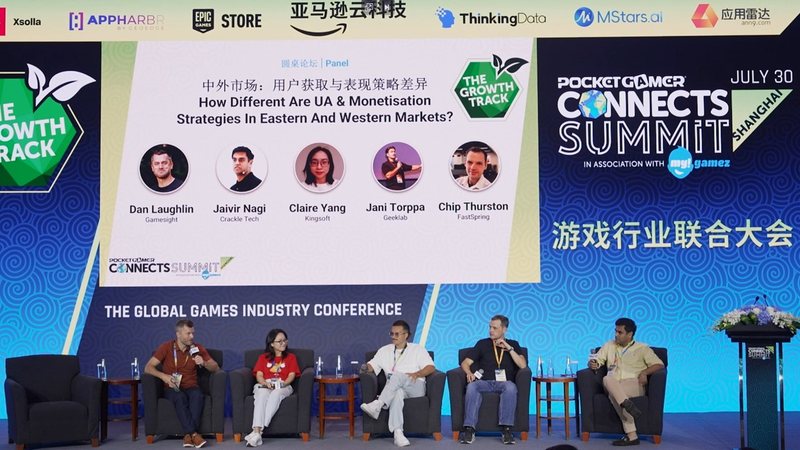
How Different Are UA & Monetisation Strategies In Eastern And Western Markets?
User acquisition and monetization strategies diverge significantly between Eastern and Western markets, driven by distinct platform ecosystems and consumer behaviors.
- The mobile gaming industry is currently dominated by legacy titles, with new game launches struggling to break into the top 10 charts on the App Store and Google Play due to high development costs and market saturation.
- Western user acquisition is heavily concentrated on Meta, Google, and TikTok, creating a 'single basket' risk where publishers struggle to scale or attribute performance due to IDFA and privacy-related data limitations.
- Direct-to-consumer (DTC) web stores are becoming a critical strategy for publishers to increase profitability by bypassing platform fees, despite ongoing legal uncertainty surrounding Apple and Epic Games' court battles.
🚨📢 BREAKING NEWS: Pokémon Go Made MORE Money by Going Free + Xbox Cuts 3,200 + AppLovin Opens Axon
The mobile gaming and technology sectors are currently undergoing a significant shift in monetization, operational efficiency, and trust management.
- Pokémon Go achieved its highest daily revenue in five years, reaching $15.1 million on July 11, after removing ticket paywalls for its 2026 GoFest event.
- Microsoft is restructuring its gaming division with plans to cut approximately 3,200 jobs, representing 20% of the division's workforce, due to profit margins falling below corporate requirements.
- AppLovin’s stock value surged following the decision to open its Axon targeting engine to global self-serve advertisers, though analysts have raised concerns regarding long-term ad ecosystem quality.

TWIG #392: Pokémon’s Gamble, World Cup WHAT & the Monetization Debate
The gaming industry is increasingly relying on nostalgia-driven content to combat the diminishing returns of new releases.
- Developers are increasingly prioritizing nostalgia-driven content, such as League of Legends Classic and Fortnite OG, as a more reliable growth engine than the volatile cycle of new product launches.
- Aggressive or opaque monetization strategies, exemplified by the backlash against EA’s paid progression in College Football 2027, pose significant PR risks that threaten long-term player trust and sustainability.
- The gaming industry has completed an irreversible transition to a digital-first ecosystem, where physical media is largely obsolete and digital distribution is the standard for platform economics.