Live Ops reports and market data
Documents
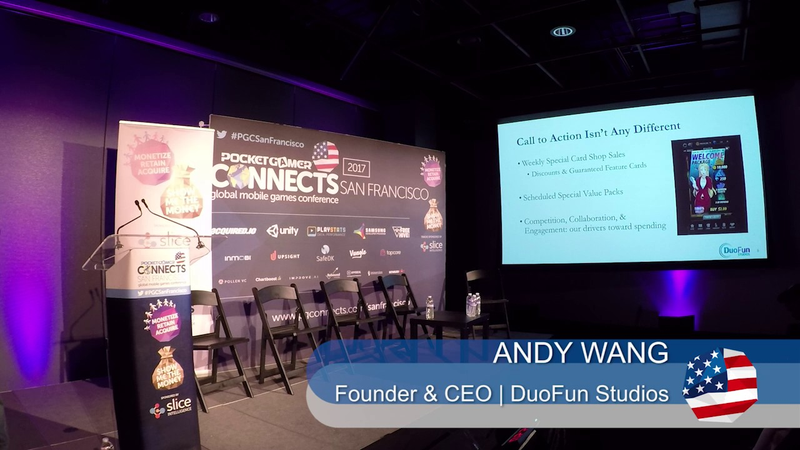
Uncovering DuoFun’s approach to mid-market IAPs
DuoFun Studios is shifting its monetization strategy away from the industry-standard reliance on high-spending "whales" toward a model centered on moderate, recurring spenders.
- DuoFun Studios is pivoting its monetization strategy away from high-spending 'whales' to target a mid-market cohort of players willing to spend between $20 and $60.
- The studio aims to mitigate high churn and 'regret spending' by replacing predatory mechanics like 'rage-pulling' with transparent value propositions for in-app purchases.
- DuoFun’s model prioritizes long-term retention and community engagement to build a sustainable revenue base that reduces reliance on aggressive, high-cost user acquisition.
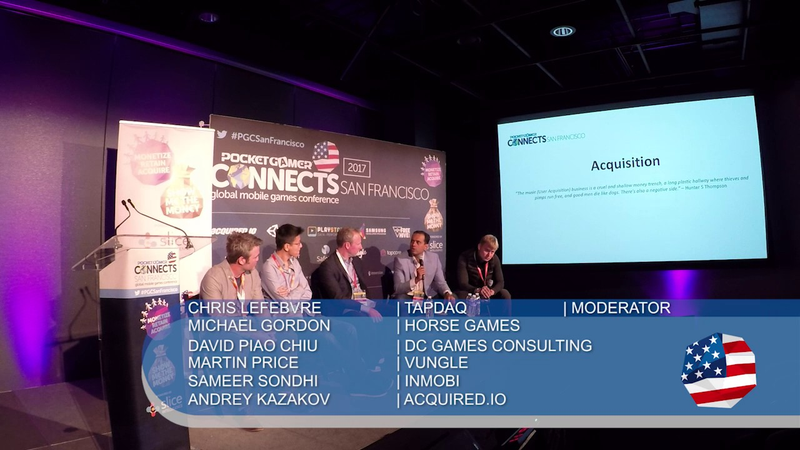
Don't go it alone – How choosing the right partner is key to success
Achieving sustainable growth in the mobile gaming industry requires a strategic alignment between a game’s core design and its user acquisition framework.
- Developers should implement a waterfall bidding strategy for game launches, setting specific deadlines for partners to submit bids to maximize revenue during the high-traffic opening weekend.
- To optimize monetization, developers should use placement segmentation to show ads to specific user groups, such as serving high-CPM ads to non-paying users while limiting ad exposure for those already engaged in in-app purchases.
- When selecting user acquisition partners, developers should define clear goals and budgets based on their game's genre and target geography rather than relying on a generic number of partners.

Balancing Cards in Clash Royale
The core objective of balancing in Clash Royale is to cultivate a dynamic and healthy meta-game that prioritizes strategic depth and gameplay variety.
- Balancing prioritizes maintaining the unique identity and soul of each unit over rigid mathematical formulas, using mechanical complexity as the primary differentiator between card rarities.
- The development team employs a standardized 10% increase in damage and hit points per level to ensure consistent unit interactions throughout the player progression experience.
- The balancing process relies on a synthesis of data analysis, community feedback, and developer intuition to identify gameplay gaps and monitor usage versus win rates across all skill levels.
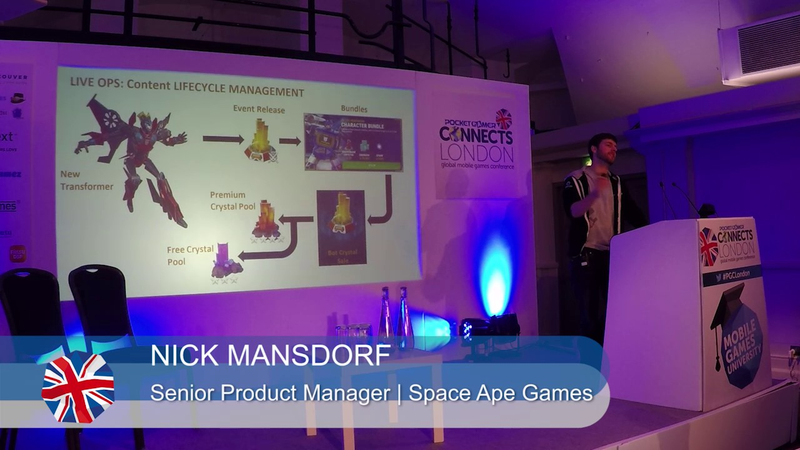
How Space Ape Games plans its live operations to keep its titles going for years
Space Ape Games utilizes a structured, data-driven approach to live operations (LiveOps) to extend the lifecycle of mobile titles and maintain player engagement.
- Space Ape Games integrates LiveOps into the initial development phase, evaluating every design decision for its long-term impact on game economies and player behavior.
- The studio manages content lifecycles by introducing high-value assets through exclusive, limited-time events before transitioning them into broader bundles and gacha pools.
- To prevent player burnout, the studio categorizes events by intensity—ranging from low-engagement 'one-finger' tasks to high-intensity 'four-finger' competitions—and schedules them in a predictable 'saga' cadence.
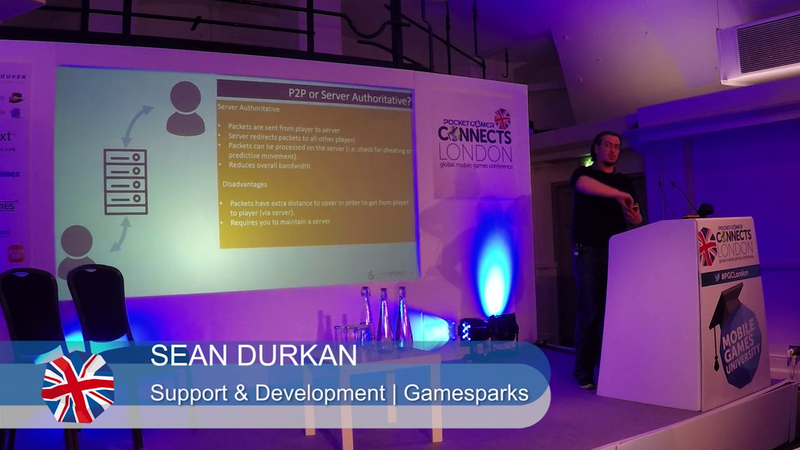
Race Kings port-mortem
The development of real-time multiplayer networking for mobile games presents unique challenges, primarily due to the inherent instability and bandwidth limitations of mobile networks.
- Hutch Games and GameSparks achieved a 60% reduction in packet size for Race Kings by utilizing an ordered UDP protocol instead of traditional TCP.
- The networking architecture prioritizes speed and flexibility by discarding outdated or late-arriving data, which is essential for maintaining synchronization in fast-paced mobile racing games.
- The platform employs a server-authoritative model to ensure robust cheat detection and centralized management of the game state.
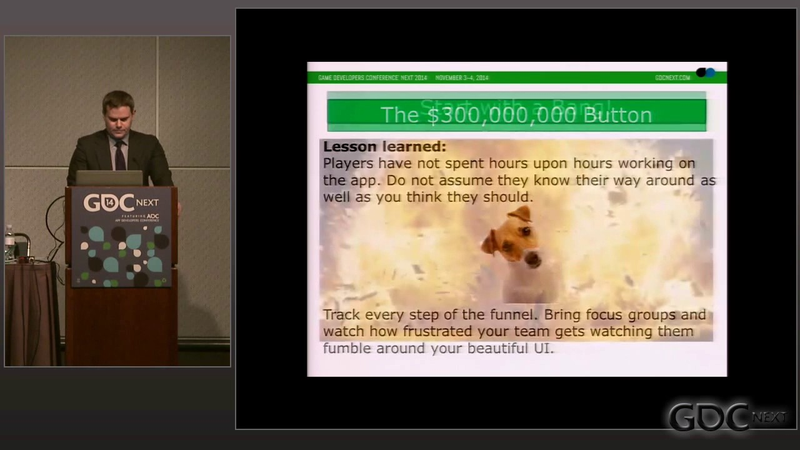
Finding Life for Game Monetization Beyond the Megahit
The primary objective of game monetization beyond the initial "megahit" phase is to extend the lifecycle and profitability of established titles through strategic ad integration, cost-efficient operations, and community management.
- Monetizing non-paying users through in-game video advertising is a viable strategy for extending the lifecycle of games that have passed their peak popularity, as evidenced by RockYou's 100 million dollar annual ad run rate in 2014.
- Programmatic video ads now account for 90% of RockYou's video revenue, with the company serving 1 billion impressions per month across its network.
- Optimizing user flows by removing unnecessary registration steps and tutorial friction is critical, as even minor UI hurdles can significantly increase user drop-off rates.

What To Do When You've Been Hacked
Game studios must transition from reactive security postures to proactive operational frameworks to effectively manage the inevitable reality of cyber incidents.
- Shift from reactive security to proactive operational frameworks by establishing a Directly Responsible Individual (DRI) model and cross-training teams to eliminate single-person dependencies.
- Minimize organizational liability by strictly limiting the collection of sensitive customer data and identifying bottlenecks within build and deployment pipelines.
- Maintain business continuity during a breach by utilizing pre-approved talking points and designating a single, authoritative spokesperson to ensure messaging is structured, factual, and unambiguous.
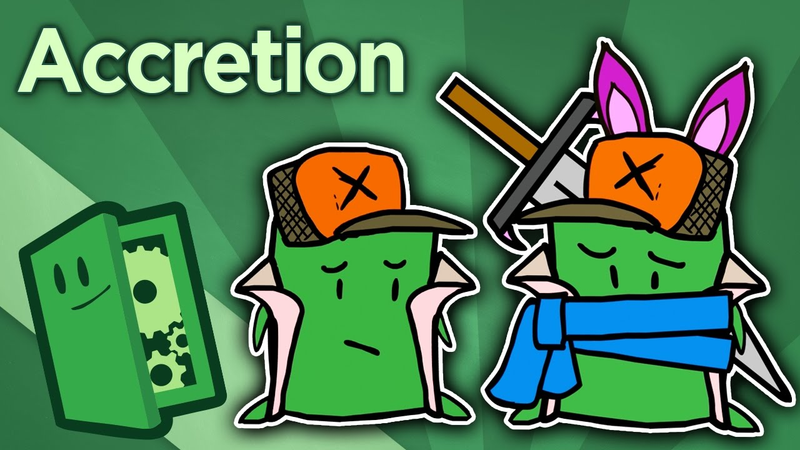
Accretion - Design by Landfill: A Longterm Strategy? - Extra Credits
Accretion, often described as design by landfill, is a development strategy where designers address broken or stagnant game mechanics by layering new systems on top of existing ones rather than refining or fixing the original code.
- Accretion, or 'design by landfill,' involves layering new game systems over broken or stagnant mechanics rather than refactoring existing code to maintain development speed.
- This strategy allows developers to bypass complex system integration and delicate balancing, enabling rapid iteration cycles for MMOs and annual franchises.
- By introducing new currencies and gear that render previous iterations obsolete, developers create a disposable design cycle that effectively mitigates player churn.
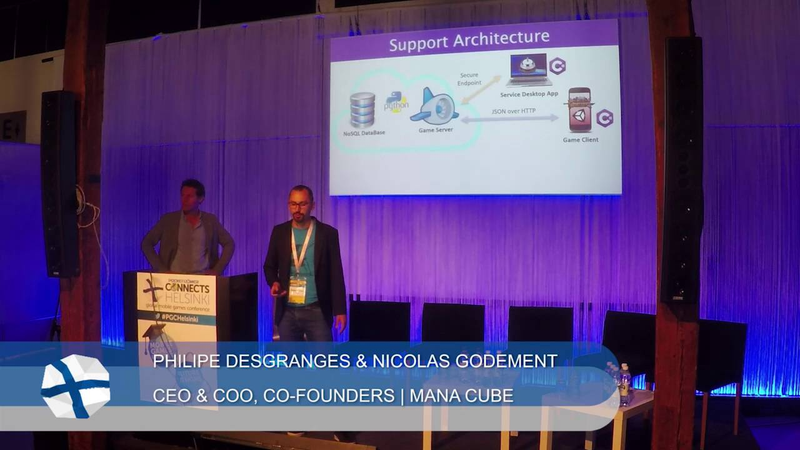
How to delight players with amazing customer service
The primary objective of this presentation is to demonstrate how small game development studios can scale high-quality customer service to improve player retention and brand loyalty.
- Treat customer service as a strategic marketing function rather than a reactive cost center to drive player retention and long-term brand loyalty.
- Integrate support tools directly into the game architecture to allow agents to access real-time player data, view payment histories, and modify save files instantly.
- Implement a 'player happiness' philosophy that mandates responding to all support inquiries within a 24-hour window.
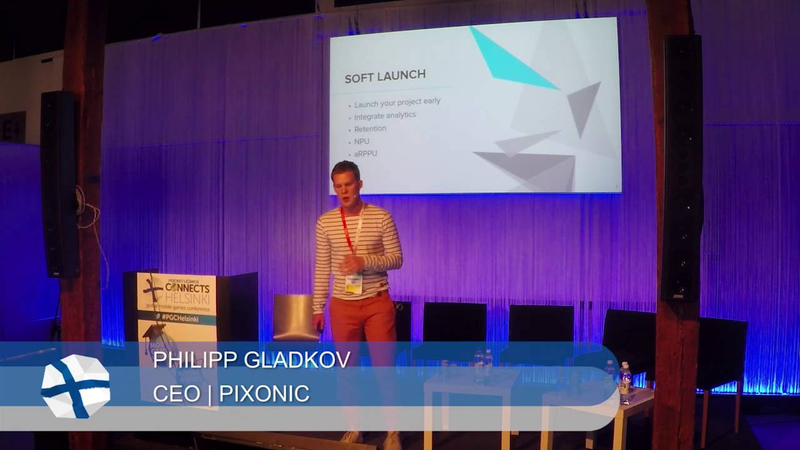
How Pixonic grew revenues for Walking War Robots from $0 to $1M a month
Pixonic’s strategy for scaling the mobile MMO shooter War Robots from zero to one million dollars in monthly revenue centers on a rigorous, data-driven approach to game development and financial management.
- Pixonic scaled War Robots to $1M in monthly revenue by utilizing factoring to bridge the gap between app store payment cycles and the need for rapid reinvestment in marketing and development.
- The company prioritized early-stage engagement metrics, specifically first-hour and first-day retention rates, over high-level content updates to validate product quality.
- A low-resource, small-scale experiment in the Japanese market successfully scaled to represent 20 percent of the game's total revenue.
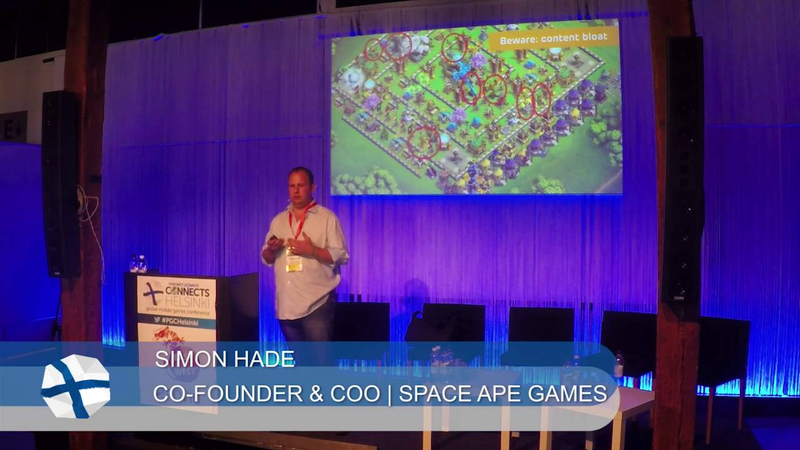
How Space Ape makes 30% to 50% of its revenue from in-game events
Space Ape Games utilizes a sophisticated live operations strategy to drive significant revenue and player retention across its build-and-battle titles, including Samurai Siege, Rival Kingdoms, and Transformers: Earth Wars.
- Space Ape Games generates 30% to 50% of its total revenue from in-game events across titles like Transformers: Earth Wars, Rival Kingdoms, and Samurai Siege.
- The studio utilizes a 1-3-2-4 intensity cadence for events, alternating between high-stakes alliance tournaments and lower-intensity personal engagement activities.
- A proprietary content management system allows non-technical staff to schedule and adjust events in real-time, bypassing the need for app store updates.
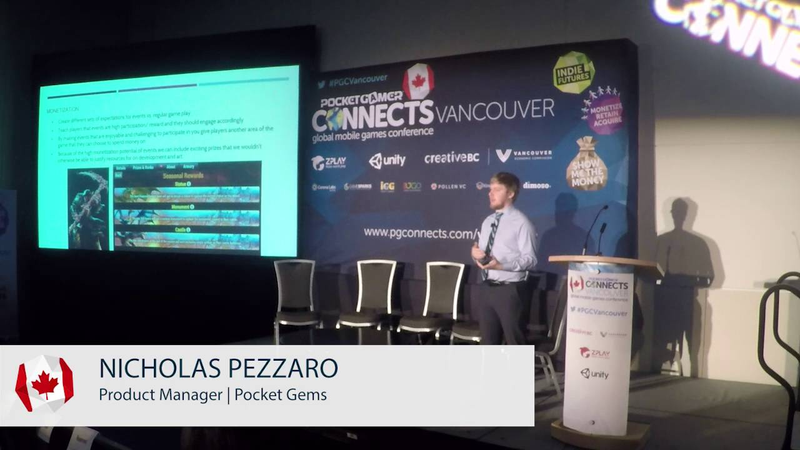
How in-game events can boost your monetisation, retention and gameplay variety
In-game events serve as a critical mechanism for mobile game developers to drive long-term engagement, revenue, and gameplay variety.
- Implement a server-side event system independent of core client code to enable rapid iteration, feature testing, and real-time responses to player feedback without permanent structural changes.
- Drive monetization by aligning high-value, limited-time bundles with event schedules to capitalize on periods of peak player engagement.
- Increase retention by segmenting event complexity, offering high-coordination challenges for veteran players and simpler objectives to facilitate onboarding for novices.