1 free read left. Create a free account for unlimited reading + AI research.
Create free account
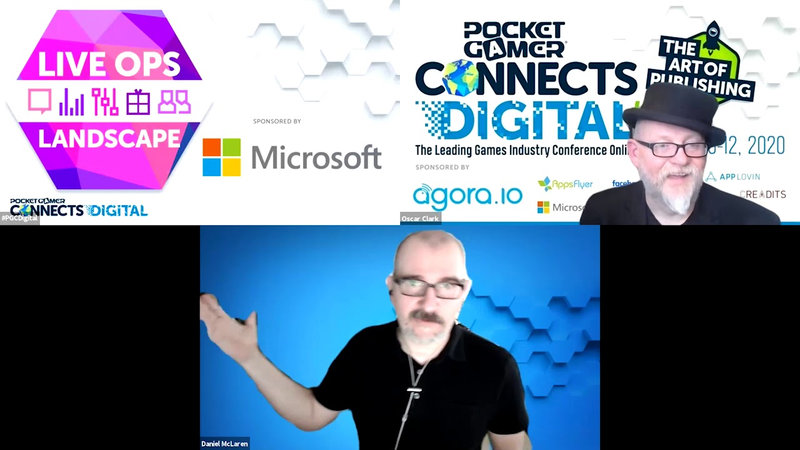
Fireside Chat: Demystifying Live Operations PG Connects Digital #2
Key insights
6 takeaways- 01The seasonal content model, as demonstrated by Path of Exile, is a highly effective strategy that allows players to take breaks without falling behind, thereby fostering long-term loyalty.
- 02Live operations should be treated as a service-oriented discipline that prioritizes long-term player retention and community stewardship over short-term revenue maximization.
- 03Effective live operations require a balance of quantitative data analysis and empathetic, human-focused teams to interpret trends and ensure design decisions resonate with players.
- 04Developers must integrate robust data analytics pipelines during the early stages of production to inform design decisions, rather than relying on anecdotal feedback from vocal minorities in forums.
- 05Studios should avoid aggressive monetization and excessive fear-of-missing-out (FOMO) mechanics, as these tactics risk alienating the broader player base.
- 06To ensure game longevity, studios should hire experienced, player-focused staff early in the production cycle to design sustainable progression loops and economic systems from day one.
Ask AI about this video
Transcript
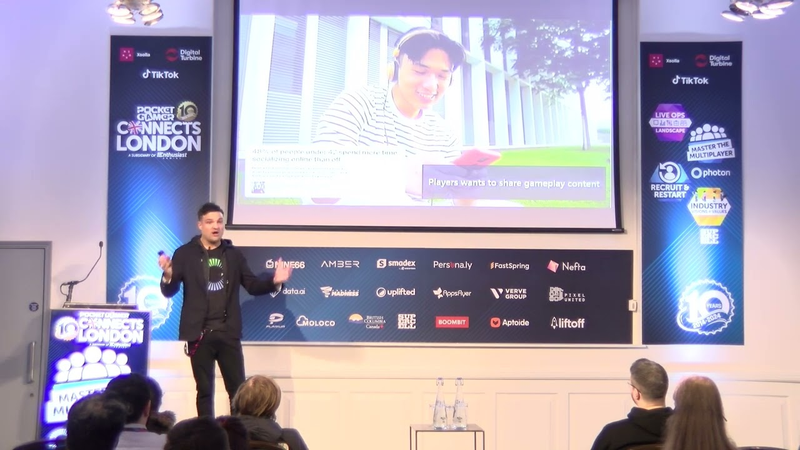
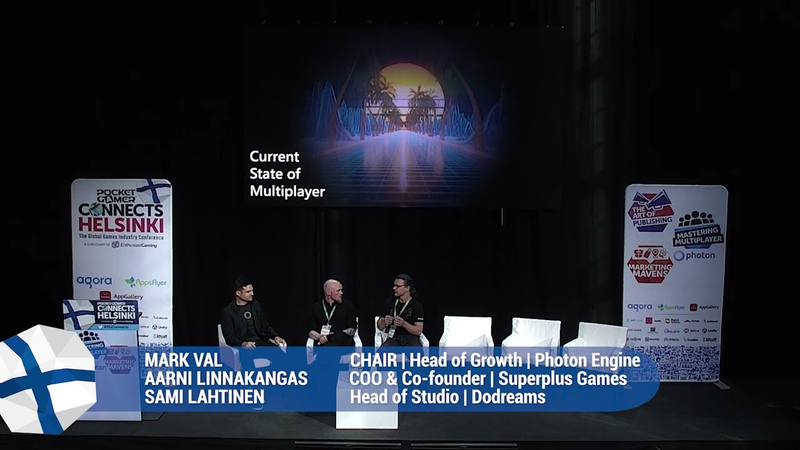
we're going to have a little fireside chat i don't have a fire easily to hand so you'll have to imagine it for me uh i'm uh delighted to be joined by um uh daniel mclaren from arenanet um of guild wars uh and et cetera et cetera uh daniel how are you doing how's things hey i'm well how are you today not bad not bad at all great so you know we've got so many things to talk about uh we had a quick chat over at the weekend um we probably could have carried on for about two days um so that turns out we're talkative yeah well who who'd have thought who the thought um so do you want to start off just like letting people know who you are and what you do and what you've done uh so i'm
obviously daniel mclaren the name in the corner there uh i have been in some form of live operations and game design for the last 15 years i started out in mmos and then i moved to mobile for a while i was the lead live designer for galaxy star wars galaxy heroes for several years and then i recently came over to arenanet as the senior manager of live operations to help them uh build something new and i'm getting to kind of implement a lot of the grand ideas i've always had about live operations so i'm kind of functioning in a dual role as the lead game designer in the early phase uh and and then i'll switch over to the full-time live options very much like following on tables thinking that you're definitely being given that meaning and structure an impact uh aspect so yeah so but what is liveo i mean i know we've had lots of people talking about it there's lots of parallels but for you what does liveops actually mean
i mean there's all the fancy stuff that people talk about but at the end of the day it's just serving your player that's really what it is we're in a service job a lot of people get into this job and they think like oh i want to make games because games really change my life or i really like this thing or you know i i've played a thousand hours and i want to go and work for this particular company um and i think it becomes a thing where it's more about serving yourself but the reality is it's like just because we're not standing in a drive-through window handing a bag of food to somebody doesn't mean we're not in customer service or player service ever and you see games fail all the time because they do what they want not what is right for the players so for me liveops is just saying who are our players why are they our players what are we doing right what are we doing wrong and what's the next step for us uh to make sure that seems to be
focusing on kind of like um realizing that the game is theirs they've bought it or they've they've invested their time in it and yeah that's a two-fold statement like it is theirs it is theirs and it belongs to them but it's ours as well we're still stewards and so there's this there's this interesting dichotomy where where there are times we have had to make decisions that were right for the people working on it to sustain it to to like it's hard to say because people just want to think everything should be super altruistic all the time but the reality is you have anywhere between 50 to 200 people who who they have families they have futures that they're planning for uh they have things that they want to do and so you know making revenue making sure that there's money in the bank uh surviving that's important and then the the live aspect is balancing that and not turning into like how do we squeeze blood from a stone into
how do we also make sure that the game will live for a long time uh isn't being undermined by immediate emotional desires uh but still capitalizes on making people feel players feel really good about it so it's it's i think that's i mean i mean this is i think why it matters but i think why not live is about creating the context for me anyways the context in which players who love the game already can get what they want from it and appreciate what they're getting and that appreciation comes in the form of them wanting to buy more things that they like that they want and i think if we don't get that cycle right like you say if we're trying to squeeze blood out of a stone right right all we do is make the situation more difficult or get really cynical right uh i mean i think that's the thing is there's so many people we talked about this when we had our call there's so many people who get into the games industry as investment or they they look at they go like oh
video games made more money than than movies or or books or or music i'm going to start a game company i'm going to invest in a game company i'm going to make all this all this money and and the i think the core problem is when you look at film and music and i'm sure i'm gonna ruffle i'm gonna ruffle somebody's feathers with the statement but i've worked in the music industry um and i've worked here and the film and music industry have formulas very specific formulas that they follow and they know how to gen there are people who are just like do this do this do this it's produced this way it's done this way um and they they understand what resonates with people games are as much tech as they are art and so you enter this thing where it's like unlike microsoft word rear where you look at this list you go like people need to you have to be able to print you have to be able to check grammar all this stuff we can build that and there's a creative aspect to the ux experience but in games you can check every box and build a technically perfect game and
it can crater which we see all the time you can build a game that's not that's technically really rough but resonates so deeply with people and and that's the hardest part there's no formula that really tells you oh man this is the magic sauce we build in the beginning and then we deploy and we go oh this is really resonating and then we you know you'll shift gears or we can't just take the full chords to every song that is a hit well not with that attitude come on buddy so okay so um obviously you know we've gone from the era of box product uh we've seen people moving to free to play or not uh and pay up front still does operate um why are companies looking at live ops what is important from a player point of view for it but also what's important from the company point of view so there's two i think there's well there's a handful of avenues for this but i think there's two primary
divisions right the first is hey uh normally when we build a box product and we sell it there's this two-week uh lifespan where it's like our revenue is built in this two weeks unless you're grand theft auto and then you just have this apparently eternal revenue stream which is amazing but if you're not that uh it's that hey ship it you know that's why there's this aggressive there's always kind of been this aggressive anti-piracy for the first two weeks sort of a push like get as many units sold as you can because you really need to make back that uh that investment and it might be longer in two weeks but but you kind of get what i'm saying and so so a lot of people who [Music] have come up in that model have a hard time seeing live ops beyond oh okay well you know we no longer have to do the traditional expansion pack we can do dlc so smaller kind of stuff and they see that as kind of their live plan of like hey we're going to have you go buy a season
pass and this is going to come out and it's going to come out and it's going to come out which is fine i think that's i i actually don't have anything wrong with it as long as the dlc is feels valuable to the player right is giving the player what they want but then the other side of it is i think kind of the school that i came up into because i came up through mmos and that's what i have just generally always worked on the concept was well no day one means the start of actual we just developed to get it to this point and now what we're doing beyond this and of course mmo's still had that when i started uh mmo still had the like hey we'll sell the box for 60 bucks and then we're going to sell an expansion and that'll be 60 bucks and and then it has evolved through this kind of mobile uh influence a positive mobile influence which is wait a minute what if the game is just something that people always want to play and we just continue to provide them offerings to be a part of it i think guild wars 2 which was i did not work on that i
wasn't part of that team but one of the things that really set them apart was their buy it for 60 bucks and then you know there's no subscription fee we'll have this gem store and that really was kind of the first one of the first major titles to introduce this uh um this new uh revenue and i believe kristin cox who's on another one of the talks in here so if you get a chance go and see kristen cox's talks she worked for arena yeah she's fantastic yeah she is um so i think those are the kind of the two two schools and i think they're very rapidly merging i think so we we refer to it as a hybrid model when we're talking to investors who are interested in it because i think you know increasingly that need to be able to think about the the shadow of the game post-release is so critical i i i do have a slight i know you don't have a particular problem with dlc i do the reason i do is because it's almost always too late um you know people talk about you know
great dlc fantastic i love dlc but if you do it if you don't release it early enough um you basically have no momentum left because everyone's playing the game finished getting on with something else if you release it too early you irritate people because they think it should have been in the original game right now you're going to cut the game down right yeah it becomes this concept of like oh we cut this thing i i'm i'm actually in full agreement with you there uh i think the so i'll i'll pick on xenoblade chronicles 2 for a second here i loved that game for the switch i thought it was great uh and i was really hyped for their dlc by the time their final dlc pack came out which was like a full second kind of game attached to it it was already a year down the road and i just wasn't into it i was like well i'm i this game doesn't have the kind of replay ability for me uh that i was going to sit and play frequently enough that when the dlc that
final dlc pack which i was excited for at the beginning it didn't resonate with me and and that's the um i think that's really what i see dlc as especially in that regard especially like the um these oh hey we're going to release these small things and those kind of big thing at the end it is really just a shot for okay now it's the definitive edition we'll release it and we'll we'll get a second bump in in sales which is a fine tactic yeah i mean there are some games where it has worked for me i mean particularly all out games i just wanted to play oh new vegas yeah yeah exactly but about a year down the line i've probably played a thousand games i mean okay maybe i'm a bit of an exception but um you're trying to think about that like for example i know breath of the wild is an amazing game i have tried three separate occasions to play it and every time i have to go and restart from the start because i've forgotten all the nuances of play yeah i think that's why i highly favor
the seasonal model that path of exile has really kind of been pioneering uh and it's something that i i think that that or some evolution of that is really kind of the next phase of where we're moving it's the thing that i'm focusing on as well where you say hey there's always a standard mode you can always play you never lose your wealth everything you've ever earned is always going to be there you can play the game how you want in it but every season there's this kind of fresh restart there's a fresh mechanic there's something fresh happening and you can come in you can play your your everybody's on equal ground at the start and it has i love here's the thing that i love and this feels contrary to a lot of what i was taught coming up in this industry and conversations that i've sat in boardrooms and and heard i love the fact that path of exile signals to the player hey it's okay to stop playing right now go
play cyberpunk 2077 for six months and then come back when the next season starts if you want there's always a point to re-enter the game there's always a point to learn what's going on now i'll pick on them i love them but they have the worst new user experience and the worst like learning curve there but but yeah it shows that anybody can get back in even when you're burned out i've got 2500 plus hours in that game uh and there are times where i take it yeah i i mean there are times where i take six eight nine months off and then i come back and i'm hardcore for a period so i think that's a i think we'll see that evolve and i think that's going to be a core space for for people who are thinking about what does it mean to have my game live and to not fall into the traditional mmo problem of oh man we have all this content nobody can use or touch or see we have to accelerate them through et cetera
no exactly i think that's really that's really key i think seasonality like that is so it's so interesting particularly i think it's also an area that mobile can learn from you know pc and console in general but i think particularly though it's a frequency of that so should that be weekly should that be monthly should that be quarterly i think aim is going to be very different isn't it yeah i i um i think that's the that that is the key uh if you look at path of exile they've settled into a quarterly structure and i personally very much favor this structure because i like the concept of three quarters where lighter mechanics are being introduced something that a smaller team can handle while the full power of the death star can be focused on building that quarter four big dlc that's going to define the next cycle of story of content of of antagonists
etc like i i really think that's clever uh because it they've done it in a way where they're like we know we can develop in this window of time and you know it's going to work for us so so for me uh that's what i would start with and then looking at your players looking at the response looking at your content pipeline um your team size etc you can start to adjust too too long and it just gets boring and there's no reason to come back too short and you're going to put yourself you know it and you don't and the other thing is we just saw this with destiny in their announcement um earlier this week uh the game director luke just apologized for the whole fomo uh fear of missing out uh element that he's like hey i take blame for that i'm sorry we want to try to get rid of that fomo experience and i do too i don't want people to ever feel like you're missing out and the nice thing is seasons is you can say if you don't want to participate in a season don't worry everything's still going to come to you just might be
you're going to be a season behind but you'll still get it you can still participate in it uh you know and and it's not gonna you're not gonna have this detrimental experience and i i really really favor that i feel like i feel like giving the player options is really what live operations is about i'm not against fear of missing out per se what i am against is when it becomes a big stick to beat you sure sure well when it's the core experience right like if almost if fomo is your core experience you fundamentally fall into the trap of anybody who comes into the game 365 days later is perpetually behind and can never be on even if they're hardcore you're gonna have to buy an account right off of one of these black market sites where you're like well if i want all of this stuff that i didn't even know about the game i didn't have a chance
you know and i just i think i think that i have found the best way to deal with content that might normally fall into the fomo category is to actually get that content behind harder challenges to say it's always gonna be there but probably only two percent are gonna get it yeah exactly so so i think there's a way to balance this i think that you know well i think actually i'm going to go through a mobile version which i think is an interesting one so subway surfers has a lighter touch version of it which is you go to a city and you explore the city so you go to you know roam or whatever you get rome based items by doing it and then you're not gonna see that again for a year yeah but when you do it becomes a vertical criminally it's fresh for people not done it and the people and there's always new stuff in that space
yeah i think that way of thinking whether it's the right specific right way of thinking actually we can re-energize all this stuff that we've made yeah yeah absolutely and and look i i think it is highly dependent on your audience and that's just it like if i was building a hardcore souls-like hyper-aggressive game then yeah then perhaps something like where it's like hey it doesn't come back or at all or maybe it's only achievable because we're specifically targeting uh these these hardcore players like i think that absolutely works if you have a game more i don't want to say casual because i don't i don't necessarily mean it that way but but if the game approach is hey we're a little bit more laid back it's not necessarily about this hardcore grind there might be a grind but it's it's more on your turn then it becomes a time thing i think is where you lean into that i think it's
just that's the part i guess that's the part about live operations that is important to kind of communicate to people and that is it's about your it's about your player base the right answer isn't something that i'm telling you right now oh you should do seasons and you should have no fomo and you should do this thing like that's all wrong answers if it's not right for your audience like a good live team a good game team period is thinking about retention above all else yeah uh because no return i told to see you i don't care about arpabu because you could have a million dollar arp boo and have 10 people in your game okay great awesome that's not doing anything for me i care about it only in the relationship of of retention and my primary focus is how do i convert people who come through our game into retained good
players and how do i keep those players happy when there's so many other things they could be doing their time is valuable to me i want to respect that and i have a hard time working with individuals who are cynical about the player's time and investment absolutely great so what does the game need to have to be able to do that you know what is it about a game that makes you go yep we can make that work that's a that's such a broad question uh because every game is largely different it's a thing that keeps red dead online um connected with people the same as you know uh a mobile game i think foundationally from a non-player-facing perspective and a bit from player facing it's the it's the uh pipeline behind the scenes right it's the we planned for this to have a live component
uh or to be rooted in live operations it is that we prepared from a design perspective a progression system an economy system because the the thing that i see that really hurts a lot of games is no real reward planning no real progression planning no real long term and so you wind up with like 5 000 currencies in the game and you have to keep expiring them or uh converting them or you know and that's a very very common problem uh and then a tool set right like i've been at companies where i have literally asked basic things like what's our what's our retention over the first 60 days and the question and the answer comes back is like i don't know like so so a data system a data system that that you can ask the right questions and because so i was listening a bit to the last talk and it's like yeah put everybody into uh you know handle customer tickets for for a week or a month or whatever but
that's a dangerous thing because now you're dealing with anecdotal evidence right and anecdotal evidence can be hyper deceptive as we've seen you know in the everquest days with the with the message boards and um you know even early wow days with the message boards where you have a very narrow minority who's saying things like it should be this and then you do it and you see your numbers go down you're like i don't i i gave you that why i have always used customer tickets reddit forums etc as the where there's smoke there might be fire and i will say oh this is something i have never even thought to ask in the data space so what is this what's happening let me go and see if i can extrapolate from data is this impacting retention is this impacting the primary um committed user group or whatever it is so so i think having a plan from the start what is this game what's supposed to be live and having the tools in place is how you get to that how you get to that spot yeah no totally very and i think um it's
actually interesting you mentioned everquest i remember having a chat with john smedley when i was at home and uh yeah they have actually they had a massive tool called someone at the back end i don't know if you remember that um which was actually looking at what people were doing so they could see there was something going wrong in a game yeah looking at accelerometer showing how many people were currently in that space like that kind of having the ability to ask the right questions i think is so key and to get the right answers so a lot of times you can ask the right question and data can give you the wrong answer and so it's really important to have experienced analysts and a data scientist on board and when i say experience i don't just mean hey they know how to write the queries and pull the queries that is obviously a very key element but i am really in favor of hiring analysts who are uh empathetic people focused and so that they can challenge backwards and go man that
seems kind of i don't know if that's the question i don't know if that's the right question because of our players are like this right i want i want to surround us with as many empathetic and people-focused developers as possible because we all fall in and out of you know we all have good days and bad days and i want as many people who have the best interest of the player at heart around so that everybody can challenge everybody like whoa why are we doing that that feels cynical you know and help us ask the right questions and help us define the right answers from all of the data the anecdotal and the hard data because sometimes hard data misses what the anecdotal will show you so i think sentiment analysis in some form whether it's valuable listening to our examples or actually asking survey questions or actually giving some machine learning doesn't really matter yeah what matters is we listen to people absolutely absolutely but i think that i think this is one i remember ben cousins
when he was doing um uh battlefield online he was about right i think it was um they were they were gonna put um um in-app purchases for weapons in and completely destroyed by the community the very same people brought those weapons yeah yeah they spend the most money yeah and it's tough because it is hard to i i feel for um a lot of established teams who came up in a in a traditional mindset trying to adjust to live uh and i even feel bad for people who are in life killing being afraid to kill the golden goose right where you look at something you're like i have a revenue stream and it's working but i can't grow it and i'm afraid if i make this decision i'm gonna not only not do what we were hoping to do but i'm gonna actually kill our our primary survival stream it is not easy and i
have found myself in positions where i've had to say like i hope you know you're just relying on your experience you're like i know this is i know that this is the right thing so instead of like you know dropping the bomb on the players let's see if we can roll this off slowly and try to come up with a plan what happens if it what happens if it does impact our primary revenue stream etc so that's that's it's yeah i could i can completely empathize with that situation so uh we're we're about to have time i'm gonna just ask you one last question um what is the one thing that you say you would say to somebody to demystify live ops for a developer uh get somebody in at the beginning who is uh people focused and live focused that's a that's a hard thing to do right now there's not a lot of us out there um not that i'm not elevating myself it's just like it's a relatively new newly understood field and there's still a lot of exploration that's happening
and um so getting somebody in early who is a part of the design process and the game production process to say why is this progression loop this way you know what is this design focus how is this going to support our 500 or our 2500 um you know that's it's just like anything else how can you make design better well hiring a hiring good good design staff right uh you know having respect for your people listening to them being being a part of it like there's no secret sauce it's it comes through i think experience mistakes successes and finding somebody who's got that under their belt is invaluable which is like a no duh right like oh if i could just find the best designer who's got all this great yeah no i get it i get it but i i there's there's no shortcut to hard work no no exactly i mean for me it's basically having somebody who loves the player i mean i know that sounds cliche and kind of like you know wet but it's not i think actually
you know like you say you know you've got to be people focused you've got to give a crap about what experience the players are going to have number one and only through that do you get retention only through retention do you get revenue on that note thank you so much that was fantastic my pleasure thank you
Summary
Live operations serve as a critical bridge between game development and long-term player engagement. The primary thesis of this discussion is that live operations are fundamentally a service-oriented discipline, requiring developers to act as stewards of a game’s community rather than merely seeking to maximize short-term revenue. By prioritizing player retention over aggressive monetization, studios can create sustainable, long-term value. The industry is currently shifting from traditional box-product models toward hybrid, service-based frameworks that emphasize ongoing content delivery and seasonal engagement.
Key findings highlight that successful live operations require a robust, data-informed pipeline established during the early stages of development. Relying solely on anecdotal feedback from forums or customer tickets can be misleading, as these sources often represent a vocal minority. Instead, developers should utilize data analytics to identify trends, while simultaneously employing empathetic, people-focused teams to interpret that data. This balance ensures that design decisions resonate with the broader player base rather than alienating them with cynical monetization tactics or excessive fear-of-missing-out (FOMO) mechanics.
The discussion emphasizes that there is no universal formula for success, as the right strategy depends heavily on the specific audience and the nature of the game. However, the seasonal model—exemplified by titles like Path of Exile—is identified as a highly effective approach. This structure allows for periodic content refreshes that enable players to take breaks without feeling permanently behind, thereby respecting their time and fostering long-term loyalty. Ultimately, the most effective live operations strategy involves hiring experienced, player-focused staff early in the production cycle to ensure that progression loops and economic systems are designed to support the game’s longevity from day one.













Comments