Japan gaming industry reports and market data
Documents

Analysing the Japanese games market
The Japanese games market represents a significant, high-revenue territory that remains distinct from other Asian markets like China and South Korea.
- The Japanese market is highly insular, with top-grossing charts consistently dominated by local publishers who possess the specific cultural expertise required to satisfy domestic consumer preferences.
- Successful market entry requires deep localization that goes beyond translation to include Japanese-specific UX expectations, such as providing 'kind' and highly guided onboarding processes.
- Western developers should avoid creating broad, diluted products for multiple Asian markets and instead focus on audience-specific design tailored exclusively to the Japanese consumer.
Nintendo E3 Press Conference | Games ReCAP Episode 003
Nintendo occupies a distinct position within the global gaming industry by deliberately eschewing the hardware arms race for graphical fidelity in favor of accessible, stylized gameplay and robust first-party intellectual property.
- Nintendo maintains market relevance by prioritizing stylized, accessible gameplay and first-party intellectual property over the industry-wide arms race for graphical fidelity.
- The Nintendo Switch platform successfully balances a dual-content strategy by integrating nostalgic remakes like Link’s Awakening with innovative titles like Mario Maker and third-party software.
- Nintendo’s brand strategy mirrors that of Disney, focusing on long-term brand equity and consistent, player-centric design to differentiate itself from competitors’ hardcore, corporate aesthetics.

ゲーム障害に関する調査・研究の取り組みについて
The Japanese gaming industry, represented by the Computer Entertainment Supplier’s Association, the Japan Online Game Association, the Mobile Content Forum, and the Japan eSports Union, has initiated a formal research project to address the classification of gaming disorder by the World Health Organization.
- Four major Japanese gaming industry associations—CESA, JOGA, MCF, and JeSU—have launched a formal research project to address the WHO's classification of gaming disorder.
- The initiative is led by an independent research committee headed by Professor Akira Sakamoto to ensure academic rigor and impartiality in studying gaming behaviors.
- The project aims to replace speculation with scientific evidence to guide industry standards and public policy regarding excessive gaming.

Digital marketing in Asia (China, Japan and South Korea)
The digital marketing landscape in Asia—specifically China, Japan, and South Korea—requires a multifaceted strategy that balances paid performance-based advertising with organic engagement.
- In the Chinese market, companies should prioritize organic search and social strategies alongside paid media, specifically leveraging Baidu SEO and WeChat subscription accounts to build community engagement.
- WeChat is the dominant platform for interactive marketing in China, offering superior functionality compared to Western social media for gathering user feedback and managing direct communication through subscription accounts.
- For successful market entry in Japan, utilize pre-order platforms one month before product launch to capture feedback from the country's highly penetrated gamer demographic.
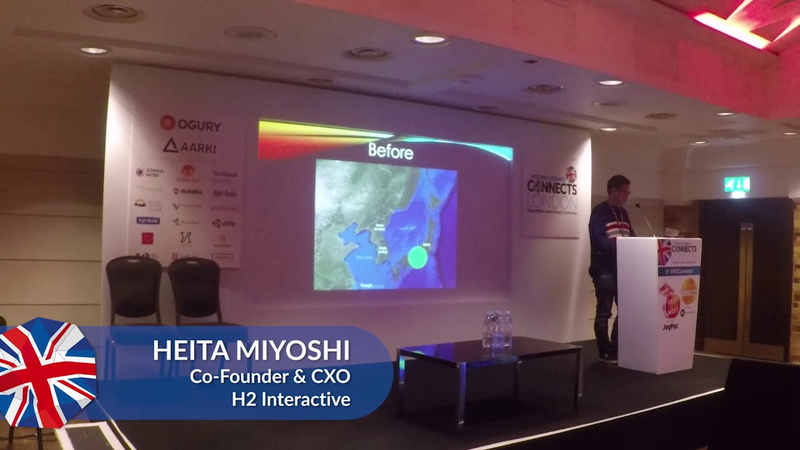
Meet the Dragon's neighbours – South Korea and Japan
The gaming landscapes of South Korea and Japan, while geographically proximate and technologically advanced, exhibit distinct cultural behaviors and consumer preferences that dictate market entry strategies.
- South Korean gamers exhibit a fast-paced lifestyle, leading to short game life cycles and a high demand for constant updates, whereas Japanese gamers are more patient and often retain a single game for months or years.
- Cultural differences in social pressure significantly impact user behavior; South Korean consumers feel intense pressure to follow trends and maintain 'proper' age-appropriate activities, while Japanese consumers experience less social pressure and demonstrate greater patience.
- The gaming landscape in East Asia has shifted from a Japan-centric market in the 1990s to a tripartite industry involving China, South Korea, and Japan, driven by the emergence of internet cafes and mobile gaming.

A Westerner's guide to the Japanese games market
The Japanese mobile gaming market represents a significant growth opportunity for Western developers, provided they approach the region with cultural sensitivity and a long-term strategic mindset.
- Success in the Japanese mobile market requires a local partner or team member to validate assumptions and navigate the industry, helping developers avoid the 'gaijin' trap.
- Western studios should prioritize their own authentic cultural identity rather than attempting to mimic Japanese anime aesthetics, as there is a specific market demand for non-Japanese media.
- Professional localization is mandatory, as poor translation quality directly correlates to a decrease in a game's perceived value and player immersion.
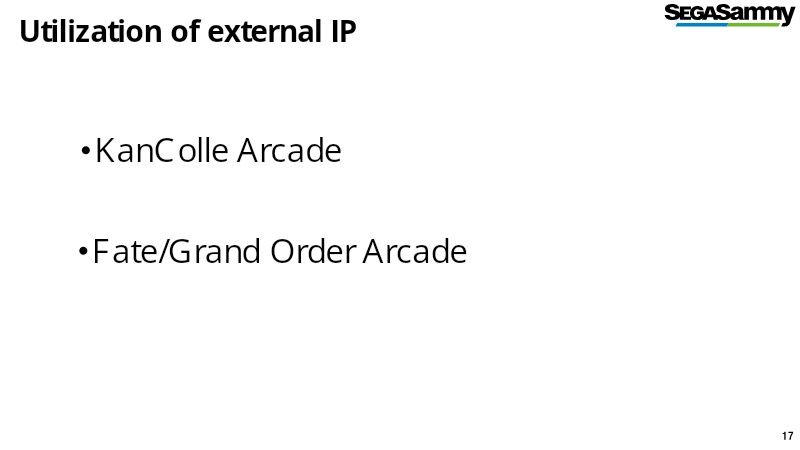
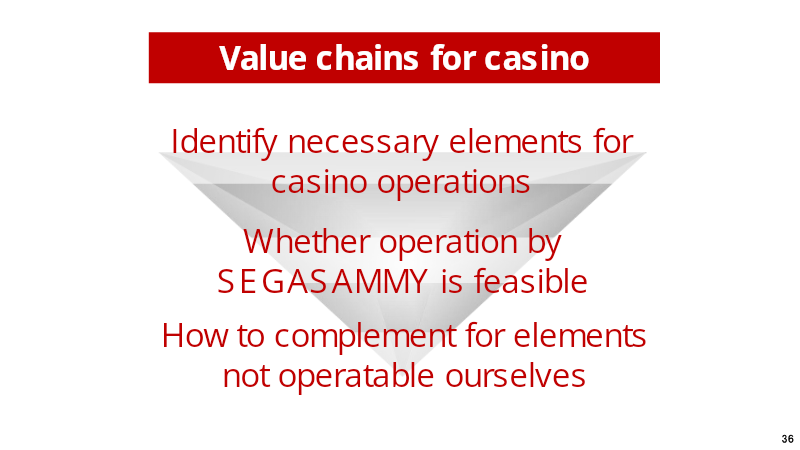

Sega Sammy Management Meeting
Sega Sammy is executing a multifaceted strategic transformation aimed at stabilizing its traditional gaming operations while aggressively pursuing global growth through digital distribution and casino expansion.
- Sega Sammy is consolidating its mobile and console development teams to maximize long-tail revenue through consistent content updates on platforms like Steam.
- The company is standardizing its hardware platforms under the ZEEG brand to improve operational efficiency across its gaming portfolio.
- Strategic expansion into the North American casino market is underway, supported by the successful acquisition of Nevada gaming licenses.

Ma, The Space Between - Uncluttered Game Design - Extra Credits
The concept of ma, a Japanese term representing space, rest, or emptiness, serves as a vital design philosophy for creating impactful, uncluttered video games.
- The Japanese concept of 'ma' posits that negative space is not an absence of content, but a vital, inseparable component that allows players to process narrative and emotional beats.
- Modern AAA game design often suffers from a relentless pace that prioritizes constant action, which can prevent players from forming a personal connection with the game world.
- Games like The Witcher 3, Shadow of the Colossus, and God of War demonstrate that quiet moments of traversal and exploration are essential for giving subsequent action-oriented segments greater weight.

Visual Novels: Narrative Design in Virtue's Last Reward
Visual novels represent a distinct sub-genre of adventure games defined by a primary focus on narrative-driven selectivity.
- Visual novels differentiate themselves from passive media by using narrative-driven selectivity, where player choices fundamentally alter event progression within established rules.
- Advanced narrative design in titles like Virtue's Last Reward and Kamaitachi no Yoru shifts from rigid programming flags to mechanics that require players to apply knowledge gathered across disparate timelines.
- By blurring the line between player intellect and protagonist capabilities, developers can manipulate player discomfort to deepen thematic resonance and narrative immersion.
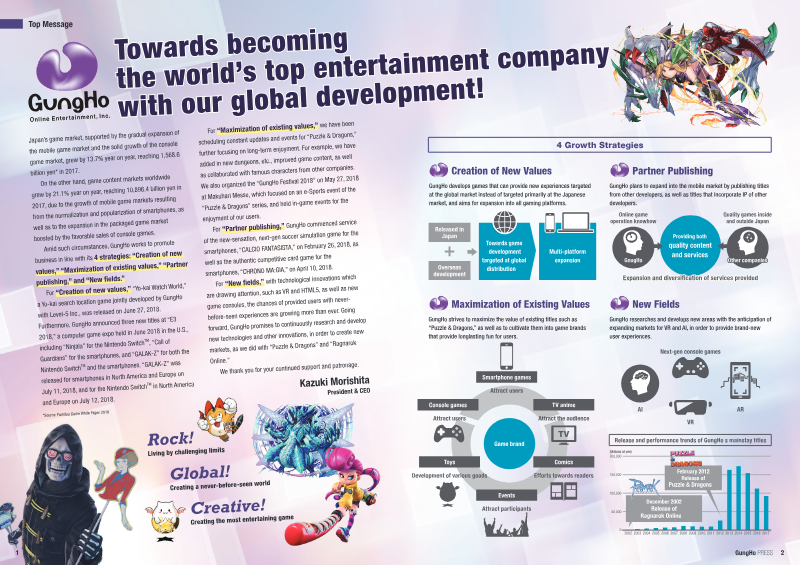
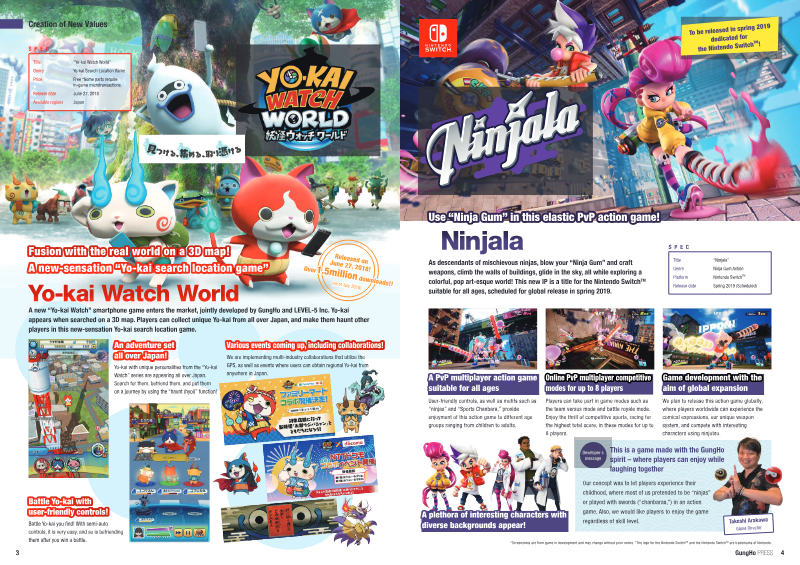

Yo-kai Watch World: Market Summary
GungHo Online Entertainment, Inc. is executing a strategic pivot toward global market expansion to mitigate the effects of a maturing domestic Japanese mobile gaming sector.
- GungHo Online Entertainment is shifting from a Japan-centric mobile model to a global, multi-platform strategy to counter the maturing domestic market.
- The company is diversifying its development pipeline beyond smartphones to include console and PC platforms to reach international audiences.
- Flagship title Puzzle & Dragons remains the primary revenue driver, sustained through continuous updates, in-game events, and high-profile collaborations.

Photorealism Through the Eyes of a FOX: The Core of Metal Gear Solid Ground Zeroes (Sponsored)
Kojima Productions developed the proprietary Fox Engine to establish a new standard for photorealism in the Metal Gear Solid franchise, specifically targeting the transition to physically based rendering (PBR).
- Kojima Productions developed the proprietary Fox Engine to transition the Metal Gear Solid franchise to a physically based rendering (PBR) pipeline using a linear space workflow.
- The engine achieves photorealism by integrating raw photographic data and 3D scanning of physical sculptures and environmental objects to create accurate models.
- The deferred rendering pipeline utilizes a G-buffer to manage complex material properties, including subsurface scattering, anisotropic specular highlights, and view-dependent roughness.
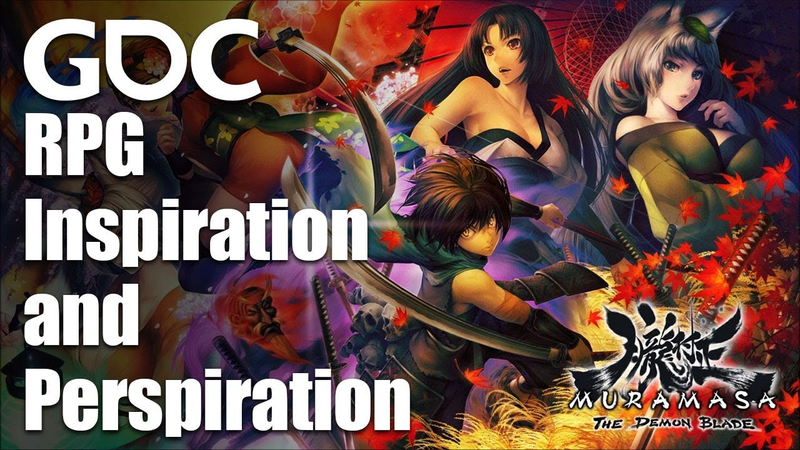
RPG Development: Inspiration and Perspiration
Successful role-playing game development hinges on the ability to ground expansive fantasy worlds in relatable, realistic details that foster deep player immersion.
- To improve player retention, developers must avoid overwhelming users with too many simultaneous decisions, such as combining complex puzzles, environmental hazards, and combat in a single sequence.
- Incorporating realistic, relatable elements into NPC behavior—such as giving villagers unique AI-driven stories and opinions—helps players emotionally connect with the game world.
- Designing gameplay loops in a circular, intuitive form rather than linear, repetitive tasks reduces player fatigue and creates a more engaging, less boring experience.