Investment reports and market data
Documents
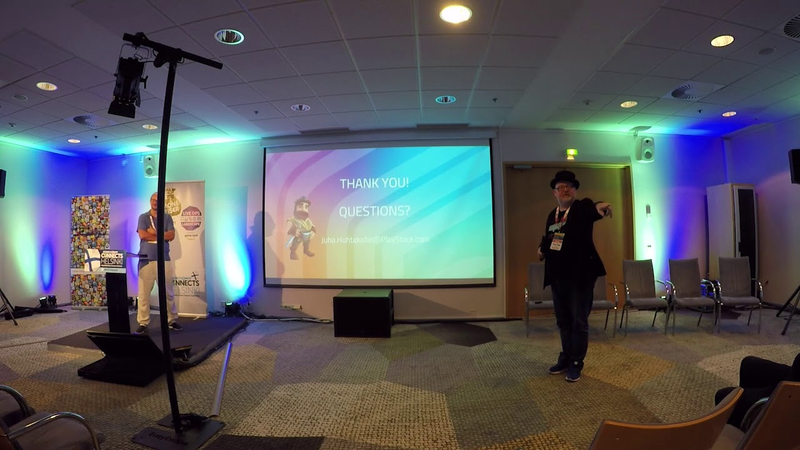
PlayStack Helsinki - The new publisher and fund in the Nordics, Baltics and Russia
PlayStack, a global publisher and funding entity, has established a new regional office in Helsinki to support game developers across Finland, the Nordics, the Baltics, and Russia.
- PlayStack has opened a new Helsinki office to provide publishing, capital investment, and marketing support to developers across the Nordics, Baltics, and Russia.
- The firm targets 12 to 15 publishing projects annually, offering up to $1 million in funding per title.
- The organization operates through a tripartite model: PlayStack for publishing, PlayFund for capital investment, and PlayIgnite for user acquisition and marketing.
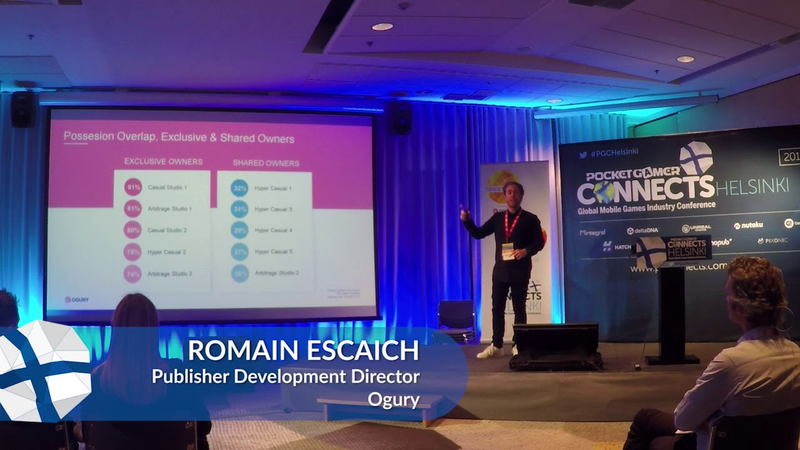
Levelling up – How to move from a small indie to an established publisher
The mobile gaming sector is currently defined by the rapid expansion of hyper-casual titles, which attract a vast, predominantly male demographic.
- Transitioning from microtransaction-heavy models to ad-driven revenue streams allows studios to achieve profitability in as little as three months, compared to the 12 to 15 months required by traditional development cycles.
- To combat high user churn in hyper-casual titles, studios must build interconnected ecosystems that leverage cross-app usage data to retain players within their own portfolios.
- Scaling operations effectively requires outsourcing ad operations and SDK management to third parties, allowing internal teams to focus resources on core game design and creative innovation.
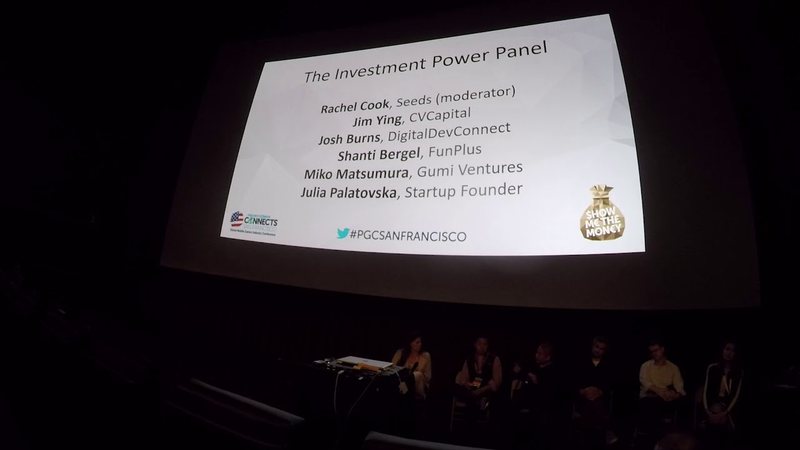
The games industry investment power panel
The modern gaming investment landscape is defined by a strategic tension between traditional venture capital models and the experimental integration of blockchain technology.
- The games industry is shifting toward 'crypto-fueled' platforms where tokens act as the connective tissue across diverse gaming experiences, potentially replacing traditional user-base-centric distribution models.
- Blockchain technology offers a solution to international payment friction, enabling developers to create low-cost referral networks by issuing micro-payments to streamers and influencers globally.
- Decentralization in gaming aims to block 'economic free-riders' who extract value from communities, instead incentivizing users to contribute to a self-inflating, value-driven network.
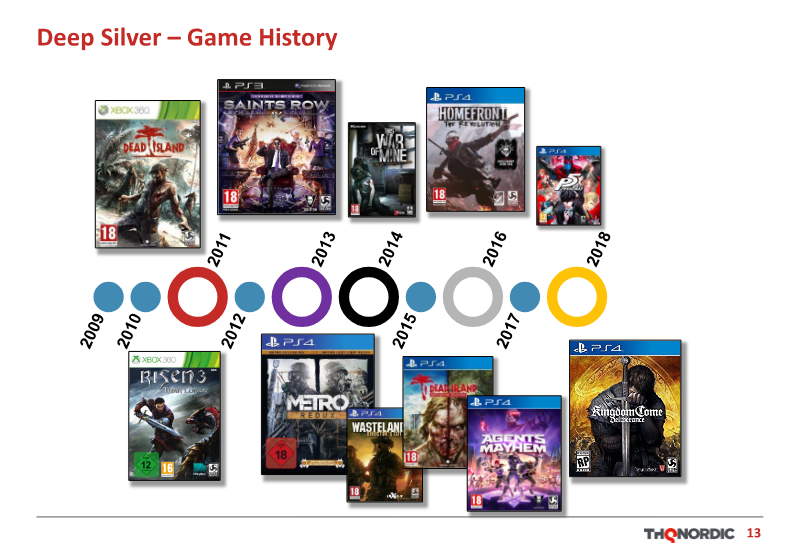


Capital Markets Day 2018
THQ Nordic’s 2018 growth strategy centers on a dual-track approach of aggressive mergers and acquisitions paired with a disciplined asset care model.
- THQ Nordic is executing a dual-track growth strategy centered on aggressive M&A and the revitalization of existing AAA intellectual properties like Darksiders and Titan Quest.
- The acquisition of Koch Media provides the company with a critical infrastructure for distribution, marketing, and logistics across the European market.
- The company is managing a robust development pipeline of 54 projects, supported by data-driven UX research and integrated studio operations.
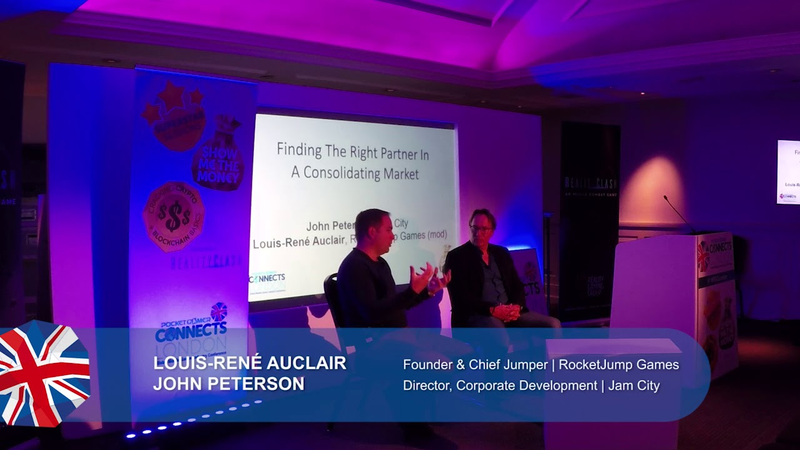
Finding the right partner in a consolidating market
The corporate development strategy at Jam City centers on leveraging mergers and acquisitions to drive long-term growth and diversification within the mobile gaming industry.
- Jam City’s corporate development strategy prioritizes M&A over organic growth to scale its casual and mid-core mobile gaming portfolio.
- The company targets studios with proven track records or high-potential soft-launch projects, providing them with centralized operational support, infrastructure, and machine learning capabilities.
- Acquisition targets are strictly limited to mobile-only titles in North America, Europe, and South America, with an explicit exclusion of PC, VR, and AR gaming sectors.
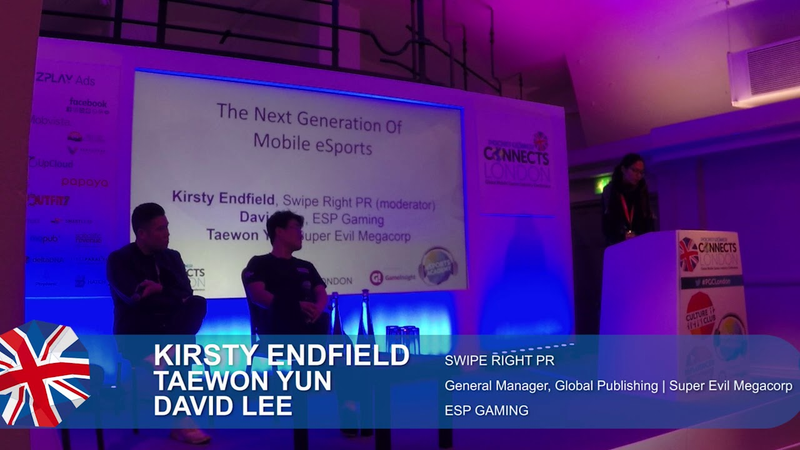
The next generation of mobile esports
The mobile esports sector is currently undergoing a significant transformation, driven by advancements in hardware, the rollout of 5G technology, and an increasingly mature audience.
- Mobile esports is transitioning from a niche category to a professionalized industry with distinct profit-and-loss models that mirror traditional sports.
- The shift from 4G to 5G technology is critical for competitive viability, as 5G reduces latency from 50–80 milliseconds to under 10 milliseconds while resolving bandwidth congestion at live events.
- Mobile esports viewership now frequently rivals or exceeds that of established PC and console titles, driven by the ubiquity of mobile devices and a lower barrier to entry.
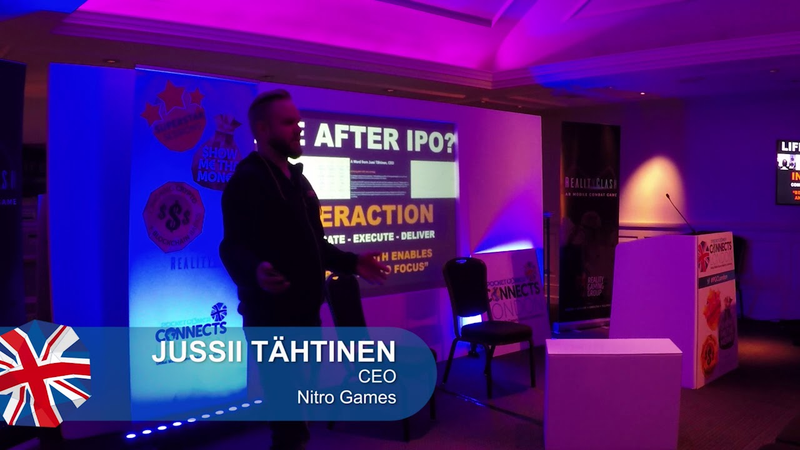
Life as a public indie developer
Nitro Games, a Finland-based mobile gaming studio with a decade of experience and a team of 40, views an initial public offering (IPO) not as an exit strategy, but as a strategic platform for growth.
- Nitro Games, a 40-person studio based in Finland, utilized an IPO on the Stockholm First North market as a growth platform rather than an exit strategy.
- Public listing streamlines business negotiations by providing partners with immediate access to financial and legal documentation, effectively bypassing lengthy due diligence processes.
- The transition to a public entity requires a rigorous operational loop of quarterly reporting and regulatory disclosures, necessitating a balance between administrative transparency and game development.
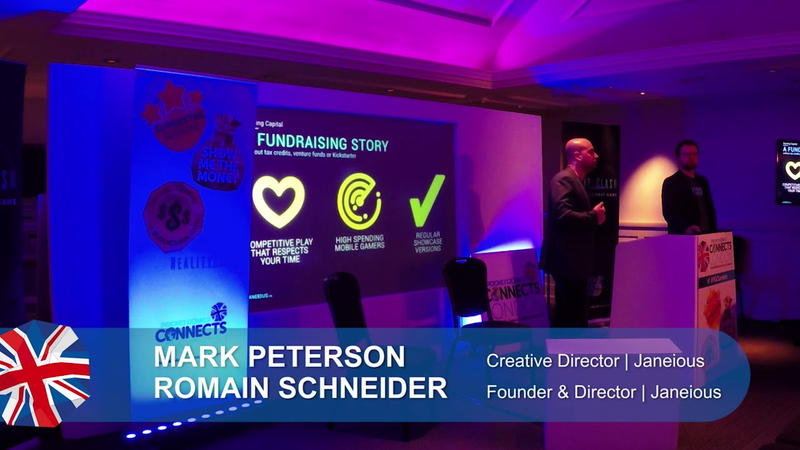
Succeeding with community investment
The founders of Janeious, Romain Schneider and Mark Peterson, detail a strategy for securing over one million pounds in development funding by bypassing traditional venture capital, Kickstarter, and tax credit routes in favor of direct community investment.
- Janeious secured over £1 million in development funding by bypassing traditional venture capital and crowdfunding in favor of direct community investment.
- The funding model relies on a core group of approximately 20 high-net-worth investors contributing between £50,000 and £100,000 each.
- The company utilizes a hybrid 'investment unit' structure, which functions as a loan repaid through a share of future profits rather than traditional equity, allowing founders to retain control.
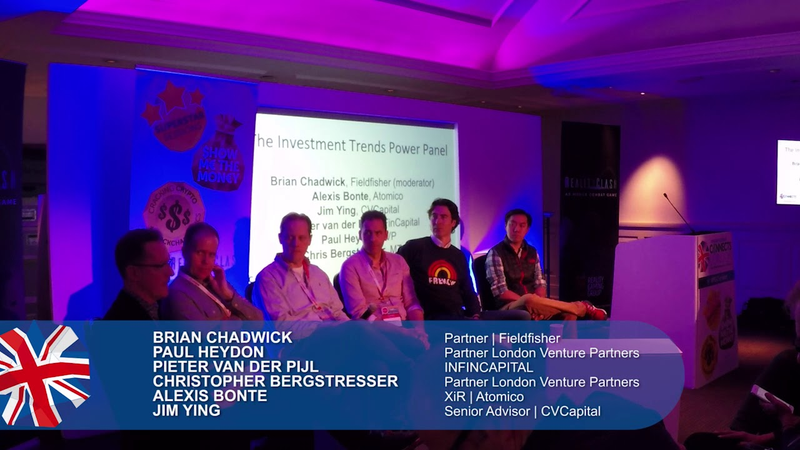
Panel: The investment trends power panel
The global gaming industry is undergoing a strategic recalibration as geopolitical tensions and heightened regulatory oversight, particularly from bodies like the Committee on Foreign Investment in the United States, reshape cross-border mergers and acquisitions.
- Geopolitical tensions and increased scrutiny from the Committee on Foreign Investment in the United States are forcing a shift away from aggressive, arbitrage-driven M&A toward deliberate, strategic investments by established industry players.
- European markets have become primary hubs for talent acquisition and asset consolidation due to attractive valuations and sustained liquidity as Chinese investment activity faces heightened regulatory barriers.
- Investors are prioritizing founders with deep technical expertise in vertical stacks, specifically those capable of developing proprietary engines, distribution systems, and 3D processing capabilities.
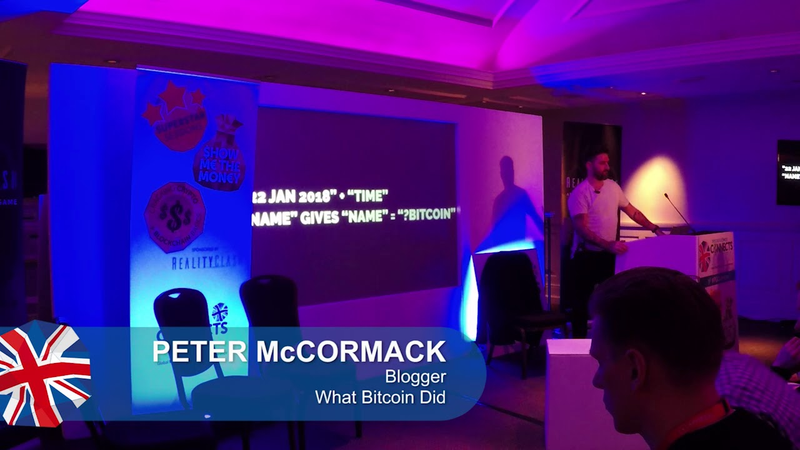
Blockchain 101
Blockchain technology functions as a decentralized, distributed ledger designed to record transactions or assets without the need for a central intermediary, such as a bank.
- Blockchain functions as a decentralized, distributed ledger that eliminates the need for central intermediaries by using a network of participants to validate transactions via consensus.
- Security is maintained through an immutable chain of blocks, where each block is sealed with a cryptographic hash linked to the preceding one.
- The proof-of-work mechanism requires miners to solve complex computational problems to validate transactions, providing a security layer backed by significant energy and computing power.
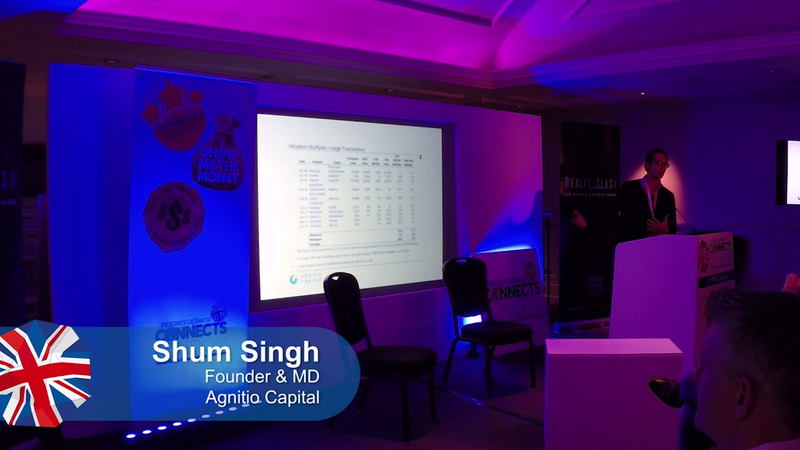
M&A in the games sector – 2017 recap and 2018 predictions
The gaming industry experienced a period of stabilization in 2017, following the record-breaking performance of 2016.
- The mobile gaming sector remains the primary driver of industry growth, consistently outpacing both PC and console segments.
- Publicly listed Nordic companies, including Stillfront, Paradox, and MTG, have emerged as aggressive acquirers of small-to-mid-sized studios, providing a new exit path for developers.
- Valuation multiples for large, mature companies are holding steady at approximately three times sales and eleven times EBITDA, typically executed via full cash payments.
The good, the bad and the ugly around launching and running a successful ICO
Initial Coin Offerings (ICOs) represent a transformative, high-growth mechanism for capital formation, functioning as a decentralized alternative to traditional equity-based funding.
- ICOs function as a decentralized capital formation alternative that bypasses traditional banking intermediaries to provide faster liquidity and direct access to a global investor base.
- A successful ICO campaign typically spans three to four months, structured into a pre-sale phase, a 30-to-60-day public sale, and a final token distribution period.
- Core infrastructure requirements for an ICO include a well-defined white paper, a transparent smart contract system, and a clear utility proposition for the issued tokens.