In-Game Advertising reports and market data
Documents
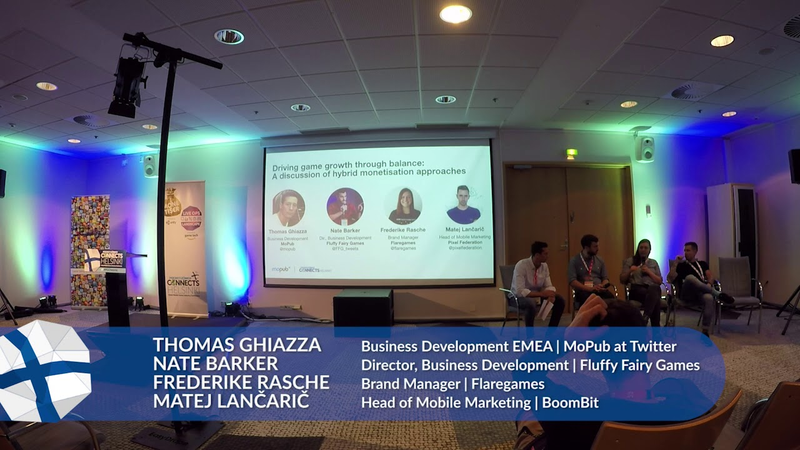
Driving game growth through balance: A discussion of hybrid monetisation approaches
Hybrid monetization strategies, which integrate both in-app purchases and advertising revenue, have become essential for achieving sustainable growth in the modern mobile gaming landscape.
- Hybrid monetization, combining in-app purchases (IAP) and advertising, is now a requirement for sustainable mobile game growth and revenue diversification.
- Developers should prioritize rewarded video and playable ads over interstitials to ensure advertisements function as value-added gameplay components rather than intrusive disruptions.
- Rigorous data analysis and iterative testing are necessary to manage ad frequency and placement, ensuring that ad revenue does not cannibalize IAP performance.

How Chocolate helps developers monetise "more intelligently"
Mobile game monetization is increasingly shifting toward intelligent, data-driven video advertising strategies that prioritize user experience alongside revenue generation.
- Developers must transition from basic ad integration to sophisticated, data-driven strategies like real-time and header bidding to optimize floor prices and maximize yield.
- Monetization performance should be managed through granular user segmentation based on behavioral data, geographic location, and progression milestones.
- A/B testing is essential for analyzing how specific ad placements impact player retention and churn rates.

Monetisation from the trenches – Lessons from the fight to maximise ad revenue
This panel discussion, held at Pocket Gamer Connects San Francisco 2018, features monetization experts from Zenjoy, Kongregate, and Sega Networks discussing strategies for maximizing mobile game ad revenue.
- Integrate advertising into the core game loop during the early development phase rather than treating it as an afterthought to ensure a balanced, data-driven monetization strategy.
- Prioritize rewarded video as the primary ad format due to its superior completion rates and positive user reception compared to other formats.
- Maintain a diversified ad strategy by utilizing interstitials and banners for non-paying users or specific game contexts to supplement rewarded video revenue.

Understanding the impact of header bidding solutions on mobile apps
The mobile advertising industry is undergoing a fundamental transition from traditional, inefficient waterfall monetization models toward unified header bidding and advanced bidding solutions.
- The mobile advertising industry is transitioning from inefficient waterfall models to unified header bidding to enable real-time, competitive auctions that maximize publisher revenue.
- Widespread adoption of unified bidding is currently hindered by the technical overhead of managing multiple SDKs and the need to maintain control over inventory and floor prices.
- Publishers are adopting a phased, risk-averse integration strategy to balance monetization efficiency with operational stability and revenue predictability.

Creative ways to make money in the mobile games market
The mobile gaming market is undergoing a strategic shift toward hybrid monetization models that integrate in-app purchases with diverse advertising formats.
- Monetization strategy must be integrated during the earliest stages of game design rather than treated as an afterthought to maximize lifetime value.
- Hybrid models combining in-app purchases with diverse advertising formats are replacing rigid, one-size-fits-all approaches to better balance revenue and player retention.
- Rewarded video has evolved from a simple incentive tool into a core gameplay element that improves user retention when integrated thoughtfully.
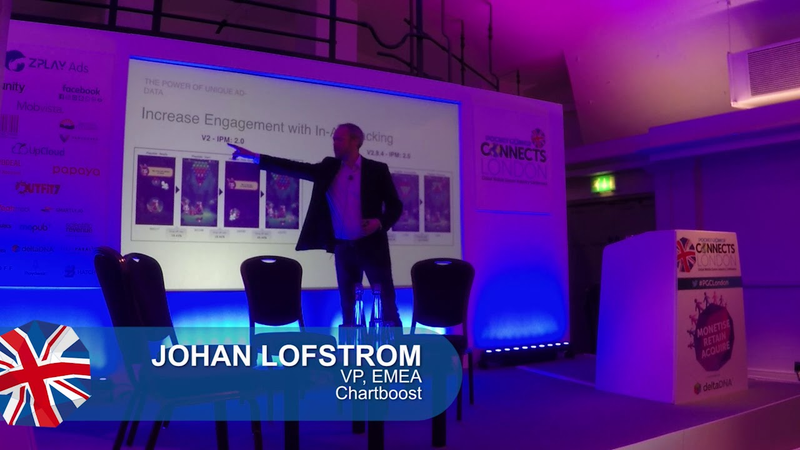
5 reasons why you need to embrace interactive ads now
Interactive advertising represents the next generation of mobile marketing, offering superior performance compared to traditional banners, interstitials, and standard video units.
- Interactive ads, including playables and interactive videos, outperform traditional banners and interstitials by driving higher conversion rates, improved brand recall, and superior long-term user retention.
- Interactive formats provide granular data that allows developers to track user behavior within the ad, identifying specific drop-off points to optimize ad funnels.
- Analyzing metrics like installs per mille (IPM) enables developers to refine ad content, remove unnecessary tutorial steps, and highlight the most compelling gameplay elements to increase revenue and ROI.

Monetisation revealed – stories and data behind ad revenue success
This panel discussion explores mobile game monetization strategies, focusing on the balance between ad revenue and user experience.
- Prioritize long-term player retention over short-term revenue gains by ensuring monetization strategies are deeply integrated into the core game loop.
- Implement only voluntary, opt-in ad formats, such as rewarded videos, to avoid the negative impact on user experience associated with intrusive interstitials.
- Utilize multiple ad networks through mediation rather than relying on a single source to ensure competitive bidding, higher fill rates, and better ad quality.

Next generation playable ads on mobile
Playable ads represent a high-performing but underutilized format in the mobile gaming industry.
- Playable ads deliver conversion rates two to three times higher than traditional video ads, yet their adoption is restricted by high production costs and technical limitations.
- Current HTML5 playable ad production can exceed $25,000 per unit, effectively pricing out developers with lower lifetime value (LTV) games or smaller user acquisition budgets.
- Next-generation playable ad technology reduces production costs to as low as $1,000 per campaign by utilizing the game’s original user interface rather than building custom mini-games.
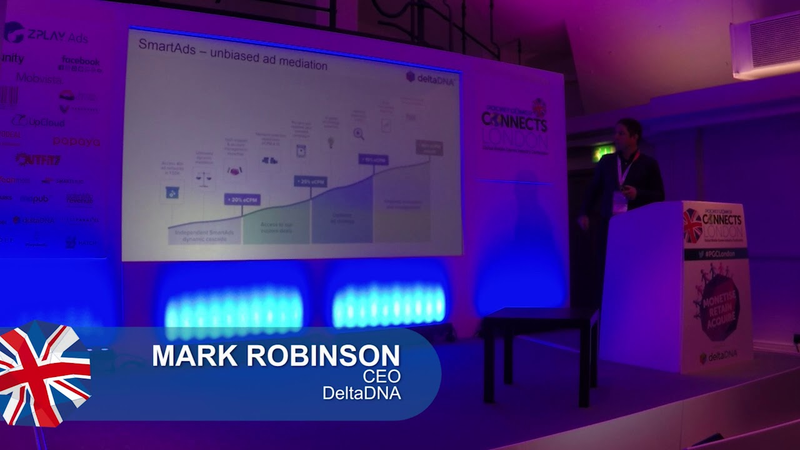
How to get the most out of your ad strategy
The mobile gaming industry has undergone a significant shift in its approach to advertising, moving from viewing ads as a necessary evil to recognizing them as a vital, strategic component of game monetization.
- Advertising has become a core revenue driver, with many mobile titles now generating between 20% and 60% of their total income from ad placements.
- Industry sentiment has shifted significantly, with twice as many publishers now viewing ads as a strategic monetization opportunity rather than a necessary evil.
- Successful monetization requires integrating advertising early in the development lifecycle rather than treating it as an afterthought.

Double Dodgers (Mobile App) - Jonas Plays Your Game #007
The analysis of the mobile game Double Dodgers highlights the critical balance between minimalist design and effective monetization strategies in the casual gaming sector.
- Aggressive ad frequency early in the user journey acts as a primary deterrent to player retention and long-term revenue potential.
- Inconsistent control responsiveness in a minimalist, two-button game creates unfair gameplay failures that lead to player frustration.
- Monetization strategies should be delayed until players reach a specific threshold of engagement rather than being implemented immediately upon installation.

MoPub on how advanced bidding services can 'revolutionise' mobile advertising
MoPub’s primary objective in the mobile advertising sector is to transition the industry toward advanced bidding, a technology designed to optimize monetization for app developers.
- MoPub is transitioning mobile advertising from fragmented ad networks to advanced bidding, a model that creates a unified, real-time competitive environment to increase publisher yield.
- Advanced bidding allows programmatic demand to compete directly against traditional ad networks, capturing larger brand advertising budgets while improving transparency.
- Since 2010, the mobile market has shifted from premium paid-to-download apps to a free-to-play model where advertising is a core revenue stream rather than an intrusive element.
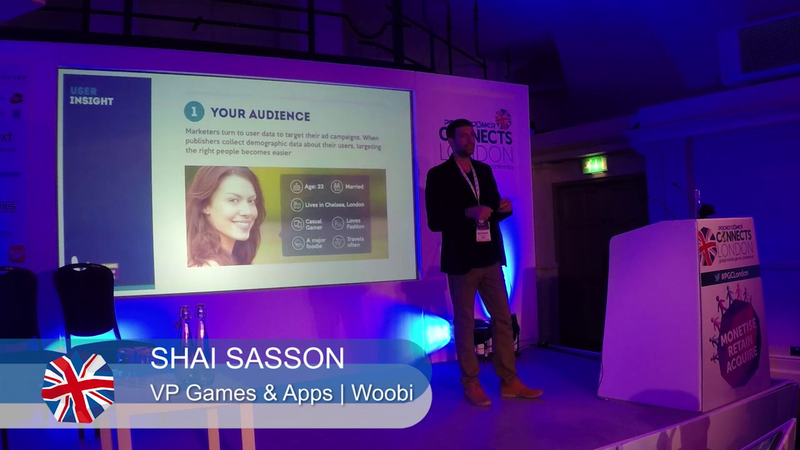
How to leverage branded video to better monetise your game
Mobile gaming represents a massive, underutilized opportunity for brand advertisers, driven by a global audience of 2.2 billion players who spend over 1.15 billion hours per month in-game.
- Mobile gaming reaches a global audience of 2.2 billion players who collectively spend over 1.15 billion hours per month in-game, representing a significant opportunity for brand advertisers.
- Branded video advertising serves as a high-value monetization strategy that increases user lifetime value and generates superior CPMs compared to traditional ad formats.
- To attract premium brand partnerships, developers must provide granular audience data, including demographics, hobbies, and behavioral intentions, to support outcome-based metrics like view-through and click-through rates.