1 free read left. Create a free account for unlimited reading + AI research.
Create free account
Understanding the impact of header bidding solutions on mobile apps
Key insights
6 takeaways- 01The mobile advertising industry is transitioning from inefficient waterfall models to unified header bidding to enable real-time, competitive auctions that maximize publisher revenue.
- 02Widespread adoption of unified bidding is currently hindered by the technical overhead of managing multiple SDKs and the need to maintain control over inventory and floor prices.
- 03Success in the current market transition depends on aligning the interests of publishers, advertisers, and demand-side platforms through improved transparency in pricing and auction mechanics.
- 04Publishers are adopting a phased, risk-averse integration strategy to balance monetization efficiency with operational stability and revenue predictability.
- 05The market is entering a 12-month period of consolidation and technical refinement focused on creating standardized solutions rather than implementing immature technologies like blockchain.
- 06Regulatory frameworks like GDPR are adding significant complexity to the integration of new bidding solutions, contributing to a multi-year timeline for full industry-wide adoption.
Ask AI about this video
Transcript
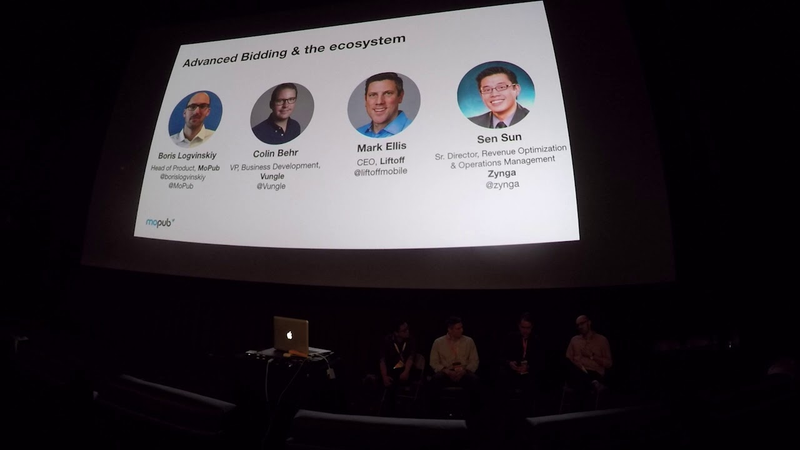
[Music] I shall handle whether you want company here my name is Boris Penske I had a product okay and we're gonna spend a little time talking the first time talking about as the title of petals of and spitting or we jump into the panel I want to recap what's been happening in history for anybody talk a little bit about what's going on and why publishers in particular she should care so header bidding has been a topic of conversation and the broader ad tech system or ecosystem for a really really long time it really changed how desktop is monetized and should we ever really
what that is is today the majority of publishers monetize their apps that's the traditional waterfall you go down order by order in terms of demand sources that be the most was just to pay the lease on the average yeah and one that this person says yet which is all well and good but it's not super efficient because for any particular user you don't get a true price so there's a whole user 8iq valued a hundred dollars by somebody they're not evaluate ends up by somebody and that average doesn't really truly represent what that is and so this is where the innovation of header bidding investing around which was to flatten the waterfall if you have a black waterfall is that or every single impression you have competition across all of your demand sources and you have true valuation of that user what that does is maximized ultra Buhl because you have air and the competition makes it really efficient for the advertisers to reach their goals because
now what they're willing to pay a ton of money for a particular Russia they went when they're not they don't and that creates a more fair and equal marketplace in the way to selling records so everybody is a great name but in absolute letters and so promote the way we're thinking about the solution we call it a man's day and so for an app developer to use this thing's really uses in the way that we believe is be scalable in the system there have to be three things truth out a solution the person needs to be fully supported by the add sugar what I mean by that is it can't disturb four people happen to mess up because in desktop the overhead required to manage a header bidding solution is just overwhelming this isn't making sense we're going to build this interaction if you have the opportunity to do this right well let's do that let's make it something that's easy to set up and the second thing is that it has to support networks allowing networks it and at least why this is
important is because for those of you who are app developers in the room you know that networks take up a very large portion of your revenue and so they're not participating in this it's not gonna work it's not gonna matter and the last thing because did you operate in a mobile environment because we operate in apps we have a rich canvas that's not available on other bottles so we have the access to the matific dries on iOS and Android you can do all kinds of things like thermometers and all these different experiences and so we need to continue to allow the creative voice of the advertiser to come through so because of that we need to make sure that as the cases are supported it's not just a truly server-side solution on something that's just one I need to be able to lout man sources to take advantage of so to quickly put this in more context this today is the world that most app developers operate in it takes around a logical waterfall with a bunch of average prices if you might
have an exchange here you keep going down this waterfall and so we get to a point where answers so if you have an ad that's the network what is it long to serve an ad at me $9 $10 walk and it will go down the serve it at the next over which might be the PI power slot we'll keep doing this so this is not great like I said it uses average prices cause the latency a bunch of operational overhead and so what we envision is a different world a world where you have one unified auction with real-time competition what this does is allows everybody again to provide a real-time value or particular user at a particular time and in order to make that work we're going to need everybody commands happen bottles like boba and are working and putting a solution out there that supports the smooth ground up networks which are in the traditional way of
monetizing you know has especially in gaming the exchanges and your skis and obviously the publishers so I'm really excited because today this panel we have a combination of all those ups so I like tissue this panel we've Colin who is development we've marked with a CEO of the pop which is a mobile focus ESP and since I'm the senior director of colonization and revenue all right so it's really good to have you here really fish be spending time with us why don't you go around so I programmatic
is this for Xena and my responsibilities are mainly at three different pillars one is data analytics and of data collection we have a Vegas ice ball team that's kind of dedicated to yield management and pricing floors and just kind of managing the traditional waterfall and making sure we mask on revenue and the second pillar is kind of what I would call the traditional and also relationship management so we have some traditional traffickers propagating a direct sales that post-traumatic anorectal business and that's mostly mostly in India and also RSF Francisco office people they usually are the relationship managers between our game teams and also between the networks and the third pillar is more of
a kind of traditional forecasting on what our revenue trends so that's kind of the and the Tagus I would say seeing as mobile as this is a relatively large in maybe a few hundred hundred million dollar range hi I'm Mark Ellis CEO co-founder of live off or a mobile app performers aren't me a user agent at work whenever six year we started by focus on user acquisition spree first time users trouble black product or service a few years ago we they got into reagents and then last year we also brought to market a in-app product feed be targeting product and powering all three of those is their dynamic ad creative technology as well so excit today open up the next phase and supply access alright thanks very much Colin VP of business development at Mongol which really just means that I'm a rare breed of geeks when it comes to mobile ad monetization didn't think I'd be saying that six years ago but it's a
real part of the year I think this is a very interesting topic seriously for all of us bumble is in a really focused on working directly with publishers as much as possible to offer maximum value through our SDK and I think this is a topic of discussion that we found interesting for a long time so you know I'm happy to be here and really see what all the public courts are how this is gonna change business videos yes I think that's a different crop that the people who are sort of most I was able to recognize before the publisher said unless we take it off with you and I'll take it from you you know how are you thinking about and sort of like housing they're thinking about the role so weird we're pretty kind of in the loop in terms of point on a new technology Lord very well went to trial
knowledge is we were running roughly about thirty five different games so there are a lot of opportunities into smaller games to try it out things like created ahead of dating in some ways and we started out on a few kind of solutions on some smaller games we started testing already I think for in my mind the main kind of a public company and kind of set of contacts like we have a big I think a big team of yeah and I was looking at you all day long I kind of waterfall we we think we thought we reach a certain amount of efficiency within the traditional waterfall so for us looking into different prepaid or header bidding solutions really is we like to see really relative incremental revenue on those solutions before we can confidently put them into our main inventory there's some that you grab such as what your friends I think we're being pretty cautious in terms of
integrating into the watcher and inventory once we prove that they're on the bad side were from are for you you have been thinking about this or how does this you know conversational least impacted your business well we're quite excited about advanced fitting one it gives us greater access to supply as one of your slide she already kind of democratizes or add is equal access to all available supply the publishers apartment and it's for us to decide how we want to bid to take back today Vantage of all available presence we also believe that opening Christ in efficiency to the equation now there's some of the thing it might get up impressions but we take a longer view that people settle down and there will be various efficiencies to vote for greater access and price officially were big fans of this train yeah I thought the inner kala stick on this because it
is a departure from traditional sort of network model that lots of networks are getting into this you guys enjoy because you know we're working together with you guys talking about how to make this work with our solution what's driving that well I think we have to kind of see exactly how it ends up opening but I think for us the big thing is visibility you know there's actually what's interesting is a on average less than five ad network SDKs integrated in a typical publisher application there's obviously all exceptions to that but at the end of the day that's not really a big number there's not a lot of SDKs really competing for those impressions but at the same time this little visibility issue so you know we feel like we're bringing value to the publisher but we know a great value to the publisher because we're typically making out a good portion of revenue but we don't really know a lot of things that are happening inside of that
publisher for example we don't know really who is winning the first impression which is the most palpable for example we don't know if we're getting a fair chance to win it given the setup within there's a lot of things that are just unknown to us and can take a tremendous amount of time to figure out on the business side so I think a lot of the motivation for us experimenting this area and and really collaborating the chorus and his team is to figure out can we reduce that overhead and thereby make everybody more efficient essentially yeah I think that's a really good point and really the efficiency the transparency accomplished an excellent article saying I think appeals everybody which is which was really great seeks and you really so stand on a values either or or whatever it is you missions transparency is wild so you not seem to
publish the waterfall an understanding kind of like Rwanda number six or where the call chain you are maybe to the panel what you think we have to get right as an industry around transparency in order for this well in these early days I think we have to be careful to thrown a lot of non logical ways of implementing advance bidding so clarity is to the different pricing terrors this is this where it behavior we want to pay more but we're slotted into the lower tier weird arrangements that might be cut behind the scenes that are not to our I guess it's somehow block that's on my impression we'd otherwise you know based on price and yeah it's take some standards on the publisher side so that they also embrace hopefully one or a few ways of green advancing Indian app so that there are like us we want to say oh this is a publisher we have to do this way
those would be some of the tenants of the transparency for us yeah dirty thoughts on the whole you know think I think this is a good thing to talk about right we're talking about have a place where there's must work ideally but say more high revenues because of that reaction how do you think that yeah so when I was talking about looking into pre bit of a debating solutions on the number one criterias to see whether it would be right one of the China waiting for incremental growth we can come from really is giving the network so the bidders more transparency into just more exposure to all the requests so one one of the challenge our data team coming to in terms of trying to optimize or become our kind of demand curve right human
curve is really trying to optimize our stack there's really three elements one is CPM one is volume which is fail rate and they're not a lunch lady see so it may mean challenge our data get really roaming to is onion a balance of the three elements and they were constantly doing different testings in terms of price floors in terms of who should be the first would be second if we move this network one into the first position and let's say $2 more how much their fill rates not decrease and after a while each network in our stack sort of settle into some sort of preferred kind of position and we don't really move in this motion board however the downside of that is but some up on go maybe they got one really good come in coming up like we just we just don't know about it maybe they should be they should we should move into all the way to the top and have exposed you know first impressions because we
use all the other informations they based on historical right because we use such historical information trying to determine where they are in our stack it's very difficult sometimes to catch something live information so one of the game one the channel to get incremental revenue through head of it it really is exposing everyone to the same requests sort of same call and have them kind of step up if they can see if they want to pay let's say you know you know to $3.00 more than what a normal average is they are able to do so all day long would be great I mentioned mark on your side as it used to be it's not like what
you said against an average price isn't in that year anyone you bidding is value more practically finally I expect work yeah I mean we want to put more dollars in the pockets of the publishers so we're able to hit a higher price we should you know should get that as opposed to an average tab number yeah just a quick comment to that mainly because we've had too much agreement so far but you know with all due respect mark I would say from a DSP perspective it's really your job to minimize how much you put in the publishers pocket I mean that payment gets pushed up with competition depending on what margins are willing to give but it's your job ultimately to try to make the most out of that difference between what the advertisers paying you and what you have to pay in a CPM to to make a profit is that correct
so I'm having a little fun you know even though the publishers in the crowd but yes obviously a reason for being is to find the most efficient way to target and attract engage use but we do make a play for every impression we see that has a few data element student and so we aspire to win every and all those and we know this so I'm going to be more highly priced some are going to be more though they're priced lower I guess I was being a little bit facetious when I said $1.00 in the box so put that back on you as well because I'd hear the day you guys are also even as the network right you're also positive innocent position I think we all are in this position of driving value to the advertisers receiving the advertiser goals and the same time making sure that yes probably justice for the publisher is like how do you think about that yeah I mean ultimately we all want to try to make as much money as possible you know which
really I think we want to figure out how we can align those interests as much as possible because that's how we make things more efficient on the supply and the demand side by that I mean for example in this ecosystem I would say probably the majority of independent publisher revenue is coming from independent I mean outside of Facebook at Google some of the you know the bigger names out there most of the revenue is coming from you know athletes or campaigns so probably twenty-five to thirty billion dollar industry by 2020 so under those conditions where an advertiser wants to pay on results you know often quite far down funnel so where you have to bail on a CPM basis that means that you have to arbitrage the difference you don't have a choice but traditionally the way that networks have worked with publishers I think has been much more on a revenue sharing model you know in other words we both succeed together we both fail together and so that aligns interest but
ultimately for a network you still have your interests aligned with the advertiser because you can only make money and make more money if you can so I think the question for me is how we go from a revenue sharing model the one where we have to start the bid and commit to a price and how that might impact and what you just articulated has been I think the latest generation of buyers no more Gentiles DSPs that's how they started out so we didn't come of age when ad networks had you know established their register models we were all out you know you know he announced an impression our clay was also focuses on me posts install engage user metric ID revenue but for us we say bring on advanced mini as quickly as possible presenters for the supports our business model which we think the rest do to be simpler it's not about red share or sharing some of the you know
impression also about being held to a post install revenue metric and those I can't supported you know should be you know I should say sideline that's the most efficient way the advertisers potentially I wish to the conversation a little bit more time for well you know one place that we talked about in the college I thought was really interesting said you um when we were prepping for this we talked about how excited you were and you know we had Paul and I had like a perspective on that which was like maybe
maybe not like it's something that happened in desktop I love all heard about that we could I saw some justice I put the broad group about you know the value that I think so so I can think about this talking a little bit initially obviously the idea world we want to be really lightweight given the app as its own kind of unique challenges it's not like the memory the memory kind of consumptions that psychopath all that matters we can have you know 30 40 different SDKs either right now we're will probably have more than 15 which is considered quite a bit at an amount of obviously engineering cost and the amount of the time spent in an Excel 60 cakes it's just too much to handle at some point okay II that they thinking about indeed it's kind of right now looking all the solutions there's really no way
to do whose come cool ways to get free there's a reason why is decays it's right it allows kind of informing you know patient as well allowing some data that's a lot more efficient and just doing server-side so for us for a calibrating solution I don't think that's kind of a number one requirement was and I do see that as kind of a phase approach for now you know revenue you can be some if a solution provide can prove out at the provider increment of revenue to existing business and and then that's something that would definitely would try and then afterwards really with hopefully we can moving into SDI solution and then they're also an imaginary several channels that we see creep it can bring in command of revenue another another model can be through the during the pre de Provence it can be somewhat more local international other players coming to the previous solution
Pato and a real solution only to be as to get integrated because we're never going to say integrate SDK from a China focused kind of networks for example because we just don't have that many and Chinese players however in I do see a world where real things can be kind of service integrated so in some ways we have all this SDKs or kind of core networks and we also have sort of the connection for a lot of more localized kind of service providers only one ultimate providers that's probably why I envisioned to be an ideal scenario in a very short term yeah that's my evolution from from the call so that's definitely good to hear I know that it's probably a little less common to arc because you rely on the platform you get to support that SDK I know called love to hear from you and how you guys think about that yeah it's
clear that I don't think SDKs are gonna go away on the outside but certainly you know as I mentioned earlier there's a limit to how many SDKs it's room for and I think there is that trade-off between load and nearing work and then the amount of money you make from each SDK so probably that number of four to five st cases is gonna remain fairly consistent over time in my mind I think that there's definitely a place where campaigns that are run without the need for a dedicated SDK you know where reach is more important perhaps and you know individual publisher connection and control like retargeting campaigns for example which I think you want maximum reach and it's about targeting in our world a lot of this is about discovery so it's about delivering the most engaging at units you know in the best possible experience rather than maybe focusing on the targeting to really deliver performance so in that case you
know we will struggle to do that without having an SDK in place I think the sense point is what people want and then there's what people really want which is to maximize revenue and so provided that SDKs continue to additional performance you know I can see a world where they're gonna continue to exist yeah I think I mean from our perspective from the US perspective I think that's because there's all this you know if you think about video coming around you think about maybe a our experiences and maybe getting to the world they are a sort of stepping aside it was possible it's happening now but do you think that we move down and when you user that's when earlier that's what everybody so
definitely make a balance make sense I think sender approach definitely also makes custom a and how do you think about this Marky Marcus and submarkets I don't that cool we have a few more nests I I wanted to talk a little bit about the ticket said that and just ecosystem wide what do you guys think because it needs to get right in order for this trend to really really / to be not something that people are talking about it is coming or it's imminent for ladies here but like it is the way that we are transacting sure so it's not a publisher side because we keep thinking about like maximum revenue all right that's kind of a big keyword for my site and really thinking about whatever mom can provide and not some W is really adoption right adoption from the end the demon player or the option
from maybe publisher because it's kind of a genetic one comes with people another and the other side just just come alone so so for us really funny and solution that has a cumulative my partner that's very intimate it in the same time allow us to easily test I kind of mentioned that it's very difficult for us to just kind of make this which will make the call hey this editing solution works well for other publishers and why don't we kind of switch our business overnight completely and that's just so much risk and again compacts that we're kind of public company and given the size of revenue it's very unrealistic to kind of do overnight so thinking about a solution that would really come gained a lot of traction with the publishers really is a valiant publisher have an easy way to integrate they're open either the existing and the process and alongside with a lot of alt or have some sort of ways to kind of test it out and
have really proven solid outside was someone happy excited to really make that switch so that's kind of a basic requirement yes the validation to make sure that you guys were making the right call I think for us and others in our category for the longest while we've been through a second-price philosophy and this now hush is any more of a first price on it and so we may get to a question about how quickly this is gonna move into the market but for us it's a little awkward to maintain both I mean velocity is especially with the same publisher so we're interested in the trend to hold more quickly than not so that we can kind of cut over to a different way anything about how we buy yeah well I think what I'm really looking out for is you know there's this utopian idea of the world which is one single auction across all demand hours we're gonna
sleep or shop and I think that's a little challenging to send this point you know how is that really going to turn out are you going to make more money that way is there enough adoption you know these are a lot of questions that come up I think also publishers naturally tell me if I'm wrong sin but you know you want to be in control you don't want to entirely give up control to one single app all you need to know you'd have certain baselines that you know you can maintain and that means I think having flexibility to you know optimize within that system you know and essentially maybe you will put in a floor price for your first impression and your second impression and your third the rest people will go on an open auction you might try to pre-sell certain impressions and you want to have that flexibility sill to certain partners or experience purposes or other reasons so I think what's what I'm really waiting to see is is how is this system really going to evolve because there's this
utopian world I think what we've learned is rarely will that really be possible and enable the publisher to control what they want to control and so yes we don't want to end up back where we have been in the past there's just a question of how can we make this a better solution what we have today it's still give control to the publisher yeah I think that's right it could actually the initial pounding promises no but it was a question competition we thought that we would get there obviously wasn't an option and here we are today just talking about okay like baby we'll get to that card options I agree with you that at least from our perspective from the platformer practicum what we're seeing on the bad side and the networks that publisher side that is very much what you're saying we're going to be in this sort of middle ground for a longer time as people get comfortable with us as officers think about what does that trade-off between control that they have
manually versus versus just like letting things sort of run and can we really get to that one final sort of like unified during auction how do we get very quickly because again lots of things at stake for publishers revenue or you guys through your business models thinking about price technocrats today there's everybody I think I need like a whiteboard in person orders because do that so I think that I think that's right I'd love you know go outside we would love her to happen as quickly as it possibly can because I think is because lots of things for all coasts of all learning importance right there's a lot of questions did you figured out lots of way from publishers to publishers to figure out you know I'm allowed in that from how to think about this and how to make sure that the revenue happens in the right way for them and put a net worth obviously to make it out you know how the mechanics actually listen to the final question which is online predictions in months
and or years how long until we reach rather than for your particular business entity let's say estate is something that is closer to a unified option amongst his optimatus horses then there's more waterfall that we have today testing close to maybe in a few years his last six months I think they're probably a lot we continue seeing all the networks or a dependent owners coming up with the head of a ting solutions everyone's different in court and I think for the next six months really is kind of some consolidation to kind of figure it out which ones are actually work with on national works with one doesn't and and then for adoption to start picking up next year I do see there's a few things not to happen one
is someone come up with a or through partnership or do we just superior tech will be kind of more of a major player if that doesn't happen I can see people with more kind of pockets doing like guarantees publishers to force migration and portion option for example if someone comes to me oh I hate sin right now you guys are making let's say you know like hundred million base line with that what if move over to my move over to my peg I guarantee you hundred twenty and you have no risk migrate over instant revenue game and allow me to improve adoption and the publisher site inventory site and then in a way push over migration over that can happen so again either one someone has a spirit egg or to someone just get fed up with the education and have a deep pocket coming out with a guarantee and maybe your will reach down and
all right yeah our perspective it's not about it or even wins we are already behind in that of our nipa to your stipulation about wrong based appeal it's when in the company Kazuma isn't doing it for one or two of their apps but across all 35 plus apps and so we have a similar time riding out of here and after two years well I thought months ago I thought that this time this year it would be already you know a pretty significant portion of my revenue and I was completely wrong so I guess I was wrong probably for two reasons one is that it is harder to really figure out how to do some of this stuff with SDKs and I'll just talk about tags that we can run and gdpr of course has been a giant pain for everybody here so I think that's really slowed things down that's my excuse to be wrong so I'd say you know I would expect to start seeing it make up you know at least 10 to 15 percent of publisher revenue within 12 months and see how we did
I want to get to spend time with you all I think we have a couple days for ya so you guys heard it's like a bunch of gamer connects as well and like there are quite a few at solutions on the blockchain very ver like a infant a stage but do you see like adoption of blockchain in the next year by your company or by your competitors or some sort of flame fight with fraud with transparency that it can bring I'll go quickly press on this question was just about blockchain and whether we we have any plans are doctors given that there's all the platform's already sort of working on and take on the blockchain and I know that there's a big watching contingent to this conference but the reality is unfortunately no you know I think we within a detect we have to see
some decent traction around something before we can jump on it because we have to operate a scale for it to make sense so it's not that we don't necessarily want to see it or we're not thinking about the consequences for our business but it's more just a reality I think of where the markets at you know and I think that's still gonna take quite a long time not really to be honest I think that two columns point I think the industries are really pregnant it I think was something that - like a new technology really like adoption is a pretty important part for publisher I always want kind of security to try a lot of things to be proven one of things - like I always talk about like I want a strike make more revenue from that you tech so thinking about something so new like I imagined adoption it will it would take a while to get to scale so on the publisher standpoint we're not
really active - anything until something that's kind of more mature that we can we know that we know that for sure it's not great additional value to this all right [Applause] [Music] [Music]
Summary
The mobile advertising industry is undergoing a fundamental transition from traditional, inefficient waterfall monetization models toward unified header bidding and advanced bidding solutions. This shift aims to replace static, average-price demand tiers with real-time, competitive auctions, ultimately providing publishers with higher revenue and advertisers with more transparent access to inventory. The primary objective is to create a more equitable ecosystem where publishers can optimize their ad stacks by balancing CPM, fill rates, and competition to maximize incremental revenue.
Despite the clear benefits of a unified auction, widespread adoption remains constrained by significant technical and operational hurdles. Publishers face substantial challenges regarding the overhead of managing multiple software development kits and the necessity of maintaining control over inventory, floor prices, and overall revenue stability. Consequently, the industry is currently prioritizing a phased, risk-averse integration strategy. While stakeholders are actively seeking standardized transparency regarding pricing and auction mechanics, the complexity of these integrations—compounded by regulatory frameworks such as GDPR—suggests that full industry-wide adoption will likely unfold over several years.
Looking ahead, the market is entering a period of consolidation and technical refinement expected to last through the next twelve months. While emerging technologies like blockchain are being monitored, they are currently viewed as too immature for large-scale implementation. Instead, the focus remains on developing scalable, standardized solutions that align the interests of publishers, advertisers, and demand-side platforms. Success in this transition depends on the industry’s ability to balance the drive for increased monetization efficiency with the practical requirements of operational simplicity and long-term stability.

























Comments