1 free read left. Create a free account for unlimited reading + AI research.
Create free account
MoPub on how advanced bidding services can 'revolutionise' mobile advertising
Key insights
6 takeaways- 01MoPub is transitioning mobile advertising from fragmented ad networks to advanced bidding, a model that creates a unified, real-time competitive environment to increase publisher yield.
- 02Advanced bidding allows programmatic demand to compete directly against traditional ad networks, capturing larger brand advertising budgets while improving transparency.
- 03MoPub maintains ad quality and user trust through a combination of internal reviews and third-party monitoring of all ad creatives.
- 04Since 2010, the mobile market has shifted from premium paid-to-download apps to a free-to-play model where advertising is a core revenue stream rather than an intrusive element.
- 05To remain profitable, developers must prioritize rigorous business metrics, specifically managing user acquisition costs, lifetime value, and retention rates.
- 06Developers are encouraged to own their data and utilize sophisticated attribution tools to balance revenue from diverse sources, including in-app purchases, subscriptions, and rewarded video.
Ask AI about this video
Transcript
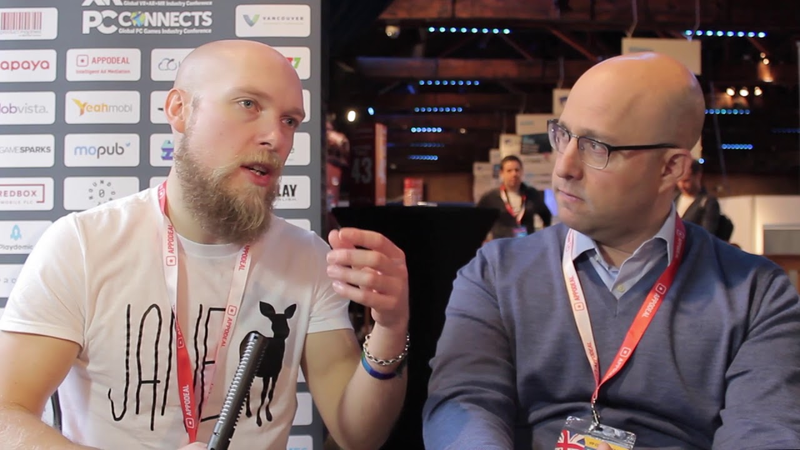
we are back after lunch Pokegama connects London 2018 I'm joined now by no I'm you sir from Twitter but a specific part of Twitter was not about their Twitter profile that's what you're from is that so now you wanted to talk about stuff that you're working on this year something specifically you mentioned advance bidding yeah very similar to many maybe many people may be familiar with header bidding from the desktop space so this really hasn't come into mobile or mobile in-app so far mostly because it was very much a copy-paste approach from desktop which doesn't often work in the unique space of in-app what Mobile is doing that no probe is true for the people who don't know Mobile is a monetization platform for app developers specifically in-app we help app developers make money from advertising whether that's directly from our programmatic exchange who is
connected to around 180 different demesne demand-side platforms or from their from their networks whether that's Google Facebook or any of the other networks in the market so this year we're launching an advanced bidding it's our version of elevating as we mentioned and we believe that will revolutionize the way you monetize with advertising email okay specifically with Twitter it's a delicate balance with the advertising because part of what when Facebook initially started out the idea was that it were no ads and it was a kind of ad free platform and then obviously your that shifted and then Twitter it was kind of similar and then I'd started creeping into the timeline and obviously it started being backed by money from outside sources how do you sort of slip the advertising in there away that isn't offensive that doesn't irritate users but still provides value for money for the people actually paying right so mobile is well part of Twitter we're not serving ads on the Twitter timeline so I can't really comment specifically on the timeline of course
but the way we combat equality is we work with third parties such as the media the media trust who constantly monitor all our creatives we also have a team of people who constantly review all of our ad creatives coming from the DSPs and any DSPs that have any validation will though under scrutiny and potentially be banned from the platform it records heavily regulated yes yeah yeah we believe that both ad quality and supply quality so where you're at or where the creative is showing for the marketers both important for trust and transparency so from your perspective where do you think people are missing a trick the the stuff they are working on this year where you think like this is going to revolutionize and crack it why what are you doing that's so different from the standard model yeah so I think one thing that we still find surprising is a lot of people don't consider programmatic as a mandatory must new strategy further monetization a lot of
people immediately think about networks which is a again it's a must strategy to go to when you monetize your apps but on top of that having programmatic is critical some form of advertisers such as mostly the brands usually spend most of the budgets on programmatic know if you as an app developer wanna tap that type of budgets you've got to go for romantic that's something that mobile does and have done for ages now on top of that what we do that's unique to us is we bring in all the all that programmatic budgets and we make it compete in real time against the network's right and usually when there's no competition the publisher wins the publisher makes more money so you've obviously I mean I assume you've been in the industry for a while now it's just a few years yes yes so one of the biggest shifts you've seen over time I mean everything moves so fast especially in the mobile world what were the big shifts that you saw and where do you think that it goes next what's the next trend yeah that's a great question so I
I joined this industry 2010 my first job in this industry was within Mobe was very very small office at a time and going to similar events as this one most game developer wanted to do premium apps pay to download and with no advertising really people just said we don't do it I'm sorry and just rudely walked away we've gone the industry has changed so much and if you talk to most of the game developers in this room today most in will either tell you I'm already making a lot of money from Ebbets I'm balancing between in-app purchases and advertising monetization mostly rewarded videos a great format for that or they are spiritually considering it and doubling down on that right so we've gone almost like 180 degrees fro I'm not doing ads ads are evil - as is viable revenue source for my game and I'm already doing this or I know that in 2018 I really need to do that so shifting to that
obviously the free-to-play model was a huge player in turning everything around there and it's almost a brave person who chooses to release a premium like App Store release now yes you kind of need to have that pre-established license or some kind of notoriety that'll already push you to the front visibility wise correct it's a lot about getting that featured so if you if you can get featured for a premium game I mean that's still a very interesting strategy and probably more than it used to historically today people are more used to pay or easily put their thumb over their face these days to pay for an app so it's easier to pay in people mentally or psycho man Taliah are more comfortable with paying through their phone for an app so that's that's I think premium is a viable strategy although how do you promote it how do you get people to pay for it that's always in scale that's that's always a charge so a publisher comes to you let's say and it's looking to push something and what's the first mistake that they make whenever they're consulting you
like right I want to get visibility from app or I want to start getting you know decent amount of return on the investment and getting the ad payments paying off where are they going wrong when you look at what they've done up until now what's the most common error when that's okay do against are we talking about free-to-play no we're talking about premium or just talking generally generally like yeah let's say free-to-play game yeah so I think one you really got to get your attribution correctly you yeah so even before attribution I think today the other trend we're seeing is a profit professionalization of app developers so if historically said hey I'm gonna just build a really cool game put it in the App Store and make a lot of money that doesn't happen these days right getting download is extremely difficult and if a couple of years ago any publishers were getting tons of organic downloads every month today this becomes extremely difficult and what we're seeing is around 90 99 % of app developers are either having user
acquisition in-house or outsourcing that to agency okay but the the times where you you you existed purely on organic it's over and once you realize that you've gotta start thinking about your business as your app as a business so you got a cost of acquiring users and how do you make that user acquisition profitable right so you got to think about what's my cost of acquisition per source for that you got a you need attribution you got to think about what's my lifetime value what my retention and how that all becomes profitable so you need a lot of you gotta invest in tools attributions one analytics is one and analytics I'm a firm believer and having data ownership you've got our own your own data use one of these newer analytics platform where they give you the platform but you still host the data on a on a redshift cluster so a lot of people like especially last year there was a lot of
the idea of giving you fish with the analytic yes giving you control yeah I think that that's key to being successful in today's market is getting that couple of more cents on your arm towel is critical whether you can in getting that from either in a net purchases or subscription and advertising or a mix of those three it was pretty cool so what's your big push for this year was it you hope to have completed and sorted by the end of this year yeah so with as I mentioned we're seeing a lot of app developer becoming more professional and as part of that everyone are seriously considering or already pretty-pretty adapt to using advertising as their as a main revenue source what we look into do these Erie's making it extremely more valuable for these app developers to make even more money and we're doing that through as I mentioned advance bidding that's one of the big pushes that we're doing this year the reason this we this hasn't happened so far is that the network's war of
major revenue source for OLAP developer we're not able to participate within the advanced bidding technology we expect but we're we're we're seeing shifts in the market that will help that change and we believe that by the end of the year we'll see most of our publishers using advanced bidding in a way they will materially increase their yields their revenues with most of their major revenues ad sources so that that is a big one for this year and the good thing for all game developers its massive it's it just gives them more benefits more transparency more control and bottom line more money which i think is what they're generally looking for one way or now well great news great to hear what you've been working on and best of luck with in the future thank you very much
Summary
MoPub’s primary objective in the mobile advertising sector is to transition the industry toward advanced bidding, a technology designed to optimize monetization for app developers. By moving away from the traditional, fragmented approach of relying solely on ad networks, the platform aims to create a unified, real-time competitive environment. This model allows programmatic demand—which typically captures significant brand advertising budgets—to compete directly against traditional ad networks, thereby increasing yield and transparency for publishers.
The industry has undergone a significant shift since 2010, moving from a landscape dominated by premium, paid-to-download apps to a free-to-play model where advertising is viewed as a vital revenue stream rather than an intrusive element. Developers are increasingly professionalizing their operations, recognizing that organic growth is no longer sufficient. Success in the current market requires a rigorous focus on business metrics, including user acquisition costs, lifetime value, and retention. The platform emphasizes that developers must own their data and utilize sophisticated attribution and analytics tools to ensure profitability across diverse revenue sources, such as in-app purchases, subscriptions, and rewarded video advertising.
To maintain user trust and ad quality, the platform employs strict oversight, including third-party monitoring and internal reviews of all ad creatives. By facilitating real-time competition, the platform seeks to solve the historical inability of ad networks to participate in advanced bidding. The ultimate goal is to provide developers with greater control and higher revenue, reflecting a broader trend toward data-driven monetization strategies that balance user experience with financial performance.















Comments