Game Studies reports and market data
Documents

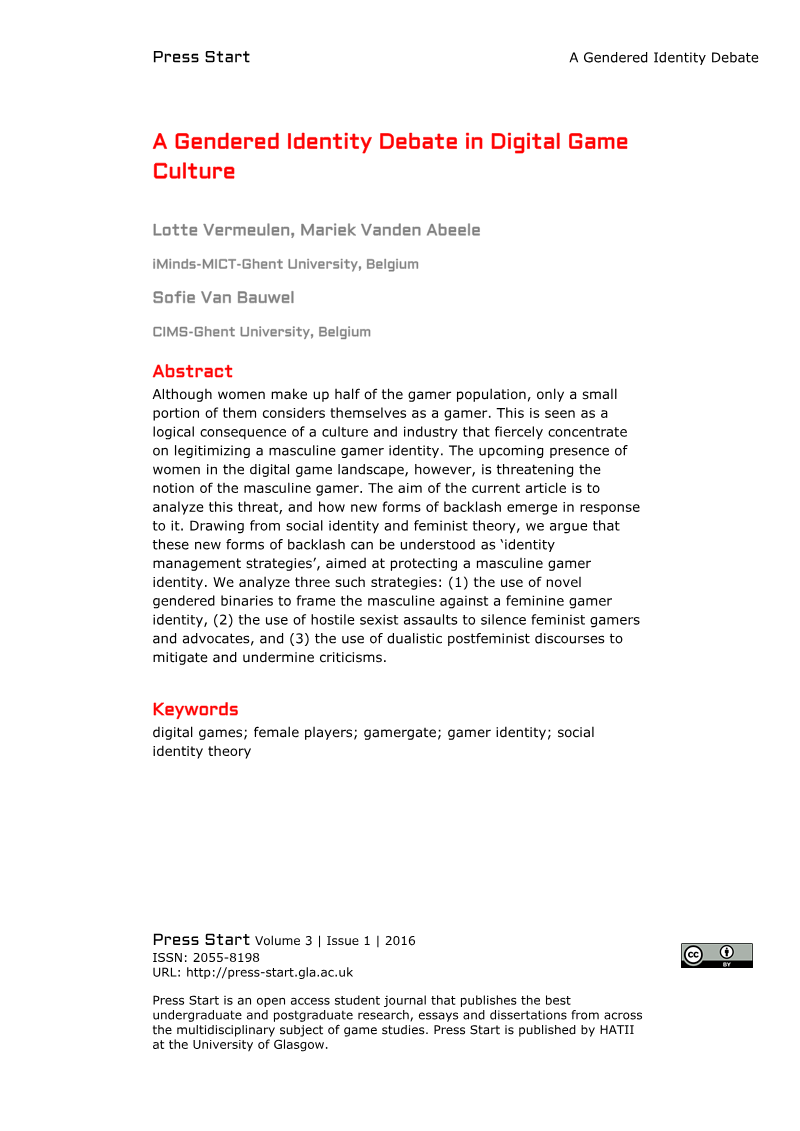
A Gendered Identity Debate in Digital Game Culture
The traditional alignment of gamer identity with masculinity faces significant disruption as the industry experiences a surge in player diversity.
- The gaming industry has historically constructed a 'hegemony of play' that equates gamer identity with masculinity, creating a social barrier that discourages many women from identifying as gamers despite their significant presence in the population.
- Industry data from 2015 shows the gender gap in gaming has largely closed, with 56% of players being male and 44% female, a demographic shift that has triggered a 'gamer status threat' among traditional male players.
- To protect the masculine gamer identity, some players employ a 'strategy of splitting' by framing casual gaming as feminine and inferior, while labeling core, hardcore gaming as masculine and superior.


Well Played: Vol. 6, No. 1
This volume of the Well Played journal marks a significant transition in academic game studies by introducing the first video-based edition of the publication.

Development and Validation of a Questionnaire to Measure Perceptions of Freedom of Choice in Digital Games
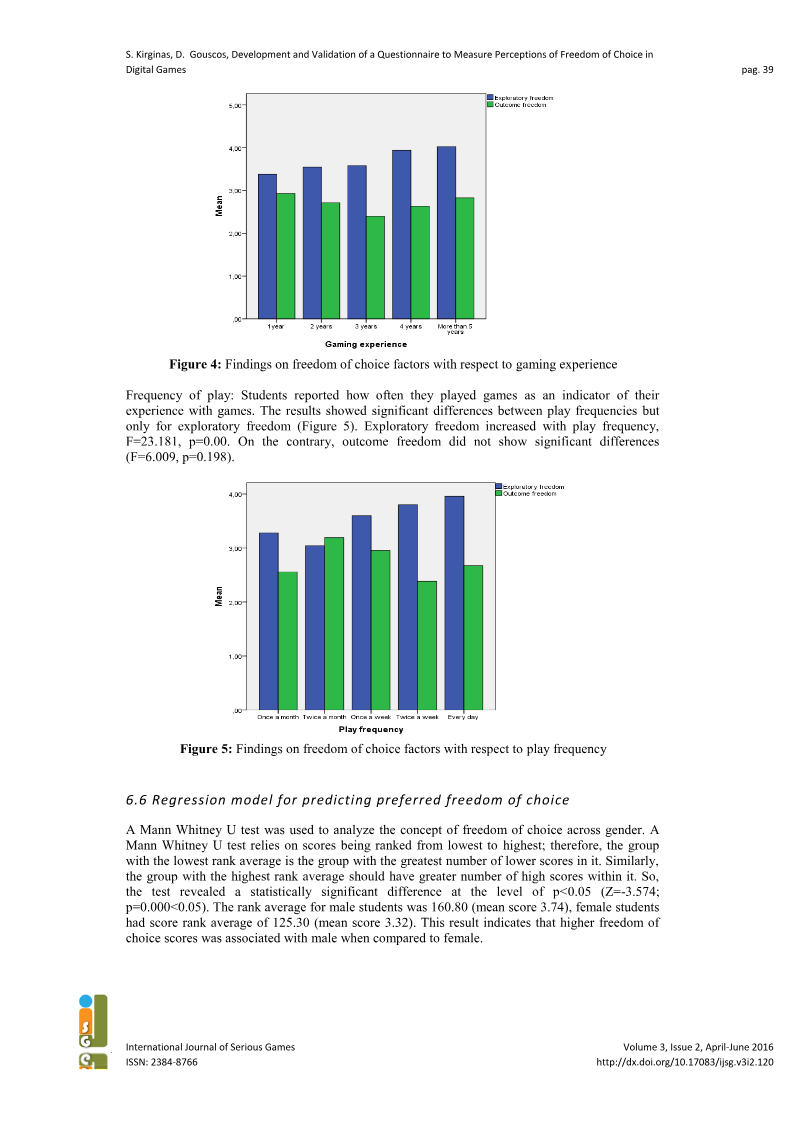
The perception of autonomy in digital environments is defined by two core dimensions: exploratory freedom, which relates to the ability to navigate and interact with game worlds, and outcome freedom, which pertains to the influence players exert over narrative or mechanical results.
- Player autonomy is defined by two distinct dimensions: exploratory freedom (navigation and interaction) and outcome freedom (influence over narrative or mechanical results).
- A validated nine-item questionnaire provides a reliable method for measuring player perceptions of autonomy, demonstrating high internal consistency and construct validity.
- Data from 290 primary school students indicates that players prioritize immersion, agency, and character control over the presence of win/loss states.
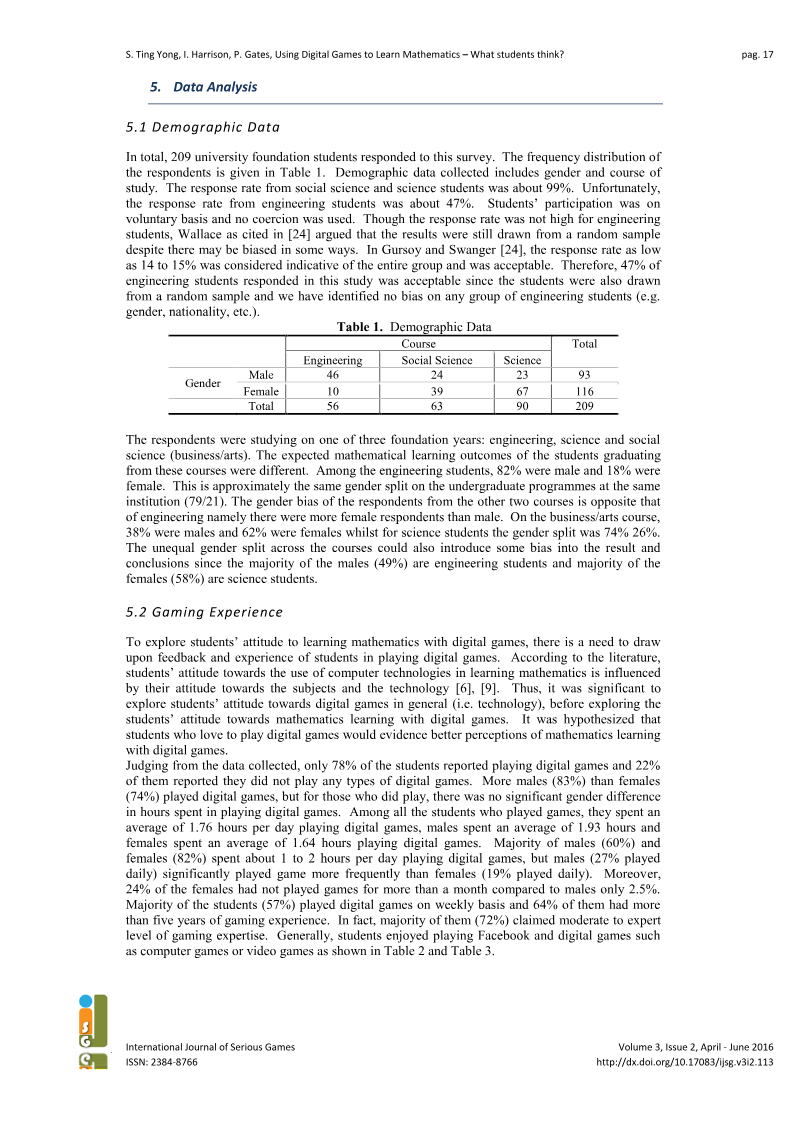

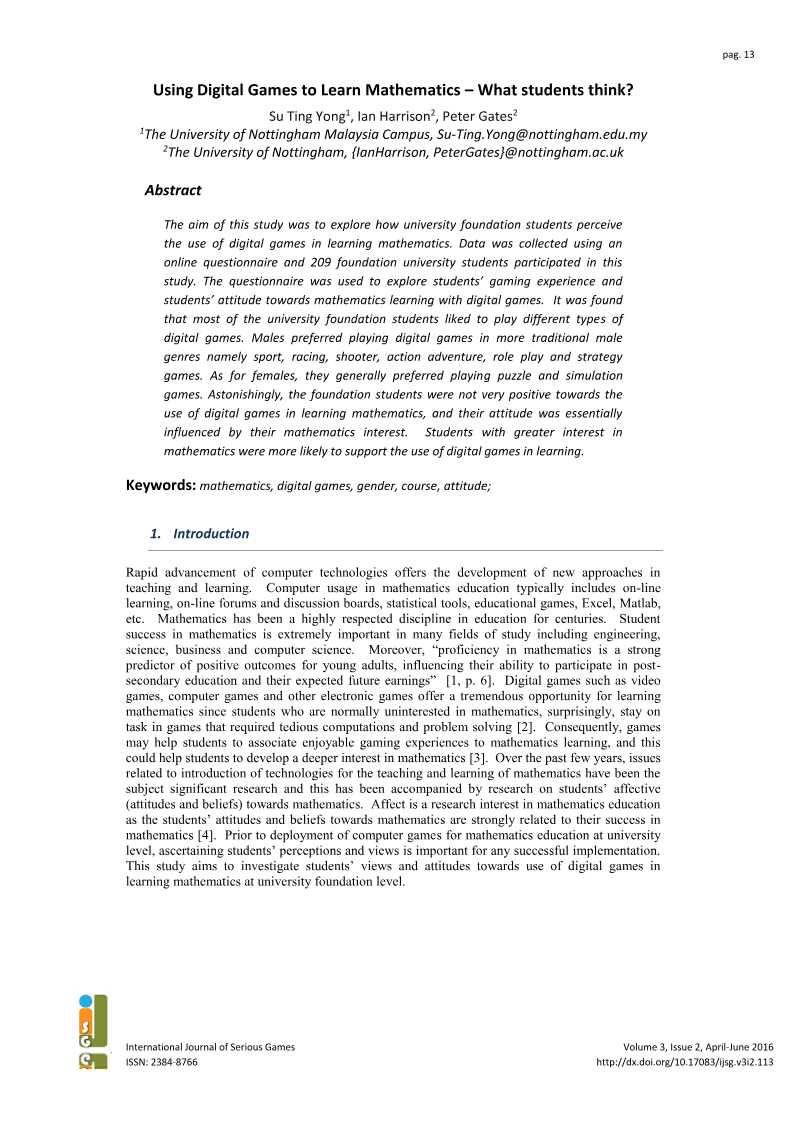
Using Digital Games to Learn Mathematics: What Students Think?
Digital games offer a potential, albeit nuanced, pedagogical tool for mathematics education at the university foundation level.
- A student’s pre-existing interest in mathematics is the primary determinant of success for game-based learning, rendering technology confidence and gaming habits insufficient drivers on their own.
- Digital games are not a universal solution for disengaged learners but function most effectively as a supplementary tool for students who already possess a positive attitude toward mathematics.
- While 78 percent of university foundation students identify as active gamers, their enthusiasm for integrating these games into formal mathematics curricula is only moderately positive.
The Political and Ethical Force of Bastion: Gameplay and the Love of Fate
Most video games operate as power fantasies that prioritize player control, calculability, and the ability to manipulate digital environments.
- Bastion functions as an ethical intervention by challenging the standard gaming trope of player mastery, instead forcing users to confront the limits of their agency.
- The game’s final choice between Restoration and Evacuation serves as a philosophical litmus test regarding the player's relationship with history and control.
- The Restoration ending is framed as a futile, cyclical attempt to undo past suffering through technological mastery, exposing the dangers of nostalgia and the desire to rewrite history.

Well Played: Volume 5, Number 2
This collection of academic essays examines the multifaceted relationship between video games, player identity, and cultural production.
Playing Educational Math Games at Home: The Monkey Tales Case
The integration of educational math games into the home environment reveals a significant tension between intended pedagogical goals and the reality of child-led play.
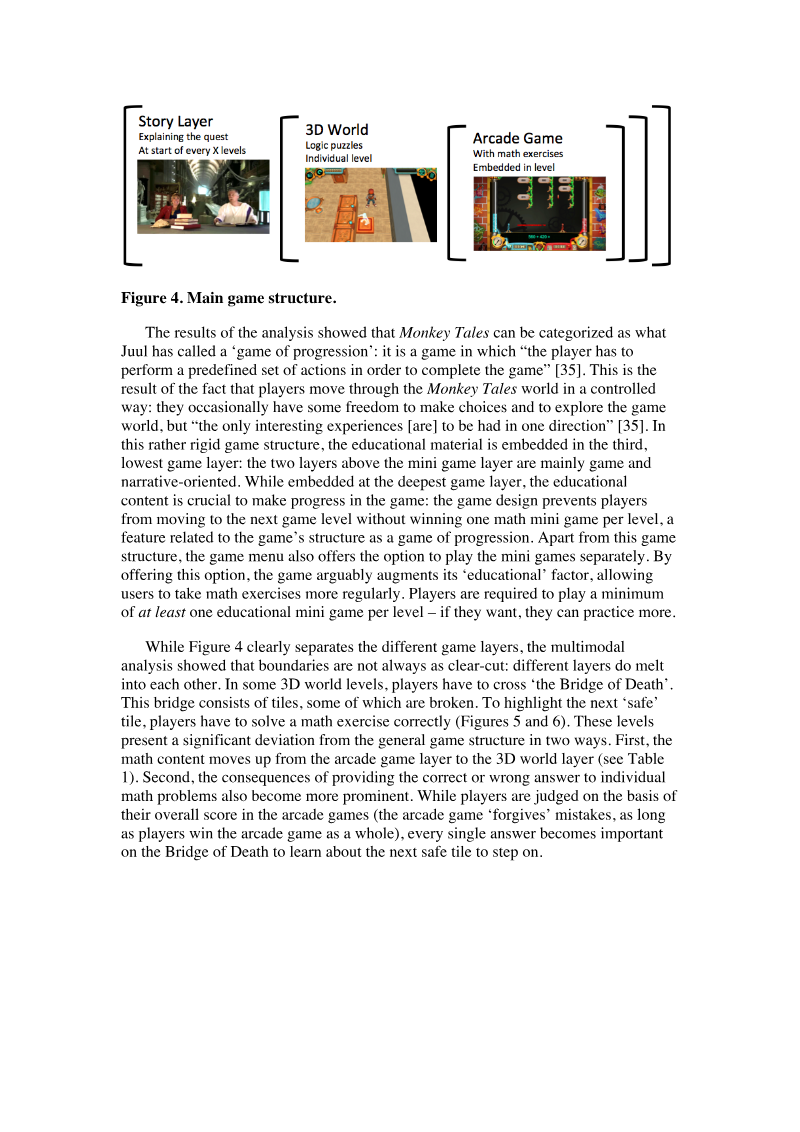
- Educational math games often fail because children prioritize entertainment over pedagogical goals, leading them to subvert rigid 3D structures through guessing or skipping content.
- A six-month ethnographic study of Monkey Tales reveals that when game mechanics are perceived as overly restrictive or lacking in replayability, users frequently abandon the software entirely.
- The home environment creates a distinct dynamic where children actively negotiate play time and resist educational mandates that interfere with their primary objective of gaming.
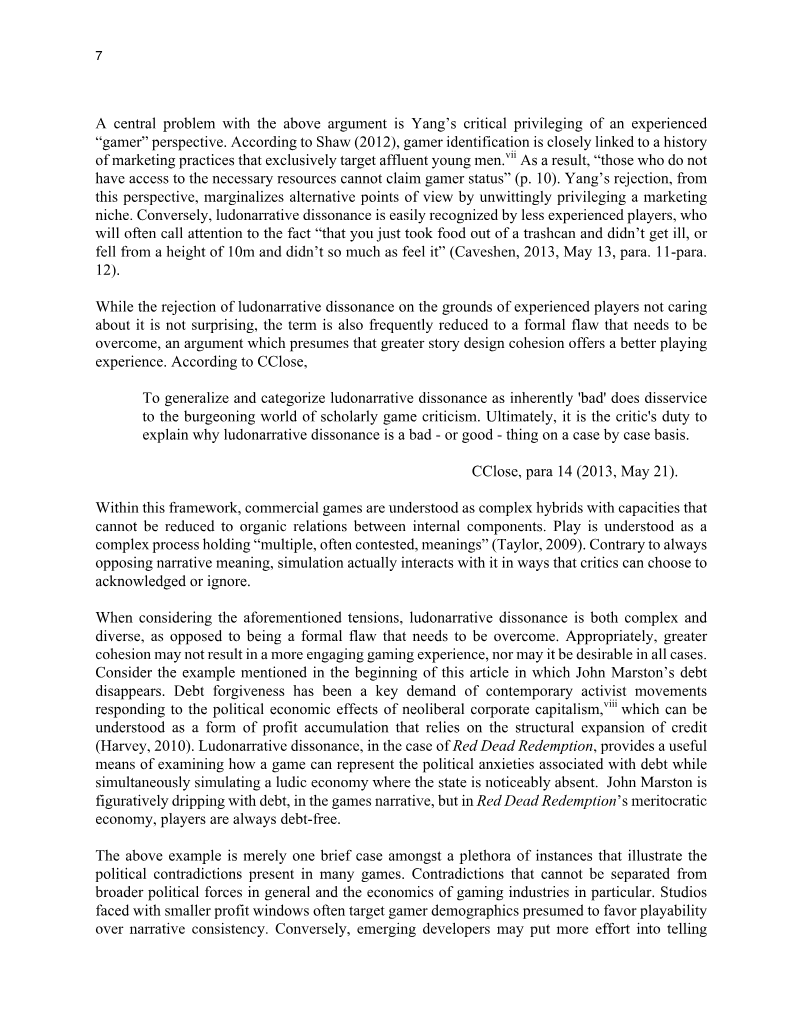
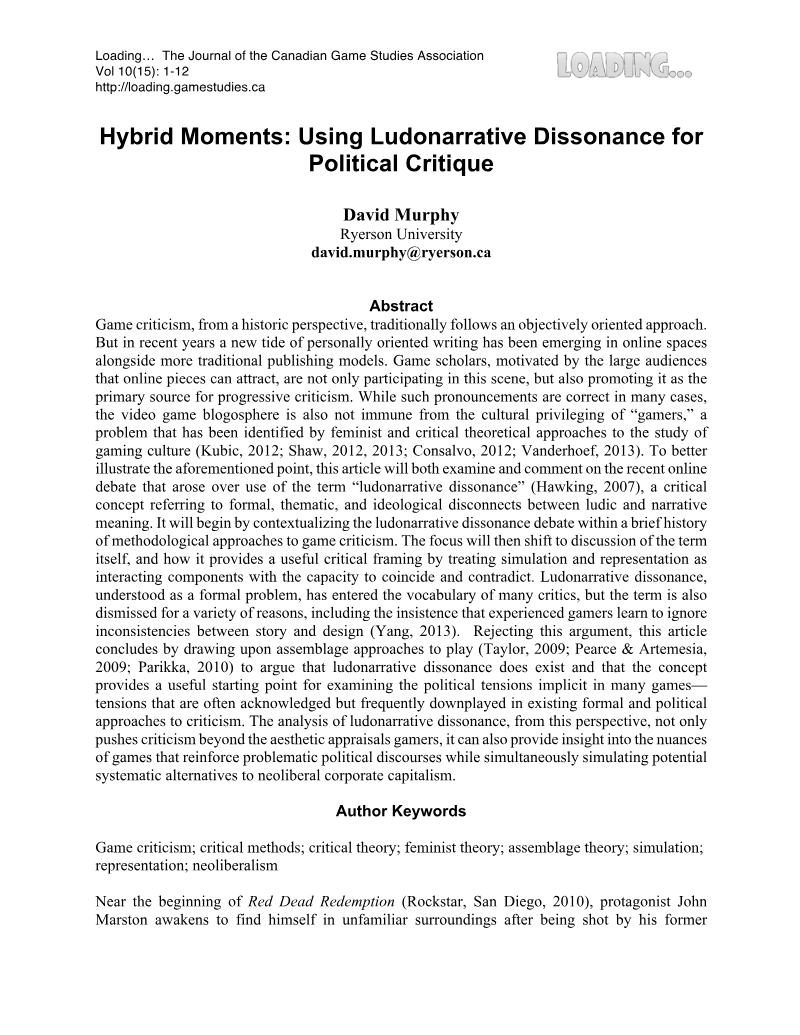
Hybrid Moments: Using Ludonarrative Dissonance for Political Critique
Ludonarrative dissonance functions as a potent analytical lens for uncovering the political tensions embedded within video game design.
- Ludonarrative dissonance should be reclassified from a design flaw into a diagnostic tool for identifying political and ideological tensions within game systems.
- Mechanical actions that contradict narrative messaging serve as a primary indicator of the friction between individual player agency and systemic constraints.
- Analyzing the misalignment between stated moral goals and systemic incentives reveals how games simultaneously reinforce neoliberal ideologies and simulate potential alternatives.


Well Played: A Journal on Video Games, Values, and Meaning (Vol. 5, No. 1)
This collection of analyses examines the intersection of game mechanics, narrative depth, and sociocultural representation within the contemporary video game industry.
What is Strafe Jumping? idTech3 and the Game Engine as Software Platform
Strafe jumping represents a critical case study in how emergent, community-driven gameplay mechanics can fundamentally redefine the trajectory of software development.
- Strafe jumping is a physics engine bug in idTech3 that allows players to bypass movement speed limits, effectively doubling their velocity and transforming Quake III Arena into a high-speed twitch shooter.
- The persistence of the strafe jumping glitch was driven by the player community, which successfully advocated for its retention despite id Software's ability to fix it during the engine's development.
- Game engines function as 'software platforms' that impose specific operational logics, which constrain and define the gameplay possibilities for any title built upon them.

A Structural Model for Player-Characters as Semiotic Constructs
The player-character functions as a complex semiotic construct that simultaneously operates as a narrative entity, a ludic component, and a vehicle for player expression.
- Player-characters function as complex semiotic constructs that integrate narrative entities, ludic components, and vehicles for player expression into a single, coherent identity.
- Character identity is formed through a hierarchical process that merges static mimetic elements, such as appearance and voice, with dynamic ludic affordances like systemic capabilities and limitations.
- Systemic constraints, including vulnerabilities and statistical attributes, act as essential vehicles for personality development by forcing players to project their intentions onto the protagonist.
Reconciling Csikszentmihalyi’s Broader Flow Theory: Meaning and Value in Digital Games
Current game design discourse frequently misapplies Mihaly Csikszentmihalyi’s Flow theory by reducing it to a narrow calibration of challenge and skill.
- Game design currently misapplies Flow theory by reducing it to a narrow, mechanistic calibration of challenge versus skill.
- The industry’s focus on technical difficulty curves ignores the essential role of personal and cultural context in determining whether an experience is meaningful.
- A new 'tenth condition' of Flow is proposed, requiring that activities provide a clear, participant-defined pathway for meaningful self-growth.