1 free read left. Create a free account for unlimited reading + AI research.
Create free accountWhitepaper Loading... The Journal of the Canadian Game Studies Association
1 free read left. Create a free account for unlimited reading + AI research.
Create free accountWhitepaperLoading... The Journal of the Canadian Game Studies Association
Distilling the key insights…
Ludonarrative dissonance functions as a potent analytical lens for uncovering the political tensions embedded within video game design. Rather than viewing the disconnect between narrative themes and mechanical systems as a mere failure of polish or design coherence, this framework reveals how games simultaneously reinforce dominant neoliberal ideologies and simulate potential alternatives. By shifting the critical focus away from traditional aesthetic evaluation, these inconsistencies expose the underlying contradictions between a game’s stated moral goals and the systemic incentives provided to the player.
The discourse surrounding this phenomenon often dismisses dissonance as a technical flaw or an academic abstraction, yet such perspectives overlook its utility as a diagnostic tool for economic and social anxiety. When mechanical actions contradict narrative messaging, they highlight the friction between individual agency and systemic constraints. Embracing these moments of misalignment allows for a more rigorous critique of how games handle complex power dynamics, moving the industry toward a more inclusive and self-aware design philosophy that acknowledges the political weight of its own interactive structures.
This critical approach draws upon a broad spectrum of contemporary scholarship and industry discourse, spanning the last decade of game studies. By synthesizing academic theory with practical observations of game mechanics, the analysis addresses the intersection of identity politics, cultural representation, and systemic design. Ultimately, the study of ludonarrative dissonance provides a necessary methodology for deconstructing the ideological foundations of modern interactive media, ensuring that the evaluation of games accounts for the profound impact of their internal contradictions on the player experience.

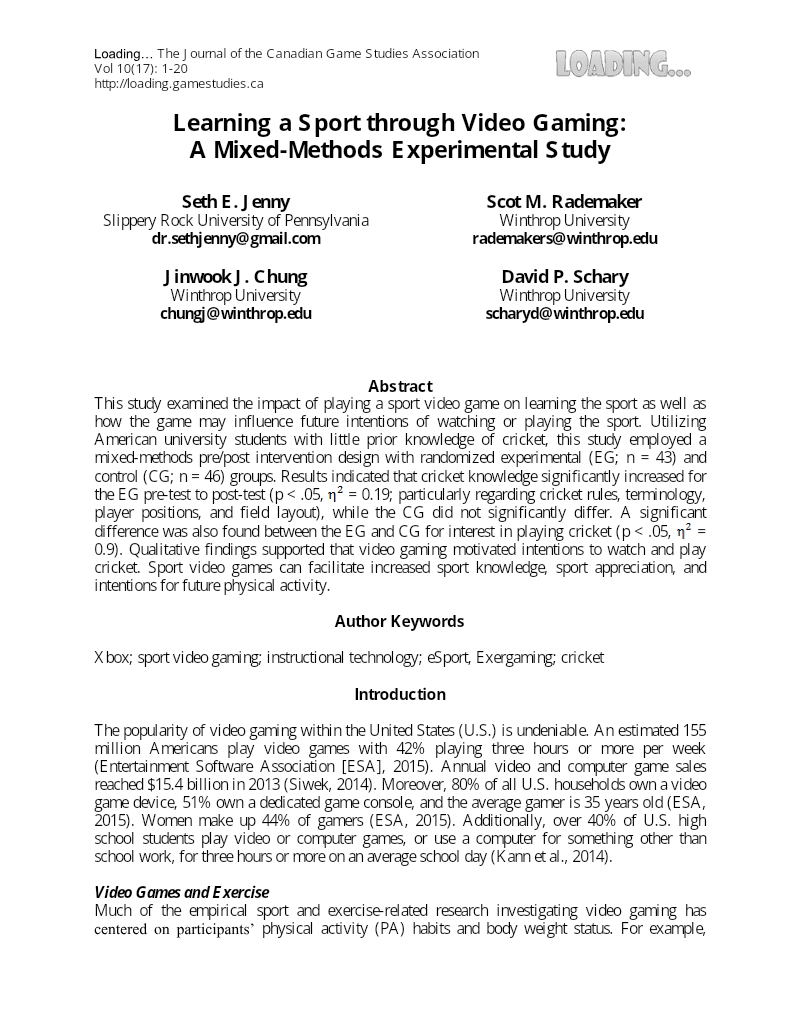
Loading... The Journal of the Canadian Game Studies Association · 2018
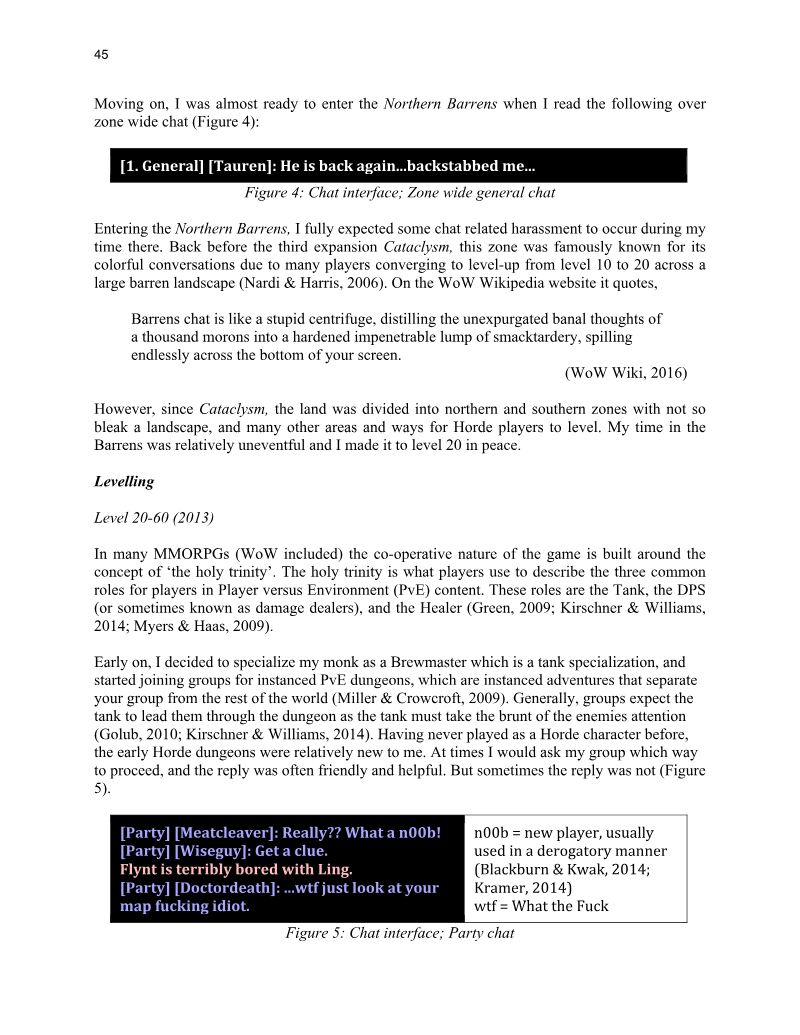
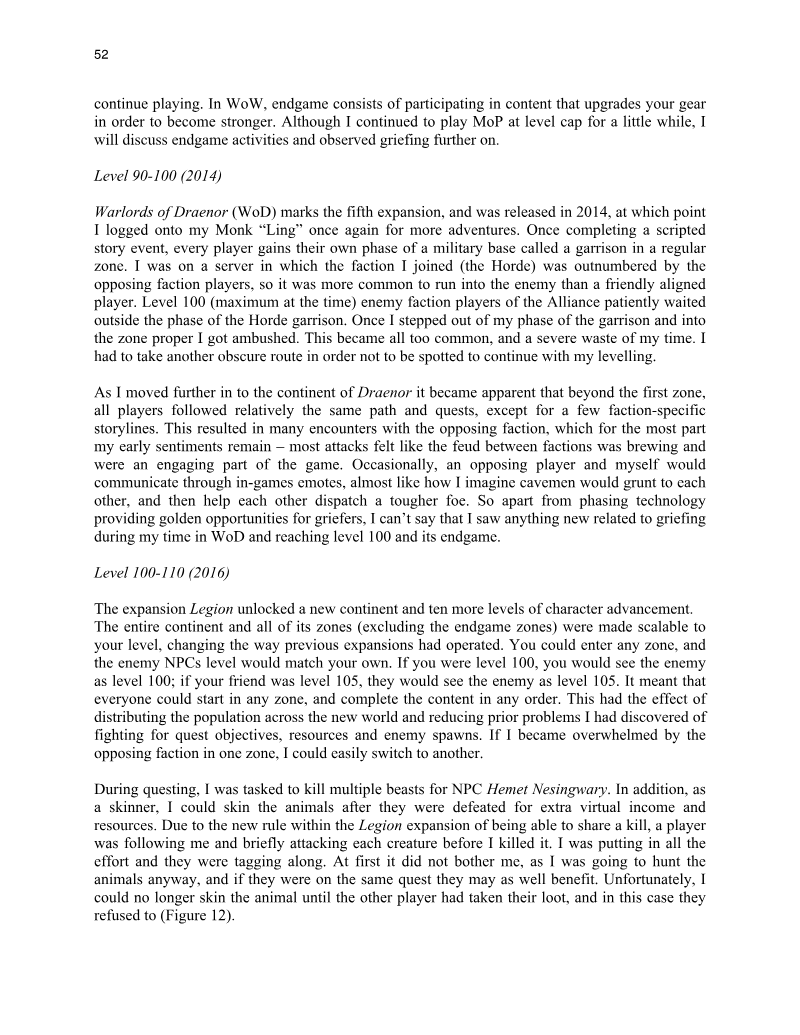
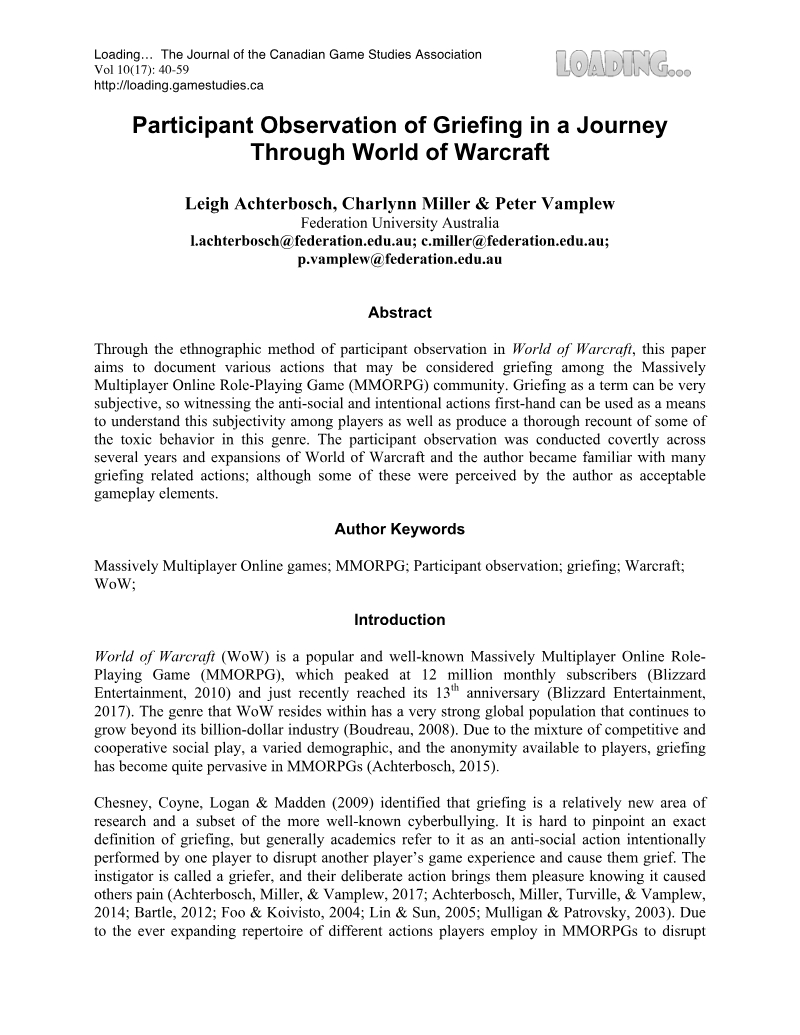
Loading... The Journal of the Canadian Game Studies Association · 2018
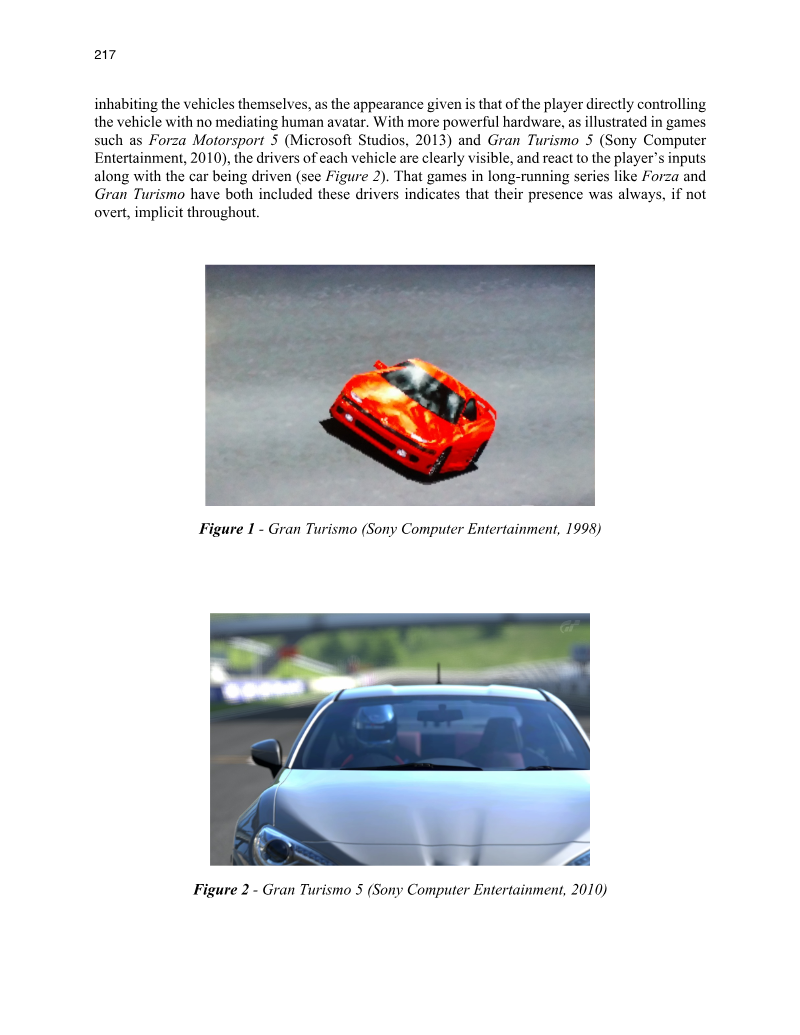
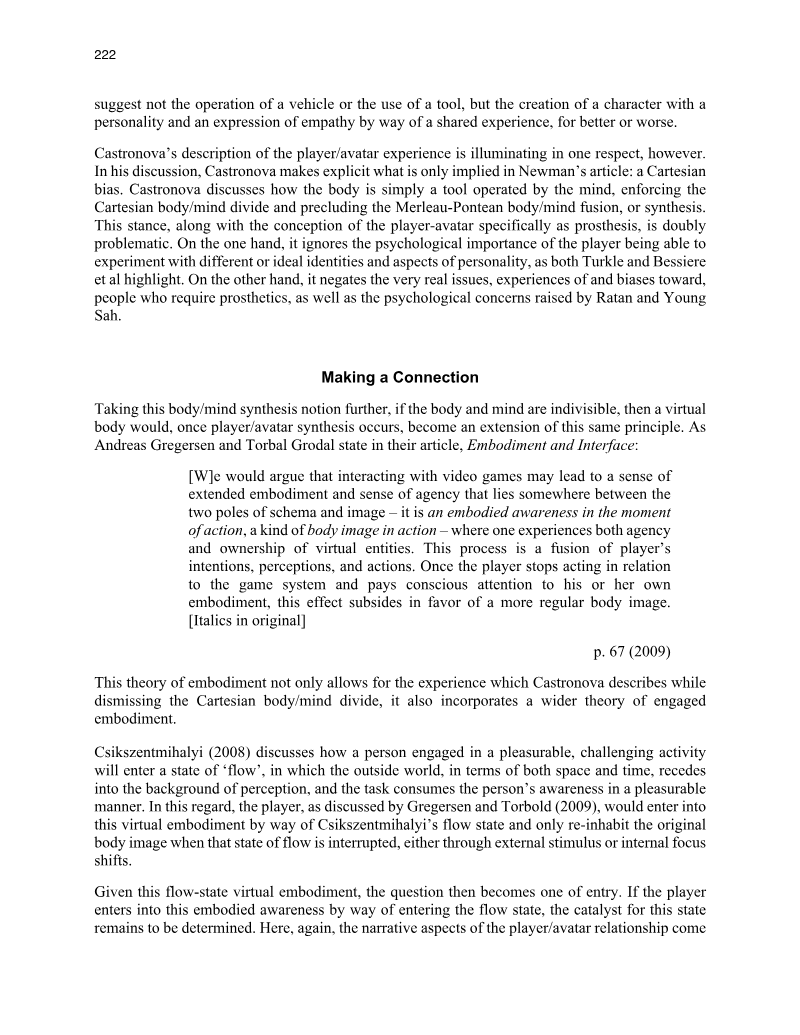
Loading... The Journal of the Canadian Game Studies Association · 2017
Loading... The Journal of the Canadian Game Studies Association · 2017
Loading... The Journal of the Canadian Game Studies Association · 2017
Loading... The Journal of the Canadian Game Studies Association · 2017
Loading... The Journal of the Canadian Game Studies Association · 2017
Loading... The Journal of the Canadian Game Studies Association · 2017
Loading... The Journal of the Canadian Game Studies Association · 2017
Loading... The Journal of the Canadian Game Studies Association · 2017
Loading... The Journal of the Canadian Game Studies Association · 2016
Loading... The Journal of the Canadian Game Studies Association · 2016
DiGRA · 2026