1 free read left. Create a free account for unlimited reading + AI research.
Create free accountWhitepaper ETC Press
1 free read left. Create a free account for unlimited reading + AI research.
Create free accountWhitepaperETC Press
Distilling the key insights…
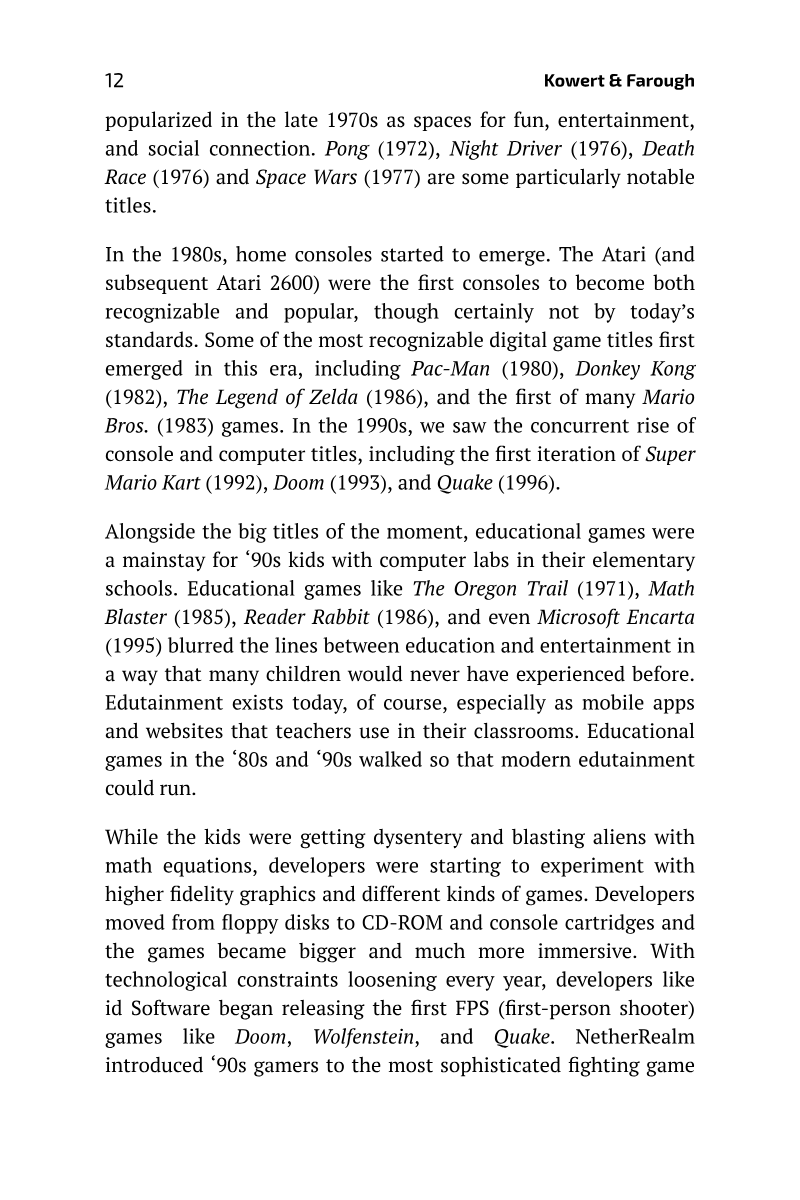
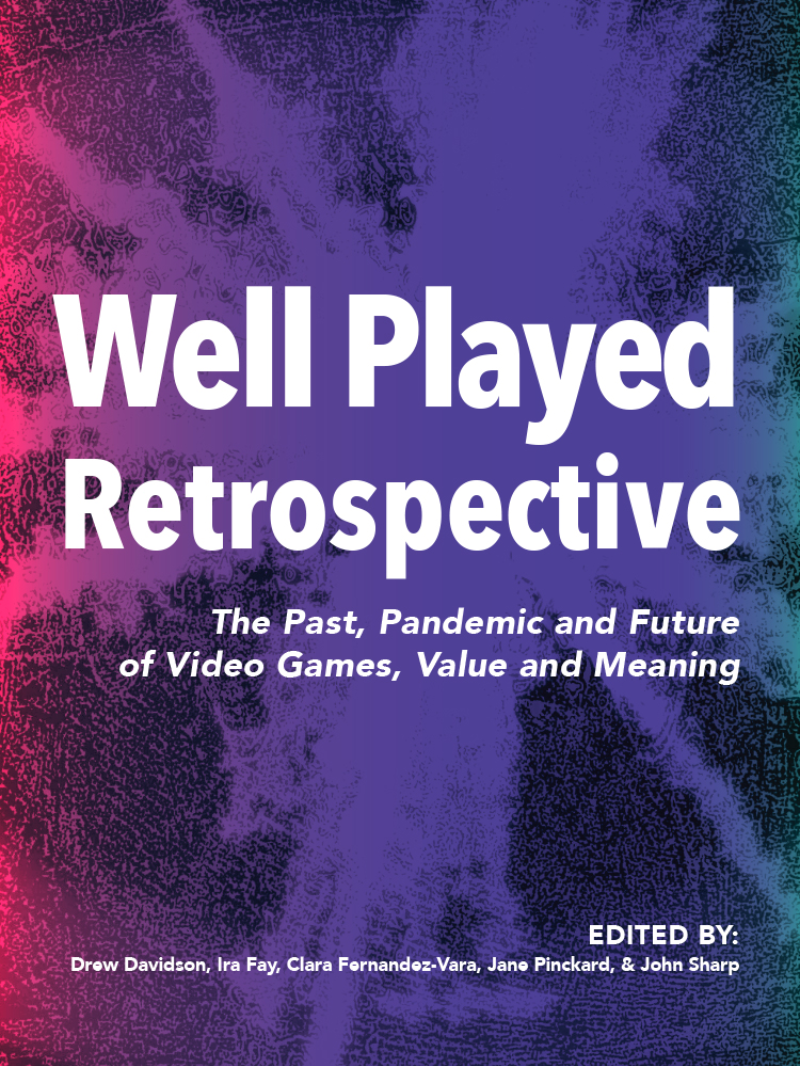
This collection of academic essays examines the multifaceted relationship between video games, player identity, and cultural production. By analyzing diverse titles ranging from massive multiplayer online games to rhythm-based and educational software, the research explores how games function as complex, transmedia artifacts that extend far beyond their original programmed boundaries. The central thesis posits that the "lived experience" of gaming is a socially constructed phenomenon, shaped by community-driven rhetoric, professionalized spectator culture, and the integration of external paratexts.
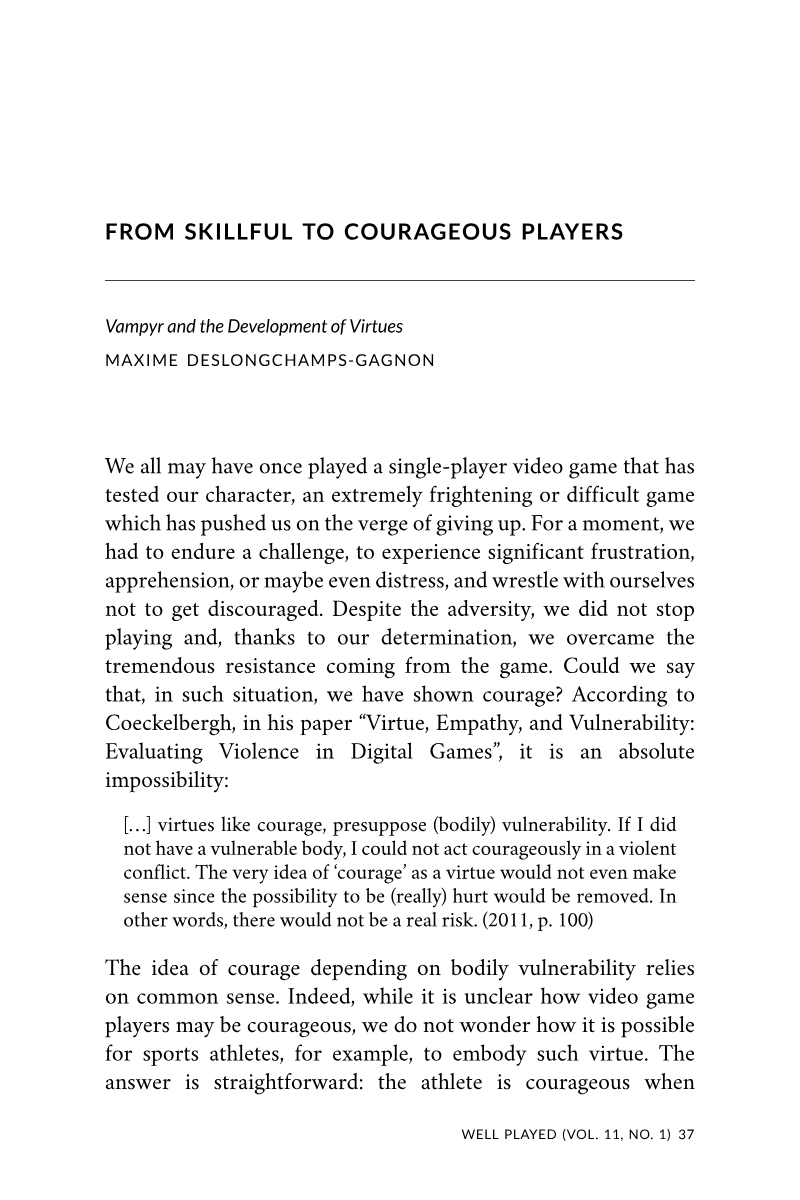
The findings highlight how players actively redefine game boundaries through collaborative knowledge-sharing and the creation of secondary, community-led systems. In titles like EVE Online and Final Fantasy VI, players utilize colloquialisms, glitches, and social norms to legitimize specific playstyles, effectively blurring the lines between virtual leisure and real-world labor. Similarly, the study of competitive eSports and "Let’s Play" documentation demonstrates that professional broadcasts and recorded playthroughs have become essential components of the gaming experience, functioning as pedagogical tools that influence amateur strategy and foster distributed cognitive activity.
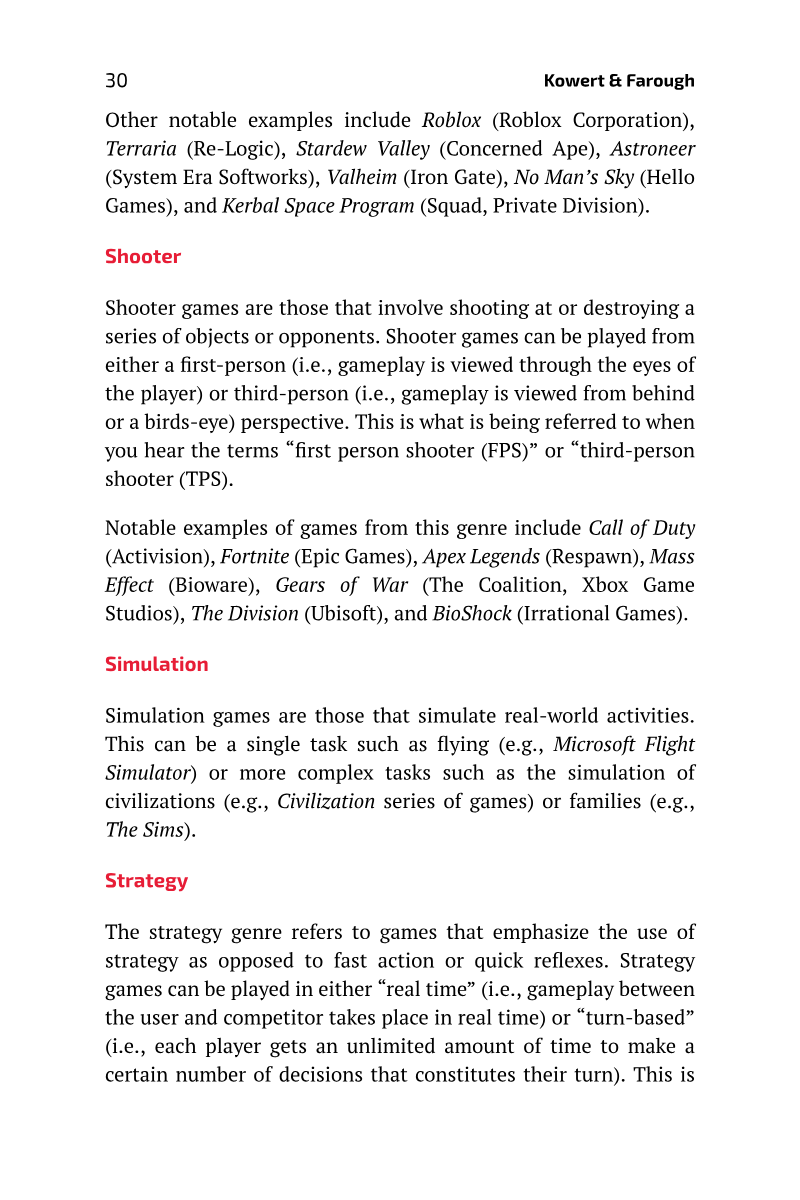
The scope of this analysis encompasses a broad spectrum of the industry, including MMOGs, competitive eSports, pervasive mobile games, and educational simulations. Across these segments, the research identifies recurring themes of "transtextuality," where the game is only one part of a larger, networked ecology of media. Whether through the "love-as-mechanic" tropes in narrative-heavy games or the iterative, collaborative problem-solving found in Kerbal Space Program, the document concludes that gaming literacy is a non-linear, socialized process. Ultimately, the research underscores that the significance of any game is not fixed by its developers but is instead continuously negotiated by the communities that play, document, and interpret these digital worlds.
Each row is a game or company this document names, each column a document, oldest first. A mark means that document names it. Select a row to see those documents.
ETC Press · 2023
ETC Press · 2023
ETC Press · 2022
ETC Press · 2022
ETC Press · 2022
ETC Press · 2022
ETC Press · 2021
ETC Press · 2021

ETC Press · 2021
ETC Press · 2021
ETC Press · 2021
ETC Press · 2020
DiGRA · 2026