Game Studies reports and market data
Documents
Ethics for Cyborgs: On Real Harassment in an Unreal Place
Online harassment within gaming environments is a systemic issue rooted in patriarchal social structures rather than a mere byproduct of digital anonymity.
- Online harassment in gaming is a systemic issue rooted in patriarchal social structures rather than a byproduct of digital anonymity, leading to real-world consequences like doxxing and threats.
- Passive moderation models are insufficient to address the pattern of systemic violence, necessitating a shift toward proactive social engineering within game design.
- Developers should encode social structures that discourage prejudice by implementing reward mechanics that prioritize collective success and user-controlled communication tools.
Career Paths of Women in the German Games Industry
The German games industry is characterized by a stark gender imbalance, with women comprising only 5 to 6 percent of the total workforce.
- Women currently represent only 5 to 6 percent of the total workforce in the German games industry.
- Professional advancement for women is restricted by a glass ceiling that limits access to technical development and top-management positions.
- The industry's high-pressure, long-hours culture and frequent crunch periods create significant barriers for women balancing professional roles with family responsibilities.
Assessing and Improving Listening Skills: A Test of Two Theories
Effective training for U.S. Navy recruits in high-stakes, suboptimal environments relies heavily on the quality of auditory communication within simulation-based learning.
- Human-recorded audio significantly outperforms synthetic speech in skill acquisition for novice trainees within high-stakes simulation environments.
- High-fidelity audio is the primary driver of successful information extraction, proving more critical to instructional design than cognitive load management strategies.
- Previous iterations of the Damage Control Trainer achieved an 80 percent reduction in communication errors, establishing a baseline for current optimization efforts.
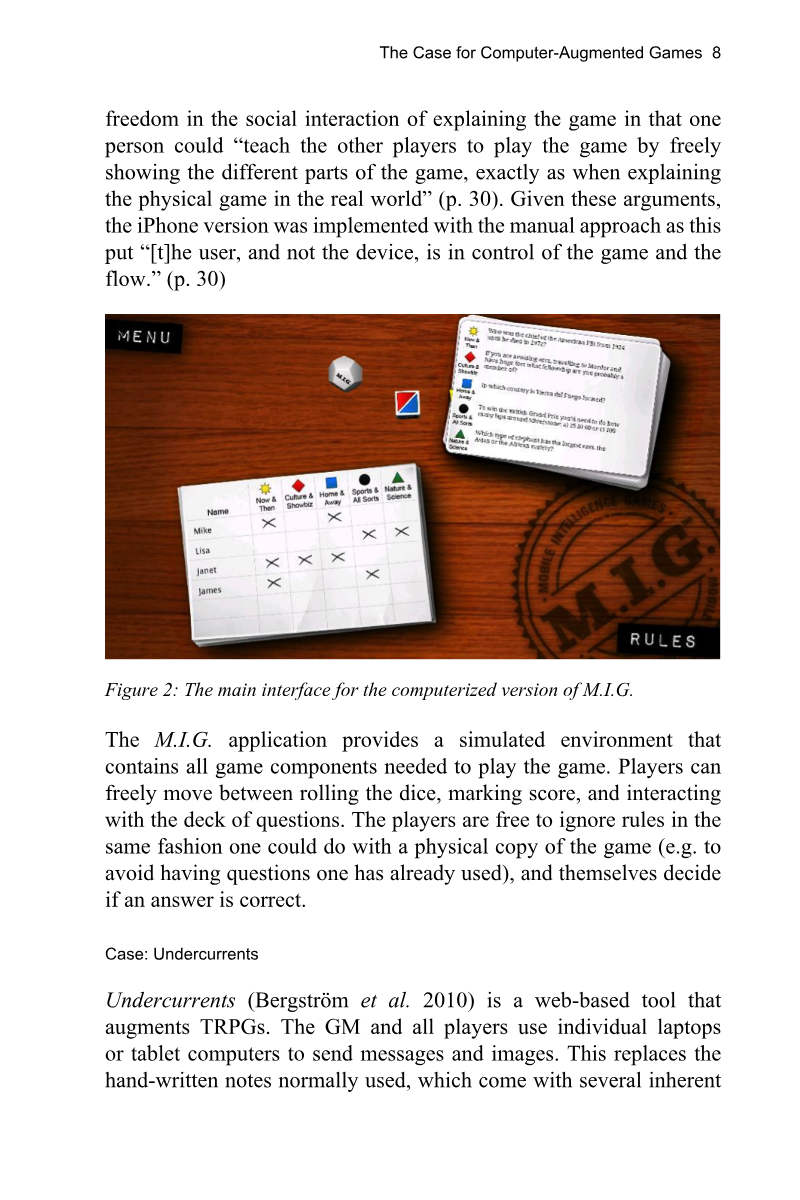

The Case for Computer-Augmented Games: Using Computers to Support and Not Dictate Gameplay
Computer-augmented games represent a distinct design paradigm that prioritizes human agency by utilizing technology as a supportive tool rather than a restrictive, mediating platform.
- Computer-augmented games prioritize human agency by using technology as a supportive tool to reduce administrative overhead rather than as a platform that dictates gameplay.
- Successful design in this space balances automated convenience with the preservation of social spontaneity and player-led mastery found in traditional tabletop and live-action gaming.
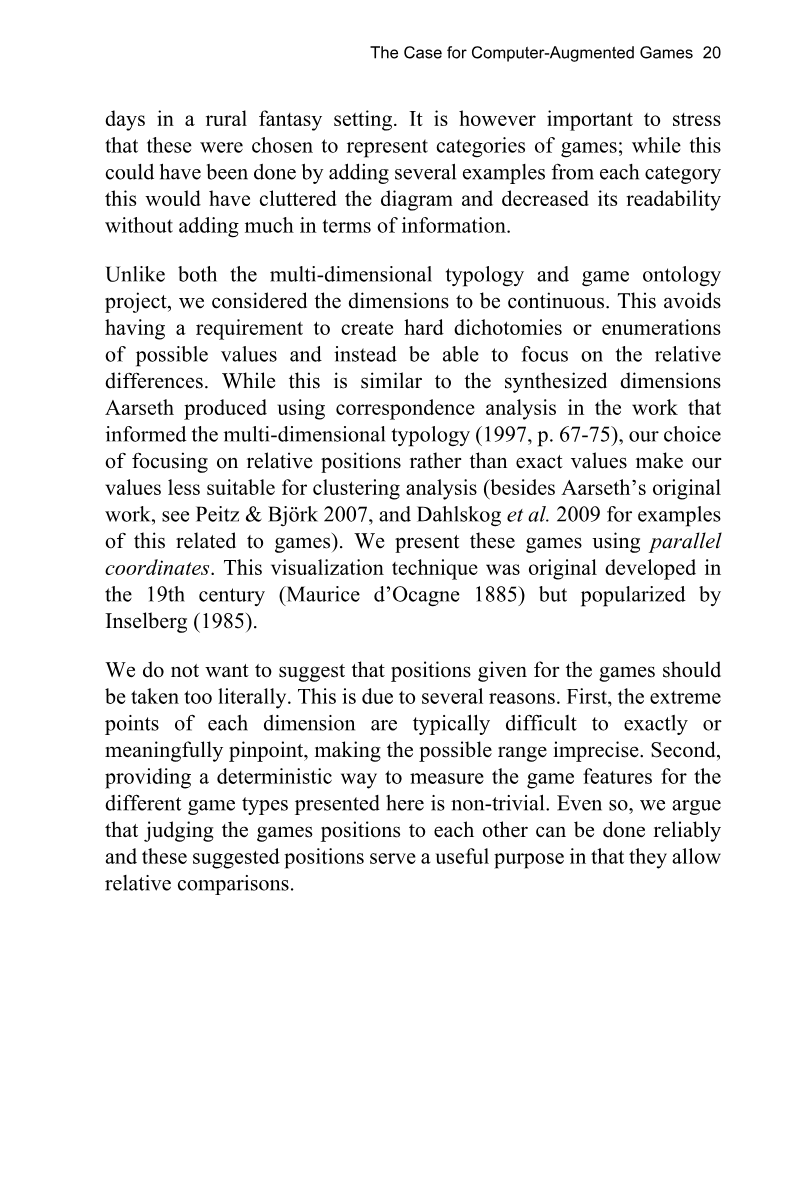
- The effectiveness of digital integration is evaluated through a multi-dimensional framework focusing on game logic, physical tangibility, and content fluidity.

“That’s Not a Secure Area”: Physical-Digital Sound Links in Commercial Locative Games
Commercial locative mobile games utilize sound design as a primary mechanism to bridge the gap between digital content and the physical environment.
- Developers prioritize narrative plausibility and emotional resonance over technical geolocation accuracy to maintain cohesive experiences despite mobile hardware limitations.
- Sound design in locative games functions as a tool for mobility and situated experience rather than a primary navigational requirement.
- Designers utilize verbal references, spatialization, and functional indexing to anchor digital interactions within the physical environment.

SimCity and the Creative Class: Happiness, Place, and the Pursuit of Urban Planning
The SimCity franchise functions as a significant cultural artifact that bridges the gap between complex urban planning theory and interactive digital simulation.
- SimCity functions as a model-based simulation that embeds specific urban planning and sociological assumptions—such as Richard Florida’s 'creative class' theories—into its gameplay mechanics.
- The game series has evolved from a basic city-planning tool in 1989 to complex simulations like SimCity 3000 (1999) and SimCity Societies (2007), which incorporate sophisticated variables like waste management, pollution, and citizen happiness.
- In 2013, Electronic Arts partnered with GlassLab to release SimCityEDU, a STEM-focused educational adaptation designed to meet Common Core standards by removing variables to isolate specific learning objectives.

From the Board to the Streets: A Case Study of Local Property Trader
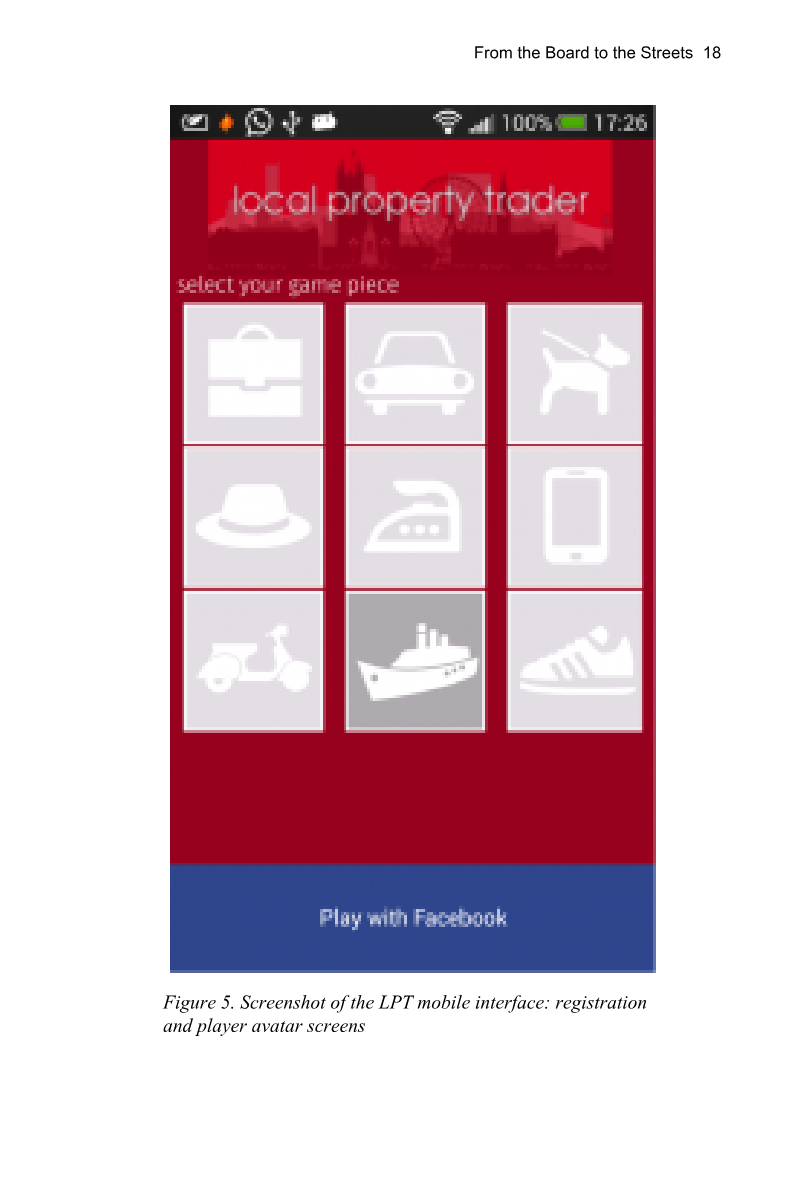
Local Property Trader functions as a location-based mobile application designed to revitalize high-street commerce and foster community social capital by transposing the mechanics of traditional property-trading board games onto real-world urban environments.
- Local Property Trader (LPT) is a location-based mobile game that adapts Monopoly mechanics to real-world city streets, using property ownership and wealth accumulation to educate players and businesses on 'social capital.'
- The game calculates a property's 'Social Capital' score daily by pulling Twitter data—such as follower counts, retweets, and post frequency—to dynamically adjust rent prices and property values.
- To ensure physical engagement with local environments, LPT requires players to physically visit locations and interact with NFC tags or QR codes to perform actions like checking in or purchasing property, preventing the location-spoofing common in GPS-only apps.

Game Design in an Internet of Things
The convergence of the Internet of Things and game design is fundamentally transforming the industry by blurring the boundaries between physical toys and virtual environments.
- Game design is shifting toward 'phygital' experiences that treat physical objects as active participants in the gameplay loop rather than relying solely on screen-centric conventions.
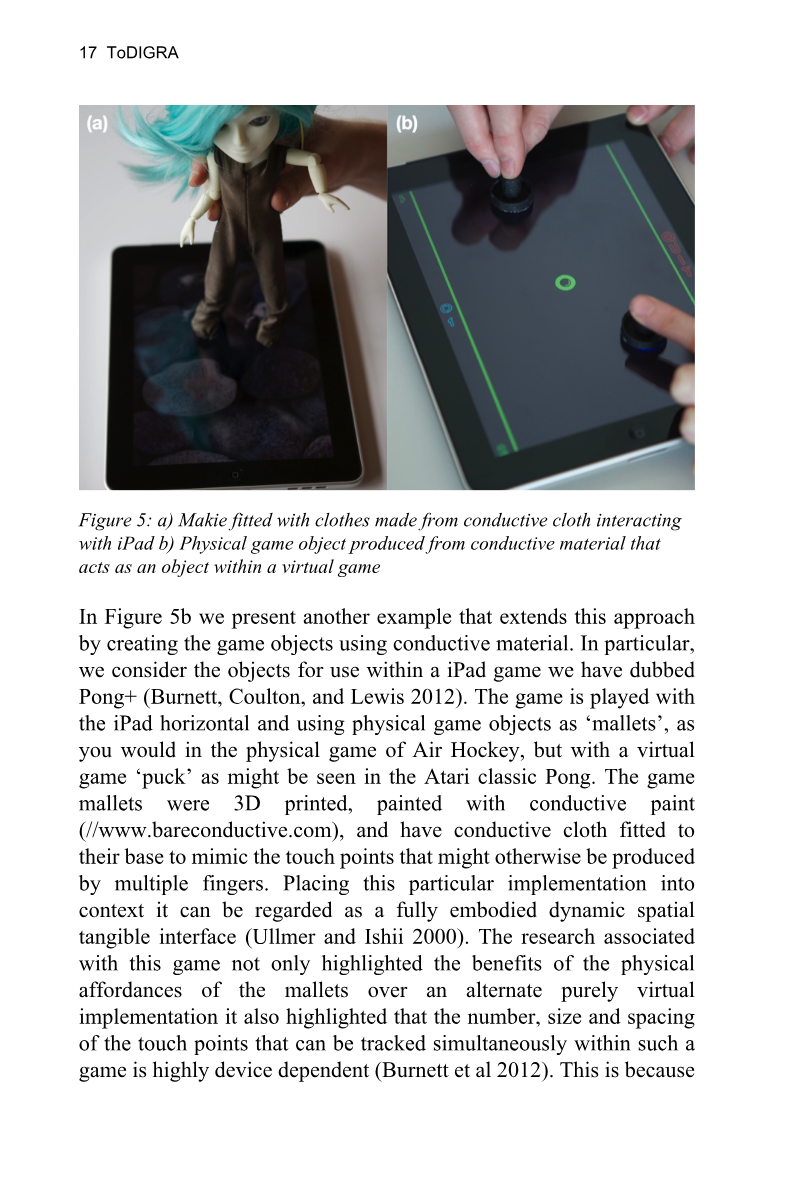
- The democratization of low-cost 3D printing and open-source platforms is enabling independent developers to create hybrid products that exist simultaneously in tangible and digital spaces.
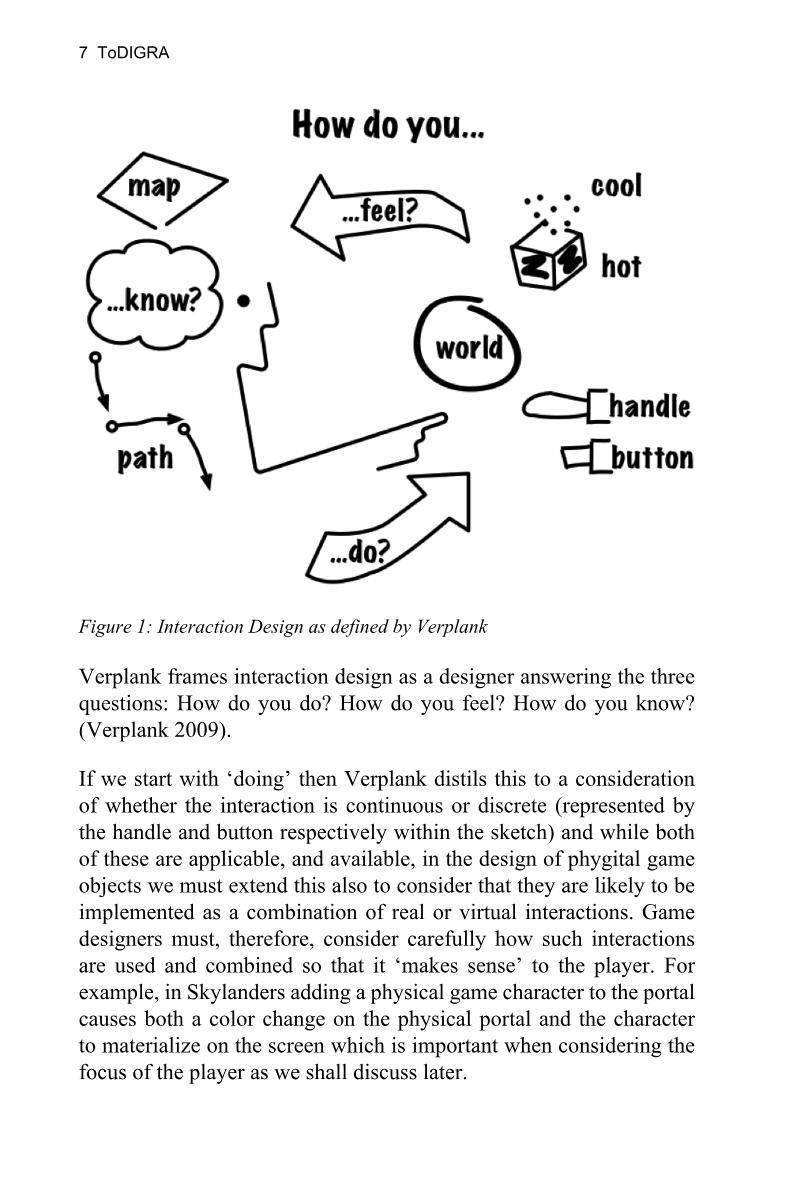
- Effective phygital design requires synthesizing product design with computer interface principles, specifically utilizing frameworks like Gaver’s affordance model to ensure intuitive interactions.
Exploring the Effect of Achievements on Students Attending University Orientation
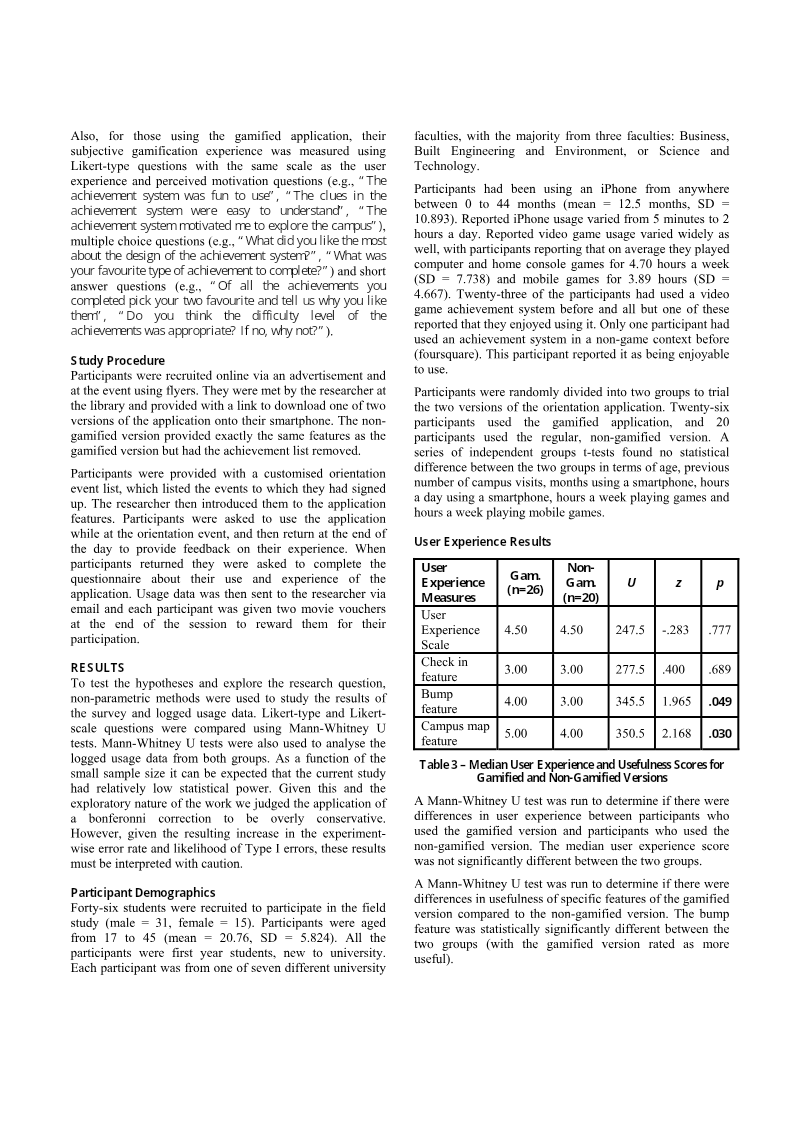
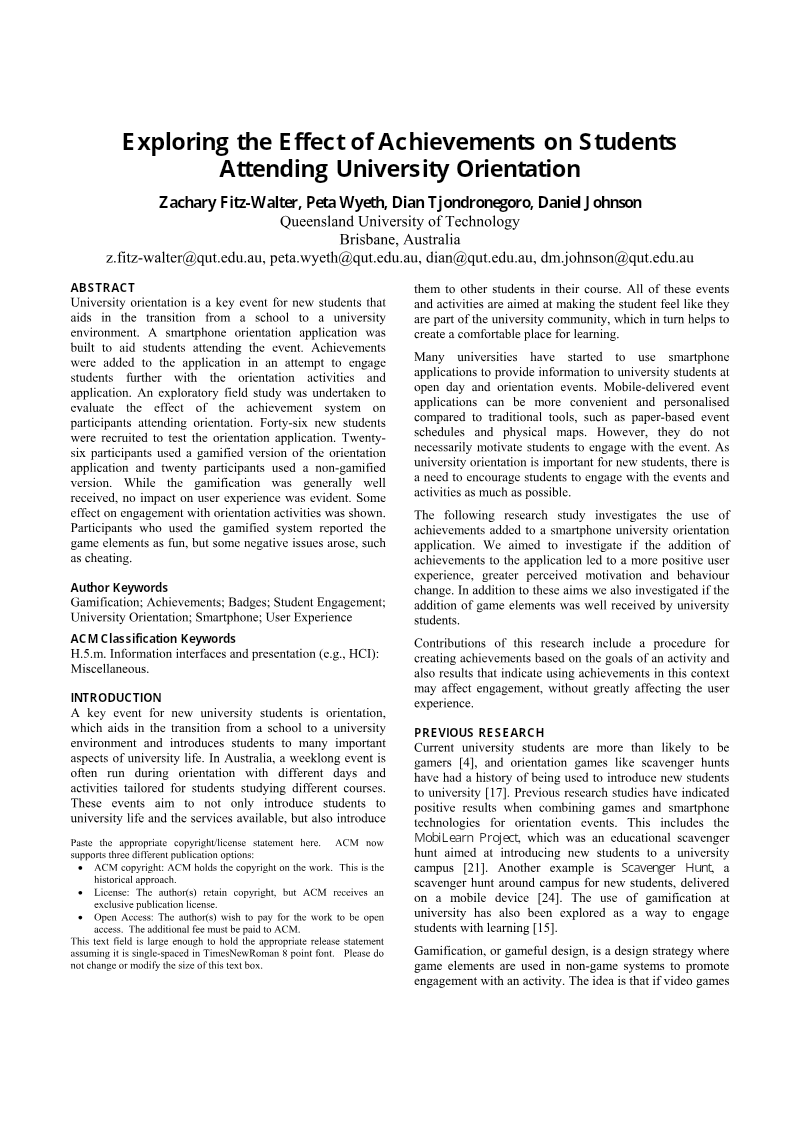
Gamification strategies within university orientation programs serve as effective tools for driving targeted student behaviors, though they do not inherently elevate the broader user experience.
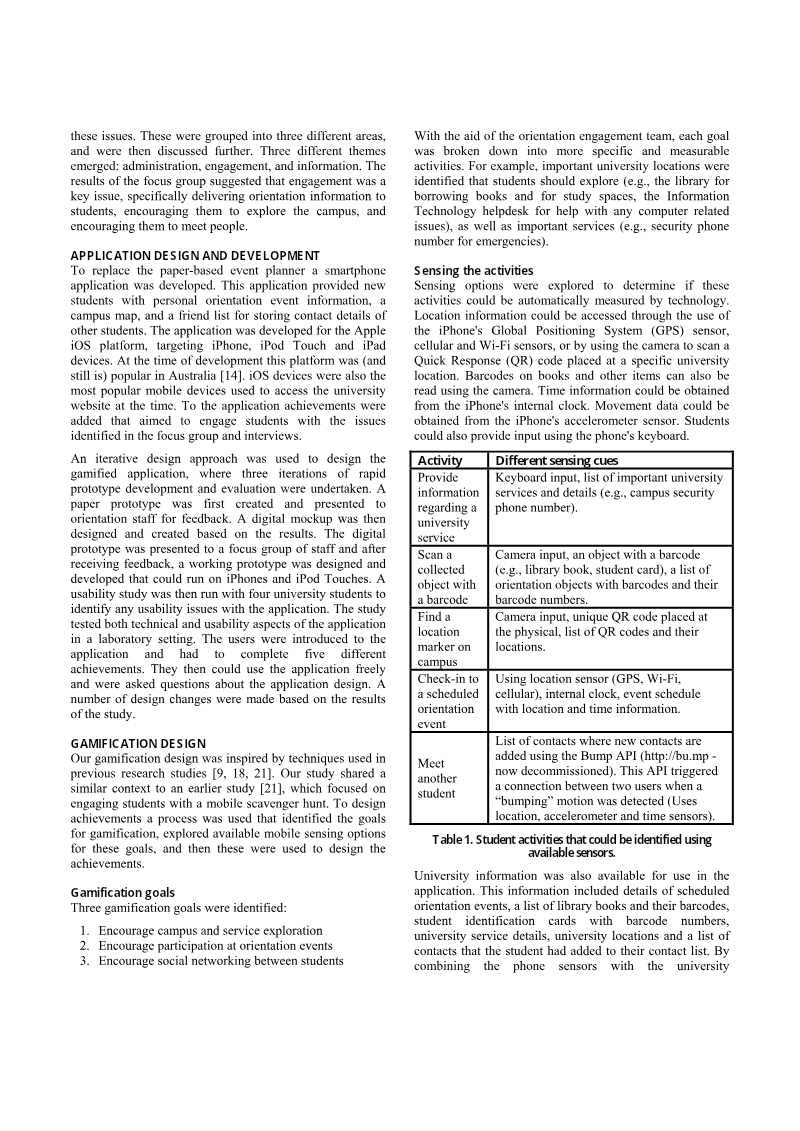
- Gamification effectively drives specific student behaviors like event check-ins and social networking, but it does not statistically improve the overall user experience compared to non-gamified alternatives.
- Achievement systems function as short-term behavioral catalysts, with student interaction typically dropping off immediately once the extrinsic rewards are unlocked.
- A study of 46 university students confirms that while gamified orientation apps are perceived as enjoyable and aesthetically pleasing, they fail to foster sustainable, long-term engagement.
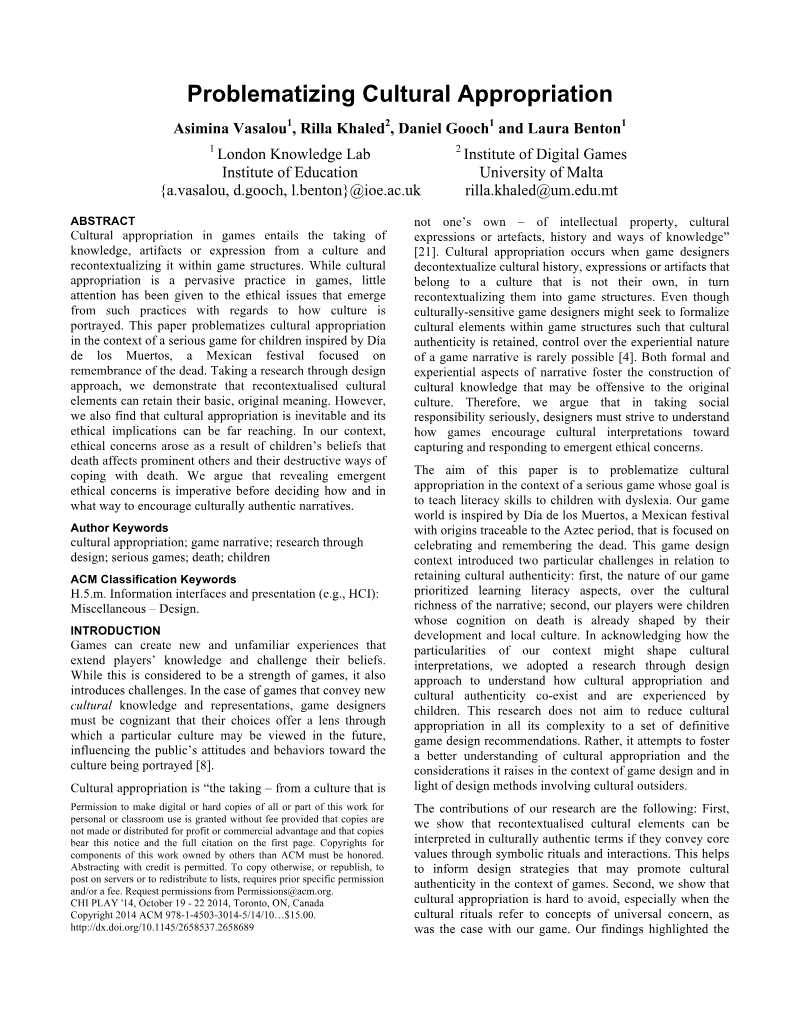
Problematizing Cultural Appropriation
Cultural appropriation in game design represents an unavoidable ethical challenge that requires designers to balance pedagogical objectives with the preservation of cultural authenticity.
- Designers must shift from attempting to eliminate cultural reinterpretation to adopting a more informed and sensitive design practice, as cultural appropriation is an inherent byproduct of cross-cultural interaction.
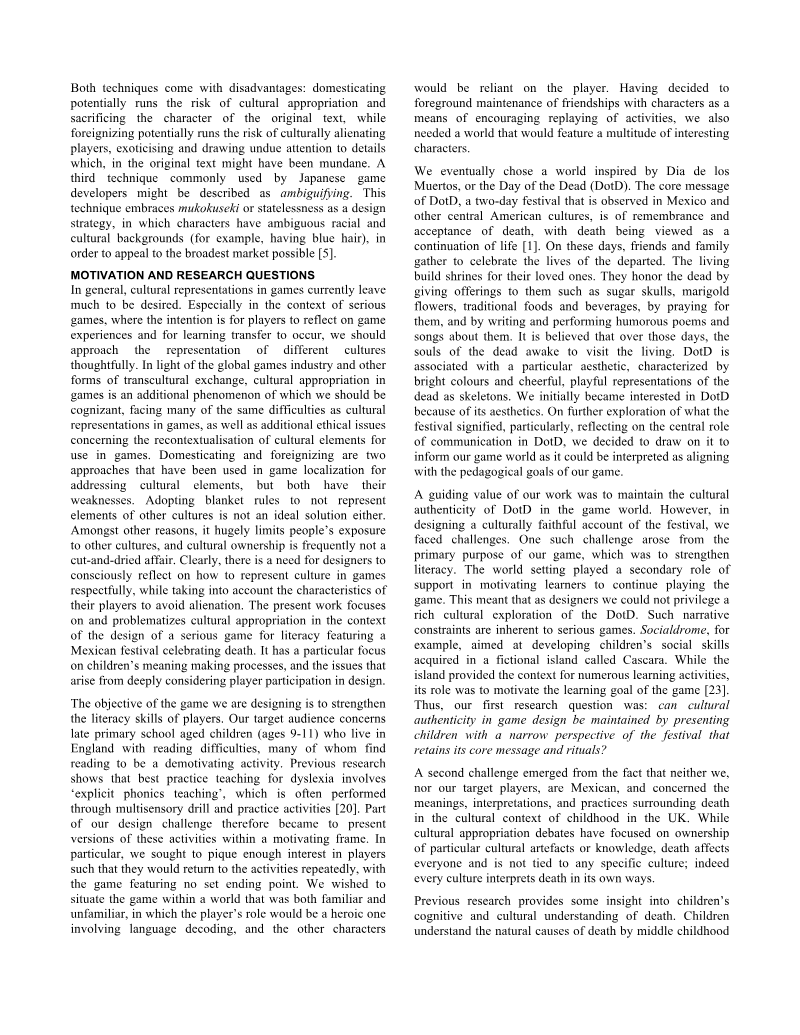
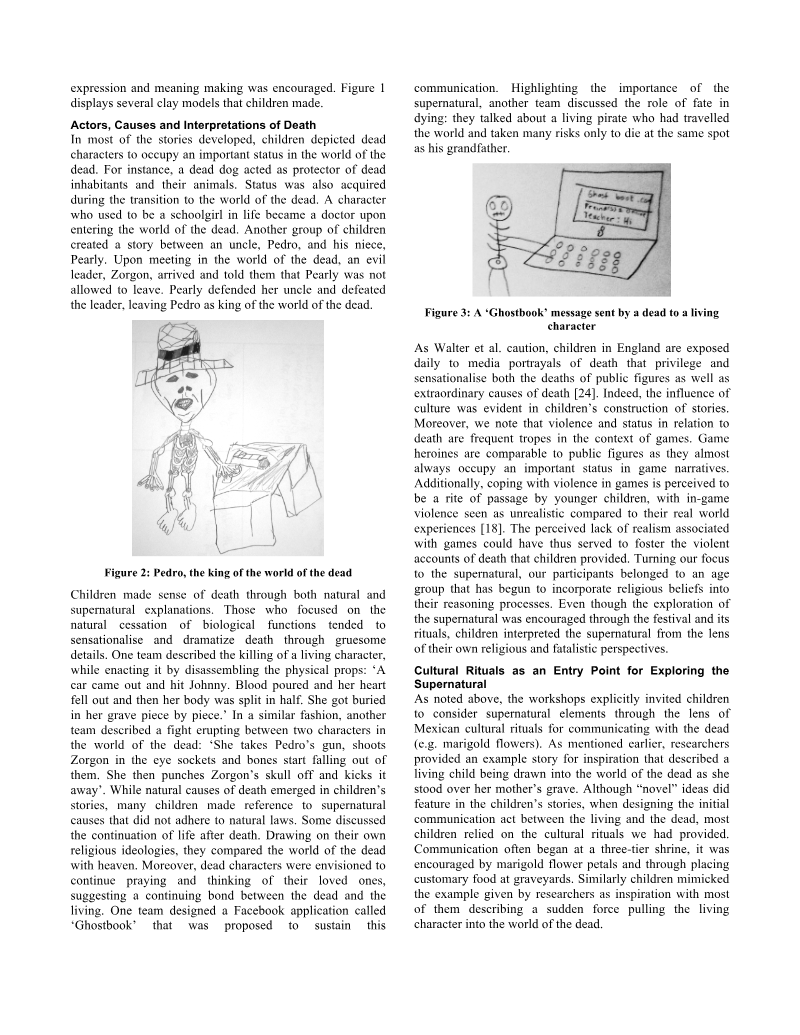
- Children aged nine to eleven do not passively consume cultural frameworks but actively synthesize them with their own existing tropes, such as religious fatalism, violence, and social status.
- Meaning in games is a hybrid product formed by the designer’s intent and the player’s personal, media-influenced background.

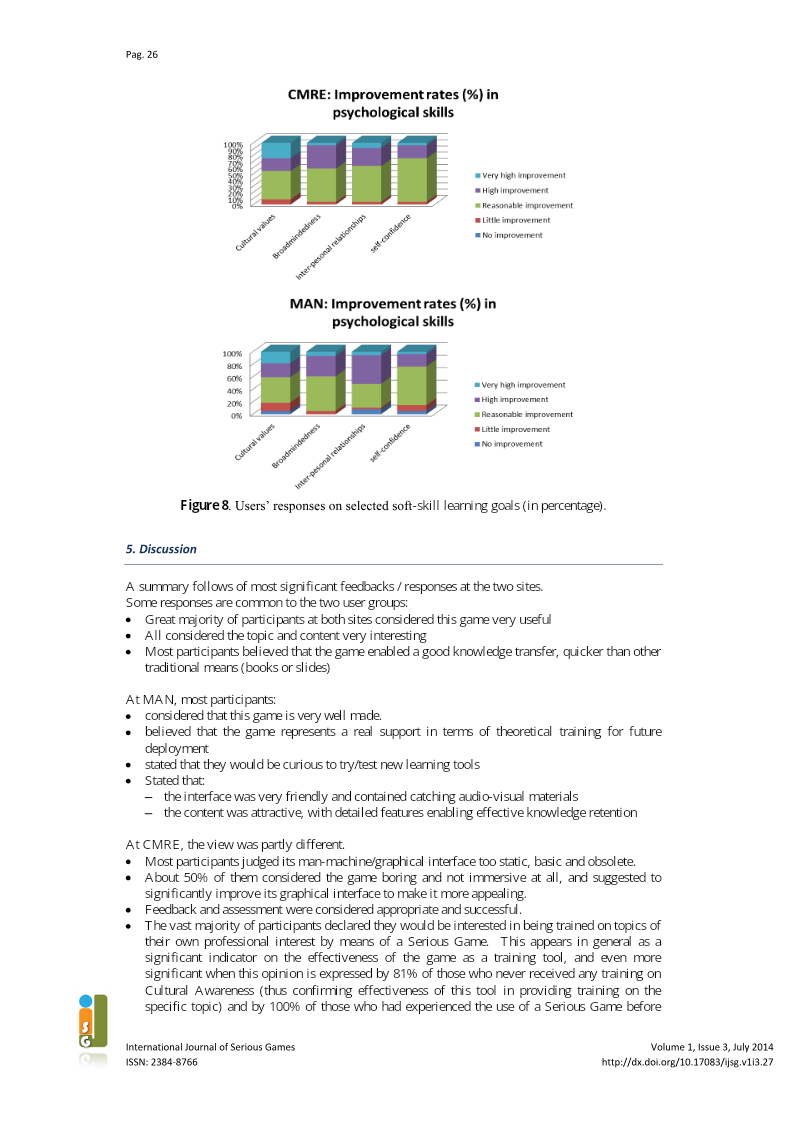
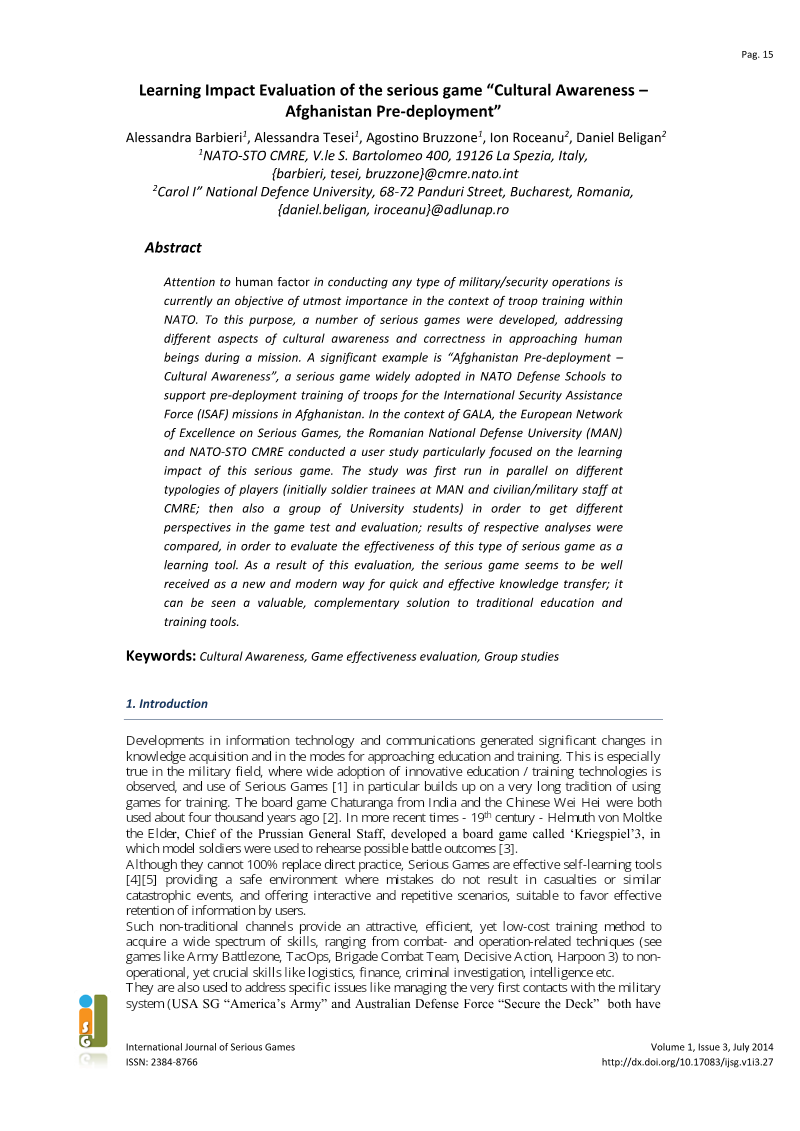
Learning Impact Evaluation of the Serious Game: Cultural Awareness - Afghanistan Pre-deployment
The Cultural Awareness Afghanistan Pre-deployment serious game functions as a specialized training instrument designed to enhance the decision-making capabilities of NATO military personnel and civilian staff.
- The Cultural Awareness Afghanistan Pre-deployment game effectively improves decision-making and operational readiness by allowing personnel to practice cultural intelligence in a low-stress, simulated environment.
- The training tool is most effective for individuals with no prior subject matter exposure, resulting in significant measurable improvements in cognitive and soft-skill development.
- Evaluations across diverse cohorts—including military personnel, civilian staff, and students—confirm the game is a highly efficient and reliable method for knowledge transfer.
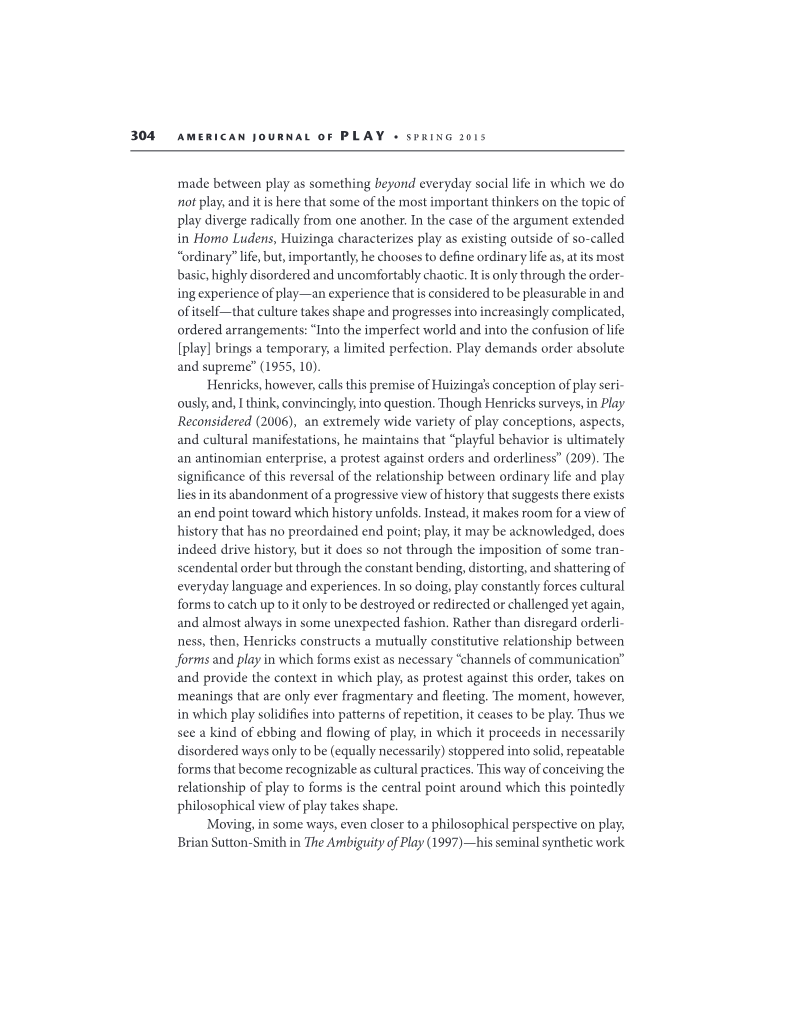
Ludic Ontology: Play's Relationship to Language, Cultural Forms, and Transformative Politics
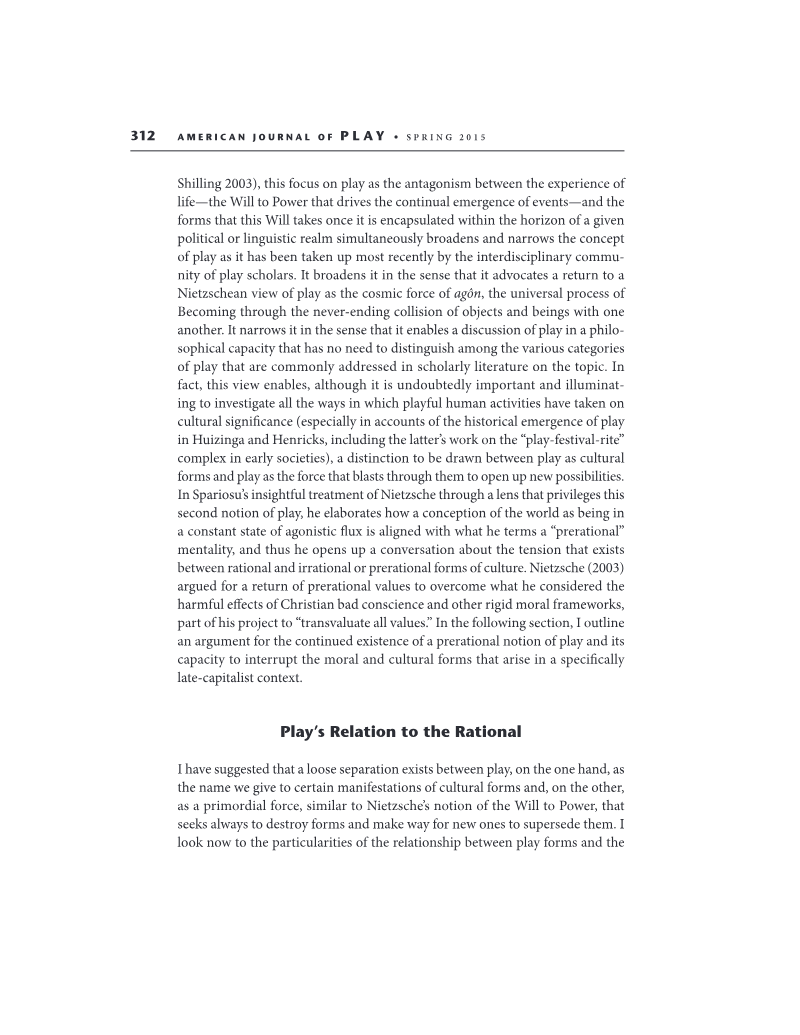
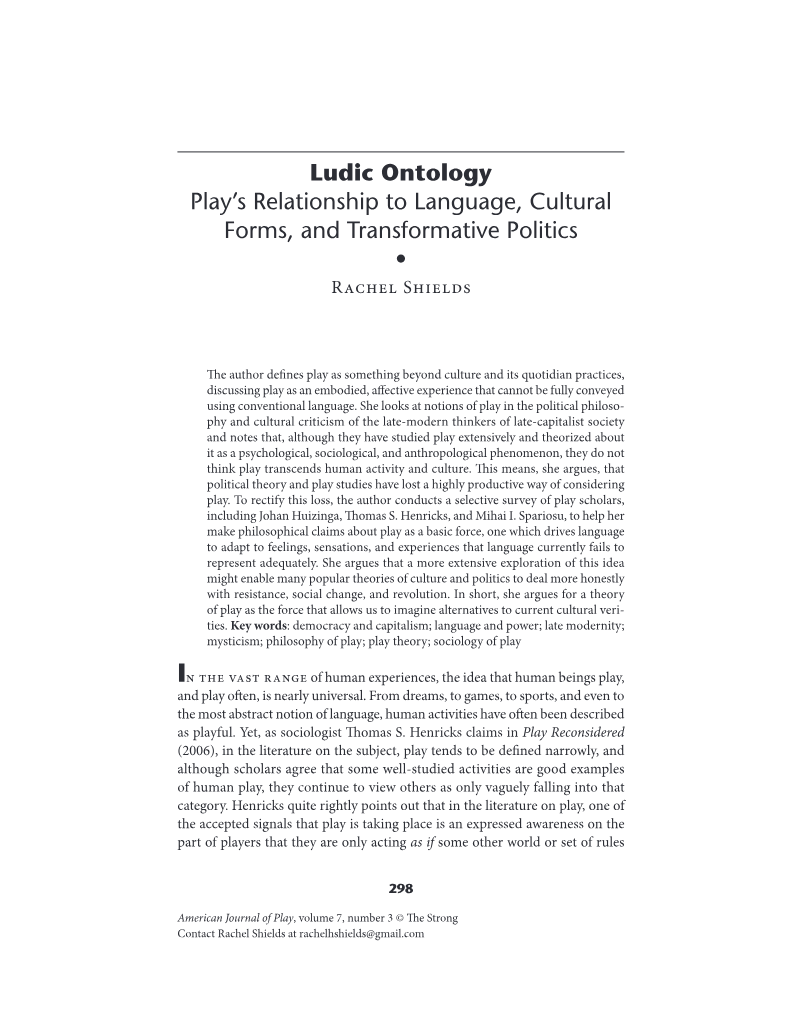
Rachel Shields's "Ludic Ontology" is a theoretical essay that argues play should be understood as an ontological force rather than a culturally bounded category or a descriptive social practice.
- Shields argues play should be treated as an ontological force, embodied, affective, and transcendent, rather than as a culturally bounded category or a descriptive social practice.
- The essay contends that play's irrational, creative energy can disrupt rational social orders, and that political theory could be enriched by recognizing this in accounts of resistance, social transformation, and revolution.
- The author critiques play studies for narrow, tautological definitions that reduce play to an empirical binary of "play" versus "not-play", and proposes an inner, sensory framework in its place.