More from Queensland University of Technology
View all


Whitepaper
Changing the Game Forever: MapleStory's Big Bang as a Climate Change Event
Queensland University of Technology · 2026
Whitepaper
Shoulder-to-Shoulder: How Pinball Supports Men's Wellbeing
Association for Computing Machinery · 2022
Whitepaper
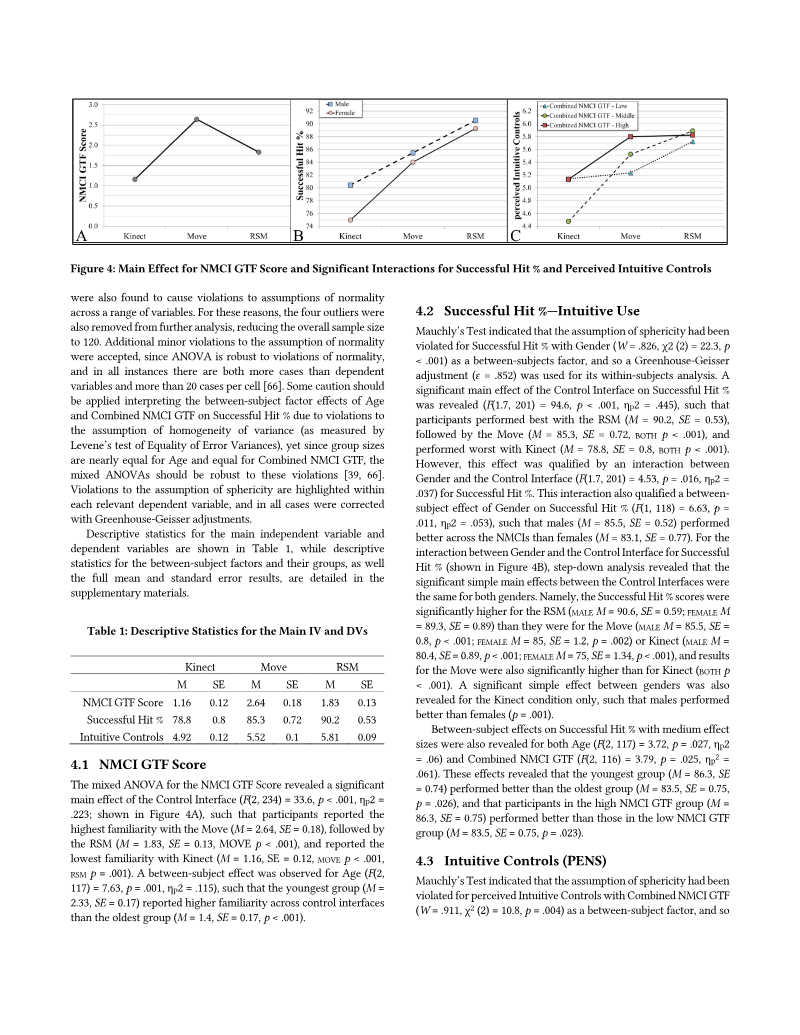
Intuitive Interaction with Motion Controls in a Tennis Video Game
Association for Computing Machinery · 2020
Whitepaper
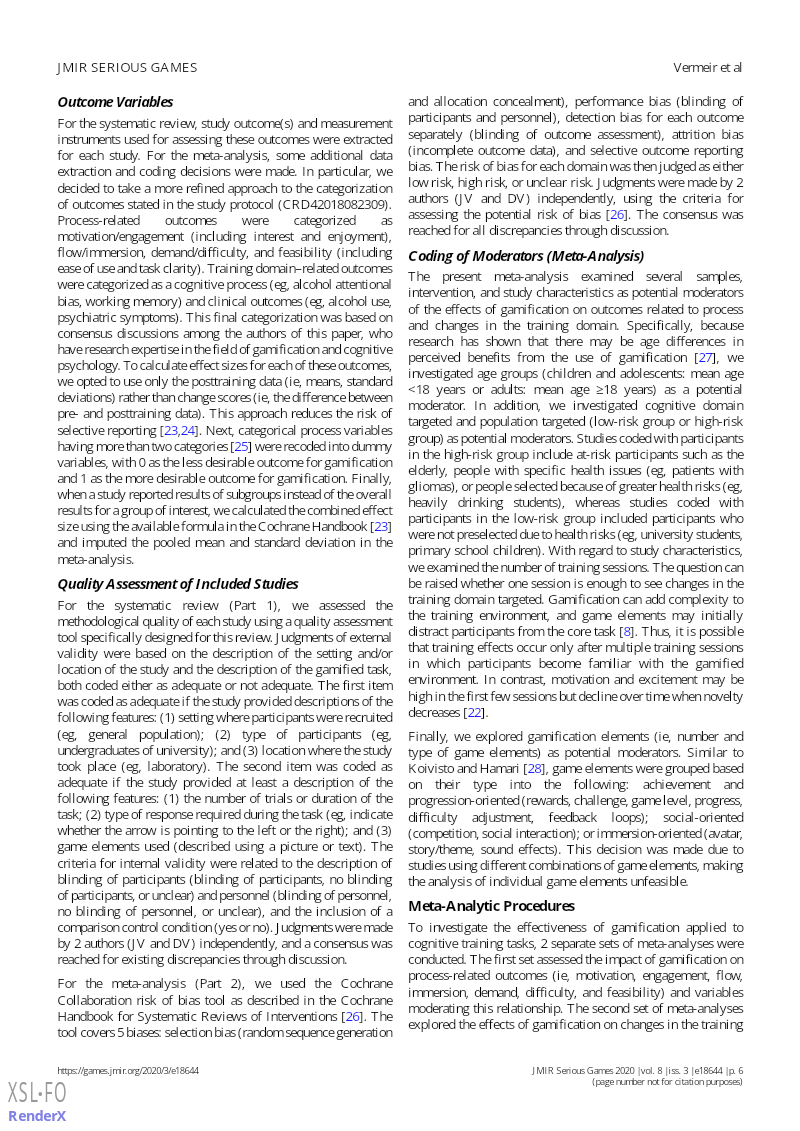
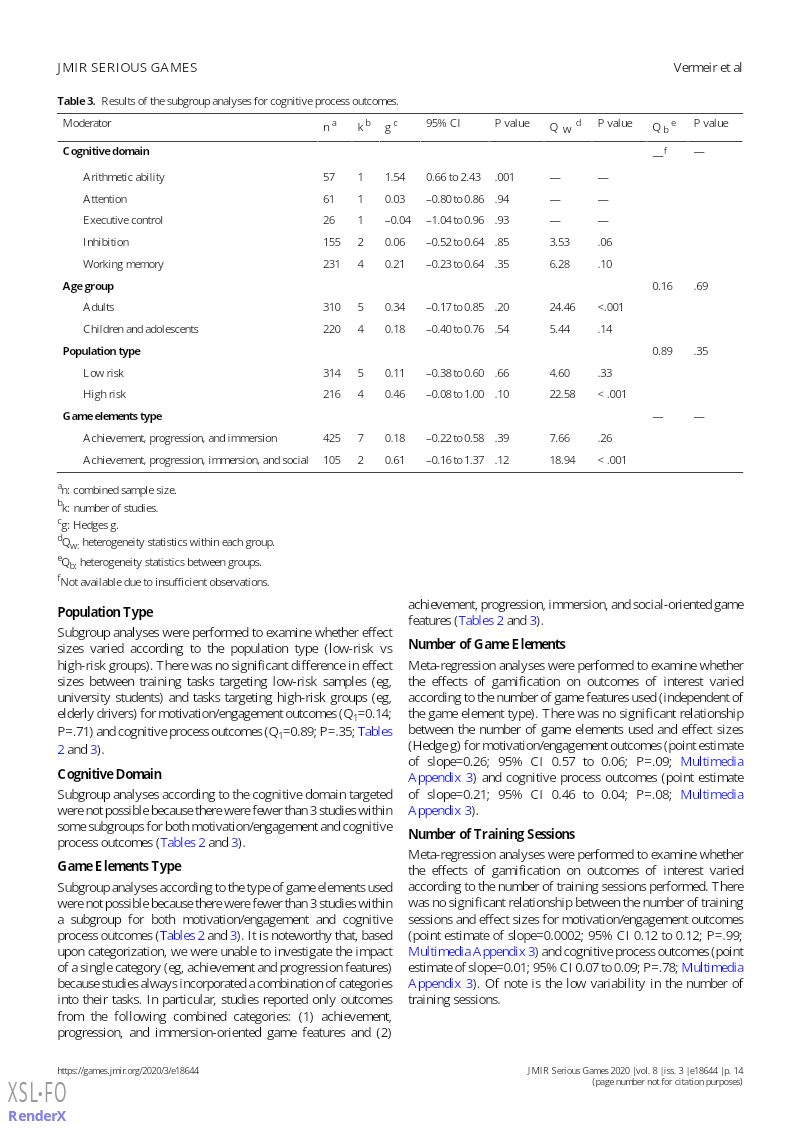
The Effects of Gamification on Computerized Cognitive Training: Systematic Review and Meta-Analysis
JMIR Serious Games · 2020
Whitepaper
Augmenting Co-Located Social Play with Biofeedback: An Interactional Approach
Association for Computing Machinery · 2018
Whitepaper
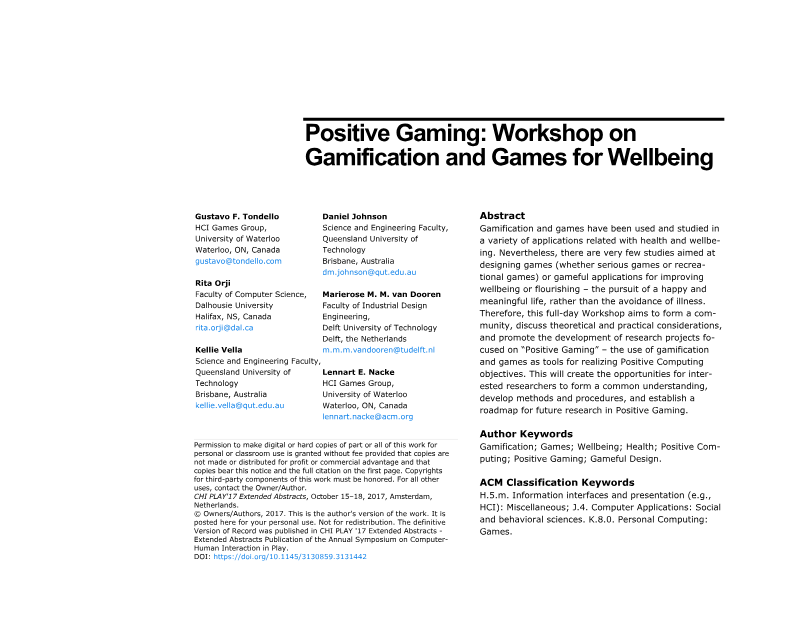
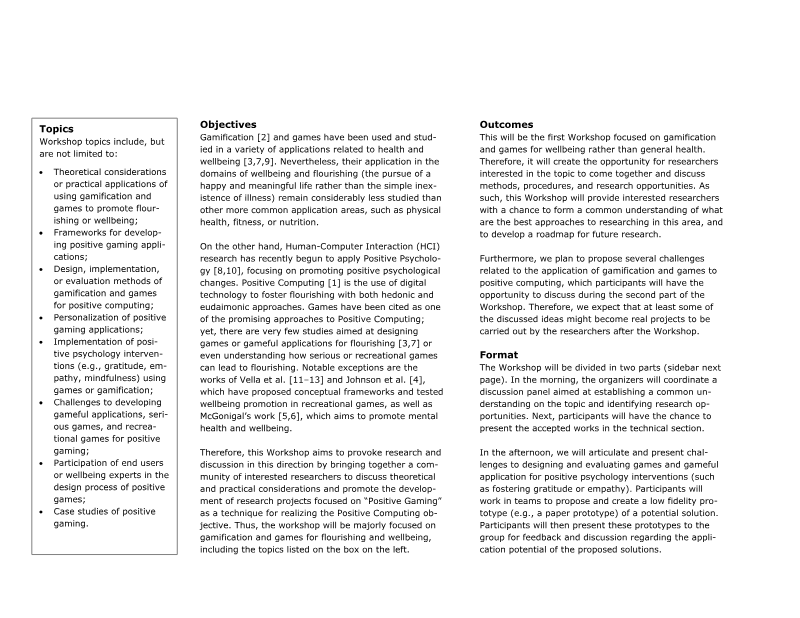
Positive Gaming: Workshop on Gamification and Games for Wellbeing
Queensland University of Technology · 2017
Whitepaper
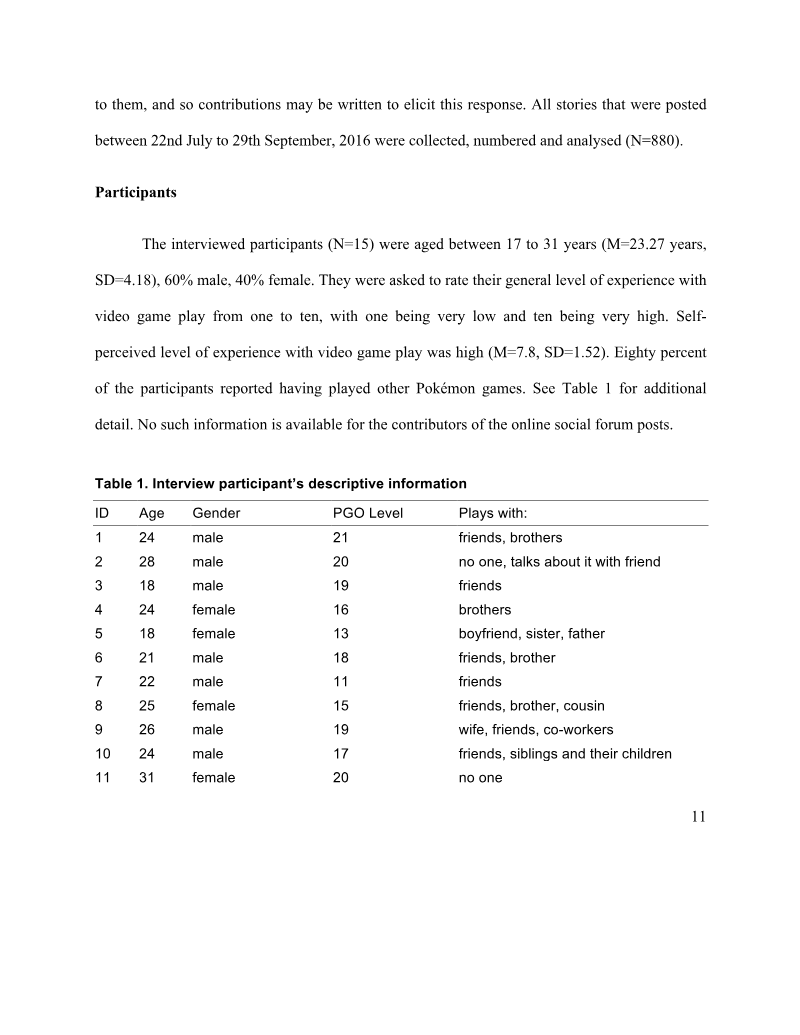
A Sense of Belonging: Pokémon GO and Social Connectedness
Games and Culture · 2017
Whitepaper
Can Videogame Players Inform Better Scientific Visualization?
Association for Computing Machinery · 2016
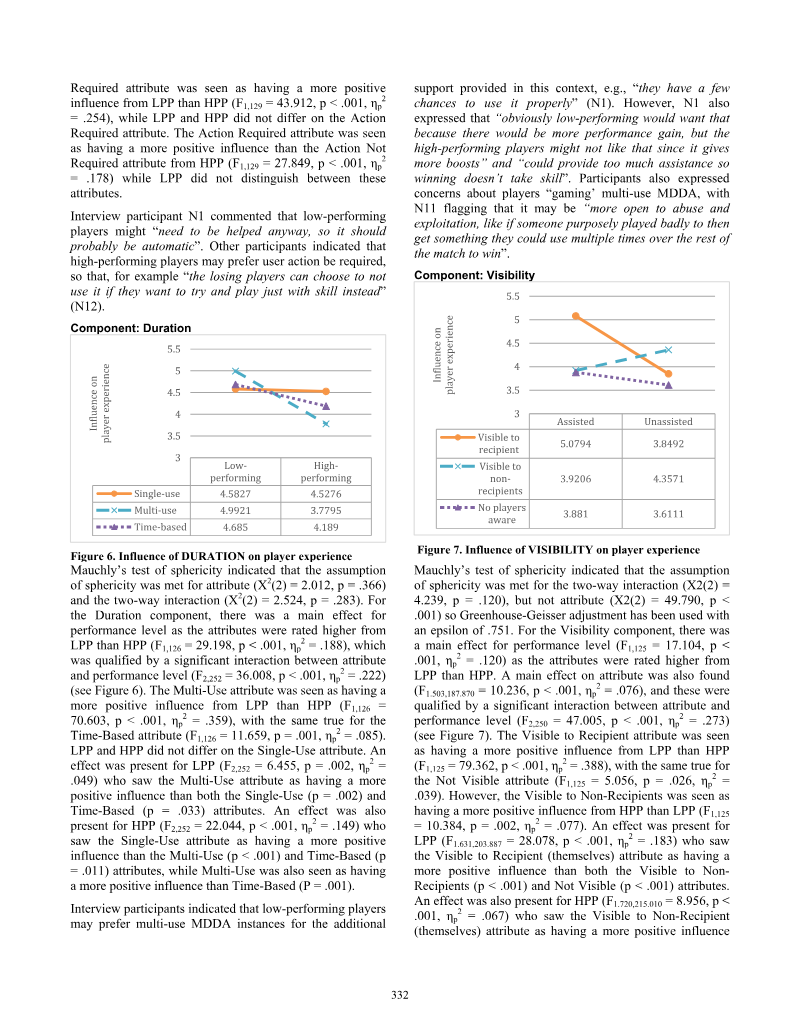
Whitepaper
Crowd-Pleaser: Player Perspectives of Multiplayer Dynamic Difficulty Adjustment in Video Games
Association for Computing Machinery · 2016
Whitepaper
A Class Grammar for General Games
Springer · 2016
Whitepaper
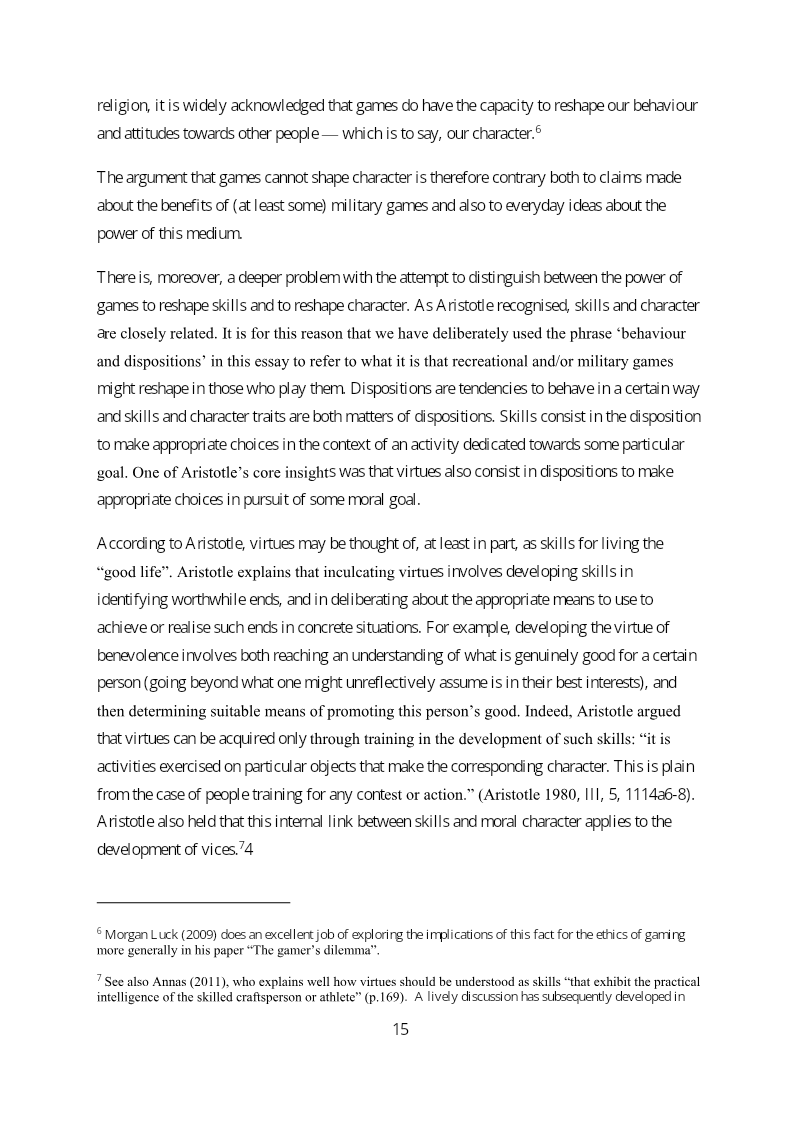
Playing for Fun, Training for War: Can Popular Claims About Recreational Video Gaming and Military Simulations Be Reconciled?
Queensland University of Technology · 2015
Whitepaper
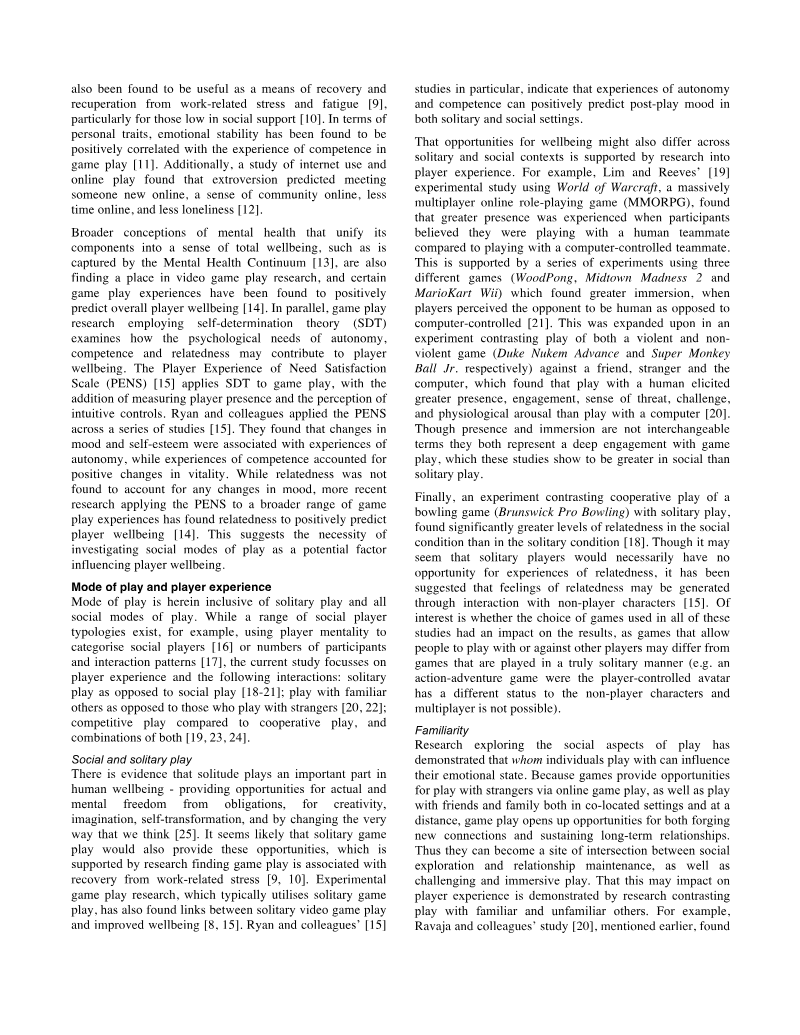
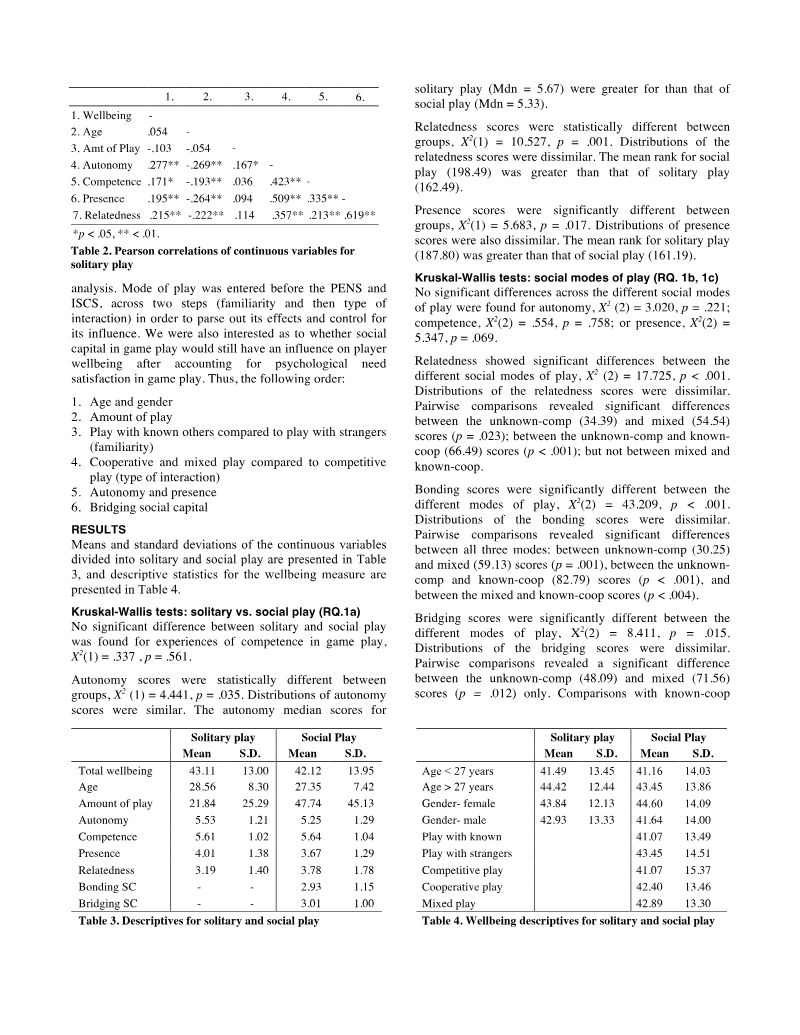
Playing Alone, Playing With Others: Differences in Player Experience and Indicators of Wellbeing
Association for Computing Machinery · 2015