Game Publishing reports and market data
Documents
Korea Mobile Game Market Trends: Stats, Publishing Campaigns, Marketing, Partnership, Localisation
The South Korean mobile game market is a highly concentrated, high-barrier environment characterized by intense competition and a strong preference for role-playing games (RPGs).
- The South Korean mobile game market is highly concentrated, with the top 10 games capturing 50% of the total market share and three major publishers—NCSoft, Netmarble, and Nexon—dominating revenue.
- RPG titles are the primary driver of the Korean market, accounting for eight out of the top 10 games, with a recent trend shifting toward character-gathering RPGs that incentivize higher player spending.
- Google Play is the dominant platform with a 75% market share, while the local 'One Store' has surpassed the Apple App Store in market share, typically capturing 13% to 15%.
A Glimpse into the Indie Game Market in China
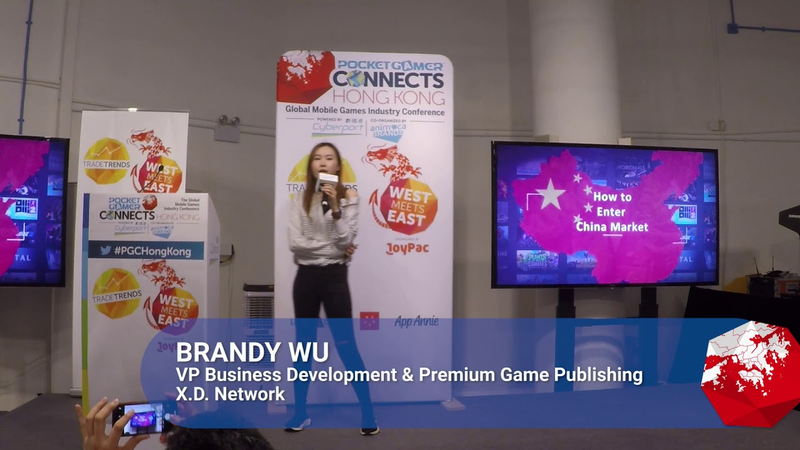
The Chinese indie game market represents a significant, high-growth opportunity for international developers, characterized by a massive user base and a distinct preference for mobile platforms.
- Mobile gaming dominates the Chinese market, accounting for over 76% of the total user base.
- TapTap is the primary gateway for premium, pay-to-download indie titles, charging a 5% platform fee and serving 16.2 million monthly active users.
- Official distribution on domestic storefronts requires an ISBN (GAPP) license, a process that typically spans multiple months.
The Chinese Mobile Market in 2019
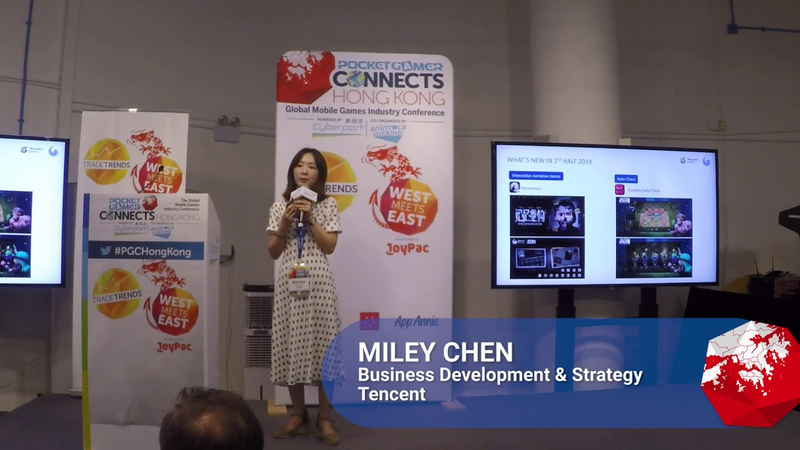
The Chinese mobile gaming market in 2019 is characterized by extreme consolidation, high barriers to entry, and a shift toward sophisticated, hardcore gameplay experiences.
- Tencent dominates the Chinese mobile market with a 52.25% share, followed by NetEase at 14.96% and 37Games at 6.48%.
- The Chinese mobile market has become highly consolidated and growth has stabilized due to government regulation, the end of the 'geographic dividend' of new users, and the dominance of top-grossing titles.
- Android devices account for 55% of mobile game revenue in China, and the top 10 Android app stores control over 87% of the market, making them essential for successful distribution.
Introduction to OPPO Game Center
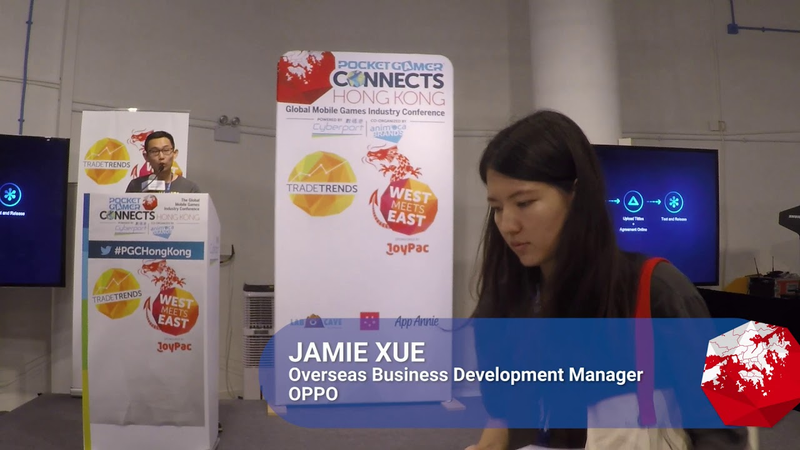
OPPO Game Center serves as a distribution and monetization platform for mobile game developers, leveraging the global reach of OPPO’s smartphone hardware.
- OPPO is a top-five global smartphone manufacturer with over 300 million daily active users on its ColorOS platform.
- The OPPO Game Center functions as a major distribution channel, boasting over 100 million monthly active users in mainland China and significant growth in Southeast Asian markets like Indonesia.
- Developers can receive free featuring opportunities within the Game Center to drive discovery, with current performance in Indonesia yielding between 16,000 and 30,000 downloads per game daily.
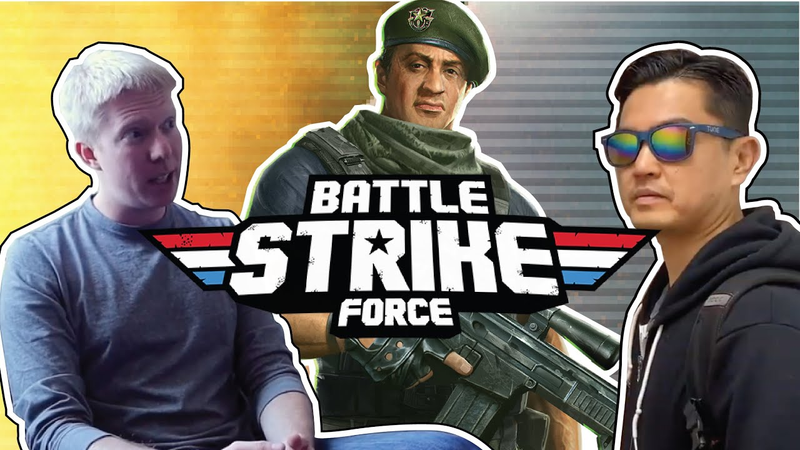
Beyond Games | Surviving Challenges and Launching Battle Strike Force
Beyond Games operates as a distributed mobile studio with approximately 50 employees across San Francisco, South Africa, and El Salvador, focusing on the development of deep social gameplay experiences.
- Beyond Games leverages a strategic partnership with Sylvester Stallone as a recurring mentor character in 'Battle Strike Force' to lower customer acquisition costs and target males aged 35 to 55.
- The studio maintains a lean engineering team of 10 to 12 developers capable of supporting over 30,000 concurrent players by utilizing third-party server engines like Mavryk instead of proprietary infrastructure.
- Operational success is driven by a distributed workforce of approximately 50 employees across San Francisco, South Africa, and El Salvador, focused on deep social mobile gameplay.
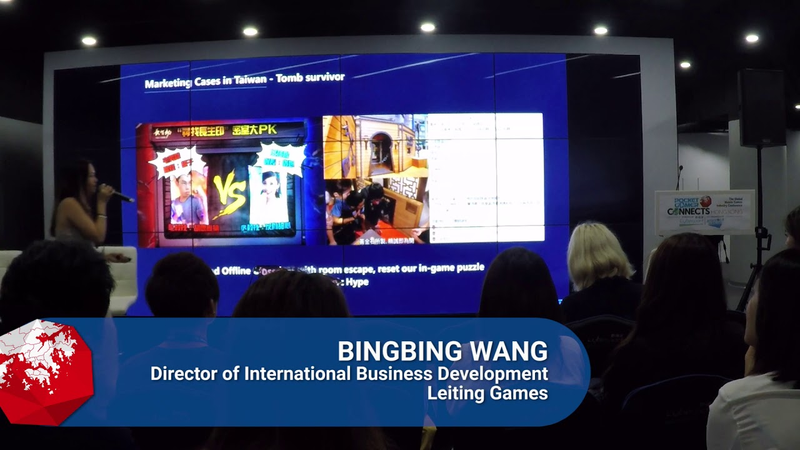
How Leiting Supports the Developers Interested in the Chinese Market
Leiting, a publisher founded in 2004 with a focus on the Chinese market, specializes in the global distribution of survival-themed mobile games.
- Leiting specializes in scaling single-player survival mobile games by implementing phased monetization strategies that transition from low-friction systems during beta to more robust models as the player base matures.
- The publisher achieved significant market penetration with 'Dungeon Survivor' exceeding 1.2 million users and 'Fairy Survivor' surpassing 2 million downloads shortly after release.
- Leiting maintains high user engagement with retention rates reaching 50 percent by utilizing continuous content updates and data-driven gameplay loop refinements.
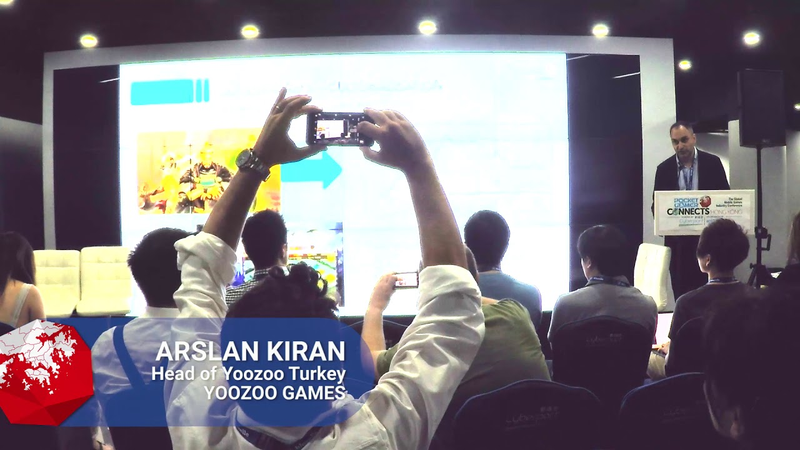
Culturalisation & Context in Designing and Publishing Mobile Games
Culturalisation serves as a critical strategy for mobile game developers and publishers seeking to penetrate international markets beyond their home territories.
- Culturalisation is a comprehensive strategy that goes beyond translation to include redesigning UI, character models, and monetization models to align with specific regional demographics.
- High-growth target markets for mobile gaming expansion include the Middle East (Saudi Arabia, UAE, Qatar), Latin America, South Asia, and major European economies like Germany and France.
- Successful culturalisation often requires deep structural changes, such as replacing character models or integrating local landmarks and seasonal events to improve user retention and revenue.
31Billion $ by 2020, Growing Your Games in China
The Chinese mobile gaming market represents a significant growth opportunity for international developers, characterized by its massive scale and unique operational requirements.
- China represents the world's largest mobile gaming market, accounting for 25% of global game spending in 2018.
- Mobile gaming's share of the Chinese market has grown from 12% in 2012 and is projected to reach 75% by 2020.
- Successful entry into the Chinese market requires replacing Western login and payment systems (such as Facebook, Google, and PayPal) with local alternatives like WeChat, QQ, Weibo, Alipay, and UnionPay.
The Indie-O-Calypse with Jason Rohrer | Game Dev Unchained Episode 206
The contemporary indie game market has undergone a fundamental transformation, moving away from the era of curated storefronts and traditional media influence toward a landscape defined by algorithmic discovery and influencer-led engagement.
- The indie market has shifted from curated, short-form narrative experiences to a model favoring infinite replayability and emergent gameplay that sustains engagement over months.
- Algorithmic discovery and influencer-led engagement on platforms like YouTube and Twitch have replaced traditional gaming journalism as the primary drivers of market success.
- Developers must prioritize high-level polish and a compelling conceptual hook that functions as a visual spectacle to naturally attract streamers and foster organic word-of-mouth.
Game Discoverability Day: Crowdfunding Your Video Game in 2019
Crowdfunding serves as a specialized but enduring financial mechanism for independent game development, maintaining a steady cadence of approximately one successful project per day on Kickstarter.
- Success on Kickstarter is driven by a pre-existing community rather than platform organic reach, with the platform maintaining a steady rate of approximately one successful project per day.
- Achieving 20% of a total funding goal within the first 48 hours is a critical milestone required to maintain the momentum necessary for a successful campaign.
- While total annual funding has declined from 2015 peaks to roughly $15 million, the platform remains viable for projects ranging from small indie titles to those seeking over $500,000.
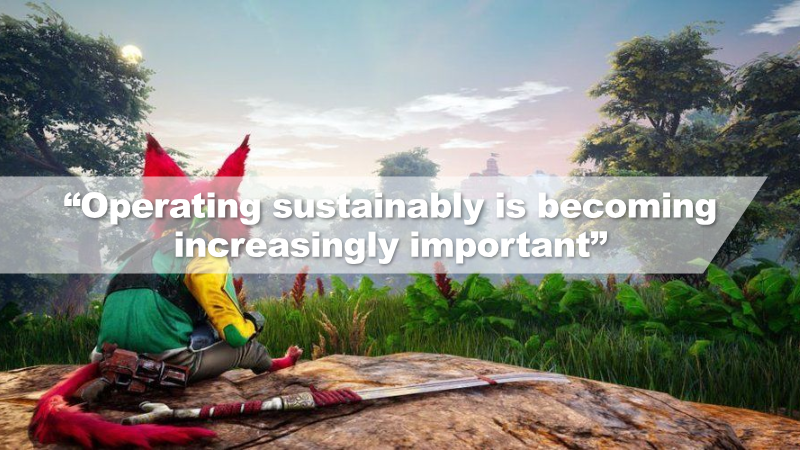

THQ Nordic: Embracer Group Investor Presentation
Embracer Group operates as a decentralized parent organization overseeing a vast portfolio of gaming studios, including THQ Nordic, Koch Media, and Warhorse Studios.
- Embracer Group operates as a decentralized parent organization managing a portfolio that includes THQ Nordic, Koch Media, and Warhorse Studios.
- The company maintains a global footprint with operations spanning more than 40 countries across Europe, North America, Africa, and Asia.
- Corporate strategy is defined by four strategic pillars: Business Sense, Solid Work, Great People, and Greener Planet.
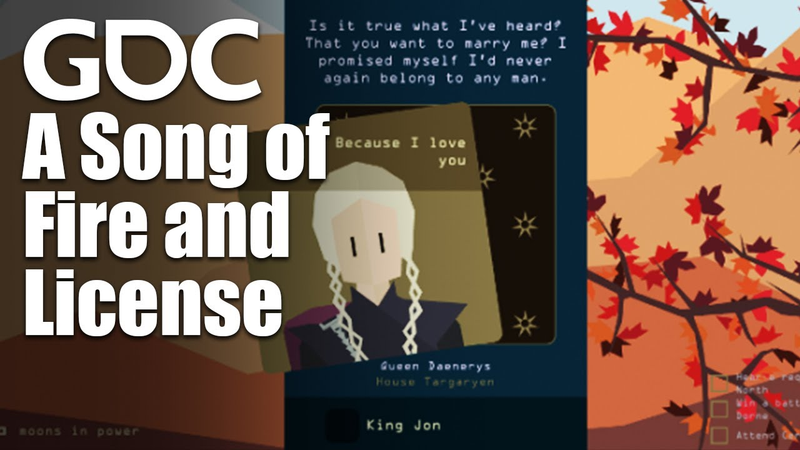
Reigns: Game of Thrones: A Song of Fire and License
The collaboration between Devolver Digital, Nerial, and HBO to produce Reigns: Game of Thrones serves as a strategic model for how independent developers can successfully integrate global intellectual property into niche gaming experiences.
- Success in licensed gaming requires positioning the product as an additive narrative extension rather than generic merchandise to avoid brand dilution.
- The development of Reigns: Game of Thrones involved managing over 1,600 narrative cards through a highly iterative process to ensure strict adherence to the source material's canon.
- Navigating the partnership with HBO required a year-long negotiation process that included rigorous legal requirements, such as actor likeness approvals and narrative consistency checks.