1 free read left. Create a free account for unlimited reading + AI research.
Create free account
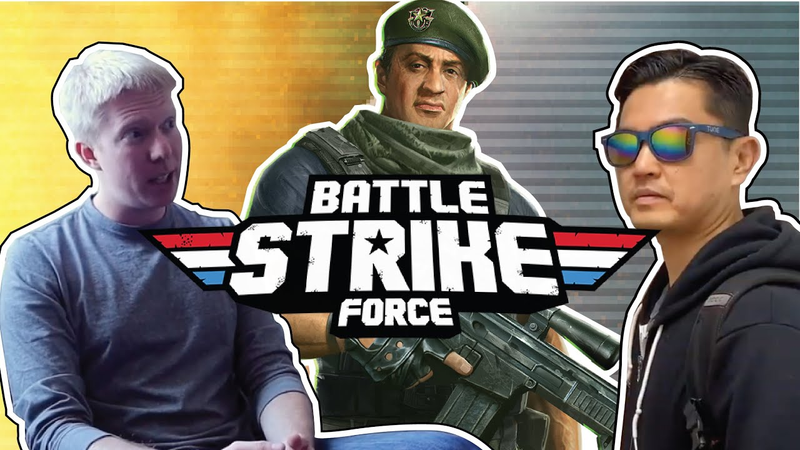
Beyond Games | Surviving Challenges and Launching Battle Strike Force
Key insights
6 takeaways- 01Beyond Games leverages a strategic partnership with Sylvester Stallone as a recurring mentor character in 'Battle Strike Force' to lower customer acquisition costs and target males aged 35 to 55.
- 02Operational success is driven by a distributed workforce of approximately 50 employees across San Francisco, South Africa, and El Salvador, focused on deep social mobile gameplay.
- 03The studio mitigates burnout and high turnover in a volatile market by enforcing mandatory breaks and managing development velocity across multiple time zones.
- 04The studio maintains a lean engineering team of 10 to 12 developers capable of supporting over 30,000 concurrent players by utilizing third-party server engines like Mavryk instead of proprietary infrastructure.
- 05Long-term survival in the mobile gaming industry is predicated on the willingness to be ruthless when pivoting products that fail to meet established performance benchmarks.
- 06To ensure long-term product viability, leadership enforces an egoless engineering culture that prioritizes full-stack development and actively discourages the accumulation of technical debt.
Ask AI about this video
Transcript
hey folks from Gamemakers i'm joachim beyond games is a SAN francisco-based mobile game development studio that has recently launched battle Strikeforce a 4x strategy game featuring Sylvester Stallone I had an opportunity to speak with the beyond management team including CEO Aaron Byers MIT about a few interesting aspects of their business first of all beyond has gone through a series of pivots a murderer and a restructure and has done a really impressive job of facing challenging times to be able to survive and finally launched battle Strikeforce secondly the team has gone from being a San Francisco focused development team to being multi-location and working as a distributed team and finally even as a small studio beyond has been able to get a big IP Sylvester Stallone into their battle strike force game and to integrate them very deeply through a very fairly innovative deal structure with Sylvester Stallone and so to find out how they did it and about much much more stay tuned as we take it
over to beyond games right now [Music] everybody I'm here with Aaron buyer Smith the CEO of beyond games and Aaron I thought it'd be great to first talk about kind of beyond games and this exciting new game that you guys are launching a battle Strikeforce with so this Sylvester Stallone and so me could you talk to me a little bit about beyond and kind of what this game is about yeah
absolutely we kind of started with the thesis of I guess initially we looked at Forex strategy that genre obviously very core very narrow audience very deep complicated games and we played a lot of Benzies titles fun plus games and you know we said okay these are interesting they're there's obviously a lot of depth here there's you know what is the hook what is keeping people in these four years and right obviously engaging and retaining and monetizing them over time and ultimately you know our our thesis was as well as the social network it's it's the players and a guild competing together against the challenges in the world whether that's other guilds or just challenges put in place by the game makers themselves and so we looked at this genre that in some ways has seen some innovation but we felt there was an opportunity to broaden the audience that would enjoy this experience and so the ultimate kind of thesis for us as a company was can we take a mid corp layer and incrementally on board them into the kind of deep Forex strategy gameplay that is kind of
present in the genre today right and so battle Strikeforce is kind of our first attempt at doing that and we kind of looked at baseline Forex strategy of base building and tactics said well okay what's the first step to broadening this the first big step was well let's go with a real deep hero collection meta galaxy hero style heroes charge right summoners war that gives a midcourt player something to kind of resonate with and collect and invest in and so we did that the next thing was we don't want to be a March battler we want an actual battle loop for players to engage in so we have an active 3d battle loop where you bring two heroes and three minions into a attack sequence against a defensive set of heroes and troops and is a real fantastic opportunity for players to strategize and how they build out their deck versus in a you know their attack deck versus a defensive deck and then ultimately they get to see
the results of their strategy play out in real time over a very quick short battle ooh of course we enable people to Auto battle and things like that but the idea was okay for a tragedy you got a hero collection loop you have a real battle that's that's visible to players and something that that hopefully is more appealing to a mid core user than a march battle report right and kind of the cherry on top outside of a lot of other optimizations around how we spawn people on the map and and and FIA's zones on the map more incrementally ramp them into the deeper kind of war strategy gameplay yeah was Sylvester Stallone and bringing him deeply we wanted from the beginning and one of the reasons we were able to actually sell him on working with us was this idea that you wouldn't just be on the app icon and the splash screen in this tutorial the idea was let's deeply integrate him as a fictional character in our world so he's Jasper Reese the leader of the resistance against the iron order and he is a kind of frequent reoccurring mentor character to the players throughout the experience so we have a very deep PvE campaign content right that shows Jasper
Reese and our hero characters actually interacting in dialogue sequences and things of that nature and it was a long-winded answer yeah and that's great I mean how did you first kind of land on this kind of 4x marsh battle genre like what made you guys think this is the area that we want to go after rather than you know several other direction you could have gone I think quite frankly we look to you to obviously the hyper casual trend has kind of been insane over the last few years and we don't really want to compete there what's happening in casual don't really want to compete there it's the it's the depth of the experience and Forex strategy and the engagement that occurs around this very deep social experience that that excited us I we always say we're really building a social network with a game we've been its core and seeing players come in to fun plus and uz experiences and stick around for years right because they enjoy playing through this experience with their guild mates yeah is really what ultimately resonated with us I don't think in any
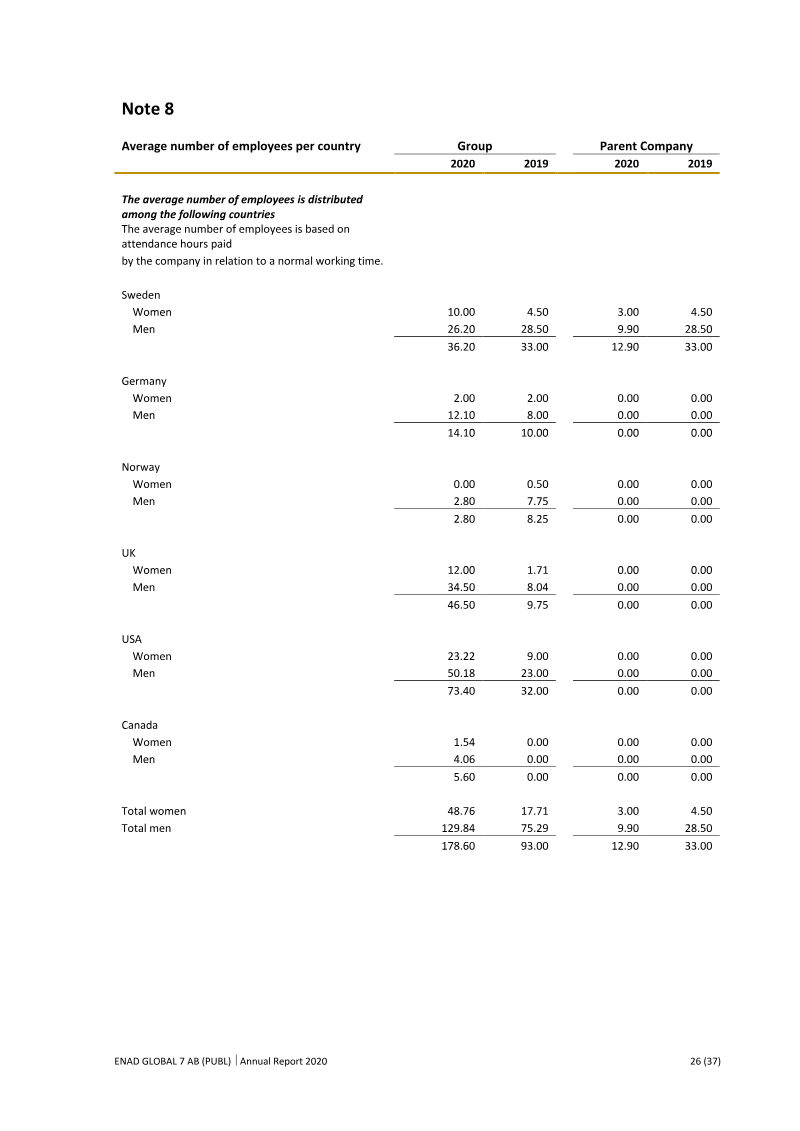
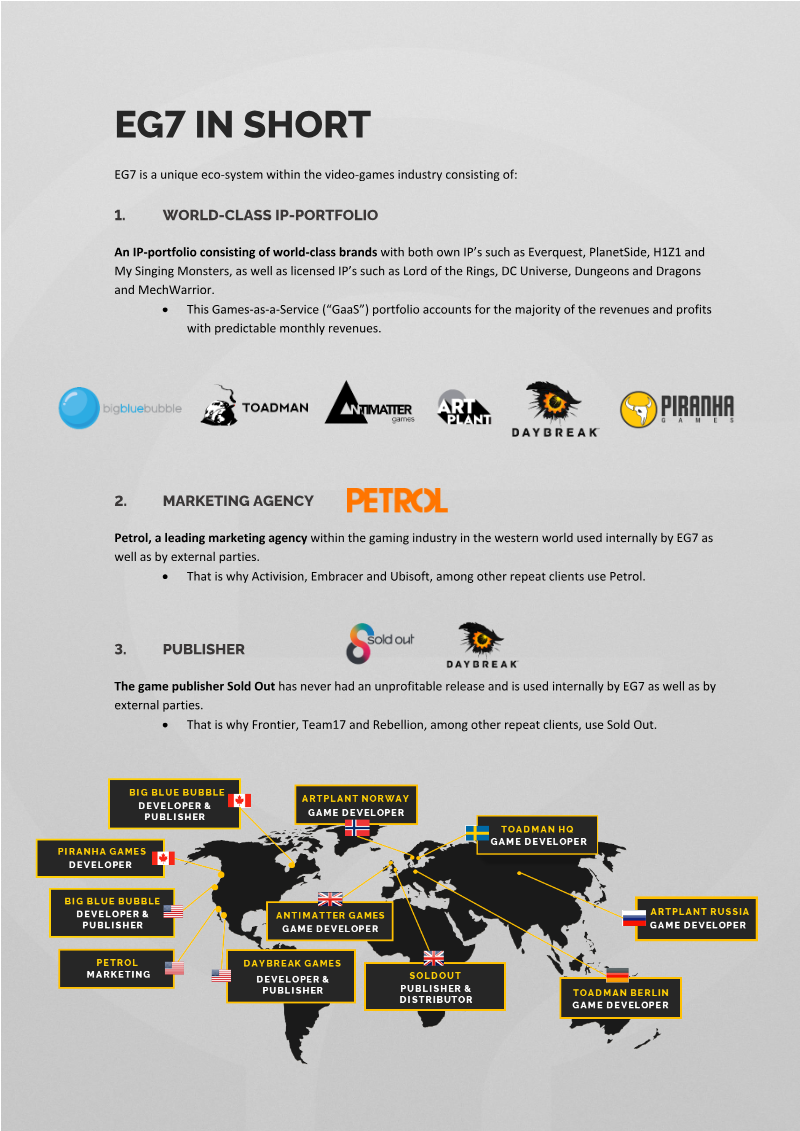
other genre you have that depth of social engagement right and that's where we wanted to kind of focus and where we think ultimately players are going to we think that'll be the ultimate draw for a mid core player is oh I can actually interact with other people and enjoy this experience together and then in terms of beyond as a company and in terms of like a team required to support this kind of game could you talk about the company itself like you know the size of the company the types of ploys you have currently sure we're we just crossed 50 total employees or a distributed team we have a small HQ here in SF's about 13 people Johannesburg South Africa is our art and animation studio a tech part as well and then El Salvador is our engineering team and those are wholly owned subsidiaries we've been working with them really since the beginning of the of the company okay and then you mentioned Sylvester Stallone and you know I think working with IP is is you know I mean there's there's benefits and there's kind of you know disadvantages and so
for you maybe we could start by asking how did you land on you know Sylvester Stallone versus you know some other celebrity or well-known person and then what what's that experience been like integrating an IP into you into your game absolutely we landed on Stallone quite frankly just looking at the court demo here 35 to 55 males there's a huge overlap with people who've grown up with him as rocky and Rambo for sure and the Expendables franchise I also just think I mean there were other stars we could have potentially tried to get but you have to look at the new Creed movies coming out and playing guardians of galaxy and kind of that cameo and he's still very very relevant we also saw the success of mobile strike with Schwarzenegger there's clearly an overlap there and and our experience and the game that we wanted to build this kind of GI Geo meets x-men kind of style title fit really well with him and his character that he knows when you think about
integrating you know a celebrity into game from economic perspective like what kind of analysis do you do or how do you think about economics to you know understand whether it makes sense to bring you know a celebrity into a game or not you know we kind of looked at and ran creative tests with Stallone versus non Stallone and it's clearly it was clearly a fit based on that's not a cgi reduction or kind I mean it's and we've run dozens of tests since then that included other heroes and then wouldn't include Stallone and I mean it's a significant cost reduction in our CG eyes and then art were there challenges in terms of working with a celebrity and kind of doing that IP integration of the game and what would some of those challenges be I mean yes it's been tough it's been tough not necessarily even Stallone working through his agency initially WME that's obviously this you
know massive corporation and having a deal with his agents and frankly having to deal with a lot of people who don't understand what will gain me don't understand how long it's going to take we certainly took a lot longer than expected to build and release this game with kind of a small team that we have on it and so there was a lot of legwork to help him understand that this is not a movie this is not something where you're gonna film it and then you're gonna do the whole press junket and then it's gonna run in theaters for a month or so and then you're done and so we definitely had to deal with this idea of on the other side of this and it may take two years as a game that can generate 100 million plus and ARR and it was kind of shifting his frame of mind which to his credit Sloan's an entrepreneur has made a lot of investments himself produced a lot of his own movies and so I think that story resonated with him and ultimately we got him to take equity bet on the company in addition to revenue and download bonuses but he really did take kind of an
entrepreneurial bet on us as a team what we were trying to build quite frankly in the early days just being fully 3d and having this battle scene and you compare it to a mobile strike but it resonated it resonated the last thing I'll say this is just kind of funny we played very much off him and torts and Edgar's just in a personal rivalry high because they're obviously really really good friends but competitive and so he kind of knew from Schwarzenegger what NZ had paid and he kind of came to us and said can you make me more we're like yeah I think so I think we can especially if you take a long term bet right and so it it worked out well it definitely worked out well it kind of culminated earlier this year with us filming a live-action commercial with him and we started to deploy and creative and it was just a fantastic experience you know he knows how to play the character of Jasper Reese it's it's his expendables character you know it's it's it's just horrific sin it's Rambo a little little toned down kind of version of Rambo but it was incredible to see him in his element and working on it
it's something we're excited to continue I mean he's got a consistent cadence of posts his Instagram and things it's a pretty good relationship um one of the most interesting things for me in talking to a lot of development students is just finding out more about the origin story so could you tell me about so what's the story behind beyond games how did it start you know who were the initial founders how you did the whole you know how did everything begin yeah it's a crazy story it's one that I've it's gotten easier to tell the more times I've had to tell it okay beyond games was originally founded in 2013 by Nick Barth wann a couple of X natural motion engineers okay and they raised very quickly off the back of Nick was a phenomenal picture and had a vision of innovating on top of what machines owned had built and it resonated with investors so they raised a lot of capital very quickly in a series a seed in an A and built a large team and then after that you know I've been an entrepreneur for
decade I've failed multiple companies before so I look at a lot of what mcdhh is simply just first-time entrepreneurial mistakes he scaled up a team too quickly they were attempting to do too much they were trying to build a game engine from scratch they were building their own analytic stack they were doing a lot of these things that you should normally outsource on your first game and as a startup and so in mid-2016 myself and most of our executive team today came into this came in to be on games by way of merger of americana game studio okay a really long time friend of mine Brett's a Loran and ultimately that began about a year and a half of transition where we did have to go through some layoffs and some really hard times to kind of right the ship and create a new or basically put in place a new crave direction for the title okay and the team and the reality is beyond games today is one person that the original founder hired still around he's our art director though he's phenomenal and the team that we've built since then so it's been very much this wild ride
certainly a roller coaster but something that we're real proud to have kind of made it out the other side ship the game and really produce something that seems to have a lot of value out of something that was definitely a rough hand this sounds like you and a lot of the current executive management team came in through Americana through that mercury can you talk me through that that initial point of actually merging what was like the motivation behind merging and then you know maybe talk through you know some of the challenges or issues that came through from from merging sure sailor who was the CEO of Americana and you know had been an angel investor in Nick actually and in beyond game so he written a very small check hadn't heard from Nick in a while it's mid-2016 Americana had taken a different approach than beyond games it's a raisin a lot of capital they were bootstrap and they've been working with Amazon Game Studios to produce a title
got a second party third party profession and they ended up when a new the new studio head was hired he cut all game projects from the predecessor got an Americano was one of those studios so Brett was kind of faced with do I now go fundraise for this thing or do I find a home and about as these things kind of worked out and Nick reached out around the same time I was very open about some of the issues and challenges that he was running into and quite frankly a lot of where the beyond games team was weak Americana was strong very very deep engineering talent particularly on distributed systems and building scalable systems to support the type of game and vision that Nick and the original beyond games team had and so it made a lot of sense to to come in and kind of combine forces as I kind of alluded to it was a difficult transition it was a very hard probably year or after that of trying to get these two teams to work together an interface together and we navigated a complete design pivot of the game from what was
going to be a very realistic world of tanks almost style 4x strategy game that had some kind of odd mismatched clash of clans components in it and like I said completely it's tough it's tough everybody feels it's their baby on both sides of the fence and you know you had a lot of personalities running around for a while so that was something that was very very difficult but we learned a lot through that transition and having to navigate the product pivot where were the two teams did they have similar cultures or where the culture is different and then if they were different how did you kind of yeah learn to the cultures are now the BG team as you can imagine was a team that it raised a lot of money real early so they were kind of used to a lot of perks and and and things that the Americana steam being bootstrapped and and for a while working with a Americana I've been working on Bret's apartment that was kind of where they were at at least the the team that was here in SF Johannesburg had their own studio and so there was this transition of you know
the expectation and the bar was raised when the Americana team came in and I think there are a lot of people who were more into just the your almost cliche Silicon Valley style of like I'm gonna come in there's a lot of perks sign you know enjoy kind of working here but there's not a lot of pressure to deliver and that's probably the thing that I'm most proud of when I kind of came in and took over as GM is collectively myself and the team we were able to navigate that productivity within a year of me joining shift the first title which we kind of was a kind of throwaway skew we called dawn of tanks just to test the new battle loop in the product pivot yeah but that was the first product that beyond games had shipped in in four and a half years okay and that was the result of a hard effort on the front of the Americana team and members of the original BG that stuck around Tina particular else al stupid studio and art director beau to get that done okay great and then probably the last
question I have to use sounds like you have a little bit of a distributed team and yeah your headquarters in San Francisco can you talk about that decision in terms of headquarters in San Francisco and then you know why I guess Johannesburg versus the other locations you have set up yeah it's a it's certainly a product of how everything came together with Marikana BG Americana had the Johannesburg studio that's a team that Brett had been working with for a decade okay so we had a very deep relationship with the studio leadership there and so that enabled us to kind of pull them in and then beyond games had had found a really talented core team in El Salvador to build around so we kind of inherited this misser I inherited this kind of mismatch of or just this global team and it's funny my first company had a studio in Sydney and a studio in the Philippines and just a few US employees so I'm very used to this idea of working with a global team I think if you're trying to deliver a 24/7
365 experience the players globally you need to be distributed to kind of survive that a big part of what I've looked to hire in particularly here in SF has been people who are experienced working with teams it's X wargaming X green DNA folks who are gonna you stand facing with international teams and having to work across time zones yeah and I think in particular John that you talked to ii has done a really really good job of making the process by which we iterate in development a lot more efficient despite the timezone barriers because reality is our we have a few of our johannesburg studio that stay a little late get on a sinc call with us a daily but the reality is by the time the SF team is here they've already worked their day so you have to get this cadence of iterate or provide feedback over the course of our day they work on a new iteration right and then we wake up in the morning and do it again right and actually I do have two more questions sorry yeah so one other question I have is you you talked about
what sounded like some pretty tough challenges in terms of like the merger but just going back over your history throughout you know Americana and you know and now you know works with beyond what would you say were like the toughest challenges that you faced over that time was it was it the merger were there other things that kind of popped up and Michael you know just trying to understand what the toughest things that came up were for you the the merger transition is probably the the real tough point because there was a finite amount of time to use the cash that was left and Beyond Games Bank frankly when we we became a part of beyond games to once again pivot the product and basically pitch this new team this new direction to investors who hadn't seen anything in four years so the transition shortly followed by really what has been this kind of perpetual state of undercapitalization where we've gotten a lot of support I mean I have to thank the team at Acme who's stuck with us throughout all of this but it's been
difficult to constantly we've always been under the gun I guess is the best way of putting it right where we have to show KPI improvement with each release and it's been a consistent thing I've been here almost three years and every six or so months we have to go through this like here's where we're at here's what we have achieved and in some ways it's pushed us forward you know we're certainly hoping with worldwide launch with how kpi's are currently looking and some of the excitement that we have around this moment to raise enough capital to finally give this team this treatment talented team the breathing room that they need to continue to kind of grow and scale the game without the perpetual pressure of delivering every single pork I mean the reality is that is going to be the case as we you know continue to grow and expand our LiveOps operation right but it's a it's a different it's a it will be a bit of a different
mentality if we can raise the war chest we're currently seeking got it and then my real final question for you is what was the biggest lesson that you've learned in this whole experience with you know America and beyond games move quicker to pivot the product okay I think you talked about some of the difficulties specific to the transition period were is this gonna work you know how do we get this out there and kind of test it and I think people naturally if you've come up with an idea you want to see it through you know you can convince yourself a billion different ways why it will work yeah I think being a little bit more ruthless in that early stage of this is not working in play test like we ran it at or when we ship that dawn of tanks skew that was the end result of a lot of just real tough discussions around like this design doesn't have the economic debt necessary to support the customer
acquisition cost and things like that so yeah learning to be more ruthless is is definitely something that it's been a huge takeaway for me here okay particular to critiquing your own product your own baby because it's tough it's tough to do that I think it's a necessary thing in particular for for a gaming startup alright thank you very much for your time you absolutely appreciate it thank you everybody I'm here with John Key and John you are a key of the product ammunition that is correct and so what does that mean you in terms of like scope of responsibilities and you know in terms of your job function here effectively have my hands and everything that's game related as well in our case about the strike force our new product is outside deal with every component that you would see with that from design QA production needs marketing needs working with the VP of engineering for engineering needs
anything the part of the product and then in terms of the the way that the team is structured you know from a product perspective can you talk to me abruptly about how that structure looks like for you guys sure so we have a distributed wheel it's not as unique now as it was a few years ago but we have a pretty much a distributed team said so our house for example the team that we work with closely with our all our 3d assets fair amount of our marketing assets and anything we need is due in jover Johannesburg sorry we call it Joburg and the transferred South Africa but that we have our engineering team is actually been south of El Salvador and we have our kind of like our art directors of origin for example we're all kind of spread out a little bit here in the San Francisco Hobbit's we're a little bit
more focused on the productions I don't think inside my art producer my piano reducer QA leave is a excuse me needs here and then hard design can scale okay and so it's like nice construction tool to you yeah that's great and then a section of engineering they roll up and Steven over there but I do God it sounds like it sounds like in terms of distributed teams you've got like basically are in engineering that it's kind of distributed out what and from your perspective what are the advantages of having those distributed teams is it mainly a cost issue or are there any other advantages and then what are some of the challenges distributed structure well I mean part of it is cost it is easier for us to be able to do it like that it also allows us to kind of get ahead of the production schedule being able to sign things up while having people work overtime to be able to generate you produce assets for us or
be able to get bug fixes in or whatever makes it pretty easy for us to do that and people are operating a few hours ahead to Joburg space for operating 11s um but the challenges are like any other distributed team your communication making sure that there's a constant back-and-forth of understanding exactly what you're looking for so you know missing a target or missing what you're supposed to be working on and costing us another cycle I'm gonna go back and reiterate what does the product team kind of look like for use it like like how many whether it's pianos versus producers and then you know I think the big debate in a lot of you know sort of mobile freedom for engineers is what is the role of a producer versus a PM versus a game designer so for you guys what does that look like so production wise like I said I have an
art producer hypothesis that does it's a art heavy and then I have a producer producer who also moonlights as a PDA I think it's pretty much keeping us constantly on both isn't on track with anything tasks related okay my and Ivan says probably act as the more traditional producer as far as generating the ideas or any sort of answered menial answer any questions are kind of prop up on that I find an interesting in the industry if it goes just because of the debate that you get between producer and PM like which one you know which one do you go towards or which one seems them lean a lot pretense I hold schools prefer the producer s yeah but you know Charlie key
understanding and project management it's very important and making sure that you know where our friends are all what are the biggest challenges whether it's from you know like a product perspective or maybe you're working with the distribute team structure what are they some challenges for you so the key challenges and always is like I mentioned earlier is at the time just trying to be able to you know they're winding down or lining up so making sure that we can go through and improving all that that does take some time it takes a little more time at the earlier part of my day just because it's one of those things where I now have to kind of go through the approval process early so that I can send it out and then I can start working on things that kind of work with our time as far as a product it's a huge game in New York small group a lot smaller than traditional even traditional mobile teams at this time so it's kind of like
there's a lot of overhead a lot of you know contact switching where you have to be able to say okay where we are having our addition here I don't like saying a handle that and then okay now we have an engineer anything over here now I have to put on my engineering and try to understand what's going there so it's a lot of just okay and given how big the game is how does that look like for you guys in terms of trying to determine what to work on what feature what gets prioritize like how do you guys manage that process with you so if you know some of its KPI you know how are we behaving right now we're saying slots were always saying games okay that would get us down said okay well what features would help elevate that also I'm a big proponent of kind of market parody okay that's a day and age all games when I started working on mobile games mobile games didn't even launch with an event framework for example
think it'll just be their core thing people play through a little bit through but now there's kind of an expectation of newer games make sure that you have a venison game so trying to make sure that our game not bad right course itself actually maintains that market parity so that were you know a competitive in that sense last question how big of a fan of Sylvester Stallone okay so I quote demolition media but now I've loved them since Rambo that literally every time she took when he shot Heidi helicopter out of the air with above an explosive tip oh yeah okay great well thank you very much for your time John definitely appreciate the thoughts and insights that you've given us today sure no problem thanks everybody I'm here with
Steven Garcia Steven you are the VP of engineering yes so what what does that mean what do you do as VP of engineering a little of everything okay let's see so I guess to describe my role I kind of have to describe the way the CEO looks as well definitely of your VP of engineering for our studio it's going to be vastly different so nice to know any one of the games under the air at senator so we're relatively small studio but we've done a lot with what we have so the rad explain it is firstly explain kind of how our engineering organization looks like our engineering organization is about 10 to 12 engineers yeah all distributed we have one engineer here in the Bay Area we have two engineers in Eugene OR we have eight engineers nine actually nine now in San Salvador El Salvador and a couple that we contract out to a studio called darkman studios
up in the Northeast okay so with all that said again I say a little bit of everything because there is always going to be mentorship it's going to be happening within that distributed studio making sure that the communication pipelines are all working as expected making sure that coda bees get done by people who have that relative information to that feature being worked on at that at any one point in time as well as jumping into code what I need to myself there are some things that there are some things when especially we're doing games and service games that you have to get right the first time of your small studio like and I definitely like to guide my guys to be able to do that if they haven't done it before and that requires me to get it down the future myself so I can help make sure that the future is engineered where it needs to be my guys are happy we're happy kids happy and in
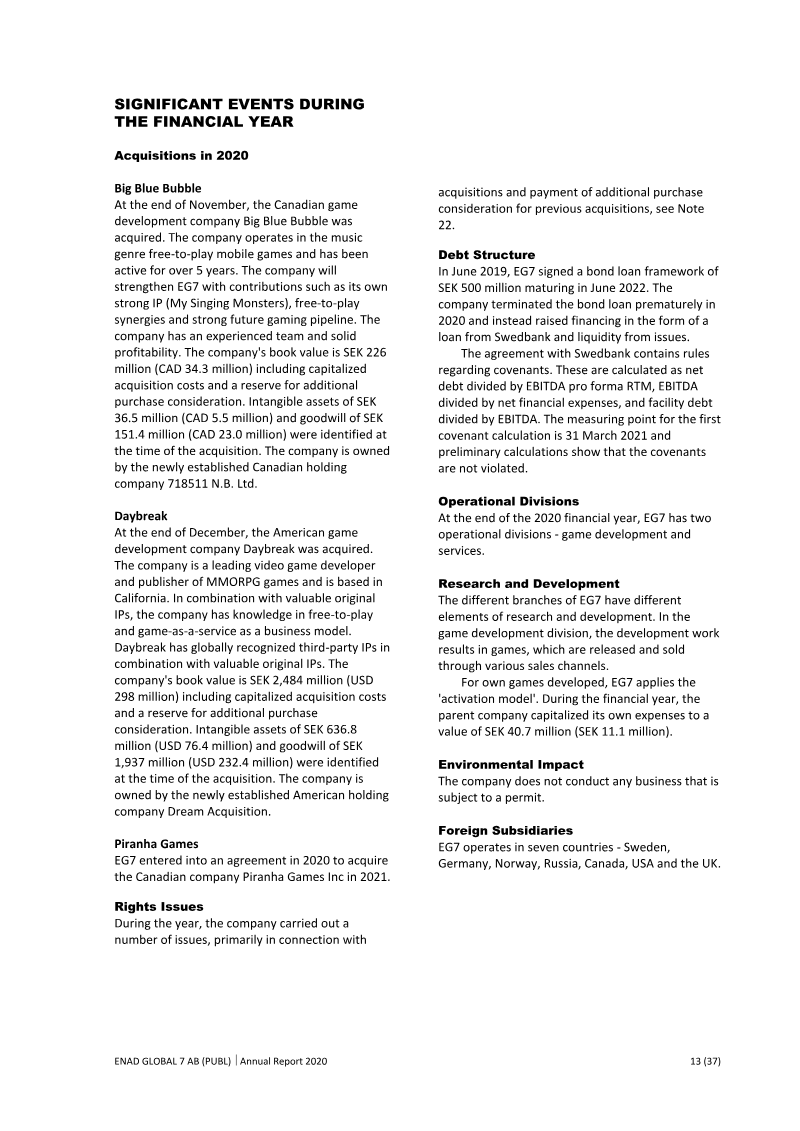
terms of this specific game given like you know just how big it is and then in terms of real-time requirements and like some of the other other sort of technical challenges associated with this particular game could you talk about what some of the bigger technical challenges were and then how you address some of those challenges yeah in a game like ours that we'd say there are a ton of technical challenges but each time we approach a technical challenge we just approach it pragmatic pragmatically I'll give you an example we are a so let's see our game moreover so the more someone's an MMO so it's a mobile MMO you have a 500 by 500 tile space different players are spawned or all sorts of players are spawned in one area at an infinite time so it's color area process right now you've tuned the area process to hold about 30,000 people now as soon as that threshold gets hit
we spawn in an area process and then we essentially do a form of matchmaking to put players where they need to be to balance out that that this one area with the second area and then the third and the fourth and the fifth so even just thinking about it like that you're talking about 30,000 people communicated at any one point in time but at the same time of being able to communicate throughout the multiple areas as well so how do you manage that type of communication currently okay so and what before I even get into it I would say normally when you'd approach that problem from the very beginning you'd say roll my own stack let me go do this myself we chose to up out of that path now that ability to roll your own is always there we chose to work with the very good company a great good server company I'd actually call them the games a server game server engine anyone
called Mary Bill and Mary go working with that team helps us in terms of writing code specific for our game with the underlying power of being able to communicate across all of those areas being able to manage those 30,000 60,000 thousand people accordingly so I say all that I say we're working with this company Mary go because they empower us to be able to write that code ok if you were to ask if I were to answer this question on the client side again I could say I could roll my own stack but it's very well known that it's very well known that good game engines like unity exist so you use unity and that's the same reason that's the same way that we would choose to use methods that hold their ego as well so we managed complexity we don't bite off more than we can chew but again everything is pragmatic so to go a little bit deeper we're talking about player 2 player communication or managing multiple players per area every request is sent to the player the player
manages that request that communicates the area only when it needs to the area's never actually stalling it waiting for any one player at any one point in time and any kind of communication when we need one source of truth that's where the bottom that's what the area will become a bottleneck no talking about 30,000 people asking for one specific things every single time we design a feature that requires a source of truth we decided so that source of truth can be valuable and we never punish the players when that malleability comes into question every features designed like that and then in terms of like how you've kind of structured your engineering team could you talk a little bit about for example are they a full-stack or they you know do you have a client versus server side and you know just my experience having worked on a game called king of Babylon where we you know have kind of that separation and then in different geographies to originally which we
changed later but then that led to a lot of delays and things like that so maybe you could talk about some of the you know the way that you've structured your team and kind of some of the thinking that went into structuring it in the way that you guys have okay um let's see where do I start so I would say for the most part this and this engineering team started with that sin Salvador - okay so that team at that time was eight people so they all they're all individuals over there and they all have their own you know once and needs and they don't want to learn XY and z and it was communicated to me when I started working then that they all eventually wanted to be full-stack engineers so I started back in I actually started engineering back in 2005-2006 and the equivalent of full-stack back then was was a generalist and generalist being a
generalist even back then when we were talking about essentially just client games um client only games it was really difficult that was the hardest path that was the advice I was given back then so to be a full-stack engineer nowadays when I hear that word being tossed around that is easily at minimum doubling the complexity of being a generalist so to hear they all wanted to be fools that you could take that in a couple different ways but the way I took it was that they all excelled at one specific thing but they all wanted to excel so every feature for the past two and a half years the years has been essentially the strip that work has been distributed to the engineering team in a way where not only they can learn new things that they want to learn because those new things originally we started out with to server engineers now we have about four and a half server engineers now that still spread across the same amount of people on this team but over period at the time we had them work on
server tasks with confidence with oversight with the TDD is being implemented by their leads all by myself so when they're actually writing the code they know who to ask they know what to do and then they build on those ideas and it just keeps returning [Music] that that ability to grow I would say not every team has that ability to grow but that's in all of the individuals at the studio yeah and I've told them from the get-go I said you know I come coming in here with this level of experience this is obviously in my position I'm obviously your boss but that doesn't necessarily mean I'm always right you could always feel free to challenge me and then we'll talk about the best solution because there are some things that even with their eyes on something that's six to eight months they may be able to have an idea bring it up let's talk about it all right so that's how we've been moving sounds okay and then in your time working on this game just thinking back in terms of like all the challenges that you face could you maybe
talk about one of the biggest challenges or decisions you've had to make and going back would you do things differently or you know how maybe you can let us know how how things played out hmm [Music] if you asked that question a little bit there for the side just give me yeah so I said the question is just thinking back in terms of you know your experience working on this game you know kind of leading engineering in in terms of like maybe the biggest challenge that you faced from an engineering perspective maybe it's a decision the hardest decision you've got to make could you talk a little bit more about what that was or that whether it's a challenge or decision that provide us some context in terms of how you kind of addressed it Kenneth's wound up hmm I'm like I'm on the cusp and we're giving you a reply but it I feel like
it's gonna be an odd answer is are you cool with that alright looks like an answer so I mean if you ask me are there any specific regrets I have with this engineering team and the way we've grown what we've built I'm gonna say no I have no regrets that said there are some things that were constantly improving upon constantly fixing and I'll recall something that happened about six months to a year ago and this this team has been cranking away at this game for such a long time and fatigue is always something that I'm thinking about in terms of team fatigue a lot etc etc but you know there was a once upon a time that there was there came to be a reply that I took very seriously then takes it very seriously now which is it almost always works so it's good enough that right there that right there is is really the death of
look that's really the death of an engineering severe but almost always works of my favorite when I hear this from dhananjay's which is positive pink yeah there's no sustainable color this color code is pragmatic how it operates yes sure there's asynchronous behavior and there's anomalies but Cowen's code everything everything that happens is intentional alright and so I'm going to interview think about it so many ways so it's more over teaching that over a long period of time and helping people to understand that almost perfect is not perfect and we're talking about almost perfect let's just say let's say I gave you the benefit of almost perfect two percent so two percent of users run into a threading issue okay well what's two percent of a million was two percent of a five billionaire and then you start to think about the level of experience you're talking about providing you know 2% of a million experiences and that makes you think twice it's not it's
something that's kind of difficult because we all have a certain level of ego and at some point in time we want to say that isn't good enough but this is kind of something else that we established over time is this ability to develop account with this Eagle is mentality yeah always working that we're always correcting that but first tearing down that it's good enough I think it's there that was the first step and maybe I can ask you the flip side of that question which is what do you guys think you have done extremely well I would say being able to continuously optimize our process and our workflow ok being able to be happy I told my I tell my guys all the time if at the end of implementing a feature if you are not satisfied with it then I'm not satisfied with so the ability to take something and implement it to spec in a way that you're satisfied with a majority of the time it's always the book nobody likes to be able nope no engineer likes to implement a feature and then realize at
the end of a two-week cycle that everything that did was wrong so that's my job to be able to give them the ability to know what to expect at the end of the day to be happy with their result I just want to continue that I'd like for us to continue that badness that's the best feeling all right and then in terms of any trends or changes you're seeing and they lift you from you know whether it's a technology engineering perspective or otherwise can you talk about what what you're seeing right now hmm when you ask me trends and talking about like in engineering and engineering just in the mobile space yeah I mean you know maybe what you're saying from an engineering perspective like you know certainly there's a for example you know a lot of games now are becoming real-time multiplayer therefore seeing some changes from the technology stack perspective or you know or even if there's some interesting trend you see outside perspective on that sure sure so
coming into this into effect coming into the games industry in 2005 that was still when console was king yeah then jumping into it so I used to work in the past I got my first mobile experience at this company called edgy mocha and and they provided me with a lot of good knowledge there but that being said if I take a look at the engineer specifically game engineers in around from 2005 there's less than a handful of them if I look at the engineers that worked in that mobile space which some of them came from the console space there's less of those people as well especially when it comes to engineers so what I see right now is the spot in which from a product point of view from the mobile product interview the expectation on mobile products is so hot all right it's not only what can you it's not only the next best thing that you can do but it's this next best thing plus everything that last year's games
did and it's that year after year so when I talk about the loss of talent overall in the industry just because a turn and I look at the type of I'd look at the expectations of the product those two don't said nicely together so I think what I think about is being able to identify that engineer with that experience even back from those console days or even back in the early mobile days and making sure that you continue to respect to continue to respect that churn that that velocity to be able to manage them to a point where at the end of the day maybe two years from now they're not only happy but they're able to say I want to keep doing this because it's a manageable the manageable lifestyle service B and I know engineers have I wouldn't say engineers have it the worst but I'd say some of the times is amazed at how it the worst everybody
absolutely curse on that but being able to manage that so for example oh I told you we're very distributed team and there's it's very easy I've seen for distributed teams for other companies have looked into the past did not only get off - very bad starts but have very bad evidence and a lot of it's due to time and a lot of it's due to that communicate the communication gaps to make sure she gets create more punch at the end of the product cycle being able being unsure about what you're building clearing all that away making sure all those productions problems in this production problems all of them taken care of and then at the end of the day know where which guys are giving it their all basically committing themselves to let's say a 90 percent velocity or 95 percent velocity which is very aged this is extremely hard to do that for more than a month sustainably being able to manage that and say guys you're specifically do you have to take a vacation you have to go take a break you have to take a day off but that ensures that at
the end of the day they're going to be happy with the fact that I told them to take it they are but they're gonna come in maybe next week or that we can for that fill it a little bit more fresh and that's what about it's that sustainability Steven Knight I just have one last question for you but it sounds like you've been in a mobile game industry for a while you know start off sounds like you start off at IndieGoGo but in your experience through the various companies you've been with in your experience here and Beyond what do you think it takes to be kind of successful and a little bit free-to-play just given how competitive this industry is in general or as an engineer of hmm I mentioned this word earlier in this conversation with the witches egoless yeah it's so very important to approach every conversation with the evilest mentality that's going to keep you in that's going to keep your team happy that's going to keep the product happy
anytime you hear of an argument over this understanding if two people hold their ground at the end of the day not only do they as individuals pay for but the product pays for it the studio pays for so to make sure to curb our ego at any one point in time is the for me is one of the most important parts of the whole thing secondly I'd say the ability to want to grow and learn as an engineer as an engineer it's very easy to fall into this trap where you feel like you know enough you never know enough I still don't know if I'll never know enough no engineer will ever know enough about this space to say confidently I'm a hundred percent right every time being able to take that into it being able to teach that mentality that helps keep us fresh you can't fries from like a manager respect or even as a team member perspective you can't do anything with the mentality you can't do anything you
can't really almost achieve anything to a certain extent with the mentality of it's good enough I know enough that's that's never bad that mentality is never enough so those two things I know it sounds very simple or very things right that was very simple but it's all about just keeping and maintaining that that mentality and that actually though it sounds simple is difficult Yeah right great well thank you very much for your time Steve no problem thank you [Applause] [Music] [Music]
Summary
Beyond Games operates as a distributed mobile studio with approximately 50 employees across San Francisco, South Africa, and El Salvador, focusing on the development of deep social gameplay experiences. The studio’s primary objective centers on navigating the volatile mobile gaming market through decisive product pivots and strategic partnerships. A central component of this strategy is the launch of the 4X strategy title Battle Strike Force, which utilizes a unique equity-based collaboration with Sylvester Stallone. By positioning the actor as a recurring mentor character, the studio effectively reduced customer acquisition costs while successfully engaging its core demographic of males aged 35 to 55.
The studio’s operational model relies on a pragmatic approach to technical infrastructure and team management. To support the high-concurrency demands of a mobile MMO, the engineering team utilizes specialized third-party server engines like Mavryk rather than investing in proprietary systems. This choice allows a lean team of 10 to 12 developers to maintain stability while managing over 30,000 concurrent players. Leadership emphasizes a culture of continuous improvement and full-stack development, actively discouraging technical debt and the "it almost always works" mentality to ensure long-term product viability.
Success in the current mobile landscape requires balancing aggressive development cycles with sustainable human resource practices. The studio mitigates the risks of burnout and high turnover by enforcing mandatory breaks and managing development velocity across time zones. Ultimately, the studio concludes that long-term survival in the gaming industry depends on an egoless engineering culture and the willingness to be ruthless when pivoting products that fail to meet performance benchmarks. By prioritizing team well-being alongside technical excellence, the studio maintains a competitive edge in an environment defined by rapid evolution and escalating consumer expectations.