Game Publishing reports and market data
Documents
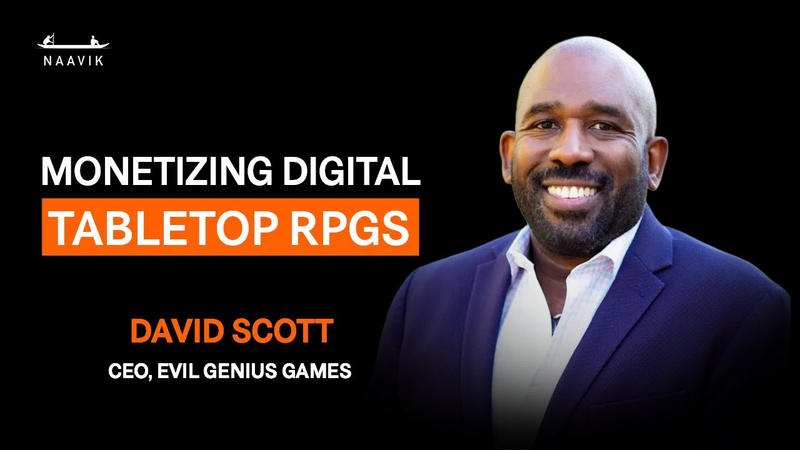
The Present & Future of Digital Tabletop RPGs
The tabletop role-playing game market has evolved into a robust $30 billion industry, currently experiencing an 11.8% annual growth rate fueled by a post-pandemic resurgence in social, unplugged entertainment.
- The tabletop RPG industry is currently experiencing a growth rate of 11.8%, outpacing the video game industry as players increasingly seek social, non-isolationist entertainment.
- Successful digital TTRPG platforms must integrate five core functionalities: character sheets, rulebooks, encounter builders, support for user-generated content, and a virtual tabletop (VTT) interface.
- To avoid cannibalizing physical sales, publishers are adopting hybrid models where digital subscriptions provide basic functionality while physical products remain premium, collectible items that offer a tactile experience.

The EU's Digital Fairness Act and what it means for the games industry explained
The European Commission’s proposed Digital Fairness Act represents a significant shift in the regulatory landscape for the gaming industry, aiming to modernize consumer protection standards across the European Union.
- The EU's proposed Digital Fairness Act aims to modernize consumer protection by targeting monetization strategies, addictive design elements, and the protection of vulnerable users.
- Industry stakeholders are concerned that the legislation may misclassify standard promotional mechanics, such as time-sensitive offers and limited-edition items, as prohibited dark patterns.
- New mandates requiring the display of fiat valuations for mixed-source virtual currencies are being challenged as technically flawed and potentially disruptive to free-to-play economic models.
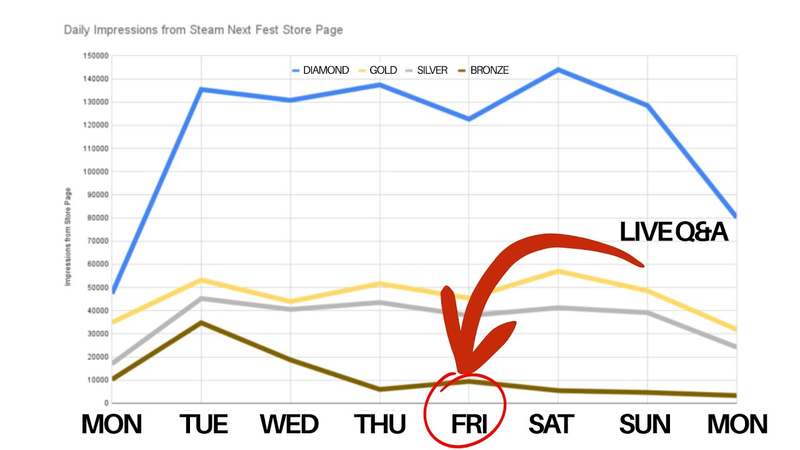
Friday Steam Next Fest Q&A
Steam Next Fest functions as a critical barometer for game performance, where success is primarily determined by pre-event marketing and the accumulation of wishlists rather than mid-event adjustments.
- Once a game is available for purchase on Steam, the algorithm shifts its primary focus from wishlists to pure revenue, as sales figures are the most reliable metric for Valve to evaluate performance.
- Steam Next Fest performance is largely determined by the quality of the game and the preparation done beforehand; once the event begins, the outcome is effectively locked and cannot be significantly altered by mid-event adjustments.
- Developers should avoid over-analyzing granular data or creating complex performance theories during Next Fest, as these behaviors often lead to misinterpreting random fluctuations as meaningful trends.

🎮 Habby finally SPEAKS: The template evolves! First-ever Habby Western interview
Habby has evolved from a publisher of simple puzzle games into a powerhouse of midcore, IAP-driven mobile experiences, exemplified by the global success of titles like Survivor.io and Archero.
- Habby has transitioned from simple puzzle games to a midcore, IAP-driven model, leveraging a repeatable development template that balances accessible onboarding with long-tail engagement.
- To combat rising user acquisition costs, Habby is shifting away from the hybrid-casual market and investing in long-term partnerships, such as a $2 million commitment to Mavis Games.
- Successful scaling requires integrating monetization directly into the core game loop, a strategy where Chinese developers currently outperform Western studios that often treat revenue as an afterthought.

"Capcom didn't really see the value in bringing back the original versions of Resident Evil"
The preservation of classic video games serves as a critical bridge between historical cultural artifacts and modern consumer accessibility.
- Preserving classic games requires overcoming three primary barriers: navigating complex intellectual property rights, addressing the technical degradation of legacy software, and proving commercial viability.
- Major publishers often prioritize high-budget remakes over original versions, despite a significant market segment that demands authentic, non-monetized, and vanilla legacy experiences.
- Reverse engineering is a critical technical strategy used to ensure legacy titles remain compatible with modern hardware, including support for ultra-wide resolutions and contemporary controller inputs.

Supercell CEO vs. the EU — Is This the End of Free-to-Play in Europe?
The European Union’s proposed Digital Fairness Act and accompanying consumer protection guidelines have sparked significant industry concern regarding the future of the free-to-play gaming model.
- The EU’s proposed Digital Fairness Act threatens the $27 billion European gaming sector by potentially classifying in-game currencies as financial instruments similar to Bitcoin.
- If enacted, the regulation would require every virtual transaction to undergo rigorous legal processing, including mandatory parental approval and explicit euro-denominated price disclosures.
- These requirements risk dismantling the frictionless monetization mechanics that currently sustain the free-to-play gaming model.

The Games Industry 2024 Survival Guide | Develop:Brighton 2024
The global games industry is currently navigating a period of significant market volatility, necessitating a fundamental shift toward fiscal discipline and strategic agility.
- Maintain financial resilience by planning for the assumption that every game will be a commercial flop, allowing for risk-taking only when performance exceeds expectations.
- Prioritize cash flow during market downturns by pursuing porting opportunities for existing titles, which can often be funded by platform holders or publishers to keep operations running.
- Enhance user acquisition and discoverability by partnering with mid-tier celebrities and brands outside the gaming industry who are eager to enter the space and align with social causes.
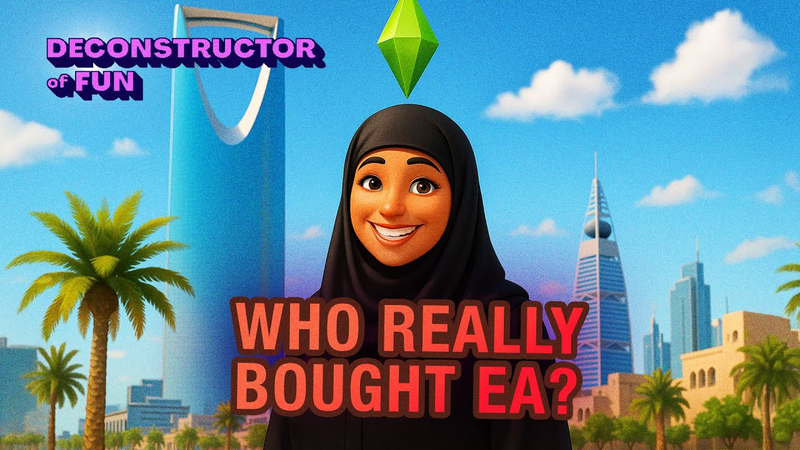
Who really bought EA and why this isn’t a typical PE deal
The acquisition of Electronic Arts (EA) for $55 billion represents the largest leveraged buyout in gaming history, involving a consortium led by Saudi Arabia’s Public Investment Fund (PIF), Silver Lake, and Affinity Partners.
- The $55 billion acquisition of Electronic Arts is the largest leveraged buyout in gaming history, funded by a $36 billion equity stake and $19 billion in debt.
- The consortium is led by Saudi Arabia’s Public Investment Fund (PIF), alongside Silver Lake and Affinity Partners, aiming to establish Riyadh as a global gaming hub.
- EA’s annual cash flow of $2.5 to $3 billion is projected to cover debt service, reducing the likelihood of the aggressive 25% to 30% workforce cuts typically seen in private equity buyouts.

GI Podcast | Court rulings provide opportunities for mobile developers
Recent legislative shifts and court rulings in the United States and Europe, most notably the Digital Markets Act (DMA), have fundamentally altered the mobile gaming landscape by enabling developers to bypass traditional app store billing systems.
- Legislative shifts like the Digital Markets Act in Europe and US court rulings now allow mobile developers to bypass standard 30% platform commissions by implementing direct-to-consumer web shops.
- Developers using web shops report an average revenue increase per paying user of 8% to 14%, with high-engagement VIP players driving a lift of over 25%.
- Since 2021, more than 600 web shops have been launched, successfully generating over $3 billion in incremental revenue for mobile developers.
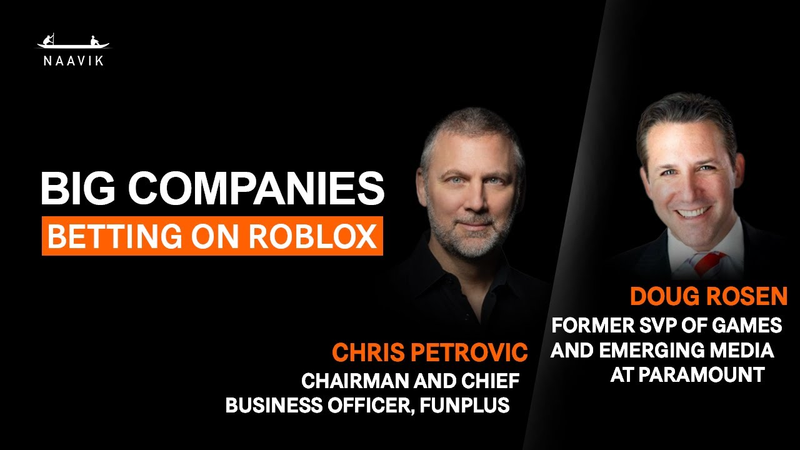
Why Big Companies Are Betting on Roblox
Roblox has emerged as a critical strategic frontier for major entertainment and gaming companies aiming to capture the attention of Gen Z and Gen Alpha.
- Roblox is demonstrating significant scale and growth, with bookings up 51% year-over-year to $1.4 billion and daily active users reaching 112 million, a 41% increase.
- Creator payouts on Roblox grew 52% year-over-year to $316.4 million, signaling a robust ecosystem for developers and IP holders.
- Large entertainment companies are shifting their strategy to treat Roblox as a platform for audience reach and IP exposure rather than just a traditional revenue-generating game channel.
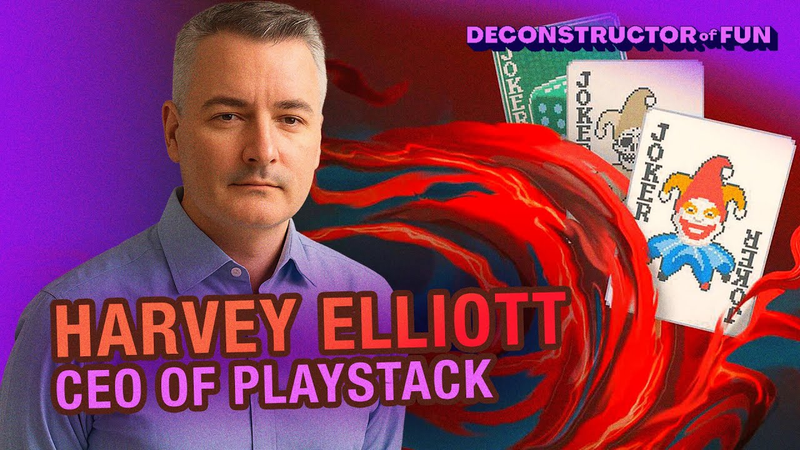
How Balatro Became a 7-Million-Copy Indie Hit | Harvey Elliott, CEO of Playstack
The success of the poker-themed roguelike Balatro, which has surpassed seven million units sold, serves as a primary case study for a publishing model that prioritizes niche community engagement over mainstream marketing.
- Balatro has achieved commercial success with over 7 million units sold by prioritizing niche community engagement over traditional mainstream marketing.
- Publishers can scale resource-constrained indie titles by focusing on games that combine an immediate, compelling core loop with long-term strategic depth.
- The publishing model for Balatro relies on organic discovery through social media and specialized forums to reach target audiences without aggressive, short-term promotional spending.

Inside Supercell: Old Guard, Rotating GMs, Sparks, Labs, and Silos.
Supercell faces significant internal and strategic challenges as it navigates a period of organizational transition and pressure to deliver sustainable growth.
- Supercell is currently dependent on legacy franchises like Clash of Clans, Clash Royale, and Brawl Stars to drive revenue, raising concerns about the long-term sustainability of its growth model.
- The company has struggled to launch new successful titles, leading to internal frustration regarding the handling of projects like Squadbusters and Clash Mini.
- Internal operations are hampered by a fragmented culture, geographic silos, and an entrenched old guard that is perceived as resistant to necessary organizational change.