Game Development reports and market data
Documents
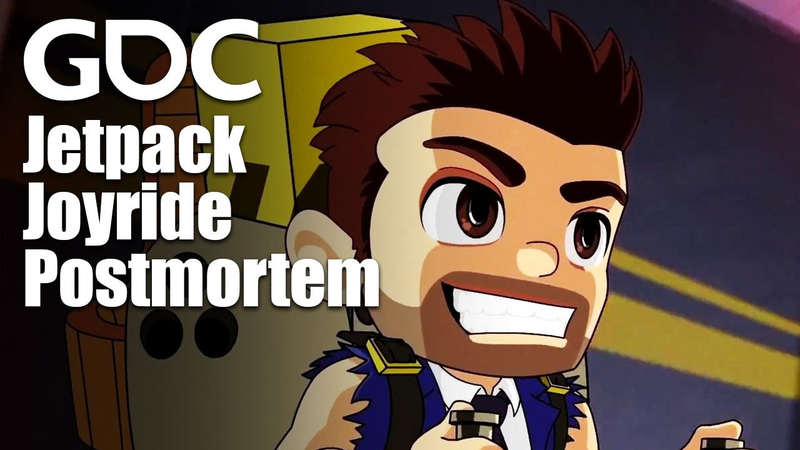
The Jetpack Joyride Postmortem
Jetpack Joyride represents a strategic masterclass in mobile game design, originating from a focused four-week development cycle by a three-person team at Halfbrick Studios.
- Halfbrick Studios developed Jetpack Joyride in a four-week cycle with a three-person team, proving that focused development can produce highly successful mobile titles.
- The game’s core retention strategy relied on a layered mission system that replaced static goals with progressive challenges to foster long-term player engagement.
- By intentionally incorporating randomized, occasionally unfair obstacles, the design mitigated player frustration and encouraged immediate re-engagement with the core gameplay loop.
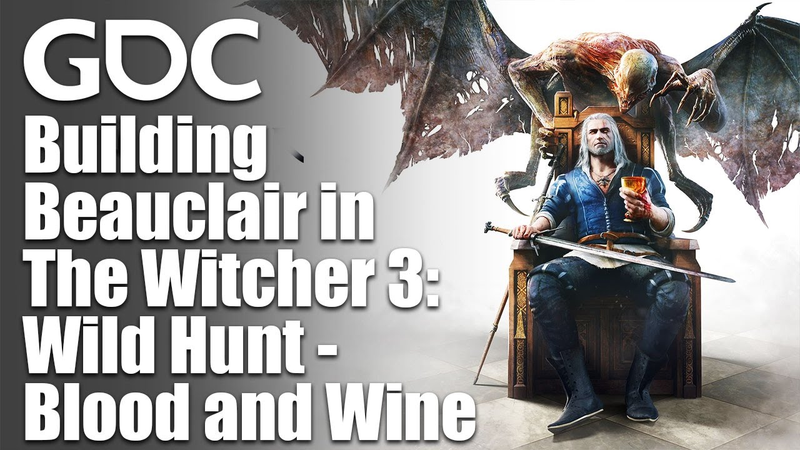
Building Beauclair in The Witcher 3: Wild Hunt - Blood and Wine
The development of Beauclair for The Witcher 3: Blood and Wine centered on creating a dense, vacation-inspired urban environment that balanced high visual fidelity with rigorous technical performance constraints.
- To manage performance in the dense city of Beauclair, the team used Umbra to optimize rendering by limiting the number of visible meshes based on the player's line of sight, significantly reducing triangle counts for complex structures.
- The development team implemented a custom blend shader that used monochromatic textures combined with color tints and pattern overlays to create unique visual variations for assets while minimizing memory usage.
- Designers controlled player navigation and visibility by bending streets and using landmarks like the Gorgon Mountain and the palace to break lines of sight, which helped hide asset popping and streaming latency.

Dark Patterns: How Good UX Can Be Bad UX
Dark patterns in game design represent a critical intersection where effective user experience (UX) techniques are repurposed to manipulate player behavior for short-term monetary gain.
- Dark patterns prioritize short-term revenue through deceptive UX, but they ultimately damage brand reputation and increase long-term player churn.
- Common manipulative tactics include bait-and-switch advertising, UI designs that trigger accidental purchases, and notifications using guilt-tripping language.
- Exploitative design relies on psychological pressure, such as leveraging social peer pressure or low-probability rewards, to force player compliance.
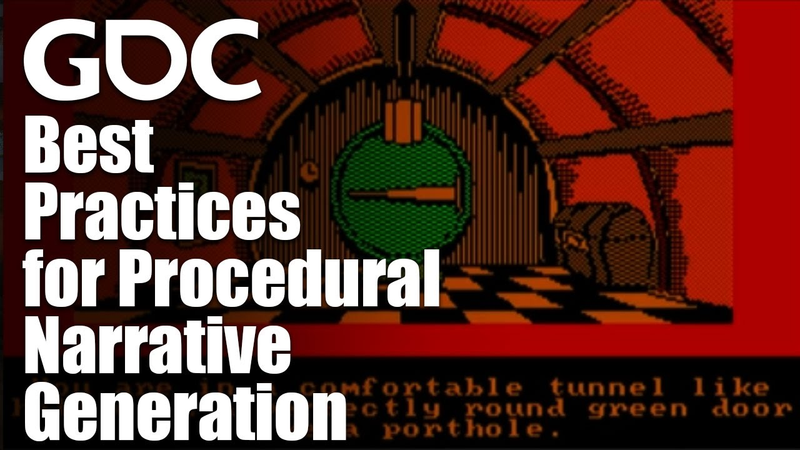
Best Practices for Procedural Narrative Generation
Procedural narrative generation serves as a bridge between structured, authored storytelling and emergent, simulation-based gameplay.
- Procedural narrative generation bridges the gap between authored storytelling and emergent gameplay by using logical modeling to represent characters, relationships, and world states as formal data.
- The simulation-centric approach, exemplified by Dwarf Fortress, prioritizes spontaneity by defining character personalities and interaction rules that drive behavior within a simulated environment.
- The plot-centric approach, utilized in games like Façade, employs a story mediator to monitor player actions and enforce specific narrative beats to maintain a designer's intended dramatic structure.
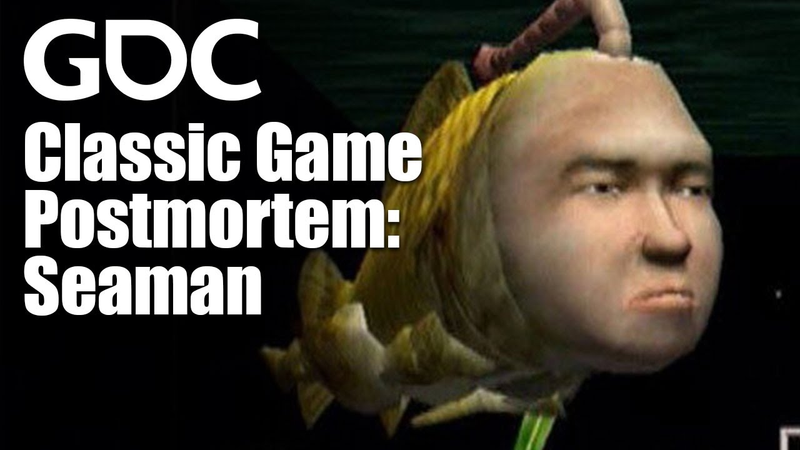
Classic Game Postmortem: Seaman
The development of the Dreamcast title Seaman represents a deliberate departure from industry conventions, prioritizing high-risk innovation over the safety of established genres or licensed properties.
- Seaman achieved commercial success by prioritizing high-risk innovation and emotional provocation over established genre conventions, successfully targeting both core gamers and non-gaming demographics.
- The development team utilized a 'hate-to-like' engagement theory, intentionally designing the creature to elicit discomfort or curiosity to ensure the player was never indifferent.
- Market demand was driven by a strategy of mystery and artificial scarcity, which included keeping the lead voice actor anonymous while leveraging Leonard Nimoy for institutional credibility.
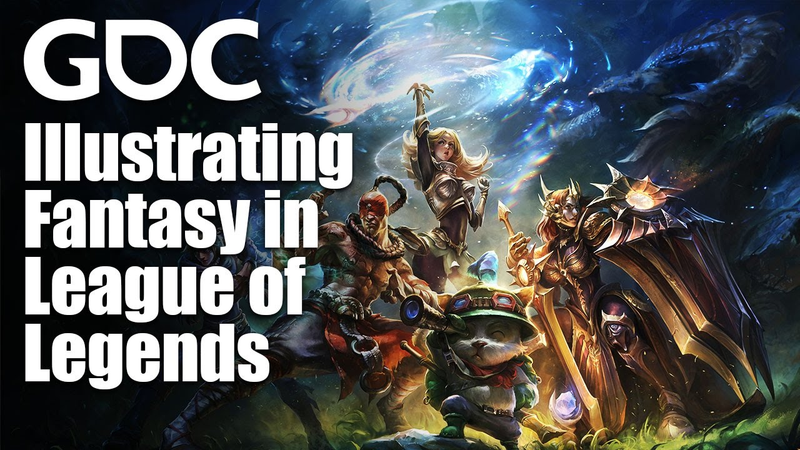
Illustrating Fantasy in League of Legends
The visual identity of League of Legends champions has evolved from rigid, action-oriented box art toward a narrative-driven philosophy that prioritizes emotional resonance and thematic storytelling.
- Riot Games shifted its illustration philosophy from creating 'aspirational' hero shots to focusing on the 'true fantasy' of a character, which exists in the player's imagination rather than the game's low-poly models.
- The illustration team discovered that breaking arbitrary rules—such as forcing a character to stand or showing their primary gameplay hook—often leads to higher player resonance, as seen in the successful redesign of Elise.
- Splash art is treated as a narrative tool to convey a champion's core personality and story, prioritizing the 'feeling' of a character over a literal representation of their in-game abilities or appearance.
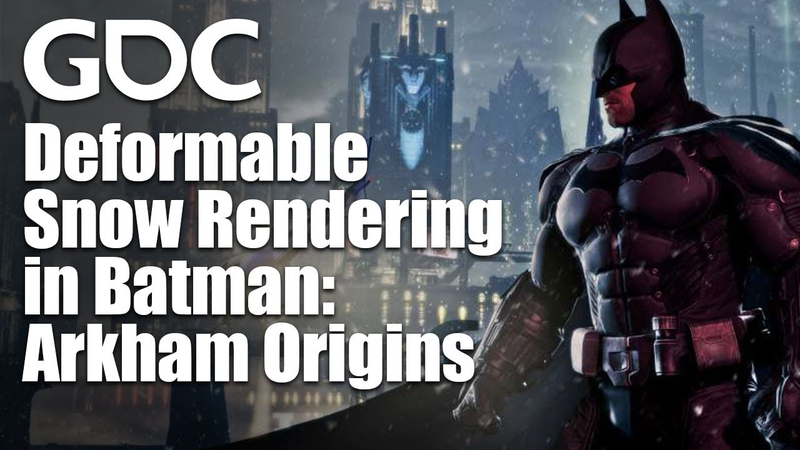
Deformable Snow Rendering in Batman: Arkham Origins
The development of the snow rendering system for Batman: Arkham Origins focused on creating a high-performance, low-memory solution for organic, deformable surfaces.
- The deformable snow system uses a runtime-generated displacement height map technique that avoids expensive raycasting or physics-heavy calculations, making it performant for previous-gen consoles like the PS3 and Xbox 360.
- To manage memory efficiently, the system uses a pre-allocated memory pool and only tracks 'active' surfaces—those within a specific distance of characters—releasing memory for distant surfaces to maintain a strict 2MB budget.
- The technique renders character interactions into a height map, which is then processed via a four-tap bilinear Poisson disc blur to create smooth, organic gradients for footprints, sliding, and fighting movements.
Classic Game Postmortem: Fallout
The development of Fallout between 1994 and 1997 represents a pivotal shift in role-playing game design, transitioning from rigid, linear structures to a sandbox-style experience defined by player agency.
- The development of Fallout (1994–1997) shifted RPG design from linear structures to a sandbox model by prioritizing player agency and non-linear quest solutions.
- The loss of the GURPS licensing agreement forced the team to overhaul the entire combat and skill system in just two weeks, leading to the creation of the proprietary SPECIAL system.
- Technical innovation was driven by the transition to Super VGA graphics and the development of cross-platform libraries to ensure compatibility across DOS, Windows, and Mac.
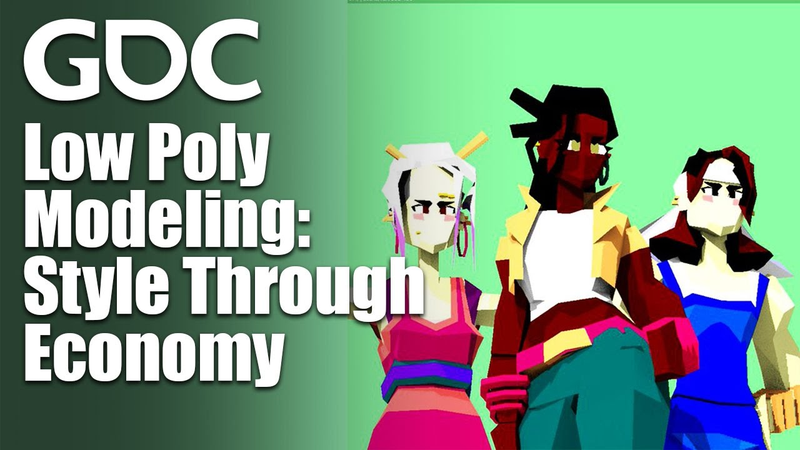
Low Poly Modeling: Style Through Economy
Low-poly modeling functions as a deliberate design philosophy centered on surface economy, prioritizing stylistic efficiency and the clear communication of visual ideas over the pursuit of high-fidelity realism.
- Adopting a low-poly first workflow increases productivity and iteration speed by eliminating the need for manual decimation or retroactive optimization.
- Low-poly modeling prioritizes surface economy and silhouette legibility, allowing developers to maintain consistent visual quality while managing limited resources.
- Low-poly geometry functions as an efficient control cage for subdivision surfaces, enabling rapid structural adjustments before final detailing and sculpting.

Early Access Lessons from Raw Data
Raw Data established a significant milestone in the virtual reality industry by becoming the first title to surpass $1 million in revenue within its initial 30 days.
- Raw Data achieved the first $1 million revenue milestone for a VR title within its initial 30 days of release.
- The game’s success was driven by a design philosophy prioritizing high-fidelity, active physical engagement and intuitive weapon handling over rigid realism.
- Cooperative, social gameplay served as the primary engine for long-term player retention and organic market growth.
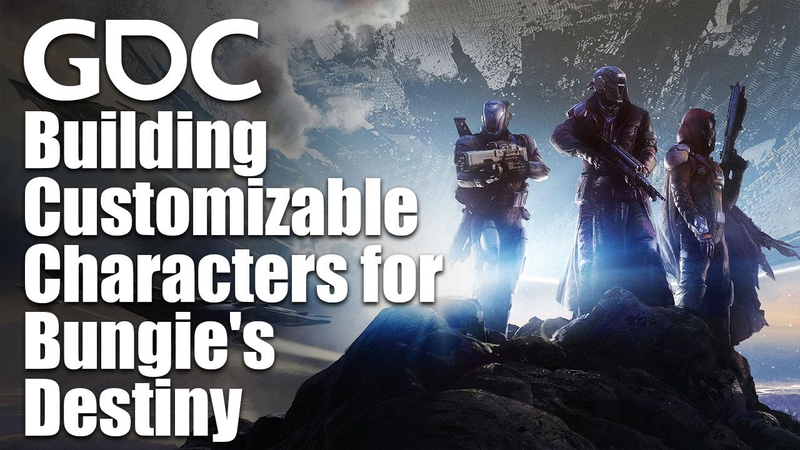
Building Customizable Characters for Bungie's Destiny
The transition from the singular hero archetype of the Halo franchise to the player-centric design of Destiny necessitated a fundamental shift in character development.
- Bungie developed a modular character customization system for Destiny that broke character designs into base elements called 'bits,' allowing artists to swap gear pieces without needing to re-skin or re-animate models.
- The system enabled artists to create complex new character assets, such as a helmet, in approximately 20 minutes by assembling pre-defined modular bits.
- To maintain performance across four platforms, the toolset provided real-time memory profiling for both textures and geometry, allowing artists to adjust resolution or swap bits to stay within strict hardware budgets.
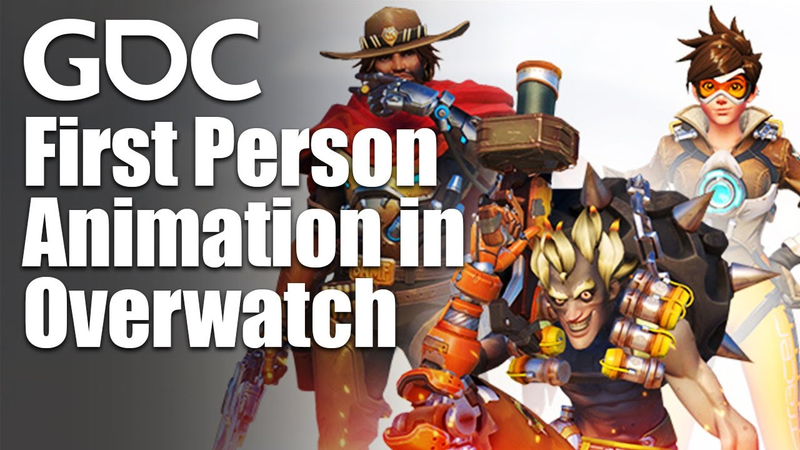
Animation Bootcamp: The First Person Animation of Overwatch
The animation philosophy behind Overwatch centers on the synthesis of distinct character personality and high-performance gameplay responsiveness.
- Overwatch animators utilize separate field-of-view (FOV) settings for the world and the player view model, allowing players to adjust their FOV up to 120 degrees without distorting the carefully crafted first-person weapon and character poses.
- To prevent weapon desync during reloads, the team uses parent spaces within the rig, which allows the right-hand IK to follow weapon bones and switch back to default without manually toggling constraints.
- First-person animations are designed to communicate gameplay status, such as moving the weapon away from the reticle during reloads to signal that the player cannot currently fire.