Game Design reports and market data
Documents

Can NPCs Fall In Love? | Extra Credits Gaming
The current landscape of video game design frequently isolates the player character as the sole romantic protagonist, a convention that limits narrative depth and character agency.
- Current game design often treats NPCs as static trophies by restricting romantic agency exclusively to the player, which limits narrative depth and creates an artificial world.
- Allowing NPCs to form independent relationships transforms the game world from a static stage into a dynamic, evolving environment with greater emotional resonance.
- NPC-to-NPC romances make player-initiated relationships feel more earned and significant, as the partner is choosing the player over other available options.
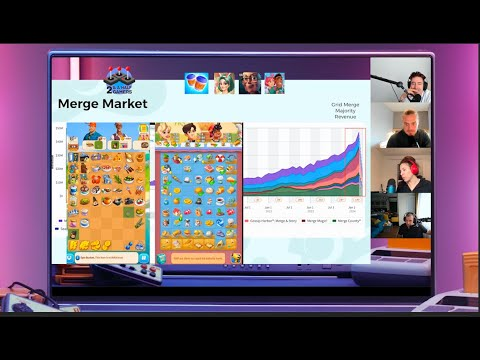
Merge Games Market History & Full Overview: Travel Town no.1 Merge game & Gossip Harbor case studies
The mobile merge game market has undergone a significant evolution, shifting from the open-ended, resource-heavy camp merge style to the more streamlined and commercially successful grid merge format.
- Grid merge games have become the dominant revenue-generating subgenre within the merge space, largely due to improved game loops that address player frustration with inventory management and board clutter.
- Travel Town, currently operated by MoonActive, has revitalized the genre by tightly integrating its meta-progression with item generation, ensuring that secondary item byproducts provide meaningful rewards and clear player goals.
- Successful merge games require precise balancing of generator cooldowns and item chains; for example, creating a single tier-five item typically requires 16 energy, making session length and resource flow critical to retention.
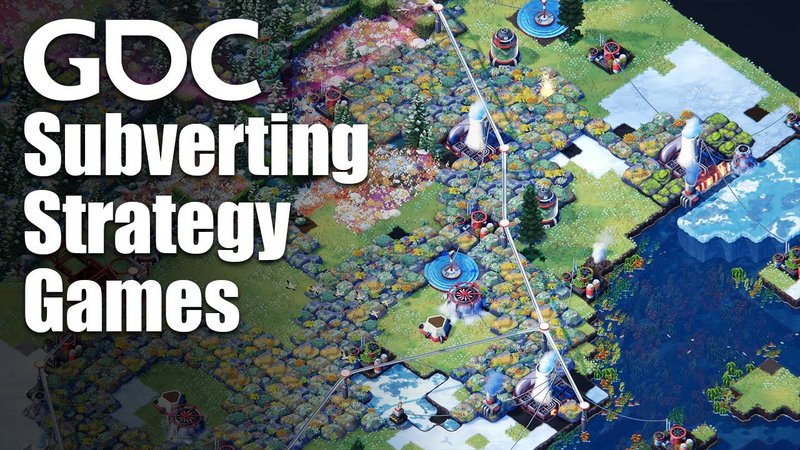
Developing 'Terra Nil': A Strategy Game About Nature, Not Expansion
Terra Nil represents a fundamental shift in strategy game design by replacing traditional mechanics of resource exploitation, colonization, and infinite expansion with a core loop centered on environmental restoration.
- Designers can dictate player priorities by linking core game mechanics to specific goals; in Terra Nil, replacing traditional metrics like gold or population with environmental restoration successfully shifted player focus to ecological balance.
- The game’s core loop is built on the principle of finite resources and equilibrium, where players must manage specific ecosystems—such as wetlands and forests—without the option to infinitely expand territory, reinforcing the theme of nature over industrial growth.
- Terra Nil originated from a 48-hour Ludum Dare game jam prototype, which gained traction despite using placeholder program art because players were emotionally engaged by the act of restoring a wasteland.
Fireside Chat: How AI is Shaking up Game Development in 2024, Craig Chapple SM & Tom Pigott, Ludo.ai
This discussion explores the transformative impact of generative artificial intelligence on the game development industry in 2024.
- Generative AI has transitioned from a speculative trend to a permanent, fundamental shift in game development workflows as of 2024.
- AI functions as a 'co-pilot' for developers, providing the most significant efficiency gains during labor-intensive pre-production, ideation, and rapid prototyping phases.
- Integrated AI platforms are democratizing game development by allowing smaller independent studios to match the productivity and creative output levels previously exclusive to AAA developers.
Panel: A Decade of Farm Heroes Saga: Reflecting on the Evolution, Impact, & Future...
Farm Heroes Saga maintains its position as a cornerstone of the mobile gaming industry by prioritizing a player-centric development philosophy that balances rigorous quantitative analysis with direct community engagement.
- Farm Heroes Saga became the first UK-developed mobile game to reach $1 billion in lifetime revenue in 2017.
- The development team prioritizes 'outcomes' over 'output,' focusing on player motivations and desired emotional experiences rather than simply increasing feature volume.
- Data-driven decision-making serves as the backbone of the design process, utilizing hypotheses based on metrics like daily active users, game rounds, and event funnels to guide pre-production and post-production.
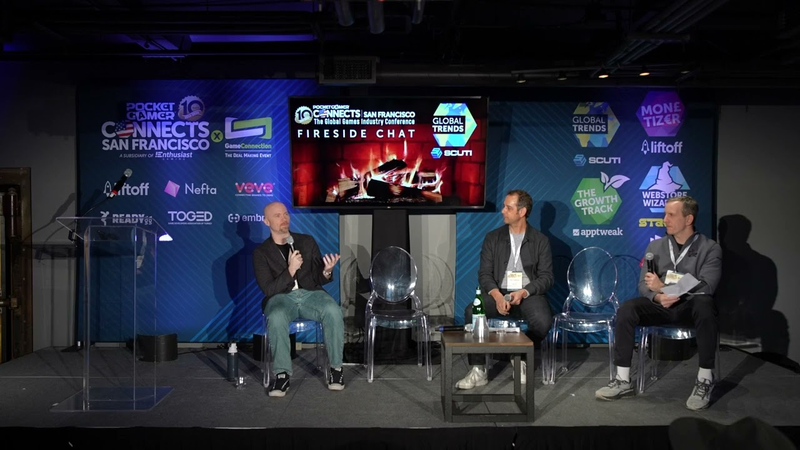
Fireside Chat: Great User Experiences vs. Successful Monetization: Perspectives From Industry Vets.
This discussion explores the tension between delivering high-quality user experiences and implementing effective monetization strategies within the mobile gaming industry.
- The core mobile game business equation is LTV (lifetime value) > effective CPI (cost per install), and if this flywheel falls out of balance for any user cohort, the game's commercial viability fails.
- Successful game development requires building mechanics that fit the monetization model from the start, such as optimizing for turn frequency in asynchronous games or transaction velocity in strategy titles.
- Engineering stability metrics, such as ANRs (Application Not Responding) and crash rates, are critical KPIs that directly impact user retention and store rankings; poor performance can lead to immediate user loss and negative reviews.
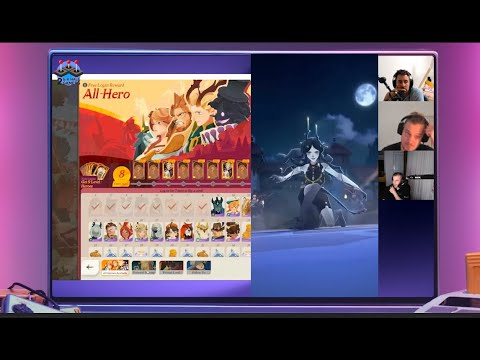
AFK Journey: A Highly Polished & Innovative RPG Game, captivating storytelling with stunning visuals
AFK Journey represents a significant evolution in the idle RPG genre, building upon the foundation of its predecessor, AFK Arena, to capture a substantial global audience.
- AFK Journey generates approximately $1 million in daily mobile revenue, demonstrating the commercial viability of high-production idle RPGs in Tier-1 markets like the United States and France.
- The game utilizes a resonance leveling mechanic and simplified equipment structure to eliminate inventory management friction, successfully bridging the gap between mobile accessibility and PC-level depth.
- A cross-platform strategy featuring a dedicated PC client and a web-based monetization ecosystem serves as a core pillar for the game's user retention and revenue scaling.
'Farming Simulator' Postmortem
Farming Simulator occupies a unique niche in the gaming industry by bridging the gap between hyper-realistic agricultural simulation and accessible, entertainment-focused gameplay.
- The official 'Mod Hub' launched in 2012 to centralize quality control and distribution, resulting in massive growth: Farming Simulator 15 saw 1 million downloads, while Farming Simulator 19 reached over 1 billion total mod downloads across 6,000 mods.
- To incentivize high-quality user-generated content, GIANTS Software implemented contests with prize pools exceeding 50,000 Euros and offered top modders commercial partnerships to create paid DLC.
- The developers prioritized entertainment over strict realism, adopting open-world mechanics from titles like Grand Theft Auto and Battlefield, such as the ability to exit vehicles and interact with the environment on foot.
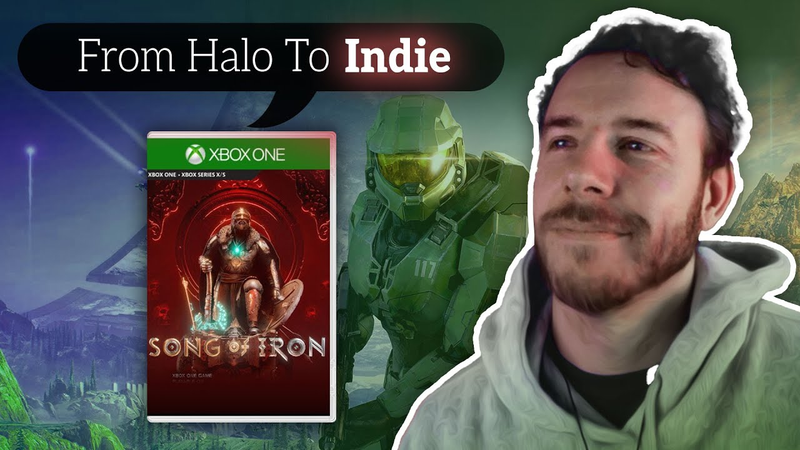
Why This Halo Developer Went Indie (And Completely Solo!) — Full Time Game Dev Podcast Ep. 010
Transitioning from high-profile AAA studios like 343 Industries to solo indie development represents a fundamental shift from collaborative stability to total personal accountability.
- Solo indie development requires strict scope management, such as utilizing side-scrolling mechanics and miniature prototyping, to mitigate the psychological and financial pressures of total personal accountability.
- Achieving 100,000 wishlists on Steam does not guarantee commercial success, as wishlist decay and a lack of momentum can significantly diminish initial sales performance.
- A successful indie launch can yield approximately $300,000 in profit from 40,000 units, underscoring the need for realistic financial expectations.
Township Deconstructed: The Secrets to Its Multi-Billion Strategy
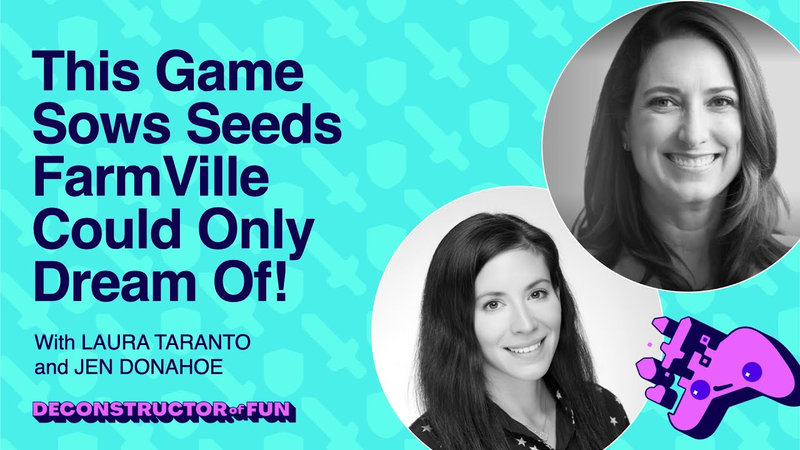
Township has established itself as a dominant force in the mobile farming simulation genre by evolving from a simple 2011 simulator into a complex, multi-layered ecosystem.
- Township commands nearly 40% of the mobile farming simulation market revenue share by prioritizing continuous product iteration over the development of sequels.
- More than 50% of the game's total lifetime revenue has been generated within the last four years, demonstrating the effectiveness of long-term product refinement.
- The game functions as a casualized 4X ecosystem by integrating diverse mechanics, such as match-three, grid-merging, and expedition-style events, to maximize player lifetime value.
The Secret Reason Some Games Reward You Early | Extra Credits Gaming
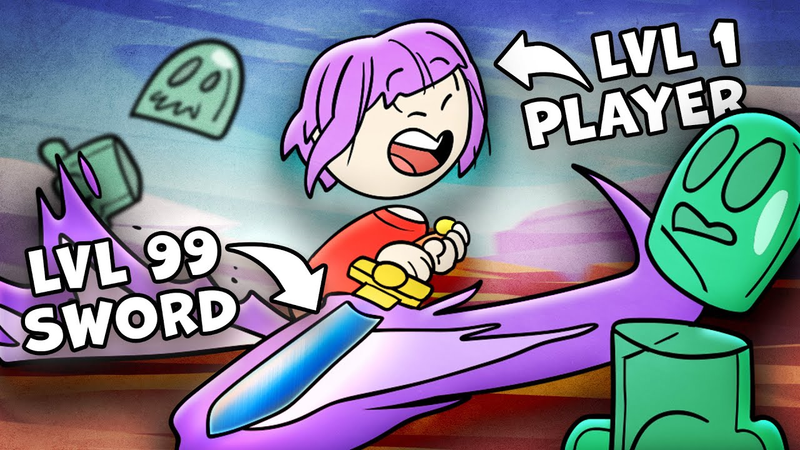
Game design is fundamentally an exercise in psychology, yet developers often overlook how cultural backgrounds shape the player experience.
- Game design is heavily influenced by the cultural background of the developers, which often dictates how players perceive mechanics like difficulty, onboarding, and rewards.
- The practice of showering new players with free loot boxes and powerful items in some Asian markets is rooted in a cultural tradition of lavish gift-giving, where the host uses gifts to signal the guest's importance and status.
- Western players often interpret aggressive early-game rewards as suspicious or game-breaking, whereas the design intent is to make the player feel valued and respected as a guest.

2024 Independent Games Festival Awards Ceremony
The 26th Independent Games Festival Awards serves as both a celebration of creative ingenuity and a pointed critique of the contemporary gaming landscape.
- The 26th Independent Games Festival Awards highlighted systemic industry instability, specifically addressing widespread layoffs and unsustainable labor practices that threaten the long-term viability of the workforce.
- Approximately 87 percent of historical games remain inaccessible, underscoring a critical failure in the industry's commitment to digital preservation.
- Venba received the Seumas McNally Grand Prize, while the Nuovo Award was presented to Anthology of the Killer, signaling a strong industry preference for personal storytelling and unconventional gameplay.