Game Design reports and market data
Documents

Monopoly’s Dirty Secrets: Theft, Erasure and Capitalism | Extra Credits Gaming
The board game Monopoly, widely recognized as a quintessential capitalism simulator, originated as an educational tool designed to critique the very economic system it now symbolizes.
- Monopoly was originally created in 1902 by Elizabeth Magie as 'The Landlord’s Game,' an educational tool designed to critique the societal harms of land monopolies and unchecked rent.
- The game’s transition to a commercial product occurred in 1935 when Charles Darrow sold a pirated version to Parker Brothers, who then marketed him as the sole inventor to suppress Magie’s contributions.
- Parker Brothers consolidated their market position by purchasing Magie’s patent for a nominal fee and systematically acquiring or disposing of competing versions of the game.
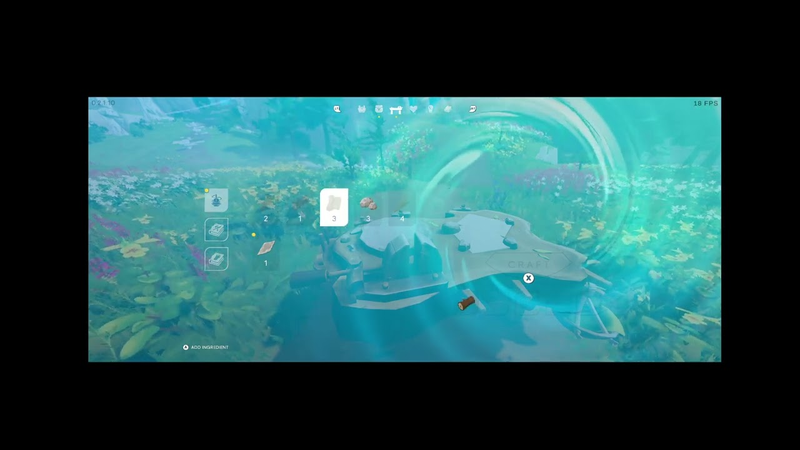
Aloft Best Demo of Steam Next Fest June 2024
Aloft distinguishes itself within the competitive survival-craft genre by pairing a visually striking, floating archipelago setting with a highly effective, non-intrusive onboarding process.
- Aloft utilizes a non-intrusive tutorial system that teaches core survival-craft mechanics without restricting player movement, successfully balancing structured guidance with open-world freedom.
- The game leverages Steam’s platform algorithms by providing substantial demo content designed to increase median playtimes and improve visibility.
- Developers have optimized conversion potential by integrating prominent wishlist prompts directly into high-traffic touchpoints like loading screens and menu interfaces.
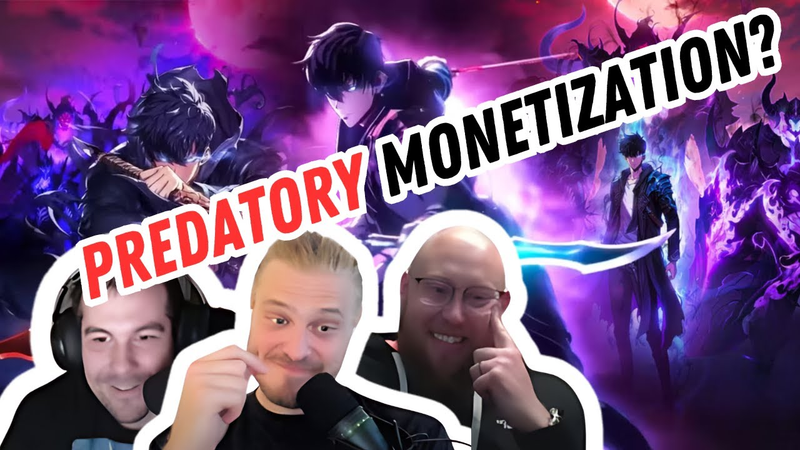
Solo Leveling: Arise - Depth of Content & Progression Layers Exploring the Predatory Monetization
Solo Leveling: Arise represents a strategic expansion of Korean-developed RPGs into the Western market, capitalizing on the global surge in anime popularity.
- Solo Leveling: Arise targets a competitive segment of 25 to 35 million active players by leveraging high-fidelity, IP-driven content to bridge mobile and PC gaming markets.
- The gacha system utilizes a low 0.6% base pull rate, which is balanced by pity timers, wish-list mechanics, and a 'Special Summon' feature that lets players preview results before spending.
- Progression is intentionally gated through energy systems, daily limits, and a dual-requirement structure that mandates investment in both the main protagonist and a secondary roster of support hunters.
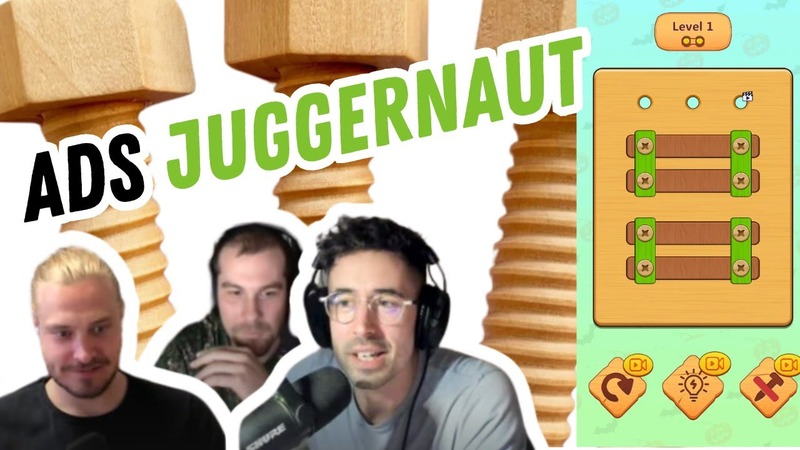
Wood Nuts & Bolts Puzzle: Highly challenging & demanding match puzzle game
Wood Nuts & Bolts Puzzle, a physics-based title released in November 2023 by ABI Game Studio, has rapidly established itself as a dominant force within the mobile puzzle genre.
- ABI Game Studio’s 'Wood Nuts & Bolts Puzzle,' released in November 2023, generates an annual revenue run rate exceeding $150 million, with daily ad revenue estimated between $400,000 and $450,000.
- The title maintains significant scale with approximately 9 million monthly downloads and a daily active user base of 4.5 million.
- The game utilizes a hybrid monetization model that pairs in-app purchases with aggressive, high-frequency ad placements to sustain its revenue performance.
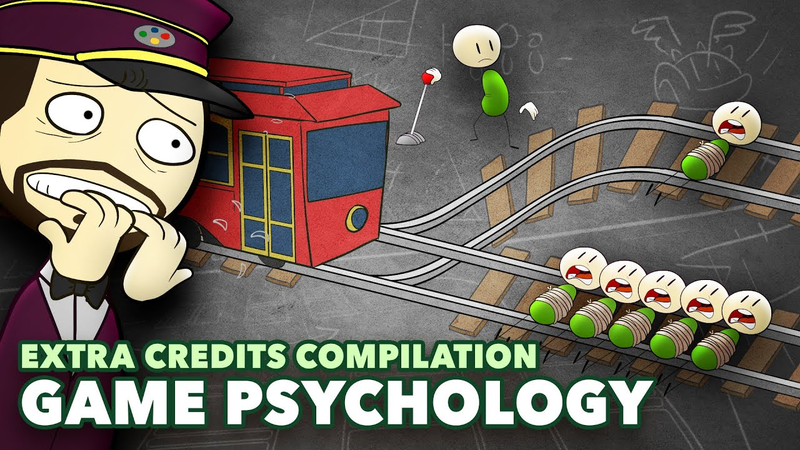
Game Psychology 🧠 | Extra Credits Compilation | Extra Credits Gaming
This analysis explores the intersection of psychological phenomena and game design, illustrating how ethical dilemmas and cognitive biases can be leveraged to create more meaningful, immersive player experiences.
- The Trolley Problem is a foundational ethical thought experiment used in game design to force players into meaningful, morally weighted choices, such as those found in The Walking Dead, Life is Strange, and BioShock.
- The Prisoner's Dilemma demonstrates that when individuals act purely in their own rational self-interest, they often reach a Nash equilibrium that results in a worse collective outcome than if they had cooperated.
- The Bystander Effect, first identified following the 1964 murder of Kitty Genovese, occurs when individuals fail to intervene in emergencies because they mirror the inaction of the crowd or experience a diffusion of responsibility.
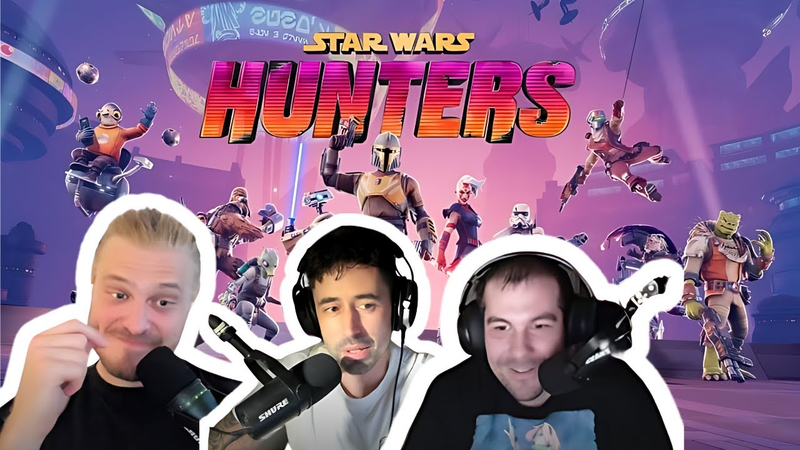
Star Wars: Hunters - The Waste of potential & Flaws A.K.A the honest review
Star Wars: Hunters functions as a high-production 4v4 hero shooter that struggles to translate its significant brand equity into sustainable financial performance.
- Star Wars: Hunters currently generates approximately $70,000 in daily revenue and 200,000 daily downloads, figures that are heavily reliant on aggressive marketing spend rather than organic player retention.
- The game lacks the robust gacha mechanics and power progression systems necessary to effectively monetize its user base in the competitive mobile market.
- Licensing constraints prevent the inclusion of iconic characters like Darth Vader, forcing the game to rely on generic archetypes that diminish the appeal of its cosmetic-focused monetization model.
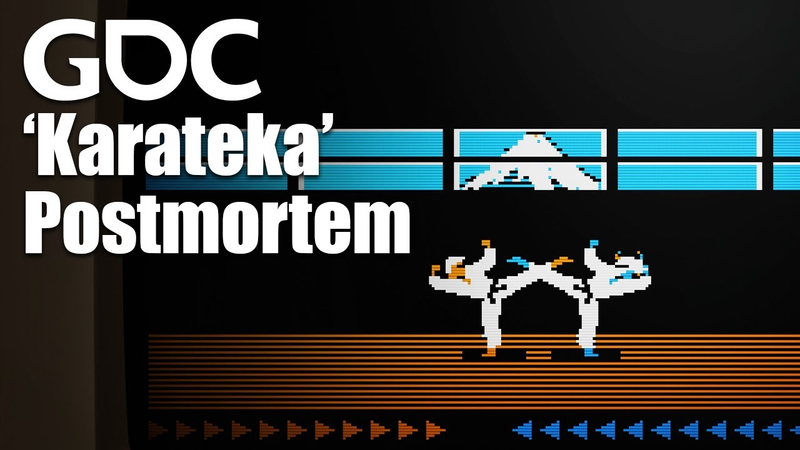
Classic Game Postmortem: 'Karateka'
The development of the 1984 title Karateka represents a pivotal moment in early home computer gaming, marking a transition from rudimentary arcade-style action to cinematic, narrative-driven experiences.
- Jordan Mechner developed the 1984 hit Karateka by combining the large sprite design of the game Swashbuckler with the smooth, fast animation style of Choplifter.
- To achieve fluid character movement on the Apple II, Mechner used a VersaWriter graphics tablet to rotoscope live-action film frames, tracing them manually into the computer.
- Mechner implemented a cinematic 'leitmotif' musical approach, where his father composed distinct themes for the hero and villain to help tell the story through limited audio channels.
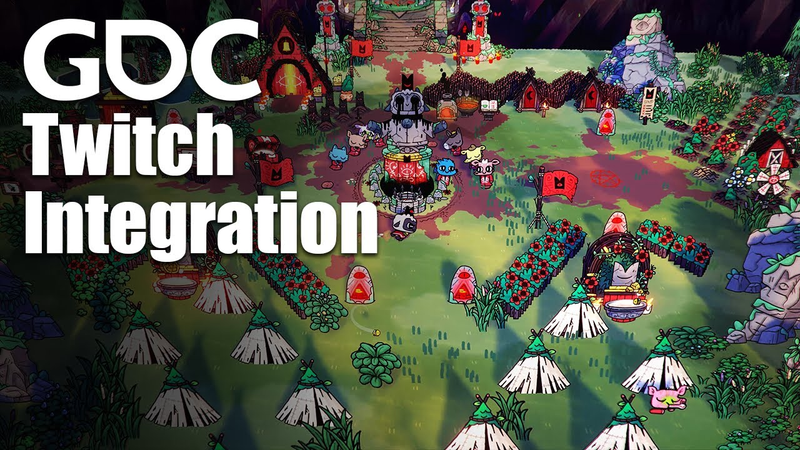
Cult of the Twitch: How 'Cult of the Lamb' Used Twitch Integration to Reach a Massive Audience
Cult of the Lamb serves as a definitive case study in leveraging Twitch integration to transform passive viewership into a collaborative, high-engagement experience.
- Cult of the Lamb’s Twitch integration drove significant engagement, resulting in 14 million unique interactors and over 400,000 viewer-created followers within the first month of launch.
- The integration helped sustain game viewership long after the initial launch hype, with approximately 90% of streamers continuing to utilize the Twitch features.
- Development of the integration was split into two phases: three months for the back-end infrastructure and one month for the in-game implementation, which was completed in parallel with console certification.
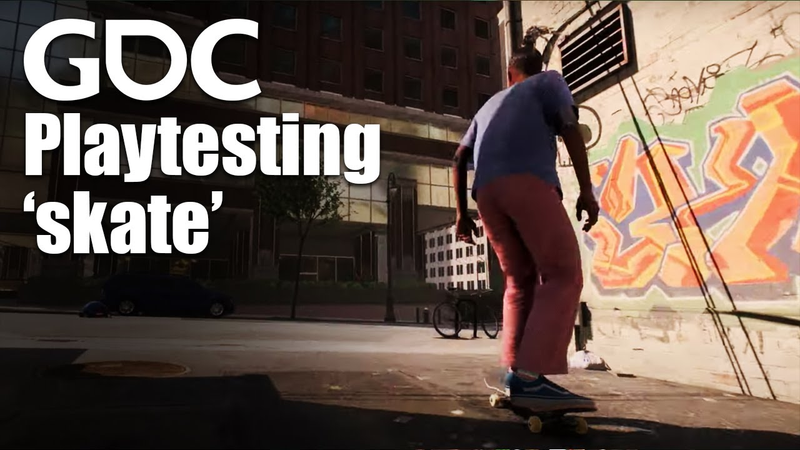
Step Into Your Player's Shoes: Making the Most of Team Playtests on 'skate'
The Focus Team Playtesting framework serves as a strategic methodology for mitigating developer bias and the inherent curse of knowledge during the production of Skate.
- Internal team playtesting is a valuable tool for rapid iteration and low-cost feedback, but it does not replace external user testing with the target audience.
- Full Circle (an Electronic Arts studio) utilizes 'focused' team playtests to increase UX awareness and empathy by assigning team members specific player personas, motivations, or pain points to test against.
- To maintain high-quality feedback, teams must minimize friction and cognitive load, as increasing the complexity of tasks or questions during internal tests consistently leads to a decrease in feedback quality.
Total Battle War Strategy: $600k/day revenue 4X genre success with innovative onboarding
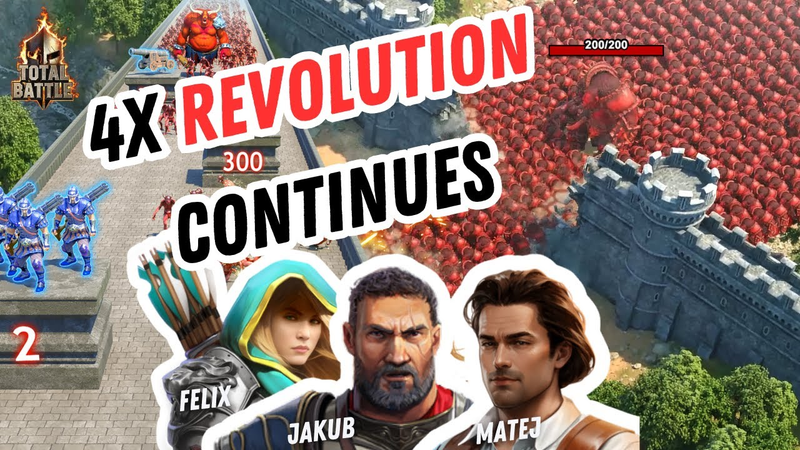
Total Battle has emerged as a dominant force in the 4X strategy genre, achieving a remarkable revenue milestone of $600,000 in daily mobile in-app purchases as of mid-2024.
- Total Battle, developed by Scorewarrior, has achieved a daily mobile revenue of $600,000 and monthly earnings of $14 million as of mid-2024.
- The game sustains long-term commercial relevance in a saturated 4X market by utilizing a modular onboarding process that transitions casual players into complex strategy gameplay through a safe, scripted simulation environment.
- Monetization is anchored by a 'pay or lose' loop featuring a unique temple resurrection system that imposes strict time windows for troop revival, creating consistent spending pressure.
How to Make Things "POP" with Audio and Color
Establishing a distinct and recognizable game identity requires a unified approach where audio and visual design function as a single, cohesive language.
- Establish a unified game identity by treating audio and visual design as a single, cohesive language rather than separate disciplines.
- Initiate cross-disciplinary collaboration between art and audio teams at the very beginning of the development cycle to prevent asset fragmentation.
- Align thematic palettes and shared creative constraints early to ensure the game stands out in a saturated market.

Fantasy Horror Kidnapping Sim ‘Life Eater’ with Xalavier Nelson Jr. | 349
Life Eater functions as a horror-fantasy simulation that challenges players to kidnap neighbors to appease a dark deity, serving as a vehicle to explore the profound moral ambiguity inherent in modern digital connectivity.
- The game 'Life Eater' uses the mechanics of a kidnapping simulation to explore modern vulnerabilities, specifically how social media oversharing and geolocation data enable real-world intrusion and security breaches.
- Developer Strange Scaffold emphasizes a sustainable production model, focusing on 'better, faster' development cycles that avoid the industry trend of 'max bet' projects to prevent team burnout and financial instability.
- The game’s core design philosophy shifts the moral weight from the act of kidnapping to the preceding intrusion, forcing players to violate a target's privacy and agency as a prerequisite for gameplay progression.