Game Design reports and market data
Documents
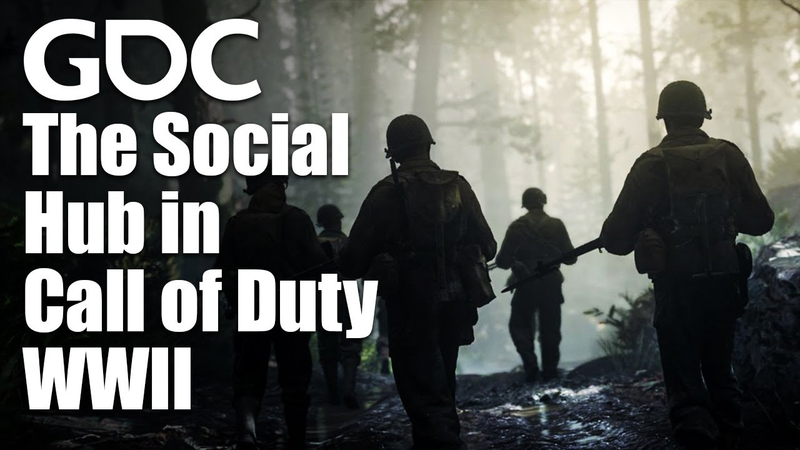
Building Headquarters: The Social Hub in Call of Duty WWII
Headquarters, a 48-player social hub introduced in Call of Duty: WWII, was designed to evolve the franchise’s traditional menu-based lobby system into an immersive, persistent military base.
- Sledgehammer Games developed 'Headquarters' for Call of Duty: WWII as a 48-player social hub designed to supplement the core multiplayer experience with non-combative activities, such as character customization, minigames, and social interaction.
- The 'Orders and Contracts' system successfully increased engagement with specific game modes and new downloadable content, serving as a primary driver for community activity and daily player retention.
- The 'Social Score' system was implemented to encourage positive community behavior, allowing players to 'commend' others for their contributions, such as custom emblems or weapon paint jobs.
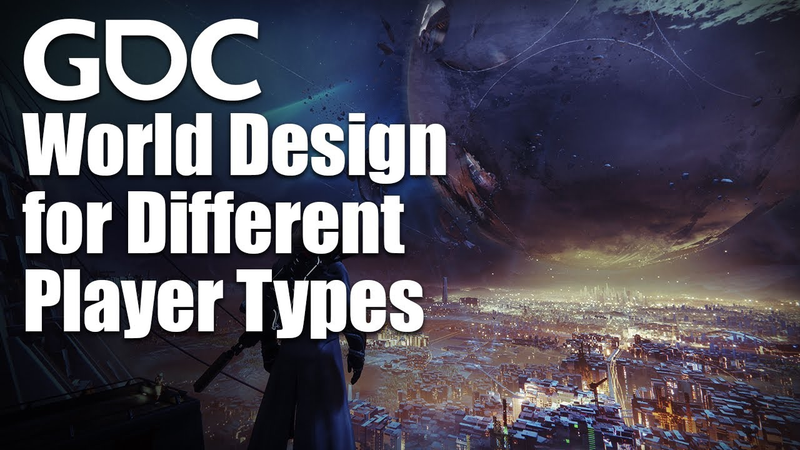
World Design for Different Player Types
World design requires a strategic, audience-centered approach that prioritizes specific player motivations over the attempt to satisfy every possible demographic.
- Designers should utilize the Gamer Motivation Model to categorize players into specific clusters—such as immersion, social, or mastery—to avoid feature creep and over-scoping.
- Immersion-driven players respond better to cohesive, narrative-linked zones rather than the disconnected, excessive content that caused fatigue in titles like Dragon Age: Inquisition.
- Multiplayer world design must balance activity friction, utilizing low-barrier mechanics for public spaces while reserving high-coordination, trust-based tasks for self-organized groups like raids.
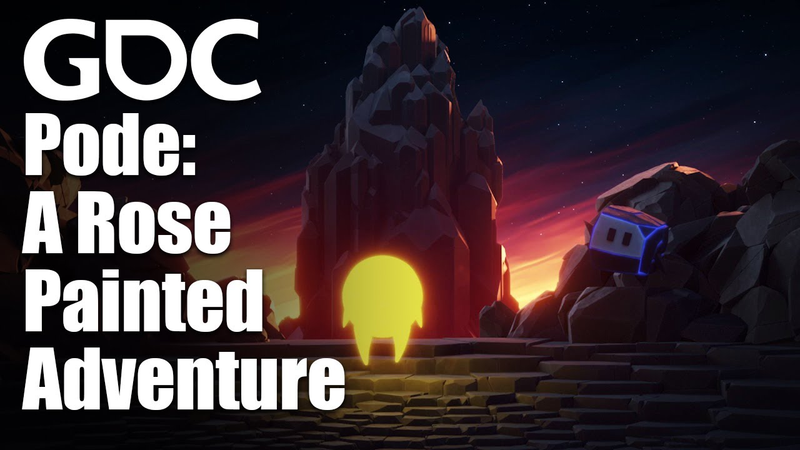
Pode, a Rose Painted Adventure
The 2019 GDC session on the development of Pode details the visual design philosophy and production strategies employed by the Norwegian studio Henchman & Goon.
- Henchman & Goon utilized a modular asset production strategy to maintain high visual fidelity despite a small team size of four to seven people and limited funding.
- The studio employed fixed camera angles to enable 'fake' lighting and optimized volumetric effects that would be computationally prohibitive in a free-camera environment.
- To communicate mechanics without text or speech, the team adopted a visual language inspired by the Norwegian national romantic movement and traditional rose painting.
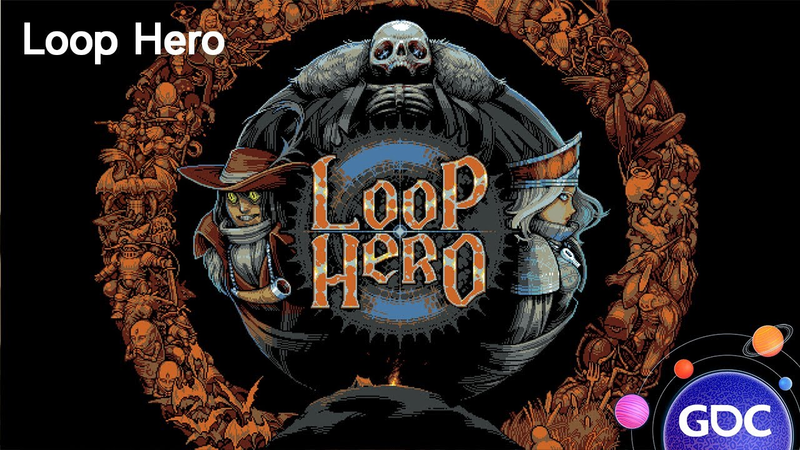
GDC Plays Loop Hero with Four Quarters team
Loop Hero centers on a unique design philosophy that shifts the player’s role from a direct combatant to an architect of the environment.
- Loop Hero originated during a 2019 Ludum Dare game jam, where the team focused on the core concept of a hero walking in circles to create an engaging 'zero-player' experience.
- The game's design relies on a 'mental training' philosophy where players act as passive observers, similar to watching a stream or caring for a Tamagotchi, rooting for the character's success despite having limited direct control.
- Developers implemented a complex enemy skill system where each chapter introduces new abilities for enemies, resulting in over 100 unique skills that required extensive coding and debugging to prevent game-breaking interactions.
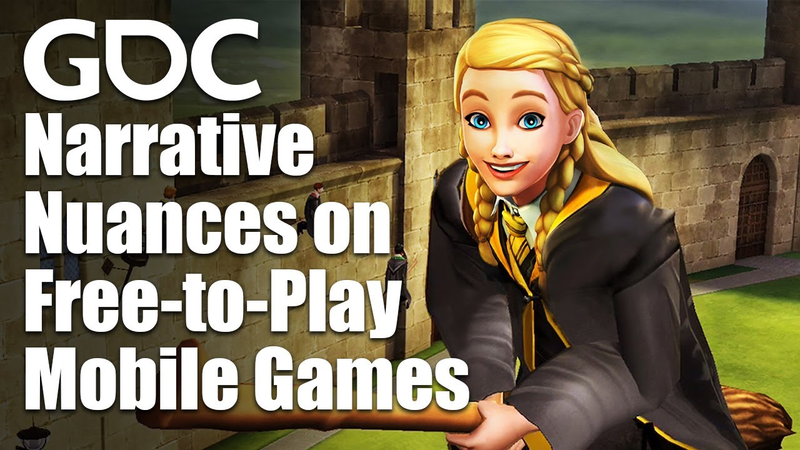
Narrative Nuances on Free-to-Play Mobile Games
Successful narrative design in the free-to-play mobile sector hinges on prioritizing emotional resonance over the mere transmission of lore.
- Prioritize emotional resonance and character-driven storytelling over lore-heavy exposition to drive long-term player retention.
- Implement a sitcom-style narrative structure featuring unresolvable dilemmas and frequent, small-scale arcs to maintain engagement in fast-paced mobile environments.
- Use the 'triangle technique' to integrate player input into NPC interactions, grounding choices in character relationships to foster a sense of personal expression.
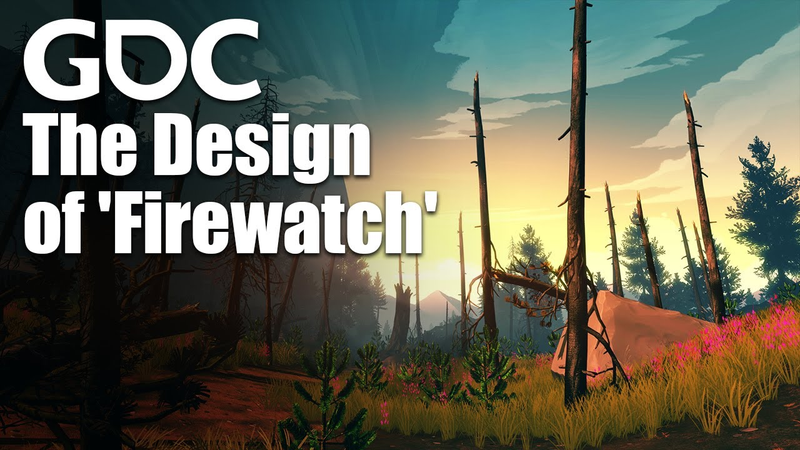
Interactive Story Without Challenge Mechanics: The Design of Firewatch
The design of Firewatch centers on the prioritization of narrative integrity over traditional challenge-based mechanics.
- Design narrative-driven games as a series of 'interesting outcomes' rather than 'interesting choices,' shifting the focus from risk-reward analysis to the organic, often invisible, results of player behavior.
- Implement a centralized 'fact-checking' system to track game state variables, preventing logic conflicts where redundant or contradictory story facts cause bugs in complex, branching narratives.
- Use 'reactivity' to support a wide spectrum of player possibilities, ensuring that even if a player ignores specific quest instructions or sequence-breaks, the game world acknowledges their actions through altered dialogue and narrative consequences.
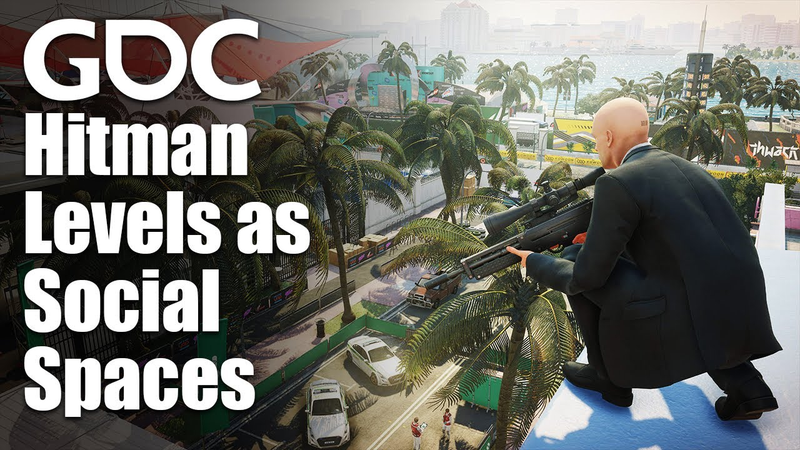
Hitman Levels as Social Spaces: The Social Anthropology of Level Design
The Hitman series utilizes a design philosophy centered on the concept of deadly sandboxes, where the architecture functions as a complex social ecosystem rather than a traditional linear path.
- Hitman levels function as complex social ecosystems by applying sociological frameworks that distinguish between 'front-stage' public areas and 'backstage' private zones.
- Player behavior and navigation strategies are governed by disguise-based mechanics and social expectations rather than traditional linear pathing.
- Level performance is optimized by providing a full spectrum of social interaction, whereas maps with overly hostile or linear designs consistently underperform.
Abby & Tony from Black Tabby Games | Game Dev Unchained Episode 261
Black Tabby Games demonstrates that independent game development thrives when creators prioritize audience cultivation and rigorous financial planning over traditional publishing models.
- Prioritize building an established audience before launching crowdfunding campaigns to secure capital while maintaining full creative control and intellectual property ownership.
- Treat crowdfunding platforms as tools to monetize a pre-existing community rather than as a primary method for generating initial interest or discovery.
- Ensure financial viability by setting funding goals that rigorously account for labor, taxes, and total production costs.
What makes Critical Role so Good!? - How the Pro's turn RPG's into compelling tabletop entertainment
The transition of tabletop roleplaying games (RPGs) from private social activities to professional entertainment requires a fundamental shift in design and execution.
- Successful actual-play shows like Critical Role, The Adventure Zone, and Rivals of Waterdeep transition tabletop RPGs from private social activities into professional spectator entertainment by prioritizing the viewer as the primary consumer.
- Production teams treat sessions as performances by utilizing writers, editors, and technical crews to manage pacing, camera angles, and sound design, effectively mirroring the structure of professional sports broadcasting.
- To maintain audience interest, these productions minimize extraneous downtime and focus on narrative flow, moving beyond simple character statistics to prioritize visual presentation.

Social Tokens (Blockchain) in Gaming | Richard Kim, Galaxy Interactive
Blockchain technology is fundamentally reshaping the relationship between game developers and their audiences by transitioning from extractive monetization models toward community-owned, user-governed economies.
- Blockchain technology shifts gaming monetization from extractive models toward community-owned economies where players act as active stakeholders rather than passive consumers.
- Social tokens and NFTs enable creators to bypass traditional intermediaries, transforming digital assets into both social identity markers and sustainable economic instruments.
- The current industry standard involves a phased approach where developers place only cosmetic items on the blockchain to leverage secondary markets while keeping core game balance and internal economies centralized.
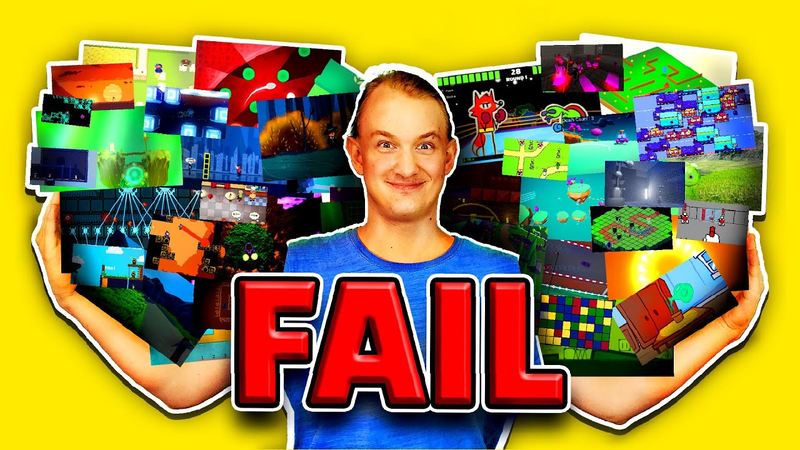
We Made 1000 Video Games About Failure
The Wowie Jam 3.0 game development competition challenged participants to create video games centered on the theme "failure is progress."
- The Wowie Jam 3.0 game development competition generated over 1,000 entries in 72 hours, all centered on the theme that failure is a form of progress.
- Winning entry 'The Over' utilizes a dual-progression system where players must balance immediate, failure-based assistance against long-term, success-based upgrades.
- Developers frequently subverted traditional win-loss conditions by implementing mechanics where death triggers environmental changes, new abilities, or strategic advantages.
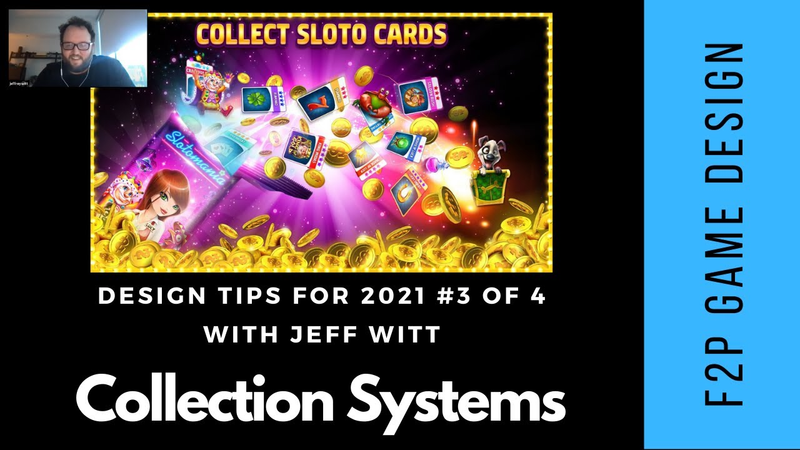
F2P Design Tips for 2021, Collections FTW (3 of 4) Ft. Jeff Witt
Collections represent a highly versatile and effective design feature for free-to-play games, capable of integration across diverse genres ranging from RPGs and strategy titles to social casino and farming games.
- Collections function as a versatile, low-risk engagement tool that provides short-term, achievable milestones to break the monotony of core gameplay loops across genres like RPGs, strategy, and casual games.
- Designers should integrate collection systems early in the development cycle rather than as post-launch additions to ensure they effectively bolster player retention and provide consistent objectives.
- To maximize effectiveness, developers must tie the acquisition of collection pieces to specific, thematic in-game actions, which helps educate players on progression while providing secondary goals.