1 free read left. Create a free account for unlimited reading + AI research.
Create free account
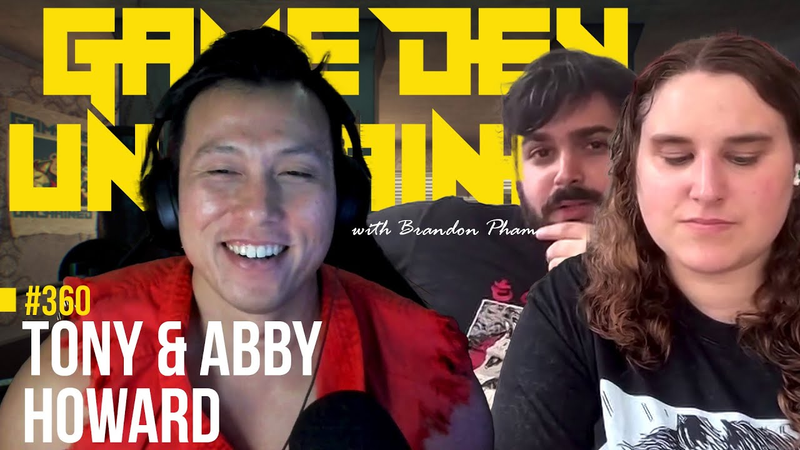
Abby & Tony from Black Tabby Games | Game Dev Unchained Episode 261
Key insights
6 takeaways- 01Avoid physical merchandise production to prevent the operational burdens and profit margin erosion associated with manufacturing, international shipping, and storage.
- 02Combat perfectionism and maintain productivity by implementing structured schedules, self-imposed deadlines, and transparent progress tracking.
- 03Prioritize building an established audience before launching crowdfunding campaigns to secure capital while maintaining full creative control and intellectual property ownership.
- 04Treat crowdfunding platforms as tools to monetize a pre-existing community rather than as a primary method for generating initial interest or discovery.
- 05Ensure financial viability by setting funding goals that rigorously account for labor, taxes, and total production costs.
- 06Focus on sustainable, long-term business models that prioritize a unique artistic voice over chasing fleeting industry trends.
Ask AI about this video
Transcript
[Music] what's up everybody welcome to another episode of game dev unchained the number one game development podcast about game development and the lifestyle thereof i am your host brandon fam and today there are two special guests tony and abby from black diamond games how are you guys doing out there you doing great good yeah uh living yeah just working all the time yeah it seems to be the case uh now that everyone's home you guys well we'll get into in a bit uh this is actually the part of the podcast where i asked argus which is yourself uh where you're from where are you at where you heading well i am originally from north carolina and i wound up after several other moves in boston where i wound up meeting tony and uh we
started a video game company together i mean also we started dating before that and then also got married so there's a lot in between yeah so what was the uh what was your background in game development was it just this is your first foray or always had been a hobby and then decided to go through with it because it's our first foray into video games i do uh comic books for a living i do graphic novels that sort of thing so i'm a writer and an illustrator full-time and have been for the past eight or nine years yeah and i've like designed and run some table tops but that was just on a very small scale hobbyist level and i worked in like startups for the longest time before this oh perfect all right so let's let's dig a little bit deeper into your stores then so uh would you mind kind of talking about your company a bit before i kind of dive into individually your stories
sure you want to take your one yeah sure i'll talk about it um yeah so we are a two-person indie game studio um and right now we're working on just one title a uh an episodic narrative horror game called scarlet hollow um which kind of sits at that intersection between visual novel and you know choose your own adventure point-and-click style stuff um we have seven episodes of our game planned in total which are releasing at six months intervals give or take so we've got our uh hands pretty full for the next couple years we released our first episode last september is a kind of free to play demo which led into a pretty successful kickstarter that's the high level stuff at least yeah man that's uh you i mean that already is a rare story to have a kickstarter that is successful to finally have the confidence to kind of do it for real uh so abby i kind of want to ask about your
your history so you spent like a good decade tied into at least a cousin of the game industry which is the comic book industry um how did you get started on that what was your career over there like is there any work that we know and the viewers might know out there that might recognize you from i have no idea if people will recognize my work i don't work in uh superhero comics or anything like that i'm more independent um i got my start doing webcomics so i had one called junior scientist power hour which was sort of a semi-autobiographical gag comic uh which wound up landing me a spot on a reality show like an online reality show posted by a penny arcade and it was a reality show to find the next best internet cartoonist i suppose i was the runner-up but that meant that i could kind of start my career in comics which is what i'd always wanted i was actually in school for evolutionary biology at the time and wound up dropping out to pursue comics because it just made sense and i never looked back since
then i've published seven full-length graphic novels some of which are collections of my online comics like there's the last halloween which is recently republished by iron circus comics and that one's really fun it has a lot of starved reviews and that sort of thing i'm very proud and i also just last week released a new book the crossroads at midnight which is a collection of seven short horror comics so i really love working in horror but i've also done educational stuff for kids with abrams i did a series of three books called earth before us which is all about paleontology and ancient life because that's what i studied in school and i just know a lot about it yeah gosh so that's kind of what it's been like yeah i guess like the last nine years were i mean that's basically the whole marvel boom right um comic history superhero comics but they're i think they're starting to be a lot more attention towards comics for sources of inspiration now because of the the latest latest thing so i wha whatever comics
are usually known for which is superhero genre is now other comics are starting to be recognized of potential stories uh did you being in that industry did you see some of this affecting your work some of this because i also know that comic i know this is a loaded question like the san diego comic con used to be more about comics but now it's more about like movie stars being there i would love to kind of hear your your side of like the comic industry from a perspective of a comic artist um and how it's being affected yeah it's a it's kind of two different worlds uh in a lot of ways like there are comic conventions that i go to that are kind of more like san diego but those i usually just go for a panel or two i don't tend to sit and man a booth the whole time and it is more of a pop culture convention now i feel where it's just kind of a anything and there's like a small artist alley off to the side or in a different building or something but i also go to a lot of independent comic conventions which are very different because there is a whole world of independent comments as well as like
mainstream graphic novels published by actual book publishers which is kind of more the realm that i'm in and it actually is a really amazing industry it extremely outgrosses purple and dc by a lot because kids comics are in there and kids comics are really taking off right now i mean recently this is kind of famous but the dogman guy the guy who made captain underpants now makes dog man and that was i think one of the biggest signing bonuses for a graphic novel ever at a million dollars just for the signing bonus or advance one of those i should get my facts straight if i'm going to talk about it but still so yeah it's a pretty big deal i think comic sales have picked up in the past five years to an incredible degree it's i think partially because people are moving into comics as more of a mainstream thing to read and just people are willing to take a chance on it they see that there's a market for it so yeah it's a good time to be in comics yeah well the very much the same way
tony i would love to kind of hear about your background too because um you mentioned tabletop you mentioned analog games right obviously kickstarter has a huge i i feel like influence in that field like a lot of most kickstarter products i feel like are more analog backed now than than like games like actual digital games being being backed as much you just hear more about tabletop games like yeah killing wildly popular on there they don't kill it gosh the money they can bring in wow yeah they bring ridiculous amount of money for a deck of cards right so um i'm also seeing that with the pandemic too people are missing that side of uh get together party games and and the elements if anything of how this pandemic kind of pushed social circles away like as soon as it's a-okay again i think it's gonna come back huger than before if if that's even possible i would love to kind of hear your side and your take
about that that part of the industry yeah i mean i i think uh i want to again stress that like any tabletop stuff i did was very much from a hobbyist angle where it was oh i'm gonna like play around with the rule set for dungeons and dragons and make a home brew setting and it was not something i'd done professionally at all um right like i think the thing that drove us to kickstarter as a platform is uh abby's run six six yeah six starters so it's a pretty uh and all of them like over funded by a fair bit so we had a big base to work on there uh professional background was actually more in the startup space so i spent a couple years working at the boston globe for their like health and biotech
um startup publication uh kind of building their audience and doing analytics and marketing uh wound up from there starting my own company with some friends from college um i was building volunteer organizing software for non-profits and political campaigns and i think the real intersection of like you know what abby and i were both bringing to the table when we started working on this was i just uh on top of the the the hobbyist angle of you know running quite a few campaigns and just i guess being very into video games uh i just had a lot of kind of technical and product management experience and when i think it was what a new york comic con in 2019 like we were chatting with a couple friends who made an offhand comment about like what about a dating simulator but for demons and we were just at a point in both of our lives we were able to look at each other
and be like oh wait should we do this could we could we just make a game um and then we did and we did yeah that's that's the huge part i mean we're starting to get to get like the the importance of how your past experiences are kind of diving into forming your own game studio i mean the startup background is definitely one of those under under realized part of uh starting a game studio i feel like a lot of game developers even if they are experienced have no experience of what it's like to form their own company work well with others on a tight schedule under budgeted you know all the like securities kind of stripped away from their nine to five uh and most of them kind of going blindly and there's a lot of problems that comes with that obviously oh yeah definitely and um
i feel like kind of coming from doing a startup before this uh we had a pretty good idea of just like what were the legal things that needed to be done what what bits of our project did we need to outsource other people what were like the best platforms to use to manage stuff probably very helpful that i've at least had to file business taxes uh quite a few times already so we didn't get blindsided by uh just kind of the scheduling and all of that yeah the the legal part is always the the part that most people uh i myself found just educating myself to a point where where we're just acting as lawyers than half the time right it's just oh yeah going back and forth the past two weeks or something i've gotten very little coding done and have mostly just been juggling taxes
and migrating things over from one bank account to another and i feel like that's something that you just don't realize goes on behind the scenes and has to get done yeah definitely and i think abby like with your success rate at kickstarter it sounds like you had at least a formula in mind of how to get this going and and most importantly you know what's the right budget for a project that will get funded um like do you have any cool short key takeaways about your past experience with that is it still obviously viable for you is it viable for most people still what's the missing component for those that don't make it that that you seem to be able to figure out i think having a base audience already is something a lot of people um kind of overlook or think that they might be the exception to but it is really i feel the key um making sure that you have kind of a
realistic goal in mind that you don't add too many things that complicate it especially for funding you want to make sure that you're able to pay for shipping and uh the supplies for shipping and for any kind of mistakes that might happen and of course the goods themselves unless you're doing digital goods which is great i love that this kickstarter was for mostly digital goods ah it's wonderful um yeah i really want to jump in and emphasize that first point yes the the single biggest mistake i think both of us have seen other people make with their kickstarters is they go into it kind of just only looking at the campaigns that funded or were amazingly successful and then they compare their product to the product that that they're looking at and not like what assets those people had coming into it and they kind of view kickstarter more as well this is the platform that i use to generate interest in my work yep
unfortunately you have to generate interest beforehand and then people will give you the money to do it yeah like i was just about to add like we raised what 880 4 000 for scarlet hollow two-thirds of our backers were externally referred from just like pre-existing mailing lists we had abby's social media platforms things like that like one-third of that money came from people finding us on kickstarter and that one third was only as significant as it was because we funded really quickly uh which you also asked about like kind of budgets to set uh i think algorithmically the most there's like two really important things with kickstarter one um they prioritize projects that fund very very quickly regardless of kind of what that threshold for funding is i think the general rule of thumb is if you funded 24 hours you're probably set
um but there's also a balancing act where it's like you need to make sure that the minimum amount of money you're asking for is enough where you can actually finish and deliver your product so i think some people hear that first part and then they're like oh so if i just ask for like one to five thousand dollars to finish my video game um i'm gonna fund really quickly and then i'm gonna like you know hack kickstarter and get everything i need but it's like what if planned for the scenario where you only make one to five thousand dollars exactly yeah so it's kind of a difficult number to settle on the number where you know you'll still fund probably within a day or so or you know within the first week whatever you can manage and uh the number where it's so high that you won't hit that fast enough and people won't give you as much attention for that yeah and another thing that's good about funding quickly is people are more willing to back something where it's like backing it is purchasing the thing yeah
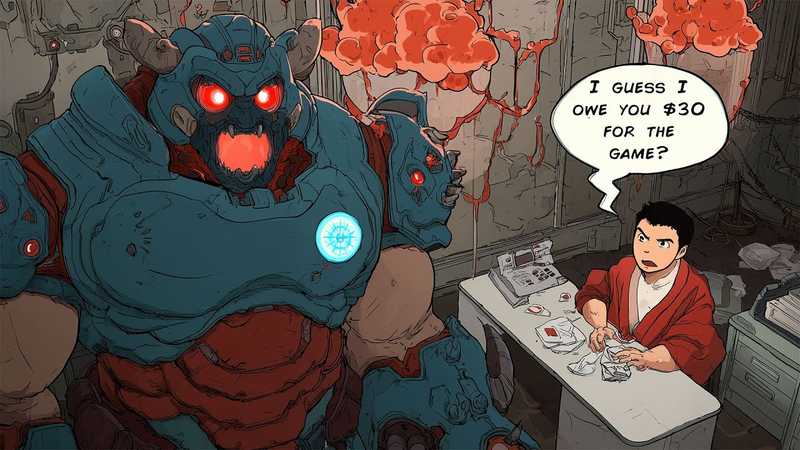
there's always a kind of a bump after you finally get funded where people are like oh phew it's actually happening i feel safe giving my money to this now uh something i also want to add is you see so many kickstarters for video games in particular where so many tiers have physical merch and i feel like folks who run those campaigns often don't actually kind of sit down and put together a spreadsheet of like okay what does this merge actually cost us because if like if you're selling a tier that has a hoodie and that tier has like you know cost a hundred dollars but it costs you a hundred dollars to print uh ship and fulfill that that hoodie and and all of that other just kind of in the weed stuff like you're not making money off yeah
there are certain kinds of merchandise where even if you're doing something digital and just want to kind of toss it in make sure you keep your costs slow so do like a sticker or something something that you can flat pack and mail and then it's small and uh does not mean that you have to have like five boxes of t-shirts sitting in your living room or 80 boxes of t-shirts sitting in your room um i especially don't think you should do apparel apparel is bad news because you have to print it it's extremely expensive and then you have to store it and then you have to ship it and it's just uh right yeah try to stick to smaller things especially for like brand new kickstarter and shipping too i think folks underestimate how much it costs to ship things especially internationally uh international it can be somewhere between like 30 and 75 dollars for one package and i got a small package right and like i think sometimes people will even look that number up and then they'll be like oh it can't be that much no way and i can't ask someone to pay me like
50 to ship something but then the campaign funds and they're in a position where they're obligated to spend like more money than the tier itself costs to send someone their goods yeah i i think uh i agree with you the the dangers of the physical copies of anything um hampers a lot of people from delivering i mean who would have thought uh the the part that i don't really control 100 percent has issues yeah it's honestly a big part of the reason we started seriously talking about doing a video game because fulfilling comics is so expensive once you deal with printing it once you deal with printing enough to sell additional copies down the road like yeah you'll look at like what some creators pull in on kickstarter you'll think it's a phenomenal amount of money but then once you remove the margins once you
remove taxes uh by gosh if you're doing like cash based accounting and run your kickstarter at the end of the year and haven't had the chance to pay anything yet like once you factor in being taxed before those business expenses comes up like the margins are just uh around a third of what you've made just the taxes if you haven't been able to fulfill by the end of the year just a little heads up yeah sorry i'm sorry for all of the tips yeah like the tips are great yeah some of these tips are like a little demotivating but kickstart like crowdfunding is also an incredible tool that you know a couple decades ago people couldn't even dream of like having that kind of democracy democratized access to just making what they want to make and distributing it on mass yeah all you need is demand you don't need anybody else right to you know run to for permission to do it yeah that's the one um thing i'm loving
about digital content it's just the the the ability to just put out content yeah like like games especially i i still marvel at what you guys do like being able to self fun and and just get your ideas out there and from from a to z right just having that that ability to do so um i'm beginning to see books kind of taking advantage of that like if someone run and write something they can technically just put on kindle or something right away uh movies are still in that phase of you know obviously they need to film things so that's the only they need to get people together but with games just artists or developers behind a computer screen and we don't have to get together really right um so i'm loving the fact that the entertainment uh industries are kind of taking advantage of this you know i was about to say trump card it's so hard to say it now but it is like a huge advantage uh for
digital goods uh to not have to worry about the the the the physical dead weight of everything um another part of your i would love to kind of start digging into more and scarlet hollow you guys are starting to talk about it more this was just recently funded right at the end of 2020 yeah um what a horrible year that was and uh like how were you just just heads down did it really affect you guys to to any level of what your plans were before the pandemic like how how did it affect you how did it make it better if any any way i would love to kind of hear that part we didn't have a full schedule of conventions to go to yeah i hate to say it but that's probably one of the reasons we were able to release on our schedule yeah is without like cutting a bunch yeah because we just had the time we were just home all the time i didn't have to worry about i usually do six or seven sometimes even 10
conventions a year so that's a lot it's a lot of time it's at least like a week lost um yeah especially like a couple days before you go into waiting mode yeah because the thing's about to happen and you travel about is what i'm gonna leave behind and what i'm gonna i have to make sure i have with me and you get back and you either like get post convention blues or like whatever like viral cocktail was spreading around that convention and or god forbid both at the same time and get out of commission another week yeah um i believe this time last year i was prepping for a convention um that wound up being canceled a few days before i would have been on the flight to seattle where they had patient zero at the time so yeah well glad that didn't happen well i would love to kind of oops i would love to kind of um talk more about that because uh obviously you know theaters and
and all these places are hoping to come back i think we can all agree that those are one it's either going to take a while before it's going to go back to its heyday of a lot of people going like i feel like it was already on a decline for the longest time [Music] uh these conventions are finding alternatives um i'm hearing a lot the same same thing like a lot of indevelopers are actually glad they don't have to fly around all the time to promote how much of that do you think is going to come back how much of it is i think i think as soon as like there's a critical mass of people who are vaccinated every single one of those industries you just mentioned is going to boom back to where it was before yeah maybe even better because people want to see each other yeah like i know like while i feel great that i was able to stay home and work a lot i do have friends that i only ever see at conventions professional friends who live in different cities and uh i miss hanging out with them in hotel rooms and yeah talking together in person
or selling things together so i miss that yeah i think a lot of people are the same people who go to cons people who work at cons for the most part i think some people are starting to rethink whether or not they have to do conventions at all but i think they'll be rapidly replaced by people who uh are fresh-based and ready to sit on a con floor all day simple we'll probably do fewer than we were doing before covent yeah it's just made it easier for me to kind of trim out which ones i i really care about and which ones i don't but also like i feel like part of us doing fewer is also we're just more financially stable than we were i kind of relied on them for a while yeah they're really great at a certain point and then uh you start to lose time and then the time becomes more valuable than the kind of money that you bring at a convention so now we're kind of at that downward slope yeah really cherry-picking like okay what are the three conventions where it's like we
get to see a bunch of people yeah and where we've got to make bank so what what what what has been the replacement is it because most of these press online press stuff that you guys are doing like what has been the biggest um replacement for those conventions physical conventions that you feel like has been effective or just as effective i don't think there has been a replacement i've done a few online conventions and it's definitely not the same yeah yeah not a lot of people go to those and it's a very different experience um and a lot harder for me i'm not very good at being in front of a camera i can be in front of a person pretty reasonably but uh for short interactions only a little bit of a recluse especially these days but um like social media has always been very good for promoting things but i don't think it was so much a replacement as just the usual yeah so like for us
last year we did an extra merch kickstarter for a plush of our cat oh yeah replace the convention money um so like i wouldn't say like there's been like a structure or system that's come in to replace that so much as for us specifically i don't know we just happened to be kind of lucky about where we fell yeah it just happened that we had already lined up stuff to kind of make enough money for us to get to the point that we had our huge kickstarter for scarlet hollow well scarlett hollow how long has that been in development um leading up to your campaign like how far along did you have to finally figure out crowdfunding as as uh because it was recently like i mentioned like october right so how long in planning did you have that in place before you started it
let's see like october 2019 i believe but that's when we were like that was throwing the idea back and forth then i was still on a deadline at that time so we couldn't really work on much beyond just kind of turning to each other every now and then and saying oh what if we did this for the story yeah and that was very much like loose outlines for kind of generally how we wanted it to be i would say it's been in full development just about a year yeah since around like march of last year is when we really started on it because i finished the crossroads pademic yeah and the pandemic happened just oh god the day after you finished your huge deadline so the crossroads at midnight uh it's like a 350 page book i say coffee somewhere i do it's lots but it's a a very nice chunky book i had one year to do it there's no fault of the publisher i just kind of gave myself that deadline yeah here it is awesome yeah it's got a cutout on the cover very cool anyway but um
it's five shorts but some of the shorts are 95 pages long anyway it was a lot of work and it's all hand-drawn cross-hatched it's very heavily detailed so i was working on a very hard deadline i was working 16-hour plus days um non-stop no breaks no weekends uh i couldn't go to the gym i couldn't cook like i was just working constantly for about three months that was when it was really bad i'd already been working on it for almost a year but yeah the day that i finally turned in the final pages i got to go to the gym and go grocery shopping and walk around outside and then the day after that uh we woke up and the state was in lockdown and we've been in lockdown ever since that's very it's very similar to a couple i believe a couple guests before they developed raji and they were their crunch time was right before the lockdown as well and they thought that and that they thought they were so looking forward to hitting the beaches and then everything got closed down so a
lot of indie developers kind of lined up uh in a funny way uh in that way i also like to kind of touch on this point like i always hold like writers as the original or graphic novelist as the original like creative at the top of the chain of being super disciplined and being able to kind of go a to z without anybody's help and i think it's an important skill that most indie developers are still figuring out or most interested aaa developers even who want to do something by themselves i don't really understand so i would love to kind of hear your background a bit with that with that abby because obviously you i don't know maybe you are super efficient from day one but like what what are the lessons and tips that you have for people who who just needs to concentrate and focus and be free from distraction and just getting things done um is there anything you can kind of uh shell out there for for for listeners well
i think it does kind of you have to be able to be working on something where you can't kind of enter the state where you just kind of lose yourself into it but there are ways you can get there i think uh so there are some apps that you can use where it has you focus for 45 to 50 minutes on and then like 10 minutes off and it seems like that is kind of a good system i've heard there have been studies on this and apparently that's just kind of a good cycle to get into so you can reward yourself and i feel like that's also important to reward yourself after certain landmarks so even if the reward is just wow you did it you reached the next goal so actually tony wound up drawing up a um a pie chart for me when i was in my deadline for the crossroads at midnight yeah where uh every time i finished a page i could enter it into the pie chart and it would move a little bit so that was pretty good tiny sliver yeah it's a nice motivator to see it keep uh keep going and i see a lot of cartoonists doing that actually with
really tough deadlines where they wind up coming up with a chart or some kind of a system where they get to fill in something to say yes i have finished part of this and to just see how far it's progressed as you go it's really satisfying so that's something oh and have a nice schedule having a schedule is wonderful i love it wake up at a certain time every day make sure that you stop working at a certain time every day even if that time is like 11 00 pm right before you go to bed so also probably just sit down and do the thing oh yeah it's a job that feels like the most important yeah like you have to have a oh deadlines self-opposed deadlines are incredible like say i will have a page done by this day just to get started just so that you have something where it says no no you have to sit down and start this at some point i think something that was super helpful for us is we had a bunch of our close friends and family do like alpha testing of our early builds and that added this social pressure of
oh gosh we haven't delivered a build to them with more content in like a couple weeks you gotta really get in the zone you promised me something that's that's your that's my favorite that's for sure but nobody got to see it to be fair i feel like your motivator is uh honestly you just are incredibly disciplined and sit down and crank stuff out it's true like i it's not that i doubt that the methods you you shared are like helpful but i feel like do you use any of the things you just you like i use the pie chart you use a pie truck but after that you just sit down and do the work and you just sit down and do the work in fact i actually kind of sometimes find those little apps where it's like grow a tree in 50 minutes and then you get a break uh a little distracting because then it makes me take breaks yeah yeah yeah i think you're just fall far along yeah you're happy you're already habit formed
yeah exactly so you're there yeah but i will say the tree app actually was very useful yeah you like that yeah i was doing the first draft of the first episode of scarlet hollow because it was just so different from anything i had worked on before so i do feel like that's kind of like more of an entry level how do i get into working in in this certain way kind of thing yeah yeah it was a slog it's very different for writing comics and i feel like there's something too where it's like people have a tendency to view or to like assume that a project they're working on should like move or progress at a linear pace but i feel like at least for me when i'm sitting down and doing like you know putting the scripts into the engine and doing edits and stuff like sometimes it's just i need to sit down and move incredibly slowly for an hour while my brain shifts into gear
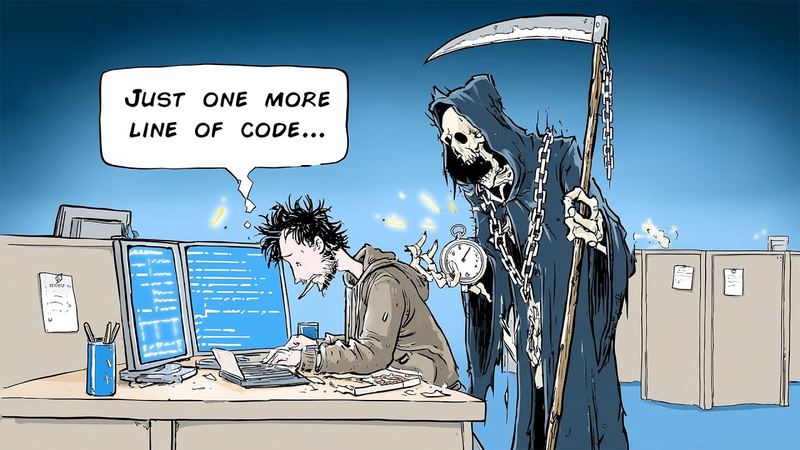
uh and then at that point like i'm able to move a lot more quickly but i feel like if i were to just you know kind of do half an hour of being stuck give up a little bit and then come back again like that would kind of reset and i would never get into the sort of flow state needed to get it done that is true like this also works um kind of as the months progress during especially these like episode breaks that we do so it starts out really slow where we're both kind of not doing very well at doing our parts and then it speeds up a lot as the deadline approaches so sometimes that's just how people work we're both very good at crunch we're great at crunch which i wish we weren't great at i wish we were just good at working very consistently so that we could just not have to have those few weeks at the end where we're going non-stop yeah that's just how it is yeah i think yeah the key thing that i've learned is it's
um just accountability either other people or yourself it's like a checklist for yourself and like yeah i didn't get to this just it's just people and i think that's the thing with games you just gotta have deadlines no deadlines you're you're creating forever and you know there's no one's going to see it like why does it matter um and i think that's the problem where a lot of developers just kind of just are too relaxed and you know it's ready when it's ready it's the worst model that you can have for for a creative like yeah don't worry about it i feel i feel like you need a push and pull of those two things um because i'm i'm personally very much in favor of delaying stuff if it needs extra time in the oven but there there needs to be that balance struck between this is being delayed because delaying it'll make it better versus this is being delayed
because that means we can push off our deadline and i'm scared it's not good enough as it is it's that phrase right perfect is the enemy of the good so or the done which i bought this also so it's true it's good to just finish something like there's always stuff you can go back and fix i feel that way about all of my projects but at the same time i'm more invested in having people read it than making sure that it is the absolute most flawless version of itself yeah well that that other thing just doesn't exist too yeah there's always changes that could be made i'm always getting better so i'm gonna look at anything that i did even as soon like recent as a year ago and just be like well i could fix that good or now and in a year i'll say the same that's when you make a sequel that's what sequels are for yeah or like re-releases like releases remastering yeah that's the whole point uh i do want to ask you about this so you kind of mention you guys kind of settling on kickstarter platform uh to kind of do this crowdfunding
obviously there's plenty others or even self-hosting you also mentioned two-thirds of that was mostly from your own audience and one-third was through discovery that pays for the taxes and fees and everything after looking all that was there ever a consideration of just self crowdfunding on your own website cut out all the fees or is it still worth it to have on kickstarter for exposure we'd love to kind of hear your thoughts okay definitely use kickstarter don't use any other website either kickstarter has the name recognition people trust it people uh you will get uh like kickstarter has its own built-in audience of people who are willing to go there and fund projects uh it it makes you whatever you're making more reputable yeah it's a difference of thousands like even if you're looking at facets of money yeah even if you're looking at another crowdfunding platform like indiegogo like i would say just alone the fact that kickstarter will only give you the money if you fund
like makes people treat your project more seriously yeah you see a game on indiegogo that's trying to raise like a hundred thousand dollars and they're at like twenty thousand like are you are are you going to back that knowing that like they feel they might not even come close to getting what they need to finish it especially when crowdfunding projects are already a bit of a risky investment yeah um yeah yeah like uh i always kind of um take note of that like the the there was like a few years ago where kickstarter was everything and then like a lot of bad apples happened where they were just taking people's money and that kind of ruined it for the rest of us are we still in that kind of phase with distrust has it damaged is the damage there to stay with the stigma of crowdfunding or do you feel like that's disappearing slowly like what are your analytes i think it's like always kind of been
a certain level of distrust because some people just don't follow through even if they don't mean to scam people things happen things fall through um or sometimes they did need to scam people but that's just kind of a part of risk so it's always been there if anything i feel like it's uh kind of reached a threshold of reputability where it's just not gonna go past a certain point where you shouldn't work with them anymore unless they do something really bad there was all that stuff that happened with uh the union unionizing there but i'm not actually but they have a union they have a union now oh wow who has any kickstarter sorry yeah yeah can i talk about that a bit i'm not familiar with that side too much i would suggest people look up articles about oh yeah so the the company itself has has a union yeah the workers unionized uh management did what management does whenever there's a union oh come on you know pushed back pretty
hard but the union wound up forming um so i don't know there's like this balancing act where i personally my takeaway is well they have a union and that's great um and not they have a union and their management is mad at the union um management is always gonna be because management is always gonna be mad at unions uh yeah but i i think one of the things with like reputability on the platform too is everyone at this point knows that crowdfunding is a risk and it's a question of what kind of reliability you can project as a creator because i have done seven kickstarters now all funded all fulfilled you can look at that track record just by clicking on her account we like made a conscious decision to run this through abby's kickstarter account and not make a new one for our studio because someone can click through and see oh this person over the past
decade has run like six projects all of them funded all of them were fulfilled i can reasonably trust that my money is going to go towards getting a product here whereas a lot of times you'll see you know somebody goes to kickstarter they've never backed any of their projects they've never launched any other projects and i think that raises some red flags i know that's how i that's the first thing i always do when i'm looking at a campaign and deciding oh do i want to like put some money down on supporting this it's first and foremost have they run a kickstarter before um and like have they been active on the platform because someone is active on the platform like kind of unders like would inherently understand more of the risks that are at play they've seen what have happened with other with other projects um and then there's like subtler signs too i think uh something that also stands out to me
and i think this is the case for you too but like sometimes you see a project that's like asking for way too little money and at that point like the red flags go up for either uh this is a scam and they're trying to just like make the threshold low enough that they keep whatever they're raising for or they just don't understand how expensive it is to make the thing that they're trying to make which means that they're probably not going to be able to make the thing yeah yeah both bad well i mean that's the number game there to me i think common sense says yeah i mean ask for the buddies that you need to make the thing happen uh but i feel like a lot of people do kind of play around with the numbers too much uh is is the common sense the right way to go like hey i need this much i'm gonna ask this much or do i ask a little and then hope for a little more like how about it do you guys recommend the minimum that you need to look at yeah um
like look up how if it's a physical good look up what your minimum order is going to have to be because a lot of places won't just let you print like 50 or 100 they might make you print 500 so you have to make sure you can pay for 500 and store 500 yeah if if uh that 500 units are being created overseas make sure you can pay tariffs and overseas shipping for them um yeah and i think like even with digital goods like make sure you can pay the people who may be working with you yeah so yeah just like really be careful with your costs but again there is a little bit of a numbers game yeah to do this too like a lot of we what was our goal for 25 000 and we would not have been happy that we got gotten that but we also felt pretty confident that this is enough to like release the next episode and we can bootstrap from there but it would have been challenging um it would have been kind of uh we released the next episode people have to pay for the next episode
and then that's the money that gets us to the next one right so um but i think also like i'm honestly less concerned about someone goosing the numbers than just not really thinking through all of the costs yeah so then that's what happens when you see like a really low number like somebody trying to make a video game for 1200 or something right it's like that's just not going to work are you making your own music or you might take you is it gonna take you a month to finish this because if so okay yeah that might be feasible like if it's a really small game and you're just one person you just need to afford rent for like a month right or or even just like oh this money's going to come in and do you realize what percentage of it is going to go to taxes and how much of that translates to money that you personally actually get to keep and pay for the project um everything is always more expensive than it seems like it's going to be on paper yeah so your your not best scenario but like your
happy scenario with that was it like two times as much because you guys ended up with three times or a little bit over three times as much like what was your realistic expectations did it did it did it hit right on the market was it over the much much more than you thought i had no idea what to expect i just pray yeah like we we raised a little more than uh what we were kind of hoping for as like the minimum comfort zone yes like 75k plus is kind of where we're just like that would be pretty great yeah we're on really even footing with that and then we are able to get a bunch more through backer kit pre-orders we want some prize money yeah um so we're pretty cozy right now yeah yeah everybody who works for us feeling it well i i love to kind of ask about this it's like obviously you have a foundation there to have an
idea confident at this point to kind of get it funded and be 100 control i think by this point too you're probably getting third-party interest like people like hey i want to get in on this have you guys consider that how far has that ever gone what are the cons of that uh besides the obvious but would love to kind of go over the obvious as well uh we talked to a couple publishers and i think our main takeaway was that just given the fact that we secured funding on our own and given the fact that between abby and i we have a really broad set of skills there wasn't a real value-add yeah i think the only thing that would really come with it is possibly more money but we don't really need more money to finish the project and uh a lot more oversight of what we were doing and they would try to change our production schedule they would have to change like
they might uh want us to change plot points or like put a lot more work into animating parts of the game when animation is not my expertise and we'd have to hire somebody for that so it's just kind of a we could either change the game to be what they wanted it to be or we could just kind of keep doing the thing that got us where we are now because we have the funding for it right we'll probably be working with a publisher down the line when the whole game is done we're ready to port to consoles because we don't know how that is outside of our area of expertise yeah that will probably set up some sort of deal where now they only get a cut of the console sales yeah but yeah we talked to a consultant at one point too who is basically like well you could work with publisher if you really wanted to but you're kind of good so that was nice to hear because of course we have no idea we're brand new to the industry i would love to kind of hear you don't have to go into the details but how
was there ever a situation where you felt third party was holding your leg or something or it went too far and it started wasting your time like how how far do these conversation go before you're like yeah i don't think so uh is it like one two online calls or like you're at their office and they're saying things and you're like oh i mean how just to kind of paint an idea of like when you started to kind of smell something uh that you're not liking and then you gotta get out of there and decided like this we should do our own thing as someone who's been an independent creator for almost a decade i always feel very suspicious of anybody i talk to about working with them i'm not suspicious but i'm always kind of like okay how will you change the thing that i'm doing yeah i i would say like those conversations were fast and to the point for the most part i think that was something that uh my previous startup experience was helpful for because i was i had a lot of experience
really being strung along for months at a time by investors and you know kind of new in this scenario we were in a position where like in term usually for any new company and especially like in indie game studio the publisher is the party in negotiations that holds all of the cards right you need their funding to finish your project and do a good job and get distributed um so they can dictate whatever they want but we were in a position where it's like well we have all of the funding that we need um we're just looking for something added values with a few yeah extra things that we might be able to do on our own so we were we were able to dictate the pace of those conversations i think just from the position we were negotiating from yeah but everyone was very nice yeah they were honestly like it was wonderful to talk to people and kind of hear what they had to say because of course they also you know gave us first impressions of what our game was like to them and they're like you know industry professionals so
it's not just our friends saying wow this is so great i can't believe you actually made a video game which was very valuable yeah and i i thought it was very helpful too to see what publishers thought would be kind of their challenges or their red flags about marketing our game see okay like what's the intersection between their knowledge and ours and what are things that we maybe didn't know about that immediately sprung to mind for them yeah very valuable kind of glimpse into marketing video games and how these yeah thank you uh unnamed publishers for your free consulting well one of the things that um i always like celebrate is the ability to kind of you know if you have this thing and you can do it for me to see keep doing it another part that is i think as a creative that kind of gnaws
at you is like well if i want to make this bigger i can i mean obviously you guys are small and comfortable right uh is there any plans in the future uh for for your company to kind of all right i have bigger ideas obviously that's gonna require more is there threshold of people would you ever grow to like no more than 10 no more than five i would love to kind of say those ideas no more than five yeah we'll see how that goes um i don't really have a number in mind but i do have kind of a like we we have some ideas for other games in the future that would require we hire at least a few other people so it's kind of uh we'll play it by ear once we've finished one game right see how it goes from there see what position we're in there see what we're able to afford what our new skills are at the end of this like i think we'll really have a good grasp of our own limitations by the end of a seven episode game like i think something that's a recurring theme for both of us is we really value having like full
creative control over our projects we aren't going to hire any writers that's definitely off the table for both of us and and probably like artists would just be more in the animation um bucket whereas all of like the character designs would be yours um it's just how we be yeah we're stubborn cool uh one last question that i do have um in terms of growth it sounds like you guys have a a good idea of how you want to be uh the one thing that i do marvel at it seems like you guys have uh you have stories that you want to tell and at least with movies and in anything entertainment and games right we hear about how the marketability right the true like keeping ahead of trends or knowing what trends but like also the successful games that we like
ignores all that it seems like you guys ignore all that not really meaning to kind of take information from outside influences to kind of say what you need to say like how how i would love to kind of hear your thoughts about that part like how important is that does it matter in your own experience like don't need to keep on it's about robots now it's about it it's like do i care does it matter uh since you guys have such a good fan base that just does and just loves whatever you guys want to do so i think uh the most important thing is you actually kind of want to look unique you want to be something that people haven't really like can't categorize quite as easily in some ways sometimes that can really help you like just not being kind of a copycat of whatever the new kind of trend is yeah i think i think also like on top of like or maybe more than just being you unique you want to make something that is your
own yeah like i think this is true not just in games and entertainment but so many things in life where it's just like if you are just trying to chase trends you're always going to be behind um i think something that you like see a lot is in professional spaces or like entire industries in industry might be listed as this is the job that you go to school to get a degree in if you want to be successful um big big uh one there is being a lawyer where everybody then started to go to law school and now you know if you look into it you'd see like it's too many lawyers these days yeah there's too many people and yeah architects there just aren't enough jobs and you know if
if you're following information that's already out there that information is probably dated like you see the same thing with stocks too or it's like if if somebody who makes their living selling stocks is telling you to buy a stock it's probably because uh they're done buying the stock um so i think the the real secret is just to tell your story to find your own voice and there will be people who appreciate that no matter what it is i found that to be the case i mean a lot i get some strange feedback sometimes uh some people are like you should draw more like anime or like wow you don't really have a style that's appealing and i'm like this is just how i draw and it's worked for me so far yeah i mean that's the main thing it's like um it's liberating right just being able to do whatever you want to do and you guys found a pathway to to allow you to keep doing what you're doing and that's huge uh that's huge that i think a lot of people are still figuring out um but yeah once and it takes time that's the one
thing i always tell people is like hey even you start small start somewhere yeah you can start you weren't afraid to go anywhere at all exactly exactly and if the pandemic shows you anything unfortunately our industry hasn't been affected as much but you see other jobs like people just spend their life just clocking and clocking out and when they drop them they don't have anything to fall back on and i feel like you know at least you build an audience to do something one day you want to just spend more resources there you'll have something um to kind of live off of but uh this is actually uh the part where we hit the hour mark i want to thank you both for coming on the podcast sharing your knowledge we did spend a bulk of it on kickstarter but you guys seem such experts at it and i'm always interested because i'm so out of the loop um but uh this is actually the perfect time and place for you to uh i hand over the mic and
shut up and you guys can talk about whatever you want sure uh play our video game scarlett hollow it's spooky it's funny there's characters you can kiss in it eventually maybe the first episode is free to play on steam itch episode 2 will be coming out in may um feel free to follow us on twitter abby howard yeah and abby howard at black tabby games um and yeah wait would you do you want to plug other stuff you could plug cross roads yeah the crossroads of midnight came out last week you can get it at most major bookstores through amazonbookshop.com yeah barnes and noble what have you it's good i think people will like it awesome and gosh i think that's it i also have an instagram abby.age.howard i know the kids these days like instagram that's not true anymore i don't know i think yeah we have a twitch black underscore tabby underscored games we stream twice a week
and we mostly live stream ourselves doing development work on scarlet palace so you can see abby hand drawing all of our backgrounds um and you can hear us talk about game design yep we'll talk about anything anything well perfect as the use you can sign all the links and info uh for this episode uh in the description below i want to thank you both again for coming on reaching out awesome story it makes me happy gives me hope and i'm sure a lot of listeners out there to do something if they have a good idea and i like the fact that you tell everyone to ignore the trends because i think that's the part that gets a lot of people um but yeah that's it thank you guys have a good one yeah thank you so much for having us [Music]
[Music] you
Summary
Black Tabby Games demonstrates that independent game development thrives when creators prioritize audience cultivation and rigorous financial planning over traditional publishing models. By leveraging an established base of followers before launching crowdfunding campaigns, developers can secure the necessary capital to maintain full creative control. This approach shifts the focus from chasing fleeting industry trends to fostering a sustainable, long-term business model that values a unique artistic voice and direct ownership of intellectual property.
Success in crowdfunding requires a strategic understanding of platform mechanics and logistical constraints. Rather than using platforms like Kickstarter to generate initial interest, developers should treat them as tools to monetize a pre-existing community. Financial viability hinges on setting realistic funding goals that account for labor, taxes, and production costs. Furthermore, avoiding physical merchandise is essential for small teams, as the complexities of manufacturing, international shipping, and storage often erode profit margins and create unnecessary operational burdens.
Maintaining productivity in an independent environment necessitates a disciplined approach to project management. Developers must resist the trap of perfectionism by implementing structured schedules, self-imposed deadlines, and transparent progress tracking. While the industry continues to struggle with the loss of in-person networking opportunities following the decline of physical conventions, consistent work habits and accountability remain the primary drivers of project completion. By prioritizing financial transparency and operational efficiency, independent studios can successfully navigate the development cycle while retaining the autonomy to grow at their own pace.



Comments