Employment reports and market data
Documents
🚨📢 BREAKING NEWS: Applovin Record Revenue, More Layoffs, EvE online sold back
The gaming industry is currently experiencing a period of significant corporate restructuring, marked by record financial performances for some entities and aggressive downsizing for others.
- AppLovin reported record Q1 revenue of $1.84 billion, a 25% year-over-year increase, while Unity posted a $347 million loss despite a 17% revenue increase to $508 million.
- CCP Games is being sold back to its CEO by Pearl Abyss for $120 million, a significant drop from its $425 million valuation in 2018.
- Supercell acquired Metacore, resulting in a 30% workforce reduction at the studio as part of a strategic shift in the merge-game genre.

Supercell buys Metacore amid brutal layoffs, Second Dinner cuts, inside Scopely x Niantic, more
The mobile games industry is currently navigating a period of significant restructuring and strategic consolidation.
- Supercell has acquired Metacore in a deal involving a €180 million investment, resulting in the layoff of 160 staff members—over half the company—as the studio pivots to focus exclusively on Merge Mansion.
- Marvel Snap developer Second Dinner has laid off 16 employees, though the company confirmed that development on its current roadmap and an unannounced second game remain unaffected.
- Scopely and Niantic executives revealed that their partnership, which has significantly improved revenue performance for titles like Pikmin Bloom, involved intense integration efforts and complex technical collaboration.
🚨📢 BREAKING NEWS: Microsoft changes Game Pass, Roblox goes over 3K headcount, Ubisoft as usual :/
This analysis covers significant industry shifts and corporate developments occurring in the gaming sector during the second quarter of 2026.
- Microsoft has adjusted its Game Pass strategy by lowering subscription prices and delaying the release of Call of Duty titles until one year after their initial launch.
- Roblox reported a 36% year-over-year revenue increase to nearly $5 billion and expanded its full-time workforce by 24% to over 3,000 employees.
- Ubisoft continues to implement cost-cutting measures, most recently resulting in the cancellation of its life-simulation project, Altera.
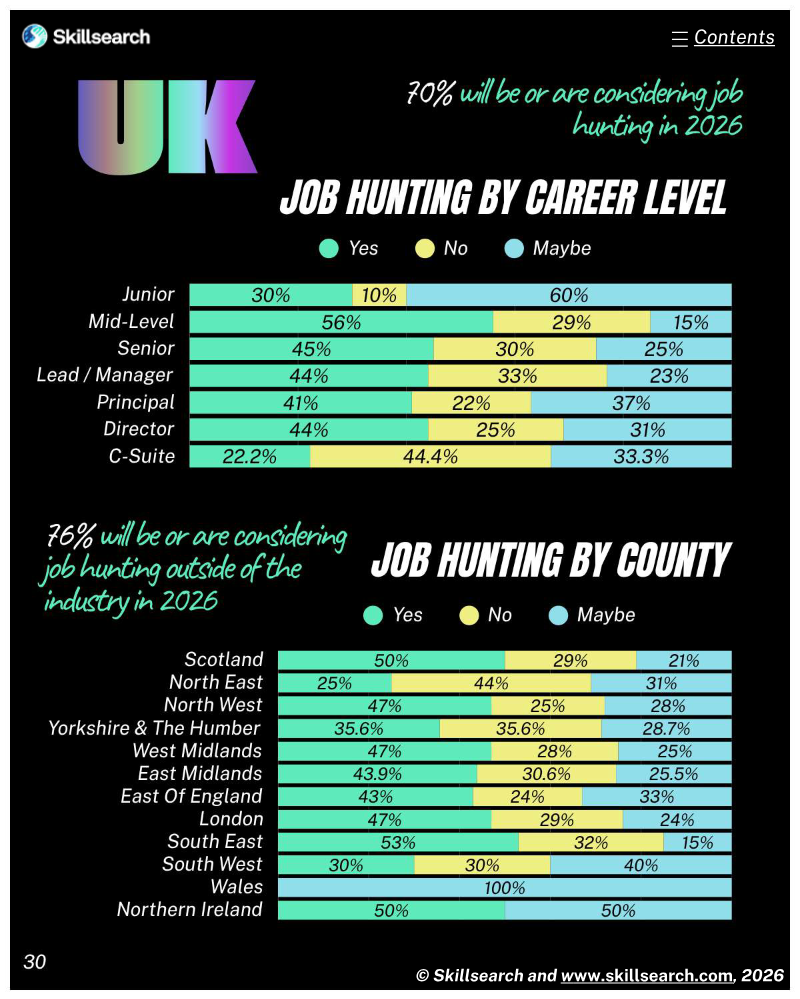
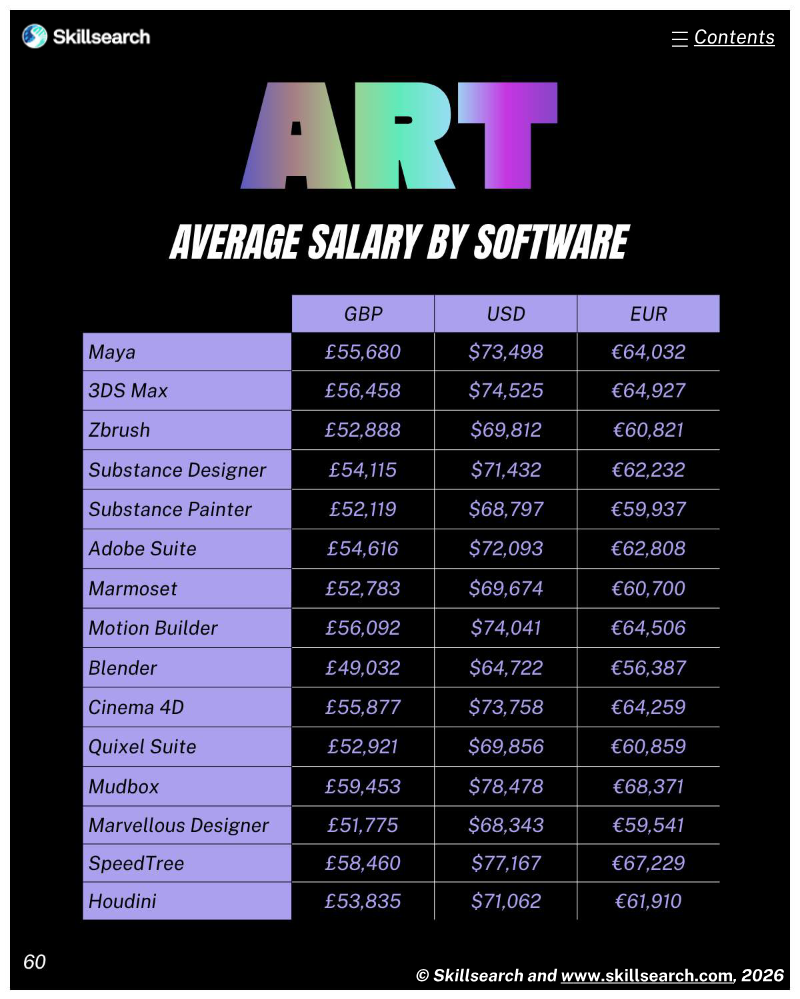
Games and Immersive: Salary & Satisfaction 2026 Report
The global games and immersive technology industry is currently navigating a period of profound instability characterized by widespread redundancies, economic uncertainty, and a pervasive sense of professional dissatisfaction.
- Between 69% and 84% of industry professionals are actively considering new employment due to widespread job insecurity and inadequate compensation.
- The workforce is experiencing a significant mental health crisis, with 67% of employees reporting burnout and nearly 50% experiencing poor mental health over the past year.
- While over 50% of professionals have adopted AI tools, the industry remains deeply divided over concerns regarding creative authenticity, ethics, and job displacement.
Games & Interactive Salary & Satisfaction Survey: 2024/25
The global games and interactive industry is currently navigating a period of significant instability characterized by widespread redundancies and a pervasive cost-of-living crisis.
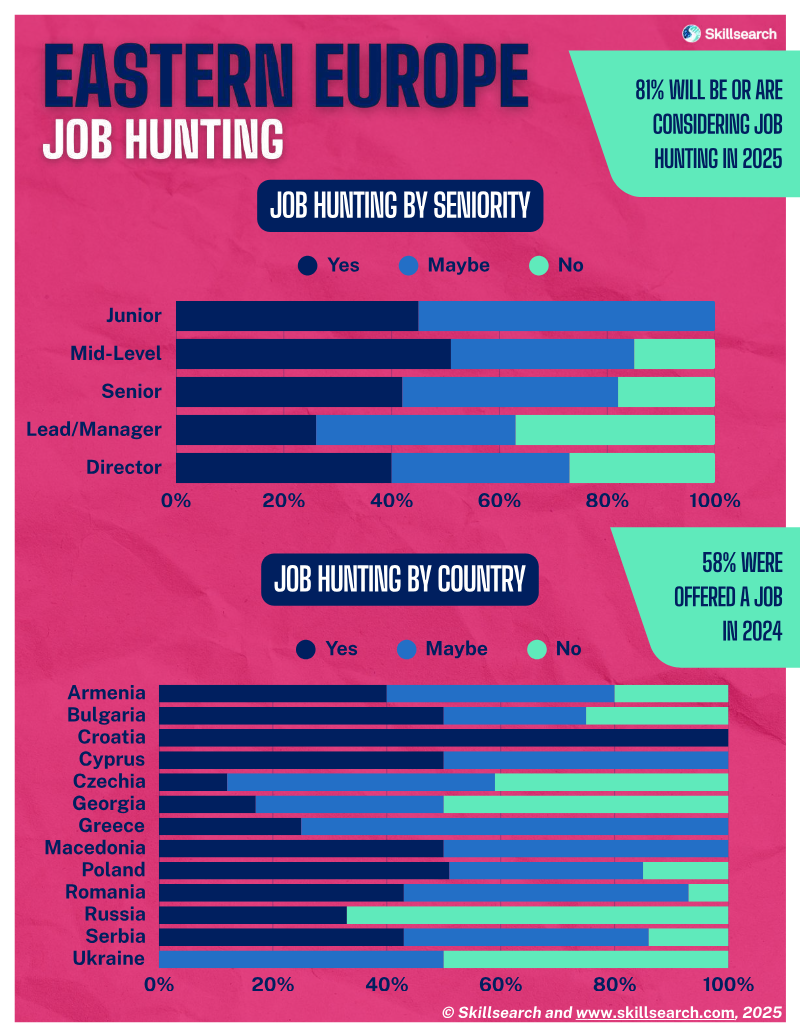
- The industry faces high labor volatility, with 28% of professionals reporting recent redundancies and 68% to 83% of the workforce actively seeking new employment.
- While 62% of studios project at least 5% growth in 2025, 35% of current professionals are considering exiting the sector due to instability and financial concerns.
- The global average salary in the industry is £74,091, though significant pay disparities persist across gender, seniority, and geography.
Is Destiny doomed? King on AI, layoffs and more, plus March's top games, data, soft launches, more
The mobile games industry continues to navigate a complex landscape defined by shifting monetization strategies, the integration of artificial intelligence, and intense market competition.
- Microfun’s Gossip Harbor reached $100 million in monthly in-app purchase revenue for the first time in March, marking a significant increase from $82.5 million in February and positioning it to potentially overtake Candy Crush Saga as the top-grossing puzzle game.
- King VP Eva Ryott defended the company's use of AI as a supporting tool for level management rather than a direct replacement for staff, while noting that workforce adjustments following 200 layoffs were necessary to maintain competitive relevance.
- Candy Crush Saga has adopted a 2x2 matching mechanic, a feature King implemented within the last year to align with evolving market standards and compete against rivals like Royal Match and Gossip Harbor.
🚨📢 Breaking News: New Ubisoft Mobile Shooter + Layoffs, Layoffs and Closures
The gaming industry is currently undergoing a significant period of contraction and strategic realignment, characterized by widespread layoffs, studio closures, and the cancellation of long-term, high-budget projects.
- The gaming industry is undergoing a major contraction characterized by widespread layoffs and the cancellation of high-budget projects due to unsustainable North American development costs.
- Eidos Montreal cut 124 jobs and canceled a project that had been in development for over seven years at a cost of hundreds of millions of dollars.
- Unity is divesting from its game-publishing arm, Supersonic, to pivot toward an ad-tech model focused on AI-driven user acquisition tools.
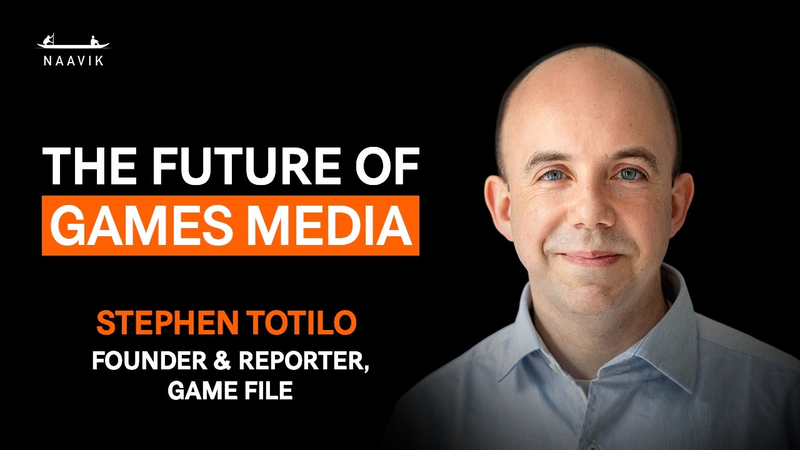
The Future of Games Media: AI, Substack, and the Rise of Independent Journalism
The landscape of games journalism is undergoing a fundamental shift as veteran reporters move away from unstable corporate media toward independent, reader-funded models.
- Games journalism is shifting from unstable corporate media to independent, reader-funded models, allowing veteran reporters to prioritize professional autonomy and deep investigative work.
- Industry stakeholders are increasingly bypassing mass-market publications in favor of niche, high-engagement outlets, placing a higher premium on individual journalist reputations.
- The transition to independent platforms necessitates that journalists manage their own business operations, creating a more resilient career path despite the added administrative burden.
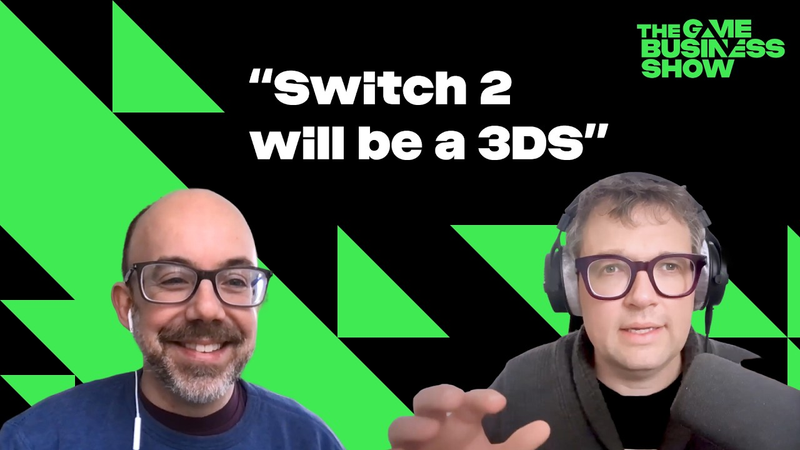
What’s the truth about Nintendo Switch 2 sales?
The global video game industry is currently navigating a period of intense volatility, characterized by widespread workforce reductions at major firms like Epic Games and Ubisoft alongside a notable contraction in the United Kingdom’s development sector.
- The Nintendo Switch 2 is projected to follow a 3DS-style trajectory of modest, stable growth rather than replicating the mass-market dominance of the original Switch.
- Nintendo is mitigating hardware demand risks by prioritizing backwards compatibility, long-term team stability, and the expansion of intellectual property into film and merchandise.
- The broader video game industry is experiencing significant volatility, marked by widespread workforce reductions at major firms like Epic Games and Ubisoft and a contraction in the UK development sector.
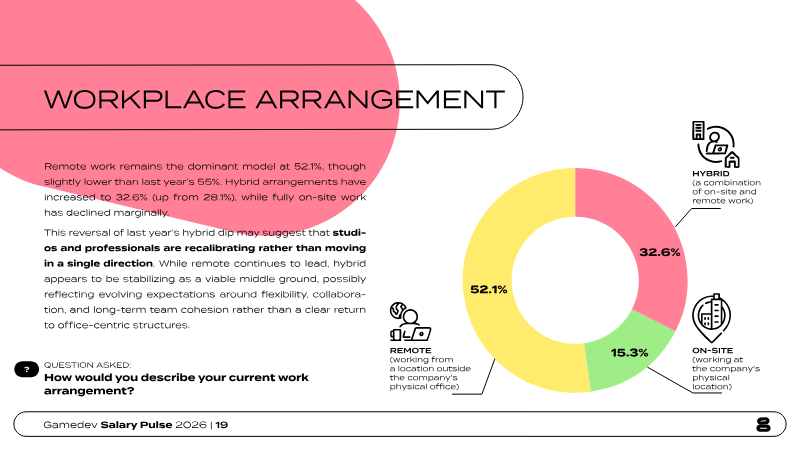
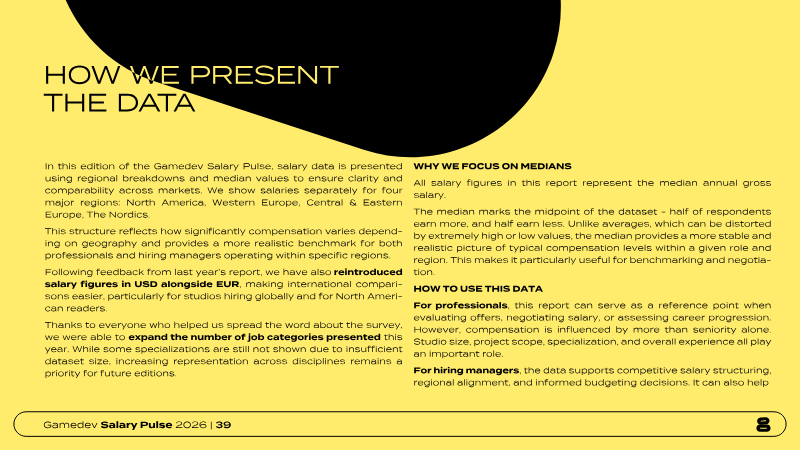
Gamedev Salary Pulse 2026: North America, Western Europe, Nordics, Central and Eastern Europe
The game development industry is currently navigating a period of profound structural instability, characterized by widespread workforce reductions and a pervasive sense of professional anxiety.
- Nearly 40 percent of game industry professionals anticipate further market decline, driving a shift in worker priorities toward time-based benefits like the four-day workweek over traditional office perks.
- Workforce reductions and studio restructuring remain the primary drivers of career displacement, significantly outpacing job losses attributed to artificial intelligence integration.
- North America maintains the highest global salary tiers for all seniority levels, while Central and Eastern Europe remain the most cost-effective regions for talent acquisition.
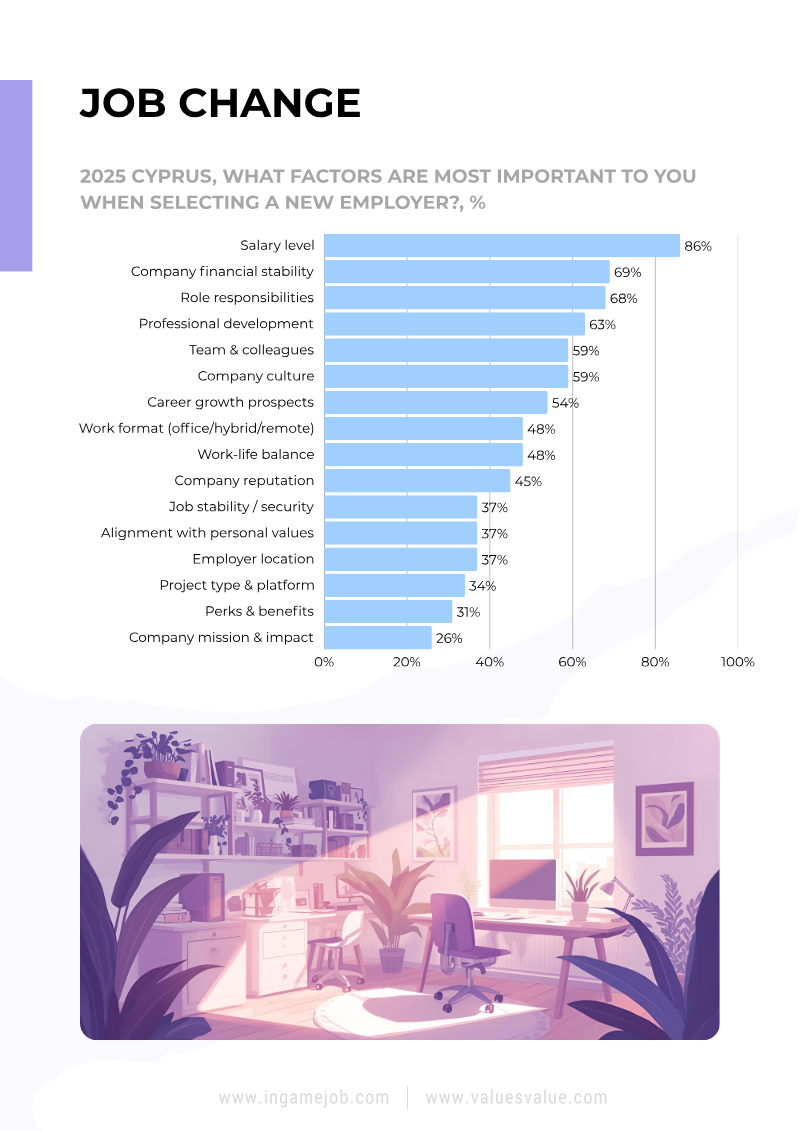
Cyprus Game Industry: Senior+ Employment Landscape 2025
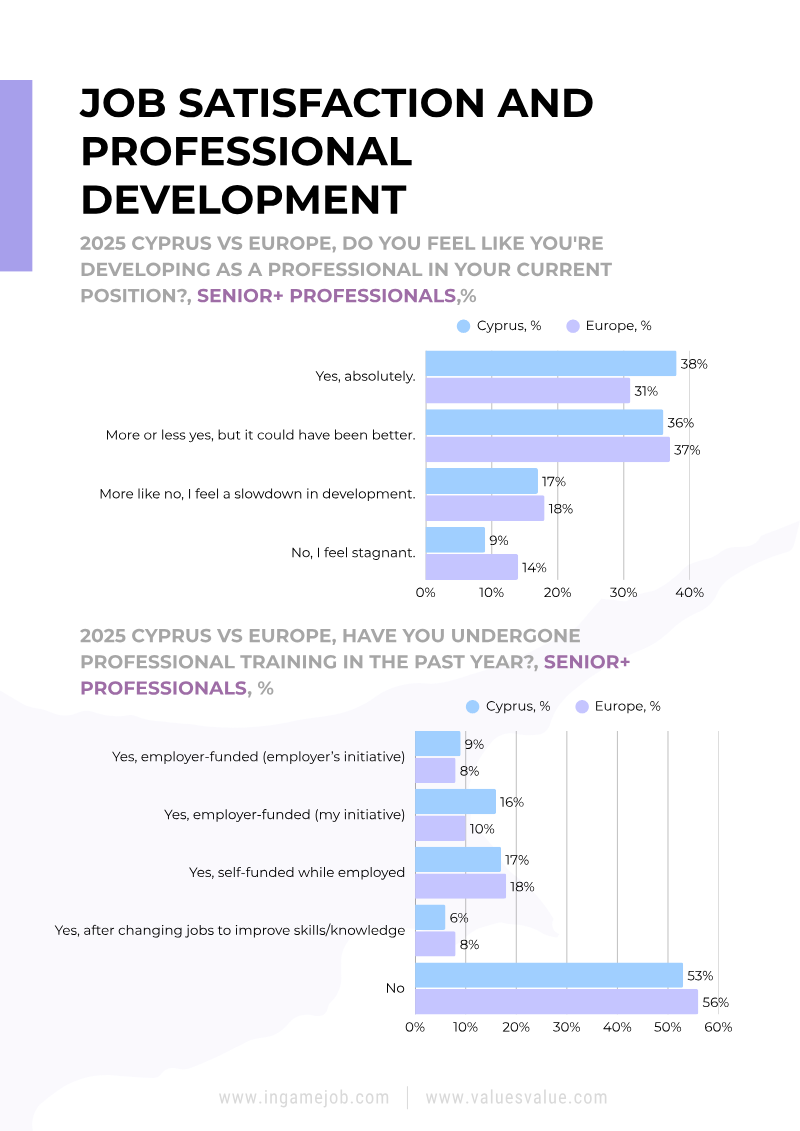
The study examines the senior-level employment landscape in Cyprus’s game industry for 2025, drawing on an anonymous survey of 113 professionals and a comparative analysis with European peers.
- Senior-level talent in Cyprus exhibits low job mobility, with 71% of professionals reporting no change in employment over the past year.
- A significant retention risk exists in the form of burnout, which affects 66% of senior professionals, compounded by the fact that only 53% receive employer-funded training.
- Median salaries for top management in Cyprus are approximately €98k, falling significantly short of the €135k desired by professionals in these roles.
Inclusion, Diversity, Equality, Accessibility Statement: Australia & New Zealand
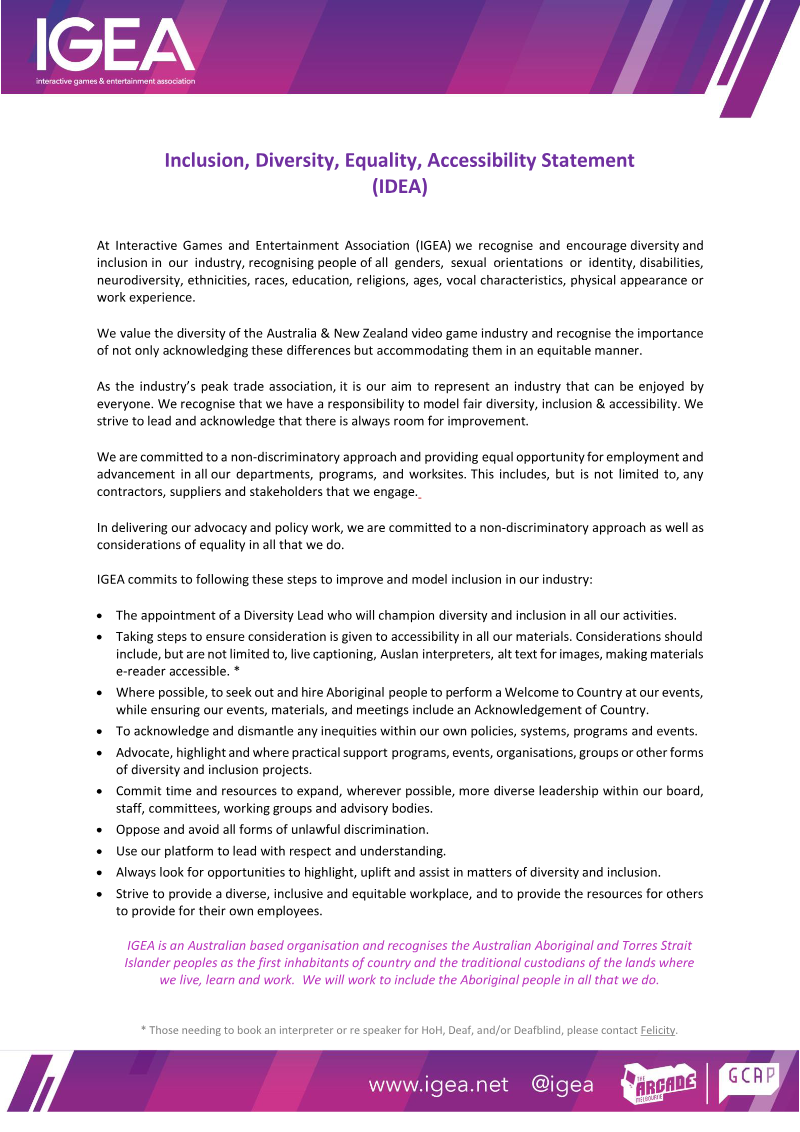
The statement articulates a commitment by the Interactive Games and Entertainment Association (IGEA) to foster inclusion, diversity, equality, and accessibility across the video-game sector in Australia and New Zealand.
- The Interactive Games and Entertainment Association (IGEA) has established a formal policy framework to mandate inclusion, diversity, equality, and accessibility standards across the Australian and New Zealand video game industry.
- IGEA is restructuring its internal governance by appointing a dedicated Diversity Lead and committing to audit and dismantle existing inequities within its own policies.
- The association is expanding diverse representation across its board and committees to ensure broader demographic inclusion in industry leadership.