Creative Ads reports and market data
Documents
5 Secrets Why Game Development ROCKS
The pursuit of a career in game development offers unique professional and personal advantages that distinguish it from traditional employment.
- Game development offers an uncapped professional ceiling compared to traditional roles like graphic design, allowing for unlimited potential in financial success and industry influence.
- The career provides a unique combination of creative autonomy and the ability to act as a storyteller, artist, and architect of virtual worlds.
- The industry serves as a social catalyst, providing developers with a distinct professional identity that facilitates networking and community engagement.
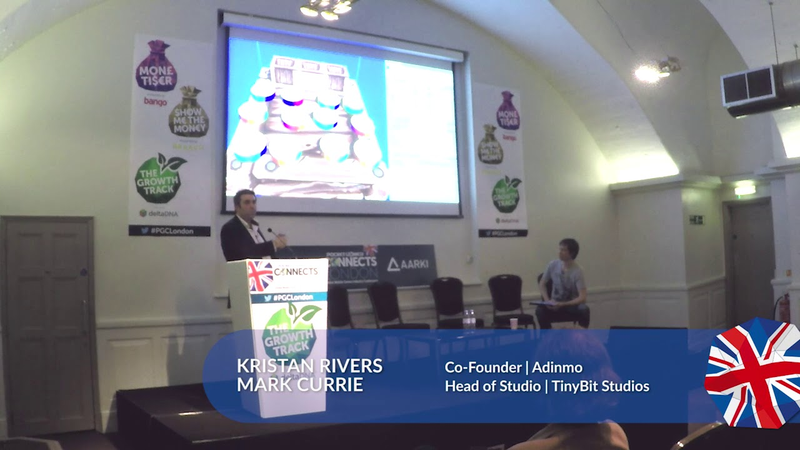
In-game advertising Sucks. We are fixing that – A chat on dynamic in-game advertising
The current landscape of in-game advertising is characterized by intrusive formats that often degrade the user experience and fail to provide effective brand awareness for advertisers.
- Dynamic in-game advertising achieves brand recall rates of 80% to 85%, significantly outperforming the 17% to 18% recall typically seen with standard video ads.
- Traditional ad formats like rewarded videos and interstitials cause over 70% of gamers to actively avoid them, often leading to player churn and the cannibalization of in-app purchase revenue.
- Dynamic advertising replaces intrusive pop-ups with non-disruptive, cinematic-style product placements on in-game assets, such as billboards, that maintain the game's aesthetic integrity.

Synative's Cynthia Du on making fun and engaging playable ads for games
The evolution of mobile advertising has shifted from intrusive pop-ups and banners toward interactive, programmatic playable ads designed to enhance user engagement.
- Users who engage with Google Play Instant playable ads demonstrate a 6% higher retention and registration rate compared to organic users.
- Synative’s toolkit enables developers to build interactive, gesture-based playable ads in approximately 30 minutes by repurposing existing CG media and video assets.
- The platform abstracts technical ad network integration, allowing developers to create cross-platform compatible ads without writing custom code for each network.
Ayzenberg | The Future of Brand Marketing for Games
Modern game marketing has transitioned from traditional creative advertising into a precise, data-driven discipline that bridges the gap between brand awareness and measurable financial return.
- Modern game marketing has shifted from traditional advertising to a data-driven model that directly links creative content to measurable financial return and conversion.
- Agencies are utilizing proprietary technology, including AI and sentiment analysis platforms, to move beyond vanity metrics and predict market trends based on consumer data.
- The industry is increasingly using in-game engines to produce cinematic assets, which creates more authentic experiences and fosters deeper emotional engagement with players.
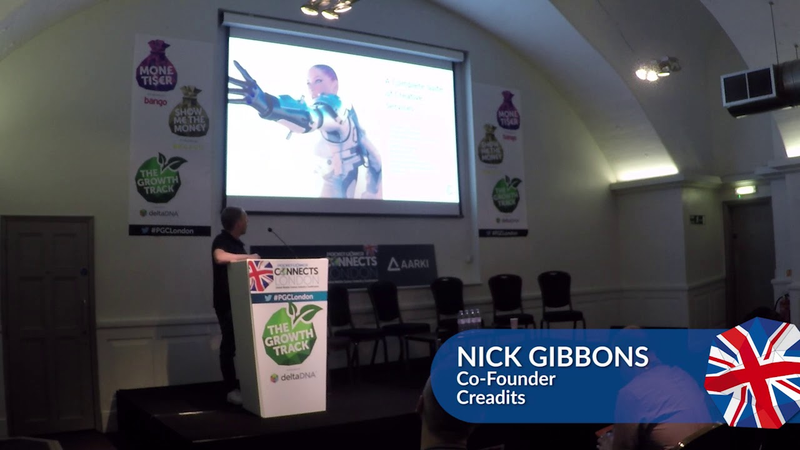
Building a creative machine for the digital marketing landscape of today
The digital marketing landscape is increasingly defined by automated, algorithmic campaign management, which has effectively commoditized media buying and reduced the level of control available to advertisers.
- Creative assets have become the primary lever for competitive differentiation and ROI as automated, black-box algorithmic management commoditizes media buying.
- Rising media costs across major platforms necessitate a shift from sporadic creative production to an always-on, performance-driven model to maintain profitability.
- Scaling creative output is the core challenge for modern marketing teams, as internal resource constraints limit the volume of concepts available for testing.
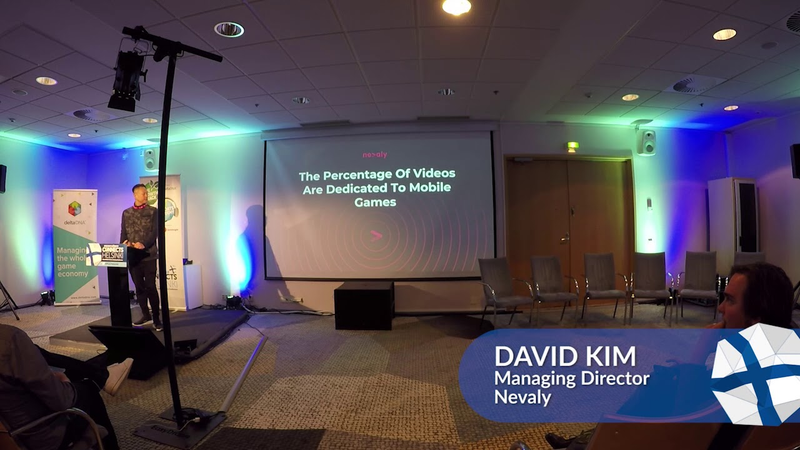
Games industry influencer campaigns: Facts and figures from the trenches
Influencer marketing has emerged as a critical component of the gaming industry, driven by increasing price competition and saturation in traditional mobile advertising.
- Influencer marketing for games achieves a 6.3% average engagement rate and a 2.2% click-through rate, both of which outperform traditional display and search advertising.
- There is a 36% probability that an influencer will continue to feature a game organically following the conclusion of a paid sponsored engagement.
- The majority of a campaign's total impact is typically realized within the first three days of the influencer's content release.
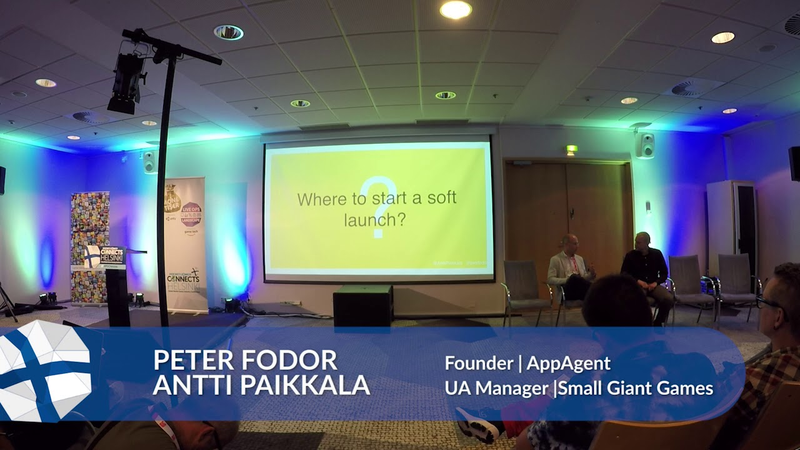
AppAgent meets Small Giant Games: How to create a media plan for a global launch
The media planning process for a global mobile game launch requires a disciplined, data-driven approach that balances product development with aggressive user acquisition strategies.
- A successful global launch requires a data-driven media plan that balances aggressive user acquisition with iterative product development based on real-time performance metrics.
- Soft launch phases must prioritize testing hypotheses and establishing baseline KPIs, such as cost per install and conversion rates, to ensure technical stability and accurate lifetime value modeling.
- If top-of-funnel performance is weak despite strong core gameplay, developers should be prepared to overhaul the game's visual identity to better align with target audience preferences.
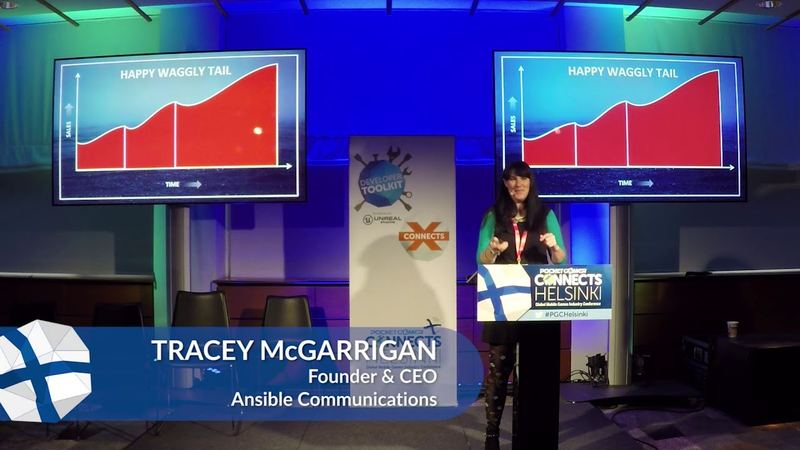
Look mum, no wheels! Riding the marketing long tail in games
The gaming industry is shifting away from a hit-driven model toward a long-tail strategy, where sustained, long-term marketing efforts generate consistent revenue beyond the initial launch window.
- Shift from a 90-day launch-focused model to a 12-month+ revenue strategy to avoid the high risk of premature product abandonment.
- Prioritize organic advocacy, as word-of-mouth impressions are five to 100 times more valuable than paid media.
- Recognize that 97% of consumers are influenced by reviews, and 92% will actively avoid purchasing products that lack them.
How to Paint an Awesome Image as An Unskilled Game Develper!
Digital painting is an accessible skill for game developers, even those without formal artistic training, provided they follow a structured, iterative process.
- Prioritize composition and grayscale values over complex drawing techniques to create professional-quality concept art within a five-hour timeframe.
- Establish the structural integrity of an image by focusing on abstract shapes and light-dark relationships before introducing any color.
- Use non-destructive editing by working on separate layers and frequently flipping or rotating the canvas to maintain a fresh perspective on the composition.
Dare to manage – Regional features of influencer marketing
Influencer marketing requires a nuanced, region-specific strategy to effectively drive mobile app user acquisition.
- Influencer campaigns can drive significant organic uplift, with well-executed strategies often resulting in up to 70% of total app installs coming from organic sources.
- Global influencer marketing requires region-specific operational workflows: US campaigns are contract-heavy and high-effort, requiring approximately 1,000 outreach emails to secure 20 partnerships.
- Advertisers must implement rigorous data verification to combat fraudulent metrics, as falsified demographic screenshots are a persistent risk in influencer marketing.
How to work with influencers to avoid scrutiny from Government regulators
Influencer marketing in the video game industry faces significant regulatory scrutiny, primarily from the Federal Trade Commission (FTC) and state attorneys general, who monitor for deceptive advertising practices.
- Brands, influencers, and agencies share collective legal responsibility for disclosing material connections, including monetary payments, free products, and early access to games.
- Disclosures must be clear and unambiguous; explicit labels like #ad are preferred over vague terms such as 'ambassador'.
- Disclosures must appear before consumer interaction, such as within the first three lines of a social post or at the very beginning of a video.
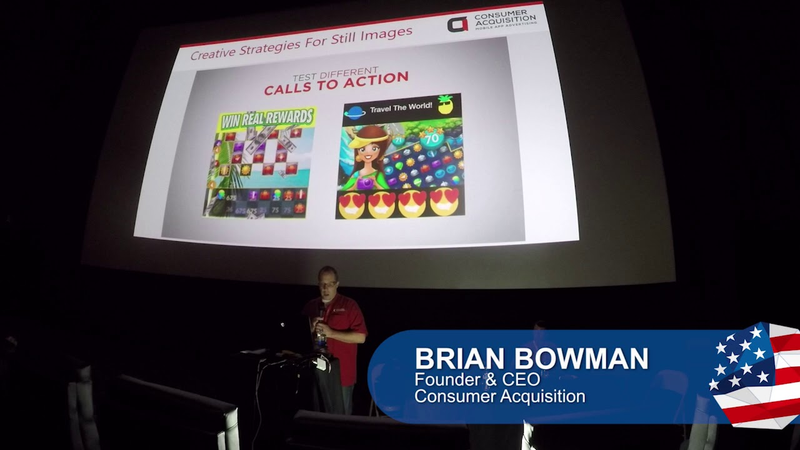
The future of UA – Facebook ad best practices, creative marketplaces and UA bots
Modern user acquisition strategies have shifted away from manual bid and budget management toward a reliance on machine learning algorithms.
- Creative quality is now the primary driver of ROI, as automated platforms like Facebook and Google shift the burden of performance from manual bidding to ad asset effectiveness.
- To maximize algorithmic efficiency, advertisers should consolidate campaigns and minimize manual edits to avoid triggering performance penalties associated with the machine learning learning phase.
- Mobile video assets should be optimized for immediate engagement, with a target length of six to ten seconds and a clear call to action within the first two seconds.