Battle Royale reports and market data
Documents
TWiG 288: Fortnite in Trouble, Anime Girl Horse Racing Game, and Switch’s New Life
The global gaming industry is currently navigating a period of significant regulatory pressure and shifting market dynamics.
- Apple faces potential fines of up to 10% of its global revenue following formal European Commission charges regarding Digital Markets Act violations related to restrictive app store practices.
- Fortnite is recording its lowest player counts since late 2023, prompting Epic Games to pivot toward a 2025 re-entry into the Japanese mobile market.
- Netflix has invested $3 billion into its gaming division, yet the initiative continues to struggle with demonstrating a clear return on investment.
TWIG #284 Squad Busters launch talk / Stumble Guys vs. Fall Guys
The global gaming industry is currently defined by a tension between massive launch-day engagement and long-term structural instability.
- Mobile gaming remains the industry's primary revenue driver, accounting for 50% of total consumer spending in 2023 despite ongoing volatility.
- The gaming sector faces significant structural instability, evidenced by over 10,000 industry layoffs in 2024 and ongoing consolidation, such as Nintendo’s acquisition of Shiver Entertainment and Atari’s purchase of the Intellivision brand.
- High-profile launches continue to command massive reach, with Supercell’s Squad Busters securing 40 million pre-registrations and Ubisoft’s XDefiant attracting 8 million unique players in its first week.

Unpacking Krafton’s Strategy: PUBG, New IPs, Investments & More!
Krafton is currently undergoing a strategic evolution, transitioning from a company defined by the singular success of the PUBG franchise to a diversified global publisher focused on scaling creative innovation.
- Krafton is diversifying its portfolio beyond the PUBG franchise by investing in a multiplatform pipeline that includes inZOI, Dark and Darker Mobile, and Dinkum Mobile.
- The company utilizes a decentralized operational model, supporting specialized spin-off studios with infrastructure and resources while maintaining studio autonomy.
- Krafton is aggressively integrating deep learning and artificial intelligence to improve development efficiency, enhance anti-cheat security, and create more immersive NPC experiences.
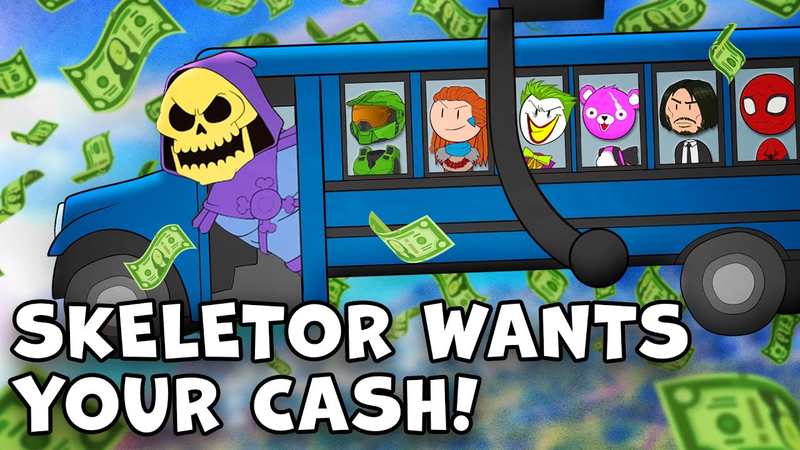
How Fortnite Crossovers Corrupted the Industry - Extra Credits Gaming
The modern gaming industry is increasingly prioritizing brand recognition and nostalgia-driven crossovers over the creation of immersive, holistic game worlds.
- The gaming industry is shifting focus from creating immersive, cohesive game worlds to prioritizing brand recognition and nostalgia-driven crossovers for short-term revenue.
- Fortnite’s business model has popularized the use of unthemed environments where disparate intellectual properties are integrated, effectively turning games into vehicles for advertising.
- The prioritization of business development over artistic integrity has led to the dilution of established franchises, as seen with the inclusion of Skeletor in Call of Duty and Marvel sets in Magic: The Gathering.
Fortnite Lego, Game Awards, and GTA VI | 338
The modern gaming landscape is currently defined by the consolidation of massive, multi-experience platforms and the immense cultural gravity of blockbuster titles.
- The gaming market is shifting toward platform-level dominance, exemplified by Epic Games transforming Fortnite into a multi-experience metaverse through integrations like Lego Fortnite and Harmonix-developed modes.
- High-profile releases such as the Grand Theft Auto VI trailer demonstrate that massive blockbuster titles continue to dictate industry discourse and drive record-breaking consumer engagement.
- The industry faces a critical sustainability crisis characterized by escalating production costs and a persistent reliance on crunch culture to meet rising consumer expectations for visual fidelity.

Bungie Layoffs / Live-Action Zelda / Epic v Google / FC 24 Sales
The gaming industry is currently navigating a period of significant structural adjustment, characterized by a shift away from hyper-casual mobile models toward sustainable, long-term engagement strategies.
- Bungie implemented layoffs following a 45% revenue shortfall in Destiny 2, highlighting the financial instability of relying on a single aging live-service title.
- EA successfully transitioned its football franchise away from the FIFA brand, retaining 14.5 million active accounts by prioritizing gameplay quality and existing licensing agreements.
- Epic Games achieved record-breaking engagement by leveraging nostalgia through Fortnite’s 'OG' season, signaling a shift toward using the Unreal Editor for user-generated content to reduce internal development overhead.

How to Disrupt the Shooter Market
The shooter genre remains a dominant force in the global gaming landscape, maintaining high monthly active engagement across PC and console platforms while capturing significant revenue in mobile markets.
- Disruption in the saturated shooter market is shifting from technical fidelity to community-responsive models that prioritize social identity and long-term player retention.
- Developers are capturing high-growth markets like India by utilizing Indo-futurism themes and optimizing technical performance for low-end hardware.
- Monetization strategies are moving away from pay-to-win structures toward identity-based models that emphasize cosmetic and social expression.
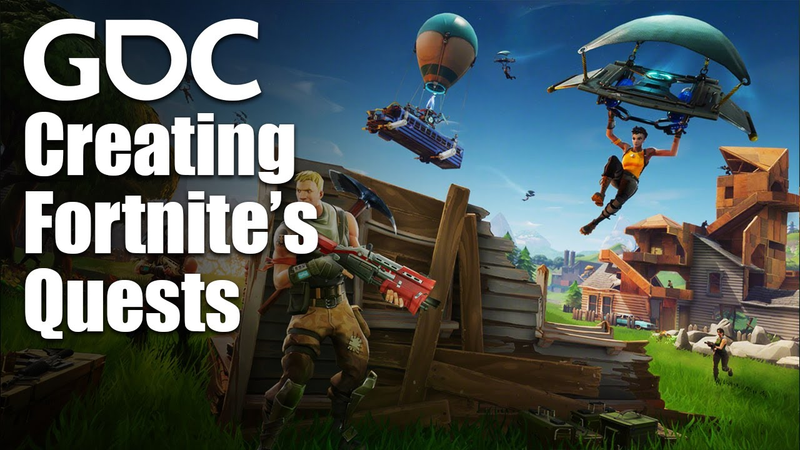
How 'Fortnite' Designers Made Their Own Tools
The development of Fortnite necessitated a fundamental shift in workflow strategy when traditional, spreadsheet-based quest editing systems proved too error-prone and inefficient for the game’s rapid production cycle.
- To resolve a production bottleneck where quest creation took days and was prone to errors, Fortnite's quest team empowered designers to build their own tools using Unreal Engine's Blueprint-driven Editor Utility Widgets.
- By shifting tool development to designers, the team reduced the complexity of the quest editor from six pages of tightly packed properties to a more user-friendly two-page interface.
- The new designer-centric workflow allowed for the creation of quest templates, which enabled fine-grained control and automated the addition of specific event rewards across multiple quest types.
Mobile Shooters: What's Next After Battle Royale? ft. Jordan Phang/Naavik (FREE REPORT!)
The mobile shooter market represents a specialized but significant segment of the global gaming industry, accounting for approximately 5% of total game downloads and 6% of revenue.
- The mobile shooter market is highly concentrated, generating $3.5 billion in revenue and 2.6 billion downloads between October 2020 and November 2021, with a few dominant titles like Game for Peace, Free Fire, and Call of Duty Mobile capturing the majority of spending.
- Extraction shooters are emerging as the primary evolution for the genre, utilizing high-stakes gameplay and loss aversion to create a distinct, tension-filled loop that differentiates them from standard Battle Royale formats.
- New shooter IPs face significant retention challenges because players are reluctant to abandon established ecosystems where they have already invested in social connections and cosmetic assets.

How Hollywood Cinematography Is Employed to Support Games' Cinematic Visualization
The integration of Hollywood visualization techniques into game development serves as a critical bridge between narrative ambition and technical execution.
- The primary goal of pre-visualization (previz) is to create a one-to-one match between early drafts and final cinematic assets, which streamlines production and significantly reduces costs by resolving creative and technical issues early.
- Previz serves as a direct communication bridge between visualization supervisors and key stakeholders, including directors, producers, and cinematographers, allowing for rapid iteration of complex sequences.
- Effective previz acts as a foundational blueprint for final animation, preventing the need for costly, last-minute adjustments during the final rendering phase.
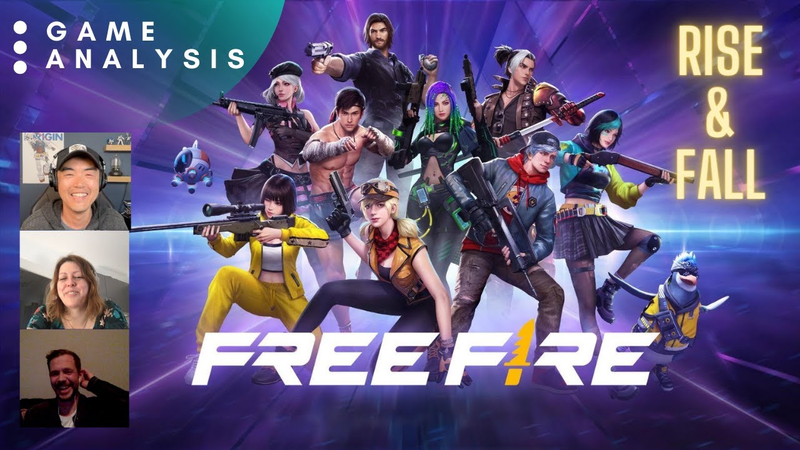
Garena Free Fire: Secrets to Success and Analyzing The Fall
Garena Free Fire achieved global prominence by pioneering a mobile-first design philosophy tailored specifically for emerging markets in Southeast Asia and Latin America.
- Garena Free Fire achieved global scale by prioritizing mobile-first design, specifically optimizing performance for low-end hardware and limiting match sizes to 50 players to capture underserved markets in Southeast Asia and Latin America.
- The game’s reliance on pay-to-win mechanics, specifically temporary weapon upgrades that provide situational advantages, has become a primary driver of player churn as users seek more balanced alternatives.
- Technical instability caused by aggressive, constant live-ops updates has led to significant player burnout, further exacerbated by market saturation and post-pandemic shifts in consumer behavior.

Is Diablo Immortal Fun for Mortal Wallets? - The Metacast by Naavik
The gaming industry is currently navigating a critical transition as major franchises attempt to adapt their core experiences for mobile platforms and broader ecosystem expansion.
- Aggressive monetization in mobile titles like Diablo Immortal, where character upgrades can cost hundreds of thousands of dollars, risks alienating core fanbases and inviting increased global regulatory scrutiny.
- Successful mobile adaptation of major franchises requires bespoke development rather than simple ports, as evidenced by the performance of Apex Legends Mobile.
- Long-term mobile viability is increasingly dependent on sophisticated live-ops, personalized player segmentation, and strategic partnerships with experienced developers like Tencent.