AI reports and market data
Documents

Steam Censorship, Live Action Zelda, and King’s Candy Crush AI | Games For Breakfast
The contemporary gaming industry faces a complex intersection of corporate consolidation, technological disruption, and external regulatory pressure.
- Payment processors like Visa and Mastercard are exerting de facto censorship on digital storefronts such as Steam and itch.io by threatening to revoke transaction capabilities for content flagged by advocacy groups.
- King has implemented layoffs following the automation of level design and monetization tasks, signaling a shift in how AI integration is impacting industry labor structures.
- Krafton is currently involved in litigation with the founders of Unknown Worlds regarding earnout payments for Subnautica 2, highlighting the critical importance of legal rigor in M&A deals.
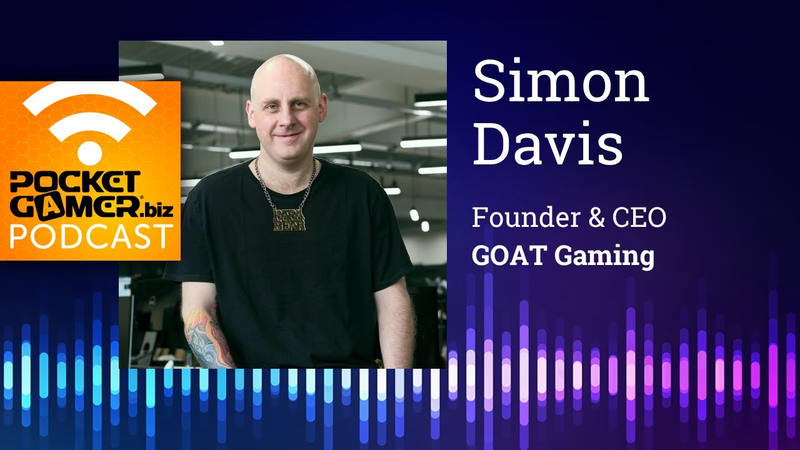
This AI Bot Runs Events, Roasts Players And Delivers 2x Community Engagement
The gaming industry is undergoing a fundamental shift toward an AI-native production model, where generative tools automate nearly all art creation and streamline complex coding and administrative workflows.
- The implementation of an AI agent named Amy resulted in a 2x increase in community engagement, with event-driven participation spikes reaching 5x to 10x higher than previous baselines.
- GOAT Gaming utilizes AI to industrialize production, reducing the time required to create a 3D character from scratch from 3–4 weeks to a single day, including animations.
- The studio uses AI-driven internal automation for administrative tasks, such as finance teams using image-based tools to reconcile receipts and update databases automatically.

Get Real: AI at Work | BITKRAFT Summit 2024
The BITKRAFT Summit 2024 panel, "Get Real: AI at Work," explored the practical integration of generative AI into the gaming industry, emphasizing the transition from experimental chatbots to sophisticated, game-aware character engines.
- Integrating AI into games requires custom infrastructure and model configuration, making it unlikely for studios to achieve high-quality results within a 1–3 month timeframe.
- To solve the problem of unpredictable, non-linear server costs, the industry is shifting toward on-device, end-to-end AI systems that run locally on PCs and consoles.
- Public foundation model endpoints often fail to meet the latency and performance requirements of core game mechanics, forcing developers to move to dedicated servers with strict service-level agreements.
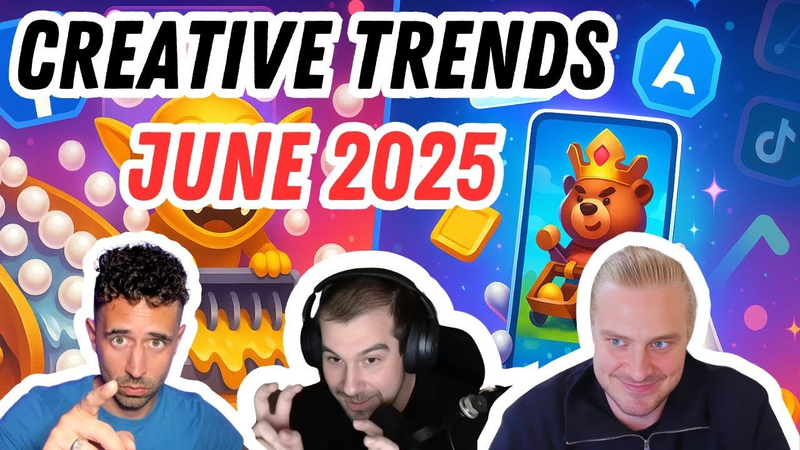
🎬 Creative Trends June 2025: Why AI, ASMR & Copy-Paste Are Redefining Mobile Ads
The mobile gaming advertising landscape in mid-2025 is defined by a strategic shift toward long-form video content and the aggressive iteration of proven creative concepts.
- Mobile gaming ads are shifting toward long-form content ranging from 50 seconds to five minutes to improve user pre-qualification and secure better auction placement.
- AI tools like Topaz AI are now the primary engine for mobile ad production, enabling rapid generation and upscaling of assets to mimic user-generated content styles.
- Developers are increasingly utilizing a 'copy-paste' strategy by re-skinning proven mechanics like resource management and character-saving puzzles to minimize innovation risk.

Leading new frontiers in mobile @ Develop Brighton 2025
Modern mobile game development has transitioned into a mature, highly competitive landscape where success depends on balancing rigorous data-driven iteration with strategic creative experimentation.
- Mobile game development requires prioritizing core loops and early validation, with teams like Supercell London utilizing ICE (Impact, Confidence, Effort) scoring to manage production processes.
- Live operations for legacy titles, such as the four-year-old 'Love & Pies', require constant iteration and rebuilding of game economies to meet evolving market expectations for features like generator boosts.
- The mobile audience has matured significantly, shifting from casual players of Windows 95-era games to a more sophisticated demographic that expects higher polish and mobile-native experiences.
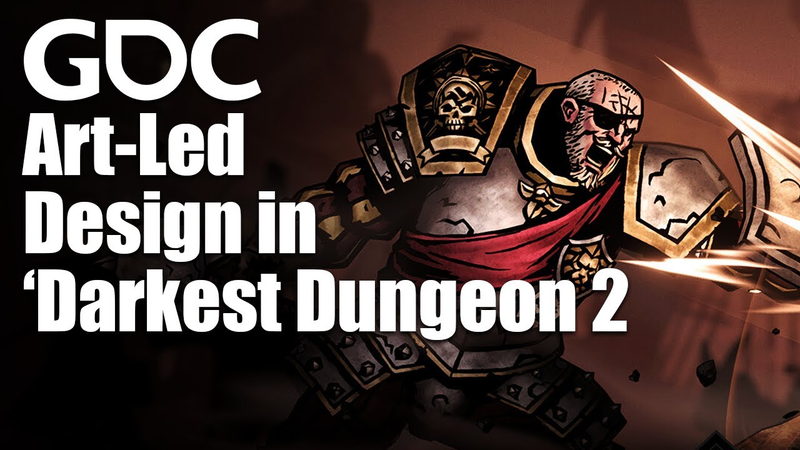
Evolving Worlds from Chaos: The Art-Led Approach of 'Darkest Dungeon 2's' Procedural Generation
The development of Darkest Dungeon 2 centers on a deliberate shift toward an art-led procedural generation system, prioritizing the game’s distinct, painterly aesthetic over traditional, programmer-centric automation.
- Red Hook Studios shifted from a programmer-led procedural generation system to an art-led approach for Darkest Dungeon 2 to ensure the game’s distinct, painterly 3D aesthetic remained consistent across generated environments.
- The team abandoned an initial 'sequential plate' system because it created an unsustainable workload for the art team and failed to support the desired game design direction.
- The final solution utilized a grid-based system where environment artists defined a minimal set of road tiles, allowing Unity to generate complex, seamless biomes without requiring constant developer intervention.

TWIG #337 Supercell's AI Ruse and Microsoft’s Muddled Xbox Strategy
The global gaming industry is currently navigating a period of significant structural instability, characterized by widespread layoffs and a strategic pivot among major players.
- Microsoft’s Xbox division faces a critical strategic impasse characterized by stagnant Game Pass subscriptions, declining hardware market share, and shrinking software margins.
- Supercell is experiencing revenue declines in flagship titles like Brawl Stars and Clash of Clans, leading to concerns that its pivot toward AI-driven innovation is a distraction from core operational challenges ahead of a potential IPO.
- Netflix is pivoting away from high-budget gaming ambitions to adopt a casual, low-engagement model similar to Apple Arcade.
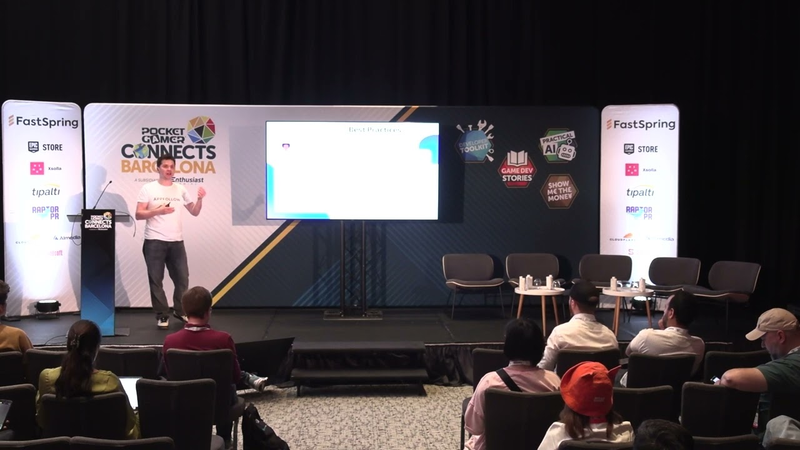
Session: AI Powered Community Relations In App Management - Anatoly Sharifulin, AppFollow.
Artificial intelligence and automation are transforming community relations and reputation management within the mobile gaming industry.
- Gaming companies currently maintain an average review reply rate of only 20%, despite the fact that responding to reviews can increase average ratings by 20% to 30% when users update their original feedback.
- A hybrid support model is the industry best practice, where AI handles high-volume, routine inquiries while human agents manage complex cases, featured reviews, and instances where ratings are trending downward.
- Automated anomaly detection allows developers to identify sudden shifts in player sentiment—such as a 20% spike in dissatisfaction following a pricing or monetization change—within one week, rather than waiting for quarterly reports.

291. AI in Games: Innovation or Ethical Time Bomb? With George Ng, CTO of GGWP
Artificial intelligence is fundamentally reshaping the gaming industry by acting as a powerful catalyst for operational efficiency while simultaneously introducing profound ethical risks.
- AI is currently serving as a supplementary tool for operational efficiency in prototyping, asset creation, and narrative design rather than a replacement for human creative vision.
- The industry expects only incremental efficiency gains over the next two years rather than a total paradigm shift in game development.
- AI-driven monetization strategies, such as hyper-personalized matchmaking and variable drop rates, pose significant ethical risks by potentially prioritizing engagement over player well-being.
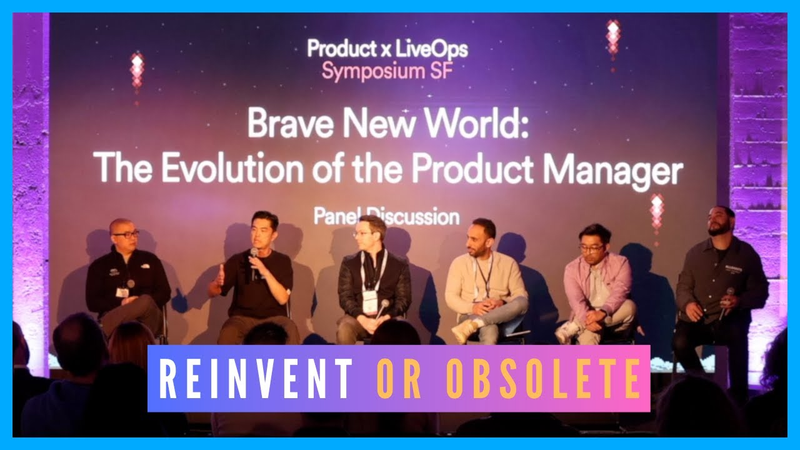
Evolution of the Gaming Product Manager in 2025 + AI
The gaming industry is currently undergoing a structural transformation driven by an increasingly competitive attention economy and the necessity for high-frequency content updates.
- Product velocity is the new North Star metric for gaming product managers, as the industry shifts toward rapid, data-driven iteration to compete in a crowded attention economy.
- AI investment should be evaluated using Gartner’s '3 Returns' framework: Return on Employee (efficiency gains), Return on Investment (KPI and bottom-line impact), and Return on Future (creating new business models and capabilities).
- The role of the Product Manager is evolving into an 'agentic' function, where the primary responsibility is orchestrating and deploying AI agents to automate tasks and optimize live service operations.

Is AI about to transform video game tie-ins with movies and TV shows?
The modern entertainment landscape is undergoing a fundamental shift as intellectual property holders move away from treating video games as mere marketing appendages for film and television.
- Entertainment IP holders are shifting from using video games as marketing appendages to prioritizing high-quality, authentic gameplay that functions as a cohesive extension of a broader narrative universe.
- Studios are increasingly developing games and screen projects simultaneously by using shared creative teams and unified technological pipelines to ensure narrative consistency.
- The use of tools like Unreal Engine for both pre-visualization and final production is becoming the industry standard for maintaining emotional resonance across film, television, and gaming mediums.
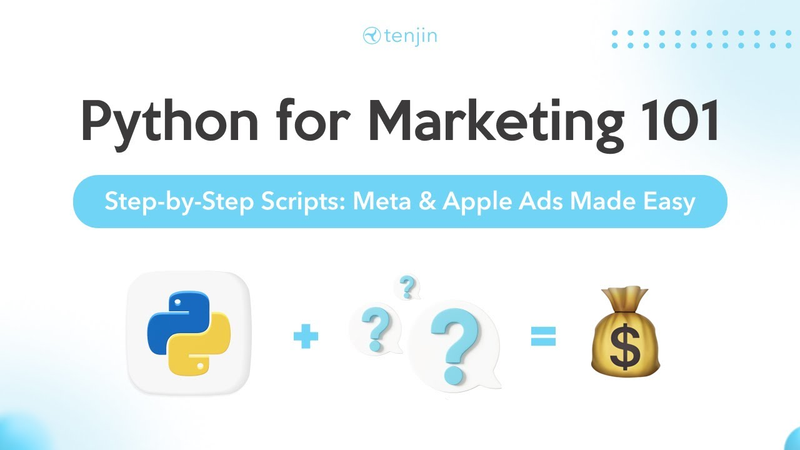
Python for Marketing 101
Marketers can significantly enhance their operational efficiency and strategic capabilities by integrating Python into their daily workflows.
- Python enables marketers to bypass expensive third-party software by using browser developer tools to extract proprietary data directly from platforms like Apple Search Ads.
- Automating data collection with Python allows for the creation of custom, cost-effective databases that track specific metrics such as keyword volume, competition, and relevancy.
- Programmatic access to the Facebook Ad Library API allows marketers to retrieve and analyze competitor ad performance metrics at a scale that is impossible through manual interfaces.