Wolfenstein: Youngblood
Game
6 documents in the library are about Wolfenstein: Youngblood, from writers such as Bryter, Embracer Group and Game Developers Conference. Each has a summary and key insights with the page they come from.
Connections
Each row is a game or company named alongside Wolfenstein: Youngblood, each column a document, oldest first. A mark means that document names it. Select a row to see those documents.
Documents about Wolfenstein: Youngblood
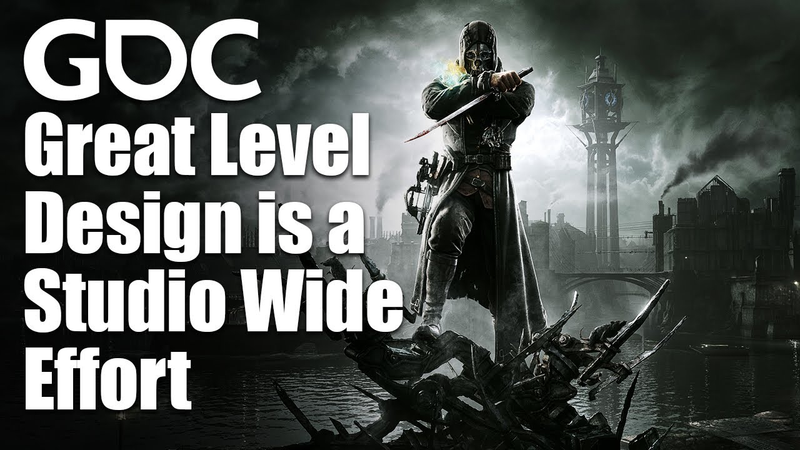
Great Level Design is a Studio-Wide Effort
Exceptional level design functions as a studio-wide endeavor rather than the isolated output of a single department.
- High-quality level design requires integrating narrative, art, systems design, and technical teams from the earliest stages of development rather than treating it as an isolated departmental task.
- Studios should replace siloed operations with cross-functional strike teams and modular assets to ensure gameplay, visual storytelling, and technical performance remain deeply intertwined.
- Operational efficiency is maximized by developing ergonomic tools and procedural systems in parallel with feature creation to reduce manual, repetitive tasks and designer burnout.
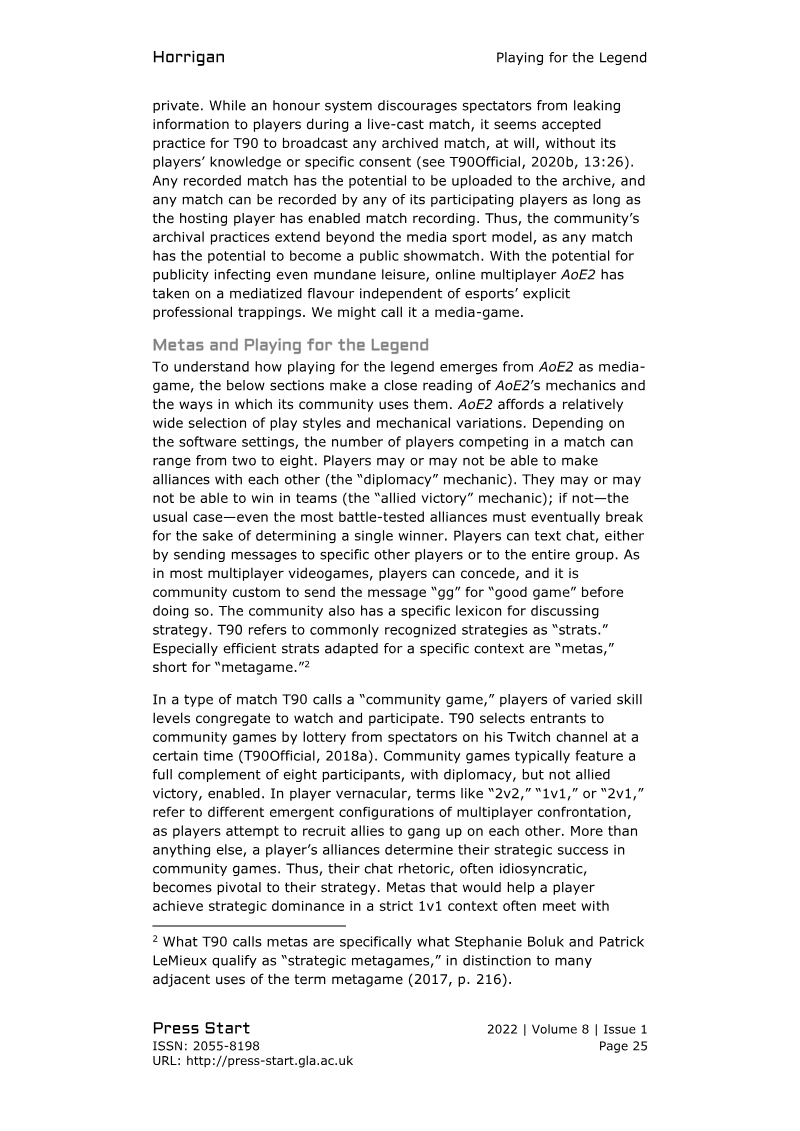
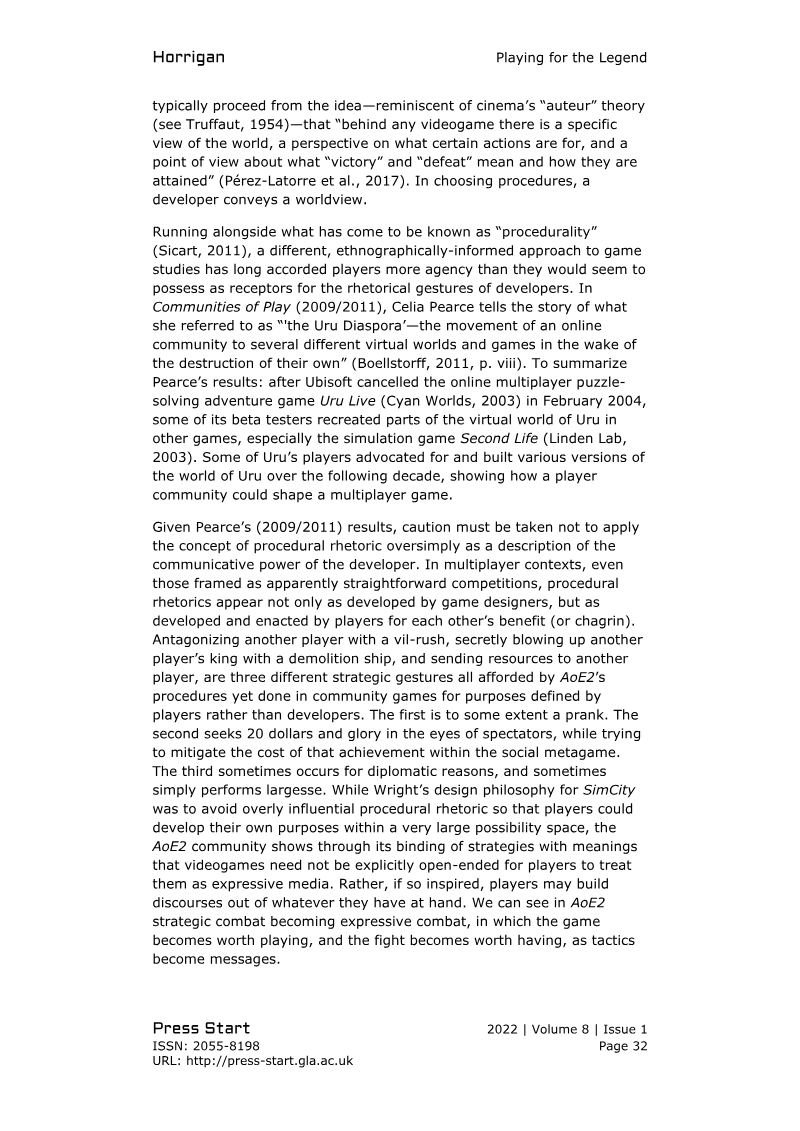
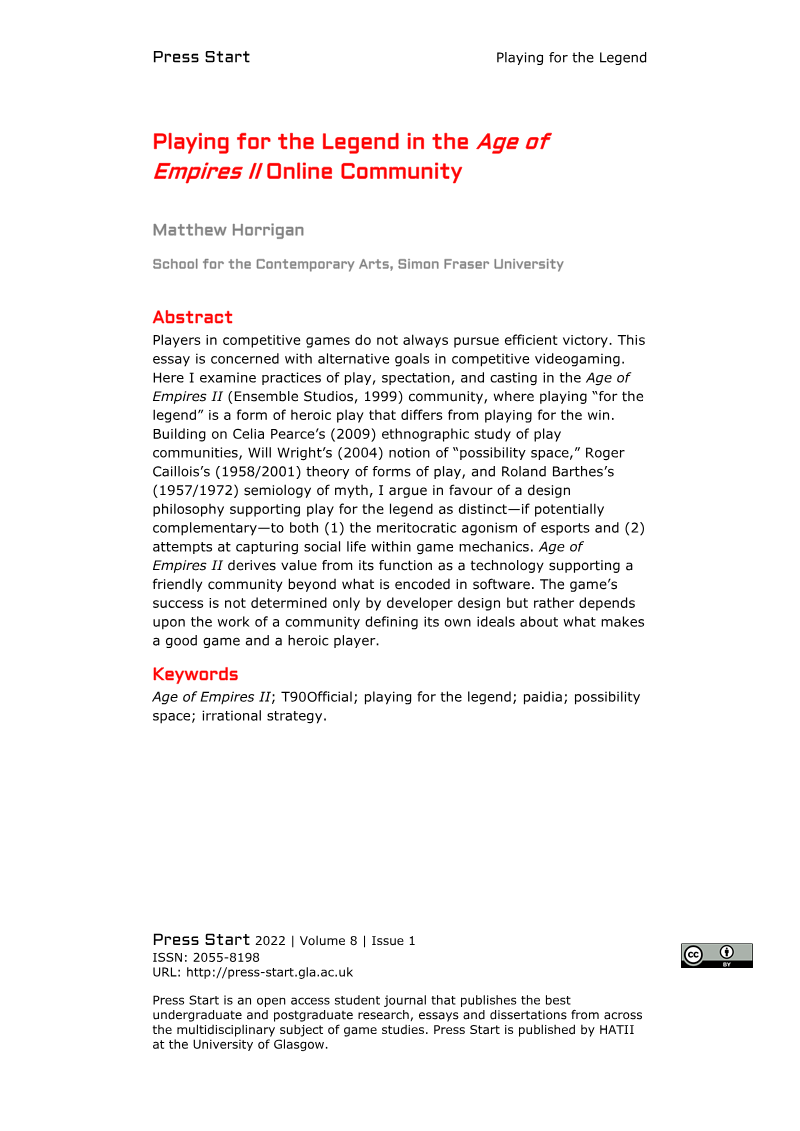
Playing for the Legend in the Age of Empires II Online Community
Matthew Horrigan, writing in the Press Start student game studies journal (2022), examines play and spectation in the online community of the real-time strategy game Age of Empires II (Ensemble Studios, 1999).
- The author notes that community lexicon follows T90 in using the term "legend" for a player who distinguishes themself with a risky and funny strategy that pays off through victory despite apparent odds, other players' chagrin, or the revelation of an alternative perspective on the game.
- Community games typically feature eight participants with diplomacy enabled but allied victory disabled, and entrants are selected by lottery from spectators on T90's Twitch channel.
- In the reported match, the player Noob Nothing won after the other players failed to destroy the monastery holding the relic before the timer ran out.
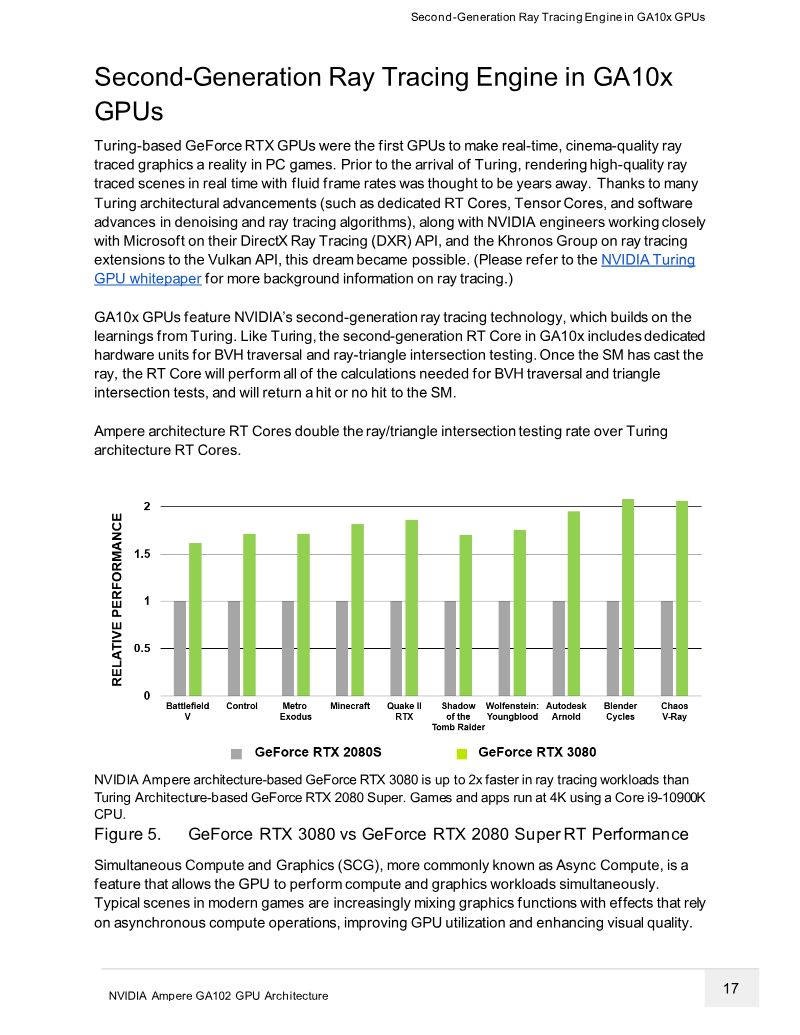
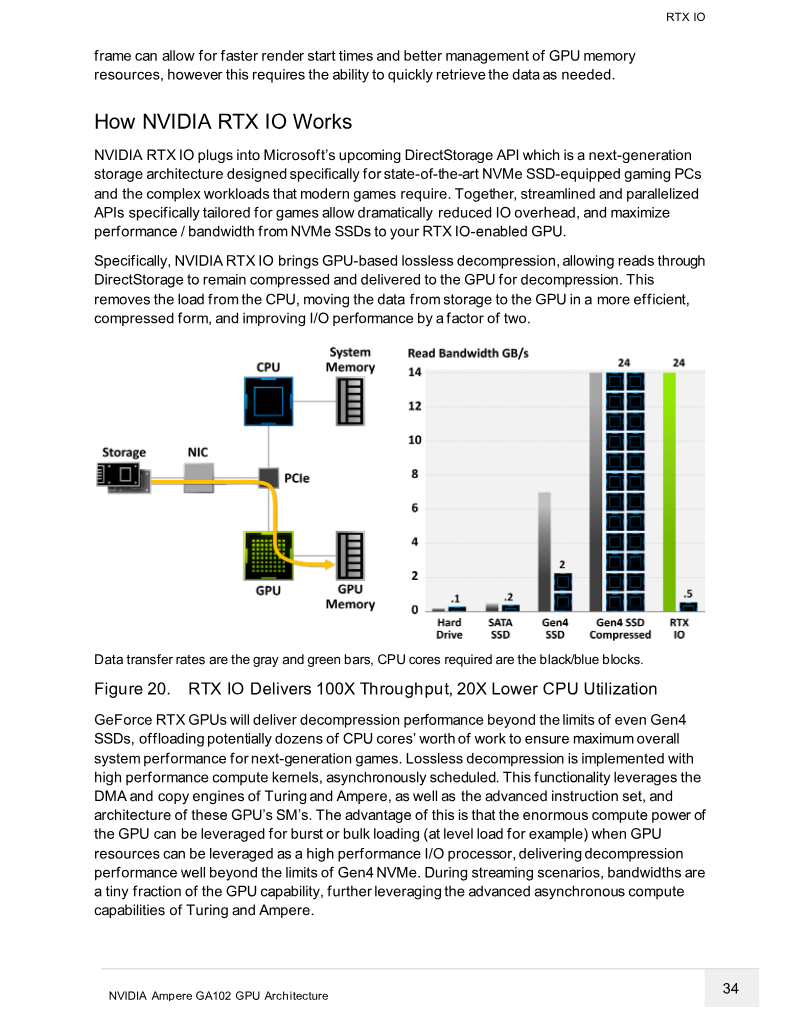
NVIDIA Ampere GA102 GPU Architecture: Second-Generation RTX
NVIDIA's whitepaper describes the GA102 GPU, the most powerful chip in the Ampere GA10x family, which is used in the GeForce RTX 3090, GeForce RTX 3080, NVIDIA RTX A6000 and NVIDIA A40.
- A full GA102 GPU contains 10752 CUDA Cores, 84 second-generation RT Cores and 336 third-generation Tensor Cores.
- The GA10x SM doubles FP32 throughput, and the RTX 3080 is listed at 29.8 peak FP32 TFLOPS versus 11.2 for the RTX 2080 Super.
- GDDR6X is described as the first consumer GPU graphics memory to reach memory bandwidth over 900 GB/sec.
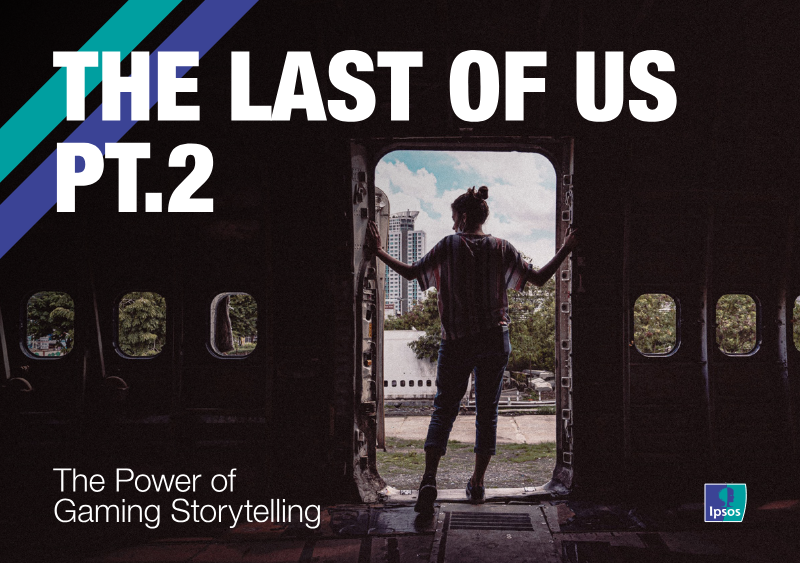
The Last of Us Part 2: The Power of Gaming Storytelling
This Ipsos piece, written by Lamberto Ferrara, Yas Asare Anderson and Preeti Varma, examines the reception of Naughty Dog's The Last of Us Part 2 (TLoU2), released in 2020, as a case study in how games handle inclusivity, representation and divisive storytelling.
- TLoU2 became Sony's biggest PlayStation 4 launch and is the fastest-selling game of 2020 so far, according to the document.
- The document states that the game's director, Neil Druckmann, expected the divisive story to cause controversy.
- The backlash to the game included tentative boycotts and death threats from fans, according to the document.
THQ Nordic Q1 FY19/20 Interim Report
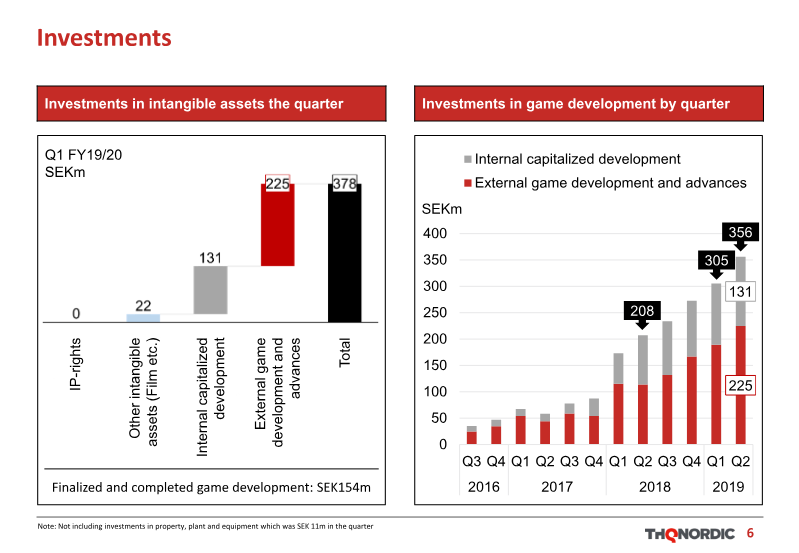
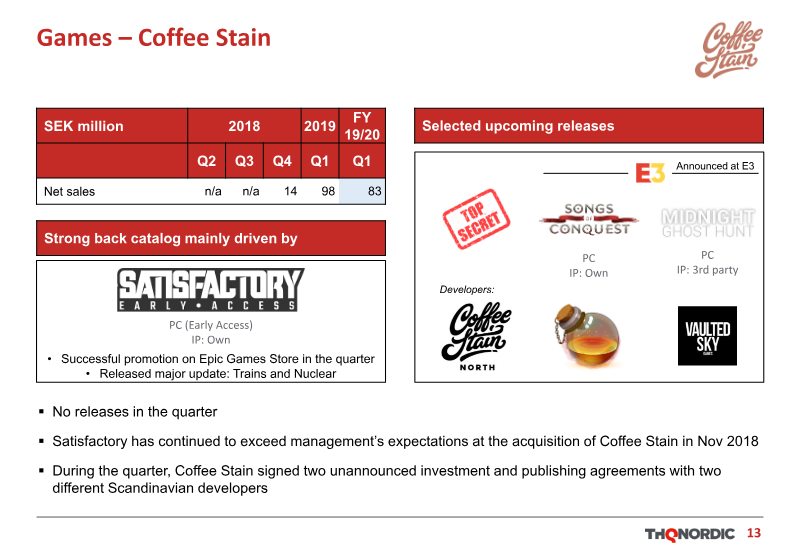
THQ Nordic’s Q1 FY19/20 interim report details a period of significant financial growth and operational expansion.
- THQ Nordic's Q1 FY19/20 net sales reached SEK 1,142 million, up 36% year-over-year, while operational EBIT rose 193% to SEK 204 million, driven by a strong digital back catalog, owned intellectual property, and a shift toward digital sales channels.
- The company ended the quarter with SEK 3,159 million in cash and bank balances, indicating a strong liquidity position.
- THQ Nordic has 81 projects in development, including at least two AAA titles slated for release in FY20/21.
Gender Diversity in Games: Improving but Still a Way to Go
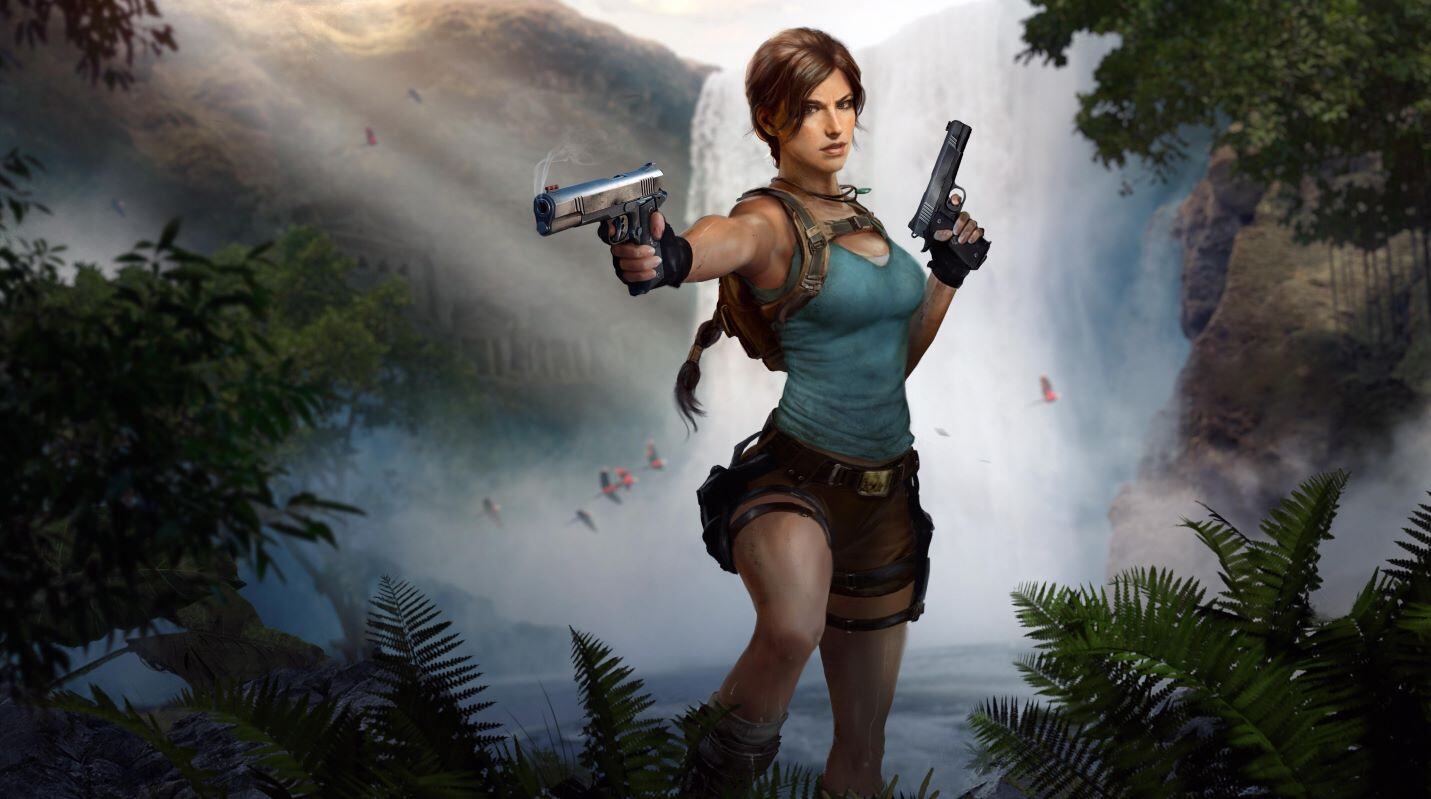
Gender diversity in games is improving, but representation of women both in game content and in the industry workforce remains limited.
- Only 14% of the UK games industry workforce are women, reflecting a significant gender gap in professional representation.
- A study of 1,151 female gamers revealed that 71% feel female characters in games are over-sexualized, and 60% believe there is a lack of strong female representation.
- Despite the industry's focus on diversity, only 30% of female gamers feel they can relate to the female characters currently featured in games.
Companies behind it


As the documents state it.