1 free read left. Create a free account for unlimited reading + AI research.
Create free accountWhitepaper Press Start
1 free read left. Create a free account for unlimited reading + AI research.
Create free accountWhitepaperPress Start
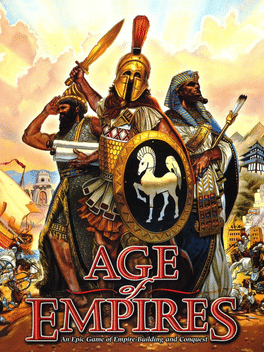
The Age of Empires II online community demonstrates a distinct departure from the rigid meritocracy typically associated with professional esports. By prioritizing a philosophy of playing for the legend, participants emphasize creative, humorous, and idiosyncratic gameplay over the pursuit of optimal competitive victory. This cultural shift transforms the software into a media-game, where the value of a player is defined not by win-loss ratios, but by their ability to contribute to communal narratives and social identity. Through the mediation of influential streamers and casters, individual matches are elevated into mythologized events, effectively blending structured rules with spontaneous, player-driven experimentation.
This social metagame relies heavily on a sandbox ethic that encourages emergent strategies rather than developer-prescribed playstyles. By fostering a space where diplomacy, sporting etiquette, and creative expression are held in high regard, the community creates a buffer against the toxicity often found in hyper-competitive environments. This approach allows for the development of unique player personas and legendary status, which exist independently of traditional competitive outcomes. The longevity of the title is directly linked to this capacity to support diverse, player-driven goals that integrate social meaning into the core gaming experience.
Ultimately, the success of this community suggests that strategic depth should be measured by a game's ability to facilitate these varied modes of engagement. By allowing players to define their own success through narrative and performance, the community has cultivated a sustainable, inclusive ecosystem that transcends the original design parameters of the software. This model offers a compelling alternative to standard industry practices, proving that long-term player retention can be achieved by empowering users to act as co-creators of the game’s cultural legacy.
Each row is a game or company this document names, each column a document, oldest first. A mark means that document names it. Select a row to see those documents.



Press Start · 2026
Press Start · 2026
Press Start · 2026
Press Start · 2026
Press Start · 2026
Press Start · 2026
Press Start · 2026
Press Start · 2026
Press Start · 2025
Press Start · 2025
Press Start · 2025
Press Start · 2024
DiGRA · 2009