The End
Game
11 documents in the library are about The End, from writers such as PocketGamer.biz, Mobile Dev Memo and Thomas Brush. Each has a summary and key insights with the page they come from.
Connections
The documents about The End on the inner ring, the other games and companies they name on the outer one. Select a cover to see it up close and open it in a new tab; drag to move, pinch or Ctrl + scroll to zoom.
Documents about The End
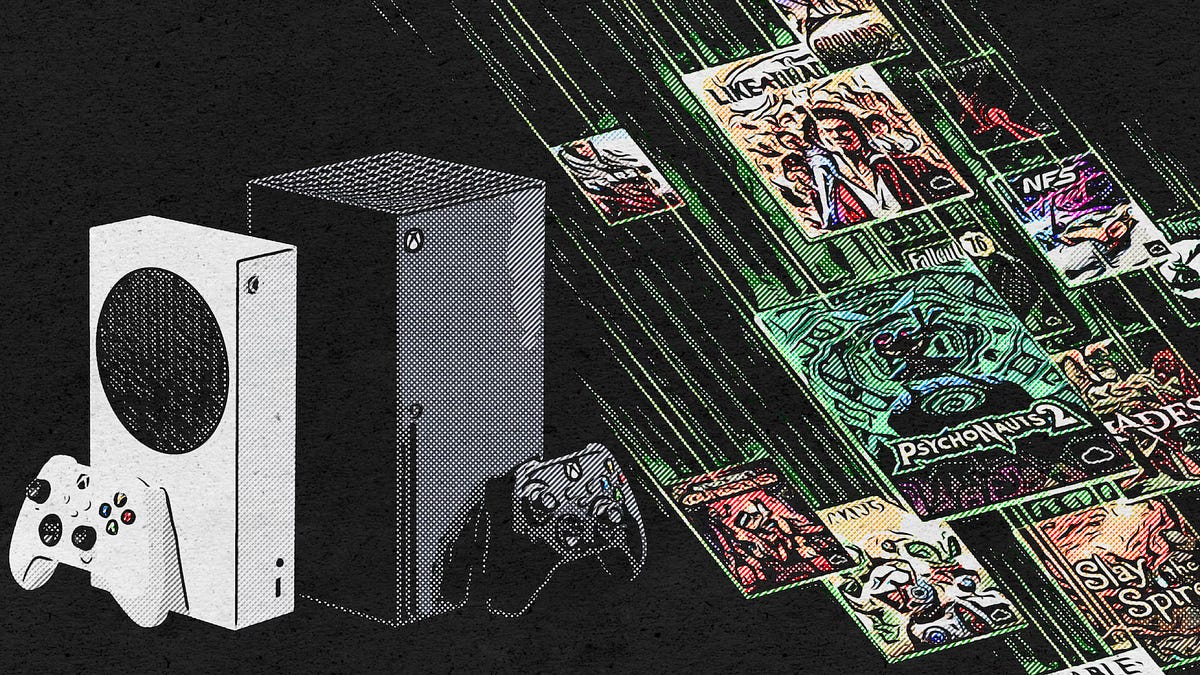
The End of Cheap Compute
The gaming industry is experiencing a fundamental shift in unit economics as the era of cheap, abundant cloud computing comes to an end.
- Xbox has introduced usage caps on cloud gaming, limiting Game Pass Ultimate subscribers to 15 hours per month, Premium to 10 hours, and Essential to 5 hours, to manage rising infrastructure costs.
- The cost of cloud gaming is being driven up by direct competition with AI workloads for data center resources, which has contributed to a 400% spike in the cost of basic memory components.
- Cloud gaming services are currently operating at a loss, with an estimated delivery cost of $0.45 per hour compared to an average revenue of only $0.22 per hour.
Gamer Survey: The End of the Average Gamer
The gaming industry has reached a critical inflection point where the traditional concept of the average gamer has become obsolete.
- The top 20% of spenders account for approximately 73% of total gaming revenue, indicating a high concentration of financial value among a minority of players.
- Engagement is similarly concentrated, with the most active 20% of gamers responsible for 59% of total playing time.
- Preference for open sandbox and user-generated content experiences declines significantly with age, dropping from 32% among 13-to-17-year-olds to just 3% among those aged 70 to 80.
Bungie's Layoffs: The End of an Era?
The recent restructuring at Bungie, characterized by a significant reduction in workforce, marks a critical turning point for the studio following its 2022 acquisition by Sony.
- Bungie has reduced its workforce by approximately 600 positions since its 2022 acquisition by Sony, including a recent round of 400 layoffs that cut nearly 40% of the remaining staff.
- Sony recorded a $766 million impairment charge related to Bungie for fiscal year 2025, indicating that the original integration strategy has failed to meet financial expectations.
- The acquisition thesis—that Bungie would lead Sony's live service initiatives—failed because Bungie’s high-cost expansion model proved incompatible with the microtransaction-heavy frameworks Sony intended to implement.

Google’s Gambit, Part 4: The End of Static Search
Google’s latest announcement at its I/O developer event signals a decisive shift from static search toward an AI-driven experience.
- Google’s new AI-driven search mode has reached over one billion monthly users, with query volume doubling every quarter.
- Early beta data indicates that the transition to AI-integrated search has driven a 15–20% increase in user satisfaction scores.
- The shift toward generative, conversational search is resulting in an uptick in ad revenue per search session.
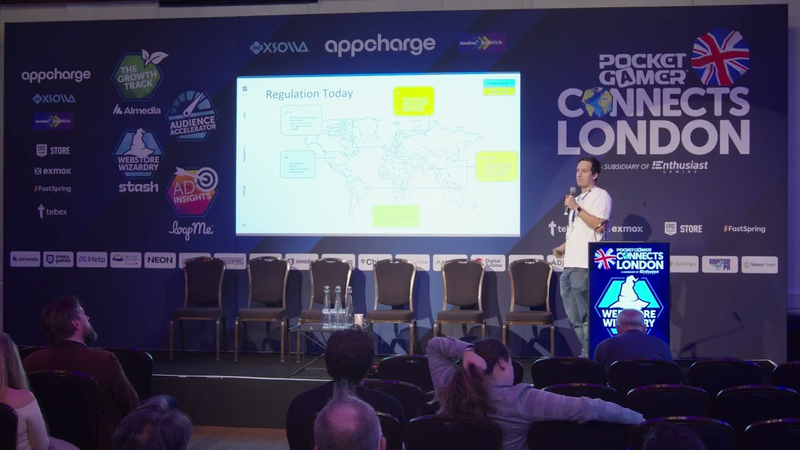
Session: The End of Global DTC: How Regulation Is Forcing Regional Player Flows - Archie Stonehill.
The global landscape for direct-to-consumer (DTC) game distribution is undergoing a significant transformation driven by a patchwork of regional regulations and legal challenges.
- The global DTC landscape is shifting from a uniform model to a fragmented, country-by-country regulatory framework that requires developers to adopt agile, region-specific distribution strategies.
- In the U.S., the dismantling of anti-steering restrictions since 2021 has enabled link-out strategies that now account for over 50% of transaction volume for some developers.
- Regulatory environments currently fall into three archetypes: traditional (restrictive), open steering (U.S.-style, allowing tax-free web checkouts), and taxed/mixed (EU-style, which often includes new fees or UX limitations).
How To Make Games In 2026, 6 Years On 1 Game, Making Custom Engines (Edmund McMillen & Tyler Glaiel)
The modern independent game development landscape is defined by a tension between rapid, hyper-focused production cycles and the enduring viability of long-term, ambitious projects.
- Long-term projects like Mewgenics remain commercially viable by prioritizing unique, infinitely replayable gameplay over industry trends that favor shorter development cycles.
- Custom C++ engines can increase creative control by bypassing standard visual editors in favor of streamlined pipelines, such as integrating Adobe Animate for modular, vector-based character generation.
- Design philosophy should embrace intentional imbalance to drive player engagement rather than striving for perfect, sanitized equilibrium.
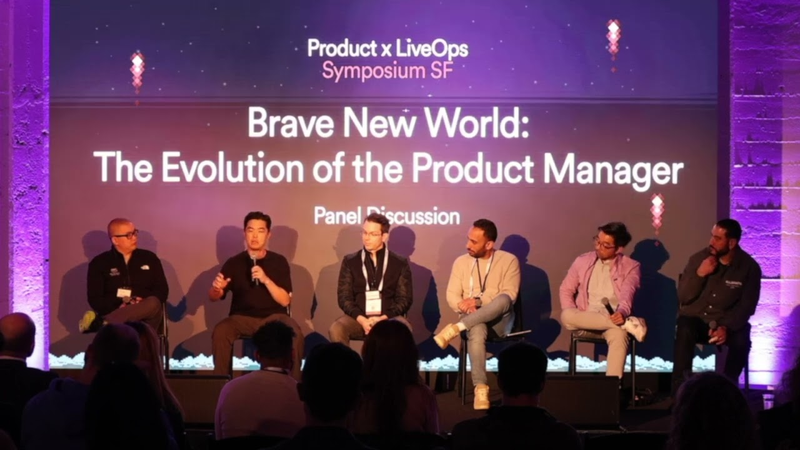
The End of Companies As We Know It: AI and the "Organizational Meta"
Artificial intelligence is fundamentally altering the landscape of corporate structure, necessitating a shift away from rigid, traditional hierarchies toward more fluid, adaptive models.
- Traditional organizational structures with rigid, vertical hierarchies and fixed roles will lose competitive advantage to more fluid, adaptive models.
- AI will subsume both low-level repetitive tasks and high-level complex functions, leading to the compression of traditional roles like product management, engineering, and art.
- The 'Organizational Meta' concept suggests that companies must constantly evolve their team structures, capabilities, and workflows to remain maximally effective, similar to how game metas shift.
Is It The End Of The Indie Game Industry (As We Know It)?
The indie game industry is currently undergoing a significant structural shift, characterized by widespread layoffs, increased market saturation, and the rapid integration of AI tools.
- The indie game market is experiencing extreme oversaturation, with approximately 80,000 games released on Steam in 2023 alone.
- To survive, developers must secure at least 10,000 wishlists before launch to ensure visibility and achieve the critical threshold of 10+ reviews required to exit Steam's 'sandbox' phase.
- Owning an audience—built through consistent content creation on platforms like YouTube, Twitter, or Reddit—is the most valuable asset for ensuring a game's success in the current market.
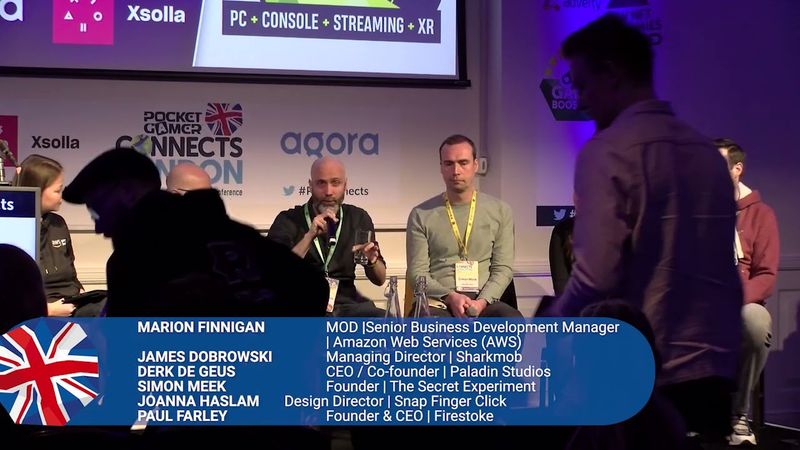
Panel: The End of Downloads: Will Cloud Gaming Conquer the World?
Cloud gaming represents a fundamental shift in the industry, transitioning from hardware-dependent local execution to a service-oriented model that prioritizes device-agnostic, on-demand access.
- Cloud gaming shifts the industry from hardware-dependent local execution to a service-oriented model, eliminating barriers like download times, high entry costs, and hardware obsolescence.
- The technology aims to expand the total addressable market by targeting non-traditional and lapsed players who are currently deterred by the friction of physical or digital installations.
- Game design is evolving away from traditional AAA-centric models toward episodic, social-first experiences optimized for immediate engagement within subscription-based ecosystems.
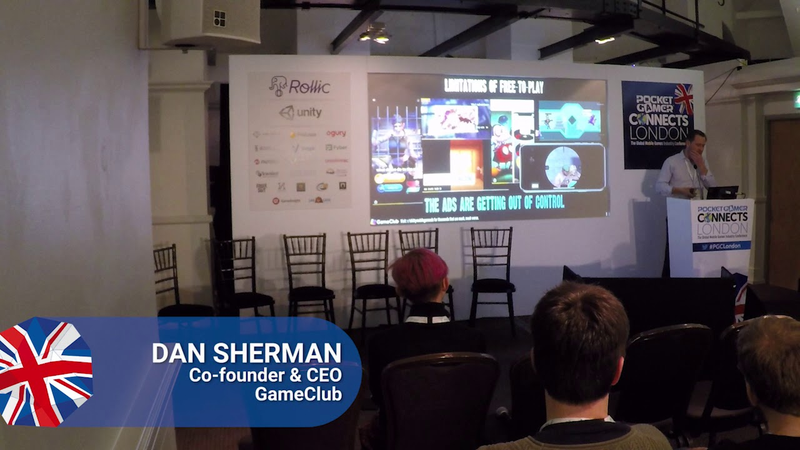
The End of Game Ownership – How the Subscription Model is Disrupting Mobile Games
The mobile gaming industry is currently undergoing a significant shift as subscription models emerge to challenge the dominance of the free-to-play (F2P) paradigm.
- The mobile gaming market is bifurcating into two distinct models: casino-style free-to-play (F2P) entertainment and subscription-based home entertainment.
- Subscription models prioritize user experience by eliminating intrusive advertisements and in-app purchases, shifting the monetization focus from individual game transactions to network-wide retention.
- Subscription services like GameClub, Xbox Game Pass, and Nintendo Switch Online drive higher content discovery, with data showing that subscribers engage with a broader variety of genres than under traditional purchase models.

The End of SEO Should Scare Mobile ASO Devotees
The primary thesis posits that businesses relying heavily on App Store Optimization (ASO) face significant existential risks similar to those currently impacting the Search Engine Optimization (SEO) industry.
- Google is systematically blurring the visual distinction between paid ads and organic search results to drive higher click-through rates for advertisements.
- Data from four diverse companies showed that after Google's mobile search redesign, click-through rates for paid ads increased by 17% to 18% within a one-week period.
- The shift toward prioritizing paid ad real estate has caused significant financial harm to businesses reliant on organic traffic, exemplified by TripAdvisor laying off 5% of its workforce following a decline in organic search performance.
Companies behind it
As the documents state it.