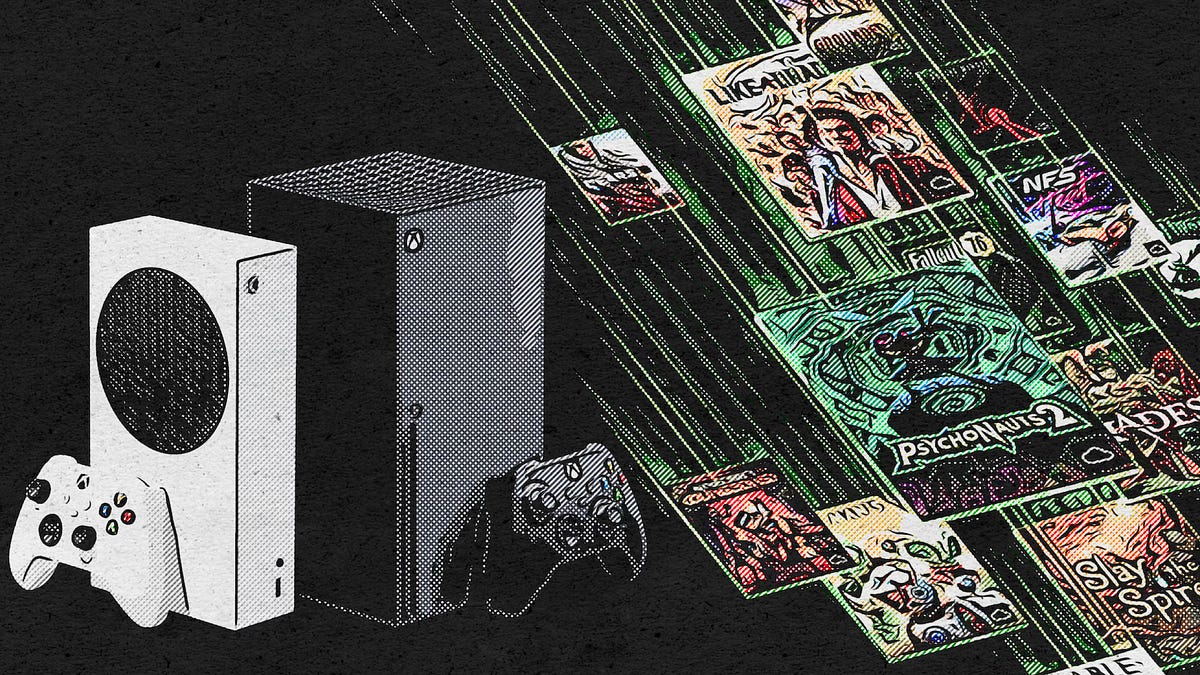
The gaming industry is experiencing a fundamental shift in unit economics as the era of cheap, abundant cloud computing comes to an end. Driven by the massive resource demands of artificial intelligence, hardware components and data center capacity have become increasingly scarce and expensive. This competition for infrastructure has forced platforms like Xbox to move away from unlimited cloud gaming models toward metered, capped services to maintain operational profitability.
The transition is marked by a departure from the traditional software-as-a-service model, where marginal costs were near zero. Real-time cloud workloads now incur significant expenses related to electricity, hardware depreciation, and compute time. With the cost of a single streaming hour estimated at approximately $0.45 against an average revenue of $0.22, cloud gaming services are currently operating at a net loss. This financial pressure is compounded by stagnant subscription growth, as evidenced by flat sign-up trends in the United States between August 2025 and July 2026, despite various pricing adjustments.
The industry’s response to these ballooning costs involves rationing access through usage caps and shifting toward alternative monetization strategies, such as in-game advertising. As high-fidelity titles like the upcoming Grand Theft Auto VI push the limits of local hardware, consumers are increasingly funneled toward cloud-based solutions that are simultaneously being prioritized for more lucrative AI applications. This trend suggests a broader industry realignment where the scarcity of compute resources will likely necessitate metered pricing across various digital entertainment sectors, effectively ending the long-standing assumption that cloud-based delivery would remain an inexpensive, scalable utility.
SuperJoost · 2026
SuperJoost · 2026
SuperJoost · 2026

SuperJoost · 2026
SuperJoost · 2026
SuperJoost · 2026
SuperJoost · 2026
SuperJoost · 2026
SuperJoost · 2026
SuperJoost · 2026
SuperJoost · 2026
SuperJoost · 2026
Room 8 Group · 2025
Newzoo · 2023

Sensor Tower · 2026
SocialPeta · 2026
GDC · 2026
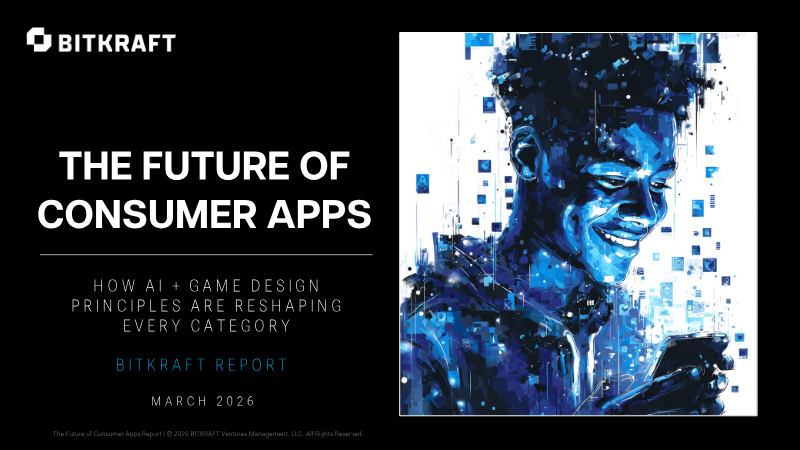
BITKRAFT Ventures · 2026
Raptive · 2026
InvestGame · 2026
InvestGame · 2026

SocialPeta · 2026
Adjust · 2026
SocialPeta · 2025