1 free read left. Create a free account for unlimited reading + AI research.
Create free account
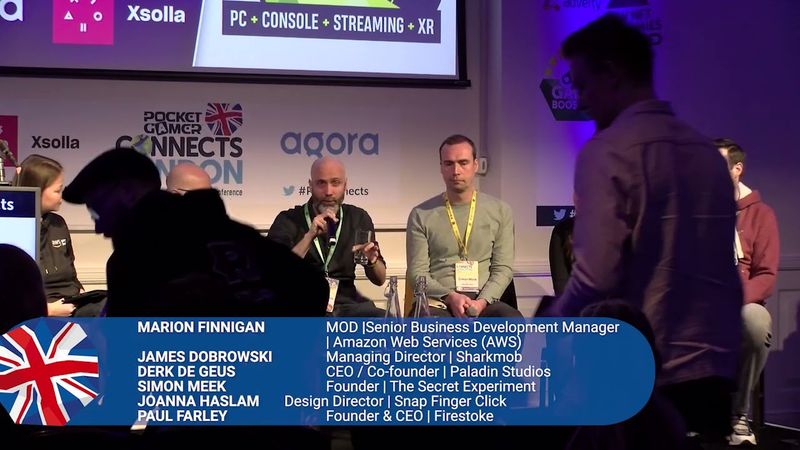
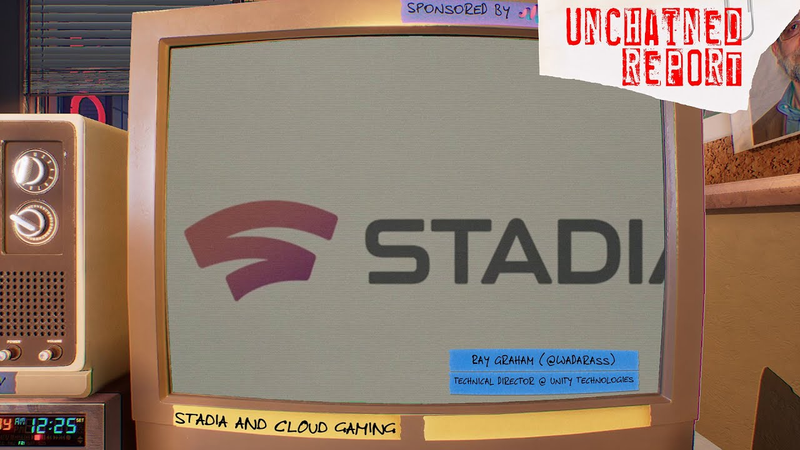
Panel: The End of Downloads: Will Cloud Gaming Conquer the World?
Key insights
6 takeaways- 01Cloud gaming shifts the industry from hardware-dependent local execution to a service-oriented model, eliminating barriers like download times, high entry costs, and hardware obsolescence.
- 02Game design is evolving away from traditional AAA-centric models toward episodic, social-first experiences optimized for immediate engagement within subscription-based ecosystems.
- 03The industry faces primary adoption hurdles related to global internet infrastructure reliability and consumer subscription fatigue.
- 04The technology aims to expand the total addressable market by targeting non-traditional and lapsed players who are currently deterred by the friction of physical or digital installations.
- 05Cloud infrastructure enables developers to utilize scalable server architectures, facilitating more innovative and interconnected gameplay that integrates directly with streaming platforms.
- 06Cloud gaming is viewed as an inevitable evolution mirroring the historical transitions of the music and film industries, ultimately reducing hardware waste and lowering barriers to entry for developers of all sizes.
Ask AI about this video
Transcript
[Music] [Music] cool yeah so we're going to launch into our next panel fairly soon um thank you all for attending thank you again to everyone that's watching online as well um very briefly of course you're encouraged to share what you're seeing here on social media we're using the hashtag pgconnects actually is when i introduce myself early in the morning it was a slightly quieter room um i'm your compare for the morning will freeman games journalists and writes four games and does things in games and is good at kind of awkward filling time as panels assemble on stage so um without a
bit bold of me to sound good at awkward filling time anyway they are all here i'm not going to steal the thunder of the moderator of the panel by introducing everyone so i will hand and you've all heard enough from me already so um marion finnegan amazon web services over to you and let's give them a warm round of applause to welcome do we have to make up for the last five minutes all right no i think we can let that slip over now right good well good good for us good for the panelia amazing right welcome everyone and thanks for having us my name is marion finnegan i'm senior business development manager for aws game tech and i have the absolute honour to host this panel today with me on stage i've got four amazing individuals um i'm going to let them introduce themselves in a minute and what we're going to be discussing is you know whether you know the downloads are
coming to an end and whether cloud gaming is conquering the world so um to kick this off i'd like to give as i said the panel the opportunity to introduce themselves and i'd like you guys to kind of not only state your name and the company but also say a little bit about you know um what you do what your company is doing and give our audience here a little bit of an idea of who you actually are yeah go on hello everyone i'm james dabrovsky i'm the managing director of a company called shark mob london uh we're a relatively new company about 18 months old looking to grow into a pretty large aaa studio over the next few years right now we're a team of about 50 people and we're heavily focused on aaa gaming and incredibly heavily focused on multiplayer and online gaming which makes cloud a very relevant topic to what we're doing at the moment i'm director huss from paladin studios based in the netherlands we create all kinds of games and most recently we launched cut the rope remastered on apple arcade so
super happy with apple arcade and subscriptions and that kind of stuff so it ties in quite nicely with the broader trend of cloud gaming subscriptions and all that kind of stuff and hello i'm simon meek i i'm a supposed independent games developer been around for 15 plus years and recently launched a new studio called stacking chairs and what's interesting about that and relevant for the panel i suppose is that it's it's creating third person video game experiences which are sort of which contain stories which are entirely aligned to the sort of audience opportunity which comes with um on-demand gaming hi everyone my name is joe haslam i've been in the games industry for about 14 years now my background is mostly in local multiplayer games but i'm now exploring how to kind of bring those online i work for a company called snap finger click we're an indie dev and we make games that can be played both in the living room but also online over
twitch with the twitch chat joining in awesome my name is paul farley i am ceo of firesilk we are an almost brand new indie games publisher our focus is pc and console games um in a prior life i also founded a live ops and analytics platform called chile connect so um come from mobile come from i'm very much a cloud-based technology platform background i'm now very excited in terms of the potentials for cloud gaming to impact indie games not just aaa awesome thank you very much wow we're off to a great start i'd say so i'm going to make the first question a really really easy one what is the definition what is your definition of cloud gaming whoever wants to go first so i i think it's i don't think it's particularly clear-cut because i have two definitions of cloud gaming depending on what perspective i'm looking at cloud gaming
from um from a developer perspective i often think of cloud gaming as those times in development where i'm using cloud as part of my hosting infrastructure and it's that's really interesting topic because there's a lot of cool things i think you can do when you're using cloud as part of your hosting infrastructure that you can't do using more traditional models then looking at it from a completely different perspective cloud consuming uh can be sorry cloud computing can be seen from the consumer perspective of technologies like stardia um where we are using cloud as a streaming service of content to our consumers so yeah i think there's two perspectives look at it and um i expect we're going to end up talking about both of them as we as we chat this morning i mean i think that's a that's a really interesting point because i think you know when i speak to like our players and consumers i think in their mind it's on live it's gaikai it's playstation now it's just idea know it is very much like cloud streaming but i think you know a big part of cloud gaming that doesn't really get talked about quite so much is um you know things like um i don't know where you're doing maybe your physics
computation on the cloud rather than actually on the client device and i think that's equally interesting as important as the streaming part yeah i was just going to say for me it's very simple it's just that you're playing a game that's not physically running on the device that you're using and it's a seamless experience that it doesn't matter what device you use you can access the same experience from it yeah i think i'm similarly aligned i think for when i think about cloud gaming i definitely think about the sort of on-demand nature of of gaming also that probably comes sound in hand with a more subscription model in terms of purchasing um and i think those two things uh i think cloud gaming brings about and we'll talk about this i'm sure at length um a sort of a change in audience maybe a new audience and maybe even a sort of jolt to the the lost audiences of disenfranchised and lapse gamers as well i agree with all of the above basically maybe adding one thing is that
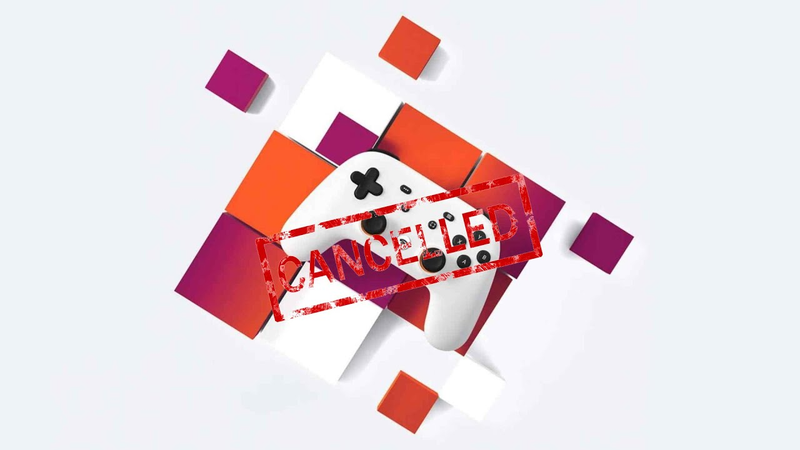
for me the big sort of underlying change is the the business model of subscriptions subscriptions instead of paying to own something you basically subscribe to it i think that is one aspect yeah no absolutely and i think uh i think the the the audience here probably would agree with all of the definitions that you've given but i think it's important for us to have that conversation because you know people talk to you about cloud gaming and then you realize midway conversation hold on a second you mean subscriptions and you actually mean the downloading part so good to have that out of the way we're going to be covering all of this in a in some shape or form um let's let's look a little bit at the market right rumors say that stadia is shifting away from gaming but at the same time nintendo is announcing their switch cloud gaming feature there is mixed messages out there and i'm just curious you know i think what we can agree on that cloud gaming isn't quite mainstream yet but i'd like to get your take on why that is
joanna yeah i'll take that one i think that it's been interesting to see that a lot of the you know stadia came along for example really focused on aaa and i thought that was interesting in the sense that a lot of aaa gamers are already got their own setup they're already used to playing games in specific ways so it's quite a hard market to target because you're convincing them to leave behind what they're used to and sign up to this new system and it's the amazing thing about cloud gaming is the experience that you can get on it without having the hardware and i think that's such a big selling point of it that hasn't quite come through to the mainstream yet because whenever i show cloud gaming to you know my non-gamer friends and family they're just completely blown away that they can access this aaa experience just in a browser it's really mind-blowing to them so i really feel like it's not quite there yet and there's obviously some barriers but once we get to a point where we can target that mainstream audience and maybe with games that are a bit more accessible to them so if you look at you remember how the
wii became this thing that invaded everybody's living rooms we can reach that audience we've done it before and we kind of need to do it again and i think we need to focus on games more indie games more accessible games more local multiplayer games those kind of things that will bring in that bigger audience and show them what they're missing out on basically yeah yeah absolutely simon yeah sort of agree i mean it's interesting to ask whether actually there is a an audience demand at the moment in the same ways was there an audience demand when we shifted to on demand in music or on-demand and film because like the content's there and but but what's quite interesting is the the opportunity that happens after the shift and i think you know so i think that's probably why it's not mass market because we need to make it happen rather than it be in sort of a you know us demanding to a screaming audience demand in the first instance yeah i mean i think that's a really key point it's almost kind of trying to solve a problem that doesn't really quite exist at the moment and i think you know anecdotally from my own personal experience as a gamer as a consumer the only time i've really
needed like streaming cloud gaming was playing microsoft fights him you know and i live quite rurally so i don't have a brilliant you know internet connection and i literally have to download that game overnight and pretty much every time i sit down to play microsoft why slim i need to do a new update and it takes three or four hours and by the time it's updated i've kind of moved on i'm doing something else right and i think that accessibility is is probably one of the kind of major things that clive gaming certainly the streaming part of it brings to the table at that point if i had an option to play via stream i would have done it instantly press that button i'm in um so i think that's the only point of which there's a real friction at the moment for me personally as a gamer um i think you know the points everyone else has made around the fact that our consumers are bought in i mean they paid 500 pounds for a console which sits underneath their tv screen um you know i'm now of a generation of gamers that remembers buying games on dvds and blu-rays and having physical hardware we've moved to digital downloads that's a major step it's only happened the last 10 years and now we're moving away from downloads towards on demand and streaming these are major steps and i think also
yeah the consumers are you know our audience our players aren't there yet um and i don't think we've given them a compelling proposition yet okay um i do think one of the issues is previous um offerings has been that in many ways content is king as was mentioned i think there was probably quite a lot of skepticism in the market about subscription services for gaming in general and then game pass came along with its full microsoft back catalogue dating back to centuries ago um which and it was a very attractive consumer proposition you're not paying 40 pounds a game you're paying 12 pounds a month and you get everything um i think stadia didn't have enough content to be successful um and i think as we've been saying there was there were a number of various ventures you still needed a device you need the reliable internet connection and i think for anybody who lives in london knows we don't still have a particularly reliable internet connection in the uk but i think once those um barrier to entries are dropped and there's no reason why they can't be over the next few years um
we will see success but it will in my opinion come from somebody who has enough of a back catalogue of ready accessible content that they can put an offering out there that makes people sit up and take notice and before we know it just like we're with netflix and prime we'll be in there using it and it'll be a mainstream thing well you guys are actually already running away with the whole panel because my next question would have been you know what kind of possibilities and opportunities opportunities do we see with cloud gaming coming up but i think there were a few things that we touched on when we had this conversation before sorry to say this is a spoiler so but derek you talked about you know visibility for indies and i think joanna we had a little bit of conversation about twitch and stuff so i'd like you guys to elaborate a little bit on this yeah so so um this this ties in mostly to the subscription model but i think the the opportunity there for independent developers is that these platforms will need content so that that's a huge opportunity for any content creator creating high quality premium games to really just
do do that and keep doing it and my hope is that uh it's not going to be just one or two platforms that have this this huge catalog they will be there that's the mainstream but also i hope that there will be a number of niche platforms that have a very specific type subset of content that they cater to if you can then create content that fits that audience then i think there's a lot of room for niche games and really targeted uh yeah uh content basically yeah this is a huge opportunity yeah totally joanna you doing stuff with with twitch specifically what's what do you what opportunities do you see for the for for cloud gaming well the interesting thing about twitch is that it's it's a real mixture of media because you've got people just passively consuming you've got people engaging just through chatting and then what we do at southern click is we've got interactive games so people can actually join in and play
them and what we've noticed about twitch is that it because you there is there are limitations to it you can't do you know you can't do like a first-person shooter and have the viewers join in in a kind of meaningful way but when you're doing a more social experience like what we do it's mixing it's kind of taking what twitch already does well which is socializing and the pacing is a bit slower and the viewers can actually join in feeling like full players and it's pretty incredible because you can just do that from your mobile phone you don't even need any special equipment you can just bring up the twitch app on your phone just type in a couple of things into the chat and you're playing the game you don't need a console you don't even need to own the game you're not even paying for it really um it's a really interesting way to actually put gaming out there and and then you've got the opportunity to start mixing and matching with other media and i think once you start bringing these streaming apps to people's televisions for example you already see what netflix are doing with their kind of interactive tv we can start to pull in different things that we like from different media and and do gaming
in a completely different way there's there's just a huge opportunity there when you can run it on a device that does multiple things yeah absolutely i think i think the twitch connection or or the idea of watching and playing games simultaneously is really really interesting in a cloud world because you say joe right now there's no way of watching a first person shooter and then jumping in but i don't think the technology prohibits it and i can very much see a future where you are watching your favorite streamer playing something and you can then click a button you get invited in the browser pops up just like it does with netflix and you are immediately streamed into that same session as the person that you are watching um and i actually think i think we'll talk about a little bit later on but cloud gaming opens up a lot of creative opportunities that we're not really exploring very much as a games industry at the moment there are a few companies that are starting to scratch the surface of it but i think there's tons we could be doing in the future a lot of which we
can't even quite comprehend just yet because a lot of the barriers between the various ways we interact with content is disappearing yeah i totally agree and like there are already things being done particularly on twitch they're bringing out extensions so you can you can start to do more in the ways that you interact with the games we saw mixer tried to do similar things but obviously mixer just didn't have the audience but that's definitely this is where we're going and you can see that i think the industry obviously need to embrace twitch more definitely and then things similar to it so that we can see more innovation yeah i would agree i think from an indie perspective as well one of the reasons why i'm back in indie gaming is this is so much creativity and innovation in that space and i don't think that you know integration of cloud gaming necessarily needs to exclude small studios so our first studio that we've signed is a micro studio it's one person and he's working on some twitch integration so you know this barrier between i think before we had you you have interactivity and passive entertainment either watch it or you're playing interactive that's going to start to blend a little bit so in this
first game um it's really interesting that you can watch the game being played on twitch but you can start to drop things into the environment and start to um change things in real time which is really fun it's a little bit like formula e uh where you know the kind of this blend between you know the physical and the digital is starting to occur so yeah i think there's great opportunities for innovation in the space simon with you specifically so um because i wanna i wanna just change gears slightly um we i wanna chat about a little bit about how do we actually prepare for cloud gaming you know as a as developers and publishers and um in your opinion when's the right time to actually go into cloud gaming okay so i'll answer that question slightly about the front and and and the way around because i think what's just initially what's quite interesting is when we talk about the conversations of about cloud gaming's been about super serving the existing gamer market and i think the games industry and that's part of the issue i think why cloud gaming's a little bit stalled
because you see the gaming market feels like it has access to the games at once and i think what's quite interesting about cloud gaming is it actually starts to break down barriers to entrances where we might actually have to open up the market and particularly if we use like netflix as like as an example so you know if if a game can exist on netflix platform and it's on demand it's part of your subscription anyway people will be much more willing to give something a shot whether they're a gamer or not and i think what's interesting about that or in the developer opportunity is we need to start thinking about the audience again and maybe under a slightly different light because you know the growth market i mean games games is a you know gamers play games in the growth market to bring in new gamers i would say is is a little bit limited the the the growth market to bring in people who are maybe into say narrative for instance and they're seeing this this is a way to sort of you know i don't know explore a new form of narrative storytelling with new sort of rules of engagement is actually really really interesting and i think that is where as a developer if we want to take that opportunity we need to go okay so we can break down the barriers to
accessibility accessing the content but we also need to think about like accessibility of the experience you know these people aren't necessarily who are like 16 button sort of you know players and what a hardcore experience we've also need to think about the type of content we're serving up and you know i think you know the games industry has a as a really good pedigree and creating like young adult style fiction but as yet i haven't seen the clockwork orange i haven't seen richard lincoln's slacker or any of these sort of things which i think oh if you're aiming for the wider audience we need to sort of get a bit more savvy in terms of the content we're creating as well and so yes in terms of but i think ultimate if you want to go for this i think the developers need to be making that shift now because actually not not only does it take at least 18 months to get the game out there but i think just you need to be thinking we need as a developer who is sort of you know has a business plan you need to think well where where am i in five years and so i think like if we feel cloud gaming is an inevitability in five years and the market opportunity is exciting it's like
we have to be doing it now yeah now totally agree and do you believe that you know cloud gaming is going to be its own ecosystem or are we going to kind of integrate it into what we already have you know and following from this you know do you think it is sustainable and for a company impossible for a company to actually have a foot in both worlds the really interesting thing about cloud gaming if we think about subscription is actually the revenue model changes quite a bit as well i mean i used to be in television and film 10 15 years back and obviously in that market you work very much on the sort of the notion of the commission and the commission pays for your game and some and i think like you know that's and then what you do is you hold down your residual ip to try and exp make money off of other aspects so i think there's something we've got to we've got to decide whether we want to bite that bullet as a developer do you want the do you want the lovely sort of um risk reward of multiple people buying your game and then you're getting more money because of it or are you happy to be more creator-led in the approach because you want the money to make the best thing you can do and sustain your
business the in the long run so i think in terms of ecosystem it'll be both because i think like you know some stuff which is very gamer focused probably needs to exist in those very gamer platforms if we're looking for that wider audience opportunity i think we have to accept that's going to be a more merged ecosystem with the big media entertainment platforms yeah i always call it the chicken and egg situation with with cloud gaming you know content isn't there but then the platform isn't there and then what's what's going to come first right i think we had this conversation around you know that the audience is potentially kind of a change of which kind of audience we're addressing is actually changing all of this so that kind of gets me to the last part of the last question of this part of the conversations like what's your expectations on on cloud gaming when it's finally here you know in terms of audiences and well i i think my expectation it's going to grow the games market massively i think it's going to widen um oh yeah i think the size of the audience is going to continue to grow and with that the diversity of the audience is going to grow as well so we talked a little bit about in niche gaming and the opportunity to make games
that may not be commercially viable today could be commercially viable either in a subscription model or just because the market has grown and there's demand for the different types of content so for me i'm looking to to see how cloud gaming can help us to open up let's say you know the african market um you know pakistan india you have markets where there's this just you know it's just untapped from a gaming perspective at this point of view at this time and so you when you take away the need to spend you know four or five hundred pounds on our piece of hardware to sit underneath the television set and move it either to a mobile device or to a thin client with a screen which could be in a car it could be a tablet or it could be anything it could be on your fridge then all of a sudden you then opened your market incredibly so i think that's that's that's for me is one of the things that i think your cloud gaming is gonna take gaming to the next level i mean it's already the number one entertainment medium in the world i mean we're just way bigger than hollywood way bigger than music this is going to take us to the next level i think we'll see probably in the next 10 years the vast
majority of the world's population will gain in some form or another so i guess fridge gaming is the next thing right you can eat and game at the same time i mean well it's not like that's great [Laughter] i see a huge opportunity because the the friction of trying a new game is just gone in an ideal world where you have your subscription set up you can just you know click a single button or push a single button and you're in a new game you don't even have to download it you don't have to install the updates you don't have to pay for it it's just there you can spend you know 10 minutes of your time trying it i think this is a huge opportunity for any developer that creates games that are maybe not maybe it's not something you would that players would pay 20 for right or that they would spend like half an hour downloading or installing updates or whatever but yeah 10 minutes trying it that's that's where the opportunity is so just
create that juicy content and i think that will massively open up a bigger market uh for sure well there's an interesting thing on there as well like on demand like any on-demand media lives or dies by its first 10-20 minutes but what's quite interesting is traditionally games have used the first 10 20 minutes as a tutorial which is probably the least interesting thing so actually again i think like what people don't realize is the impact on the content is is huge um because you're right people are just like no i'll try something else yeah i mean i think you we can we can look at what's happened in the television industry because you take something like microsoft game pass it's a small step to say you stream that content and then a small step to say they break away from the console and you just get it on your television at home and you're right it is completely going to change the way we have to think about content because right now if i buy a game for 50 quid there's a barrier to entry that can move that's i'm committed and and i'm not going to buy a thousand games in a month um but if i have access to everything
and i can jump at any time i think yeah we have to capture imaginations within the first few minutes we i expect we'll see more episodic content or drop drip fed content because people will be more jumping all over the place so you need to get kind of those messages across in kind of bite-sized pieces um so it's going to be fascinating i think we will see a very big shift in how we create and deliver content to players yeah i agree with everything that said i think there's also a lot of design challenges that need to be overcome as well because we're talking about cloud gaming where you can access it on any device your phone your fridge um but how do you design a game that will work on all of those platforms seamlessly that's a big question and people are already trying to solve it but it's still it's still something that isn't there yet the other thing is the game controller i find this an interesting thing to consider because if you've got an app on your television and you're you're kind of trying to lure people in if you still need to go out and buy a controller that's a problem so are we going to start to see more content that doesn't need a controller how's that
going to work is i can use your phone your television remote i mean we haven't got that yet we don't know but i think these are really important questions that are going to have to be answered and there needs to be a kind of standard i don't think control is going to go anywhere but i think they're going to become something that you do when you're more into gaming but i think in cloud gaming itself is going to sort of turn everyone into gamers we won't call people gamers anymore it'll be it's saturday night are we going to watch a movie watch a tv show are we going to play a game you're not going to get a gamer that gamer label i think will start to fall away everybody will be into gaming in some fashion so it's one of the conversations i keep having with people when they say i'm not a gamer and i said well do you play candy candy crush or something yes well then you are actually a gamer i think the whole kind of labeling thing has got very much to do with the audience that we're going to tap into and their own awareness about how much they're actually a gamer and how much they're not right so um we are actually slightly over time because i wanted to go a little bit into specifically around joanna and james because you are already
developing for cloud so i want to give us a few minutes to talk about this because i think this is really really interesting and also kind of for the audience to hear okay so there is already developers out there who do that and if someone's interested to actually start preparing for cloud gaming what can they do so james why don't you kind of tell us a little bit about there's a project out there now you can't talk much about it but you are already developing for cloud so what's what does that look like and what kind of tip can you give for people that you know are interested in it yeah so um when i say we're developing for cloud right now we're not developing for a streaming service or a kind of a study setup we are building very large online games that require cloud to be part of our infrastructure and we're interested in that for two reasons there's a kind of more mundane reason but it's it's an incredibly valuable one which is we want to make sure that when we launch our game uh we launch it in the right way um i think anybody who's familiar with online gaming will have seen the challenges when a company under provisions it
serves on launch and you're stuck in queues i think lost arc is currently seeing like 12-hour cues with its popularity or you're overprovisioning your servers you don't get enough players and you've spent a boatload of money that you're not recouping and you're in a terrible place which is why companies tend to unpre under provision their servers if you have a game where you can expect your players to go up and down the parts of the world your game world in which players are spending their time will go up and down the density of players will change the intensity of the interactions will change then cloud offers the ability to scale up and down as needed so you're giving your players what they need at the most in the most cost-effective way so that's something that's massively interesting to us and we're right in the very early stage of prototyping a new game at the moment we're going to be working this for a number of years but we're building we're prototyping with the cloud because we want to make sure that everything we think about is using it in the right way from day one the other thing that i find really interesting is going back to the top we were talking about earlier which is how can we unlock new creative ideas when we're using cloud technology and in the aaa space that we're working
in now we think a lot about how can we offload as much of the computational work from the client to the server to the cloud as we possibly can particularly in a multiplayer environment where you can solve a very complex problem once for potentially hundreds of players that are experiencing that event at any one time so physics artificial intelligence wide scale simulation when you can break your computation away from that client under your desk it opens the doors to allowing a ton of new possibilities and as i'm saying i think we're just scratching the surface of that stuff as an industry and i think we as a company are very much scratching the surface so it's it's something that i think it's going to be a long journey for us to work out what we can do but i think we'll unlock some interesting things as we continue investigating prototyping over the next few years well that's all music to my ears as you probably can imagine okay so before i give the audience the chance to actually ask some questions i've got one last question for the panel here uh and i mean it goes back to basically the title of of of our panel
session here right um do we believe that cloud gaming will conquer the world and what are you most excited about when it comes to the future of it um okay so there's a slight tangent i mean i think one thing that i really like about the potential for clyde gaming is it's better for the environment right right now we produce like tens of millions of boxes you know full of chips which sit under a television screen um and they're not utilized for most of their lifetime you may be turned on for a couple of hours a day um i think you when we move away from that model to thin clients you know most screens have got some you know processing power in them um and i'm pushing that to the cloud it means it's far more efficient so i think that's a really positive thing that um yeah is probably a bit of a byproduct from the move um it's kind um but i think ultimately the the growth of the market's great i think there are some concerns you know particularly i think within um your indie development and indeed publishing discoverability will remain a major challenge for anyone that goes to netflix on saturday night what do i watch the algorithms there
it's gonna basically provide you with stuff that you've already into how do you discover new content and you're interesting your creative content is coming from smaller providers we're going to move from the likes of nintendo sony from being hardware manufacturers to being basically your distribution platforms and that's possibly good but also there's a bit of potential risk as well but i think if we overcome that um clay game is generally a positive thing for the industry yeah yeah i think it's just going to improve the gaming experience so much in general because it feels like the technological advances we've made on games currently is not keeping up with our technology i installed a triple a game last week it was about a day before i could actually play it i had to download it that took hours then there was an update that took another half an hour then when i finally got it booted up it didn't have one of the actual modes installed uh by default i had to download that and i was thinking how is this my experience and i've worked in mobile and the importance of retaining people and not
giving them any sort of steps to overcome and it was just how can this be my experience in 2022 i don't understand and when we can break free from all these technical barriers waiting seven years for a new console to come out and we can just continually improve all the time constantly every single month that goes past we're just going to get such a better experience and it's just going to keep growing i think the sky's the limit there is just nothing we can't overcome yeah not totally and it's also about all of the relapsed gamers where you say um the downloading and the time that it costs i mean you know once you get into a certain age you know you've got responsibilities you can't really spend that much time on gaming anymore so you start kind of oh i want to play this game you spent the first day actually downloading it and by the time by the time you actually have the next the next session that you can actually play you realize an update is required okay so um simon your dig yeah i i think it's a it is an inevitability i think
the really interesting the idea of the lapse gamer you know the people who were sort of gaining contingent in the 80s and 90s and you know in the millions at the time now aren't the ones with the buying the playstations but do have the inside the the want in the will so if we give them the opportunity to become gamers again i think there's a sleeping giant the other thing which i think will be incredible is um at the point that we have on demand gaming sort of suggests that my wi-fi will be good enough that when my kids come home from school all of my all my internet all my meetings don't just break down into stutters so uh yeah both of those things yeah internet did definitely not keep up with uh with the pandemic that um well subscriptions are here to stay i think that's just a given and i think it's a huge opportunity and streaming yeah definitely uh a i see it as another distribution channel or another way to play is it going to take over the world and like replace everything else not
in the near future i guess but it doesn't have to right it's totally fine to let these things sit side by side and i think also that that having these additional channels available these additional business models ways of playing for players this is just all a really really good thing for the industry yeah well on the subscription side though i'm always thinking you know i'm already overwhelmed with what we've got from a tv and movie perspective we've got netflix we've got amazon prime we've got hulu we've got disney plus you know all of these subscriptions also cost money you know i mean my husband actually questioned me the other day you know how much do we spend on yeah you don't want to know and this is like the subscription fatigue is the thing decision making fatigue is a thing if i open up netflix i'm just for 15 minutes i just browse and then i just close it i'm like and we don't want that for games right that's something that we really need to be careful for um but it's it's um
i think it's one of the driving forces actually in the consolidation search that we're seeing these days and what i what i hope is that it's going to be a a number of mainstream subscriptions that you can just you know play most games like 80 of the the the total uh collection of games out there will be available on it and then yeah you can pick and choose some niche platforms and subscriptions that suit your taste yeah i think that would be a good way to move forward awesome i'm an idealist so maybe i don't know we all like it no i completely agree i think we will i think again you look at the television industry and you have your netflix and your prime but then you have your kind of little smaller um streaming services that focus on horror or anime and they they they do very well within their their niche side i completely agree i i do think cloud gaming is an inevitability i think it lowers the barrier to entry which is always a good thing for business
i think it will bring more people in i think it's a smart way of hosting any online game and the games industry is increasingly coming online socially driven community driven so i can't see many reasons why it isn't happening other than technology barriers which we we always overcome over time eventually right so this is this is actually i'm gonna i'm gonna stop my questions here so either we got the chance of saying we've made up for it or we actually give the audience the chance to are we allowed to yeah let's do it right there in the audience and you guys have answered it um i'll just do what you say you can pick people now well well the question to the audience as in do you have any questions for our panelists we'd love to hear them i'm sorry i couldn't sorry because go on go on thank you my name is lydia um one thing
i wanted to ask you about is we talked about cloud gaming really overtaking the market but not really the about the service providers so if i am a dev looking for that kind of solution it's quite opaque there's a lot of actors can you tell us a bit more about this have you got the question on for specific panelists how i don't know how do you guys would approach you know if you're developing for cloud you need the cloud provider now how do you approach this i'm not sure i understand i think i'm struggling a little bit with the beginning of the question i don't really can you repeat this sorry guys uh so my question is if you want to develop your games on the cloud and it's taking over how do you approach getting a cloud provider because as a developer i find it quite difficult there's a lot of choice i don't really know are there things that you pay attention to for instance when you're looking to your hosting are you thinking more when talking about cloud you're thinking more from a from a kind of streaming service back so like a google microsoft or a sony as opposed to an aws or a google hoster uh yeah like the letter
yeah so um if it's if you're looking for a platform holder let's say you want to what game pass could be in the future if it or if it becomes a streaming service or sony or yeah stardew with with google i think the the the way of kind of getting on those platforms is still the same way as it has been for the past couple of decades getting onto a console it's about getting yourself in front of the decision makers the the account managers at microsoft sony google pitching your game having a conversation with them negotiating a business deal i usually find that those people are hanging around almost every conference probably some might be in this room but my usual way is just getting to know them at conferences poking them on linkedin beforehand getting meetings with them sitting down chatting with them getting to know them over a long period of time i think the longer in the industry you'll just get to know the right faces and then and then kind of go down traditional route of having a chat about what's the business model that works
well for both of you well that's that wasn't your question right i think it was actually more about the cloud back-end okay so for me so we've also done a cloud uh several you know games with back-end and we tried several things the the key question is not so much about how much does it cost but it's more about how how much do you want to build yourself versus how much out-of-the-box services do you want to use so i think that is something you need to evaluate and you know if you have back-end developers it i think it pays off to build a custom solution for yourself and just work with a generic cloud provider that can do the hosting if you don't have that or you're just getting started then you could consider some of the services are that are out there that just provide sort of ready-to-go out-of-the-box uh toolkits for for games so that would be sort of a self-assessment just keep talking to everybody uh that that provides shameless plug here right aws is
upstairs so just we've got uh we've got a few really amazing people up there who would be absolutely happy to just help and explore right no strings attached i mean there's combinations to make as well so you know you don't have to do everything in one thing and yeah so yeah i mean i think having come from that space what's been really interesting the last five years is just the number of new solutions now available i think you've got obviously unity unreal looking at the main engines they've got their own sort of game back-end services offerings now as well there's loads of third parties now so whether it's in your live ops your photon have been around for gosh in 20 years doing multiplayer there's just so many choices so even if you're a single developer making a game yourself you don't have back end experience again you're one of the games that we've signed is a micro studio two people no online multiplayer experience previously they're making an online multiplayer game no problems they've integrated photo in two months they'll use aws as or it doesn't you know really matter
there are loads of choices so i think you know there's there's really no excuses to adopt that technology now it's there available and it's cost effective as well cheers thank you brilliant and we better i've been told we better make that the last one for the time keeping so sorry i saw the hand shoot up there maybe you could grab some of them at the end but yeah um thank you so much marion thank you for the hosting thanks to the panelists thanks to the audience [Applause] [Music] [Music] you
Summary
Cloud gaming represents a fundamental shift in the industry, transitioning from hardware-dependent local execution to a service-oriented model that prioritizes device-agnostic, on-demand access. By offloading complex computation to remote servers, this technology aims to eliminate traditional barriers such as lengthy download times, high entry costs for consoles or PCs, and hardware obsolescence. This evolution is positioned as a necessary step to expand the global gaming market, specifically targeting non-traditional and lapsed players who are currently deterred by the friction of physical or digital installations.
The transition toward cloud-based infrastructure necessitates a transformation in game design and business strategy. Developers are increasingly moving away from traditional AAA-centric models toward episodic, social-first experiences that leverage immediate engagement to thrive within subscription-based ecosystems. This shift also allows studios to utilize scalable server architectures, enabling more innovative, interconnected gameplay that integrates directly with streaming platforms. While the industry currently faces challenges regarding internet infrastructure reliability and consumer subscription fatigue, the long-term outlook remains focused on creating a more accessible, sustainable, and inclusive gaming landscape.
Ultimately, cloud gaming is viewed as an inevitable progression that mirrors the historical shifts seen in the music and film industries. Although studios must navigate the technical complexities of choosing between custom backends and standardized toolkits, the current market provides increasingly accessible resources for developers of all sizes. By lowering the barrier to entry and reducing hardware waste, cloud technology serves as a powerful catalyst for growth, promising to redefine how content is discovered, consumed, and monetized on a global scale.












Comments