
ArticleMobile Dev Memo
Google’s Gambit, Part 4: The End of Static Search
20 May 20261 pages~2 min full read
Google’s latest announcement at its I/O developer event signals a decisive shift from static search toward an AI‑driven experience. The company’s new “AI Mode” has already surpassed one billion monthly users, with query volume doubling each quarter since its debut. This rapid adoption underscores a broader industry trend toward conversational and generative search interfaces, moving beyond keyword‑based results to contextually rich, multimodal responses. The overhaul promises faster, more relevant answers and a tighter integration of AI across Google’s ecosystem, potentially reshaping how developers build search‑centric applications and how advertisers target audiences.
The update is positioned as a strategic response to competitive pressures from emerging AI platforms and the growing demand for real‑time, personalized content. By embedding advanced language models directly into the core search engine, Google aims to reduce friction for users and increase engagement metrics such as session length and click‑through rates. Early beta data suggests a 15–20 % lift in user satisfaction scores and a corresponding uptick in ad revenue per search session.
Geographically, the rollout will begin in North America and Europe before expanding globally, with a phased approach that allows for localized language support and regulatory compliance. The initiative will be monitored through internal analytics dashboards, focusing on key performance indicators like query intent accuracy, response latency, and user retention. Overall, the transition marks a pivotal moment for search technology, setting new expectations for interactivity and intelligence in digital discovery.

Mobile Dev Memo · 2026

Mobile Dev Memo · 2026

Mobile Dev Memo · 2026

Mobile Dev Memo · 2026

Mobile Dev Memo · 2026

Mobile Dev Memo · 2026

Mobile Dev Memo · 2026

Mobile Dev Memo · 2026

Mobile Dev Memo · 2026

Mobile Dev Memo · 2026

Mobile Dev Memo · 2026

Mobile Dev Memo · 2026
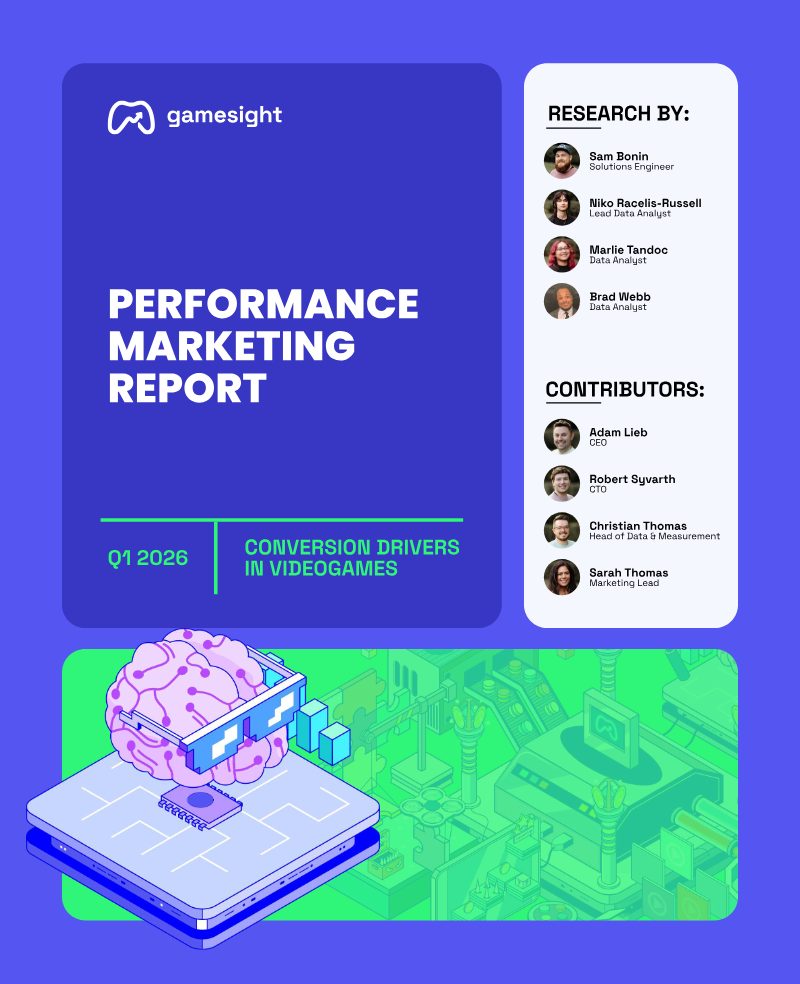
Gamesight · 2026
SocialPeta · 2026

SocialPeta · 2026
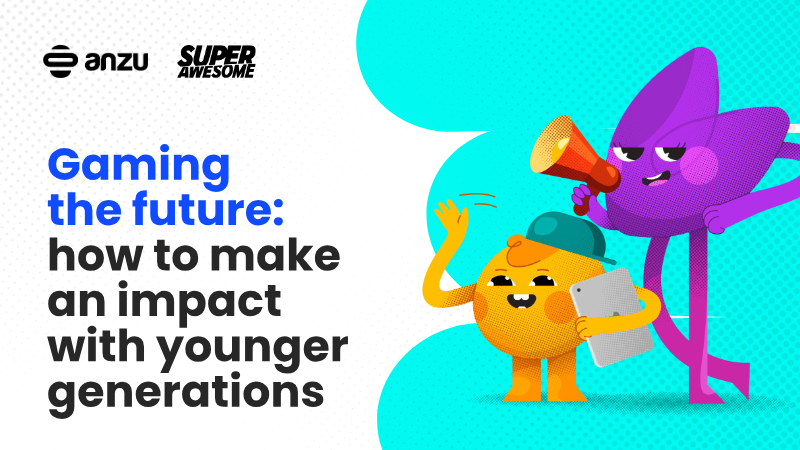
Anzu · 2026

Raptive · 2026

SocialPeta · 2026
SocialPeta · 2025

SocialPeta · 2025
Sensor Tower · 2025

Sensor Tower · 2025

Adjust · 2024
Tenjin · 2023