Tekken
Game
Documents about Tekken
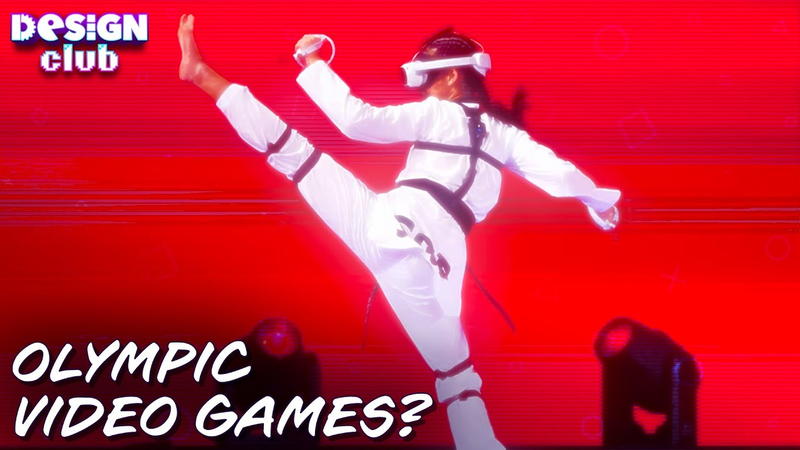
Which Games Should Be Olympic Esports? | Design Club
The integration of esports into the Olympic framework requires a strategic shift away from digital simulations of traditional physical sports toward titles that offer unique, high-skill competitive structures.
- Olympic esports should prioritize games with automated, objective scoring systems to eliminate the need for subjective human judging.
- Future selection criteria must favor titles that balance high technical skill ceilings with spectator accessibility, avoiding games that rely on excessive complexity or rote memorization.
- Rocket League, League of Legends, Counter-Strike, and Tekken are identified as ideal candidates due to their clear rulesets and established professional ecosystems.

An oral history of how PlayStation 1 conquered Europe
The PlayStation 1 achieved dominance in the European market during the mid-1990s by fundamentally repositioning video games as a sophisticated lifestyle product rather than a niche hobby for children.
- By mid-1996, the PlayStation 1 achieved an 8-to-1 sales lead over its primary competitors in the United Kingdom.
- Sony successfully repositioned video games from a niche children's hobby to a sophisticated lifestyle product targeting the 15-to-30-year-old demographic.
- The company utilized a decentralized operational model that empowered regional teams to execute 'global localization' strategies tailored to specific European markets.
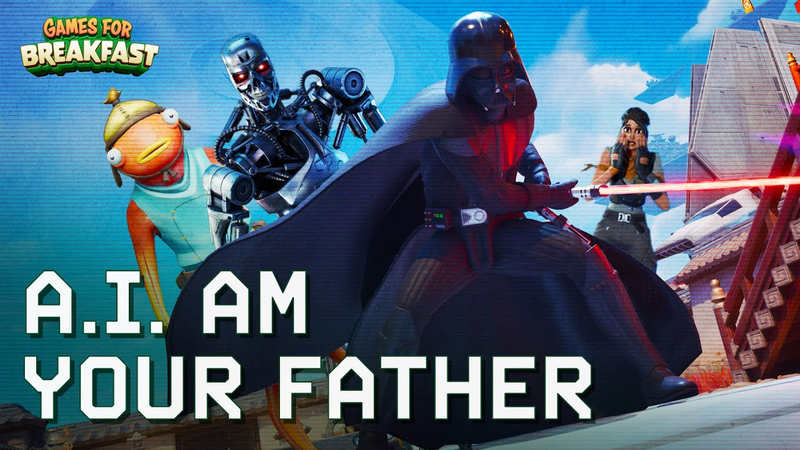
Fortnite Fumbles Darth Vader, Nic Cage as Madden & HBO drops MAX | Gaming News | Games For Breakfast
The gaming industry is currently navigating a period of significant transition, characterized by a tension between aggressive monetization strategies and the need for authentic creative integrity.
- The gaming industry is facing a critical tension between aggressive monetization and creative integrity, exemplified by premium pricing models in high-profile crossovers like Magic: The Gathering and Final Fantasy.
- The premature implementation of generative AI for voice acting in Fortnite has created significant reputational risks, highlighting that novelty cannot replace the immersion provided by professional human performance.
- Labor standards are shifting as workers at companies like Blizzard (Overwatch 2) and VFX departments successfully unionize, signaling a move toward improved labor relations despite ongoing industry-wide monetization pressures.
Disney x Fortnite / Heroes of Mavia Launch / WB Live Service Stumbles
The gaming industry is currently undergoing a structural transformation characterized by a move away from traditional standalone development toward interconnected digital ecosystems and community-driven engagement.
- Disney is investing $1.5 billion into Epic Games to integrate its intellectual property into Fortnite, shifting away from internal development to leverage an existing, persistent cross-platform ecosystem.
- The gaming industry is moving toward interconnected digital ecosystems, prioritizing organic player retention and high-quality gameplay over aggressive, top-down monetization strategies.
- Forced live-service mechanics are alienating core audiences, as evidenced by the poor reception of Warner Bros. titles like Suicide Squad: Kill the Justice League and Mortal Kombat 1.
Baldur's Gate 3 Launch / Playtika Earnings / Dota 2 Arcade Shutdown
The gaming industry is currently defined by a stark contrast between the resurgence of high-fidelity, complex RPG experiences and the stagnation of established mobile sectors.
- Baldur’s Gate 3 has demonstrated significant commercial success for high-fidelity, complex RPGs, signaling a strong market appetite for deep, faithful adaptations of established mechanics like Dungeons & Dragons.
- The social casino sector, including firms like Playtika and PlayStudios, is experiencing structural decline characterized by stagnant user growth and rising customer acquisition costs in a privacy-focused market.
- Social casino companies are being forced to pivot toward consolidation and direct-to-consumer platforms as traditional monetization models reliant on high-spending users fail to sustain valuations.
Embracer’s Deal Collapse / Take-Two & Ubisoft Earnings / Mortal Kombat 1
The global gaming industry is currently navigating a period of significant structural realignment, characterized by the failure of aggressive acquisition-led growth strategies and a pivot toward rigorous capital discipline.
- Embracer Group’s failed $2 billion partnership deal and debt-fueled strategy have triggered a 45% decline in its stock price and a 30% reduction in earnings guidance.
- Major publishers are pivoting from aggressive acquisition-led growth to capital discipline, with Take-Two Interactive pruning its development pipeline to prioritize high-impact releases like the next Grand Theft Auto title in fiscal 2025.
- The fighting game genre, led by Mortal Kombat 1, Street Fighter 6, and Tekken 8, is shifting toward live-service monetization models that utilize $70 price points, recurring DLC, and cross-IP collaborations.

How Tekken Card Tournament uses augmented reality physical cards
Tekken Card Tournament integrates physical collectible cards with augmented reality technology to bridge the gap between traditional tabletop gaming and digital mobile play.
- Tekken Card Tournament bridges physical and digital gaming by using QR-style codes on collectible cards to import characters and stats into iOS, Android, and PC platforms.
- The game utilizes augmented reality to project 3D character models onto real-world surfaces, allowing players to visualize their physical deck collection in a digital environment.
- Players can use the AR functionality to capture and share photographs of digital character overlays placed on real-world objects or environments.