Squad
GameBy Offworld
Documents about Squad

Squad Busters is Pay to Win: True or False? LEAKED Global Launch strategy. Big game review! (#107)
Squad Busters represents a strategic pivot for Supercell, moving toward a live-ops-heavy model that leverages the company’s existing intellectual property to drive massive global scale.
- Squad Busters is scheduled for a global launch on May 29, following a soft launch period that utilized cross-game promotional rewards in titles like Clash Royale to drive nearly 5 million pre-registrations in three days.
- The game incorporates pay-to-win mechanics through consumable 'mega units' with high health stats (e.g., 11,000 HP) and a gacha-based chest system where players can spend currency to maintain win streaks and increase reward quality.
- The core gameplay loop prioritizes farming and survival to maintain win streaks, as the difference in rewards between first and second place is negligible compared to the benefits of staying in the top five.

Supercell's Floodrush: First look! UA, Admon & game design review & Squad Busters comparison (#68)
Floodrush represents a strategic pivot for Supercell, functioning as a PVP-focused battle royale that emphasizes aggressive engagement through a sinking island mechanic.
- Floodrush is a PVP-focused battle royale that differentiates itself from Squad Busters by prioritizing aggressive combat and rewarding player eliminations with energy and elixir resources.
- The game features a portrait-mode, tap-to-move control scheme and displays numerical power levels above characters to facilitate real-time tactical decision-making.
- Supercell is currently running paid user acquisition campaigns via Google Ads for the title, despite the game lacking established franchise intellectual property.

Squad Busters: First look! MOBA or hybrid casual? New Supercell game in Soft launch. (#66)
Squad Busters represents a strategic pivot for Supercell, functioning as a hybrid title that blends battle royale mechanics with casual progression.
- Squad Busters functions as a simplified Battle Royale where players farm monsters and resources to grow their army, incorporating a 'snowball effect' mechanic similar to .io games.
- Supercell has introduced 'battle modes' with rotating map modifiers to address player feedback regarding repetitive gameplay, a strategy similar to the shifting location mechanics found in Marvel Snap.
- The game features a scripted progression system where character unlocks and resource rewards are largely determined by level milestones rather than traditional progression paths seen in other Supercell titles.
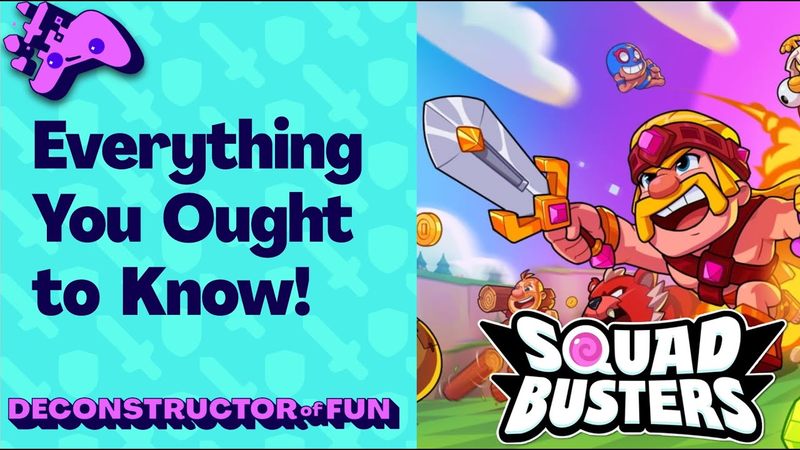
Supercell's Squad Busters - The Definitive Deconstruction
Squad Busters represents a pivotal attempt by Supercell to secure its next billion-dollar franchise, serving as a strategic response to the company’s need for revenue growth.
- Supercell developed Squad Busters as a strategic growth initiative to secure a new billion-dollar franchise, supported by a massive pre-registration campaign exceeding 40 million users.
- The game utilizes a lean, agile development model with a core team of approximately 30 people, focusing on rapid iteration and live operations.
- The core gameplay loop centers on a hectic, accessible sandbox experience featuring roguelike elements and randomized character sets that force real-time adaptation.
TWIG #283 Anime correction, Applovin speculations, Ad creative trends and Ubisoft’s xDefiant
The gaming industry is currently undergoing a structural transition from the era of blitz scaling toward a model defined by operational efficiency, profitability, and strategic consolidation.
- The gaming industry is shifting from blitz scaling to a model of operational efficiency and profitability, evidenced by major workforce reductions at companies like Ubisoft and Pixar.
- Private equity firms have become the primary exit strategy for established studios, highlighted by the $2.8 billion acquisition talks involving Keywords Studios.
- Hyper-casual games currently lead the mobile marketing sector with an IPM (installs per mille) of 48, driving a trend toward 'mashup' creative techniques that blend gameplay, animation, and user-generated content.
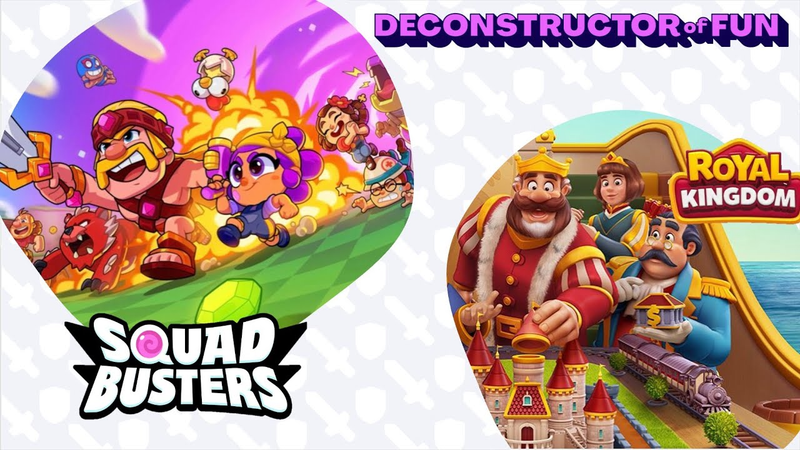
TWIG #279 Supercell's Squad Busters vs. Dream's Royal Kingdom
The gaming industry is currently navigating a period of significant structural and strategic recalibration, characterized by the failure of aggressive debt-fueled consolidation and a shift in how intellectual property is monetized.
- The gaming industry is shifting away from aggressive, debt-fueled consolidation, exemplified by the collapse of Embracer Group’s buy-and-build strategy and its subsequent split into three entities to manage debt.
- The era of standalone celebrity-branded mobile games has ended due to audience fragmentation, with the industry pivoting toward lower-risk, limited-time in-game collaborations and events.
- Mobile market performance is currently mixed, with Monopoly Go seeing a decline in active users despite sustained revenue, while Helldivers 2 maintains steady player retention.

Disney x Fortnite / Heroes of Mavia Launch / WB Live Service Stumbles
The gaming industry is currently undergoing a structural transformation characterized by a move away from traditional standalone development toward interconnected digital ecosystems and community-driven engagement.
- Disney is investing $1.5 billion into Epic Games to integrate its intellectual property into Fortnite, shifting away from internal development to leverage an existing, persistent cross-platform ecosystem.
- The gaming industry is moving toward interconnected digital ecosystems, prioritizing organic player retention and high-quality gameplay over aggressive, top-down monetization strategies.
- Forced live-service mechanics are alienating core audiences, as evidenced by the poor reception of Warner Bros. titles like Suicide Squad: Kill the Justice League and Mortal Kombat 1.
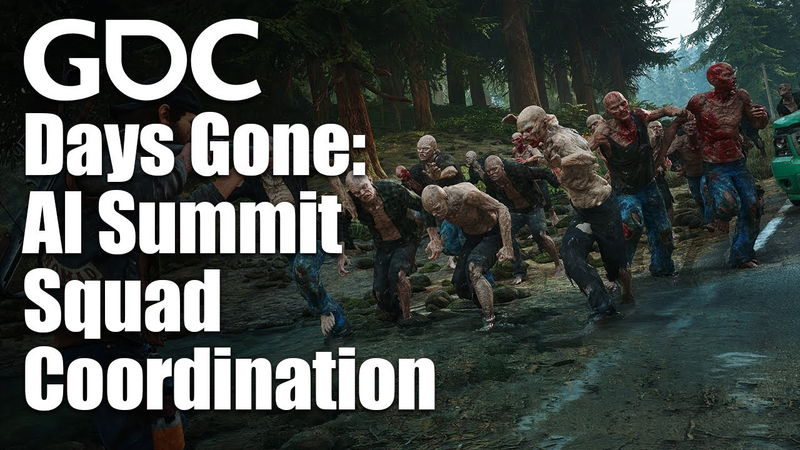
Squad Coordination in 'Days Gone'
Combat believability in Days Gone is achieved through a systemic, squad-based artificial intelligence model that replaces traditional scripted encounters with dynamic, role-based coordination.
- Sony Bend Studio implemented a 'frontline' system in Days Gone that defines the spatial relationship between a squad and its enemies, using a sliding window average to stabilize combat movement and ensure squad members maintain clear lines of fire.
- The AI uses a behavior hierarchy where high-priority reactive tasks, such as avoiding grenades, override assigned combat roles, while low-priority behaviors are suppressed when a valid role is active.
- Squad members are assigned to specific lanes along the frontline to minimize movement, prevent collision, and ensure optimal positioning relative to both the enemy and fellow squad members.
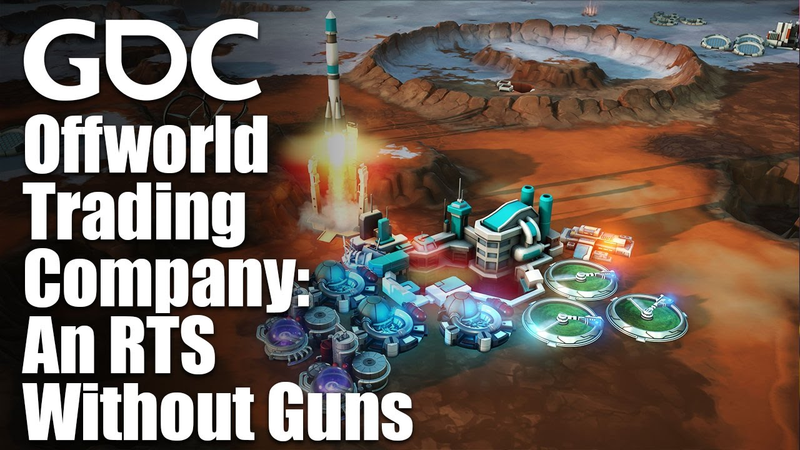
Offworld Trading Company: An RTS Without Guns
Offworld Trading Company reimagines the real-time strategy genre by replacing traditional military combat with a dynamic, player-driven free market.
- Offworld Trading Company differentiates itself from traditional RTS games by focusing exclusively on the 'macro' economic layer, removing unit micro-management to create a distinct sub-genre.
- The game's market mechanics utilize a dynamic pricing system where buying black market items, such as pirates or sabotage tools, increases their cost for all players, naturally limiting their frequency and impact.
- Early access development allowed the team to replace a standard setup screen with a reverse-auction mechanic for starting locations, a core feature that was iterated upon for 12 months prior to the official launch.
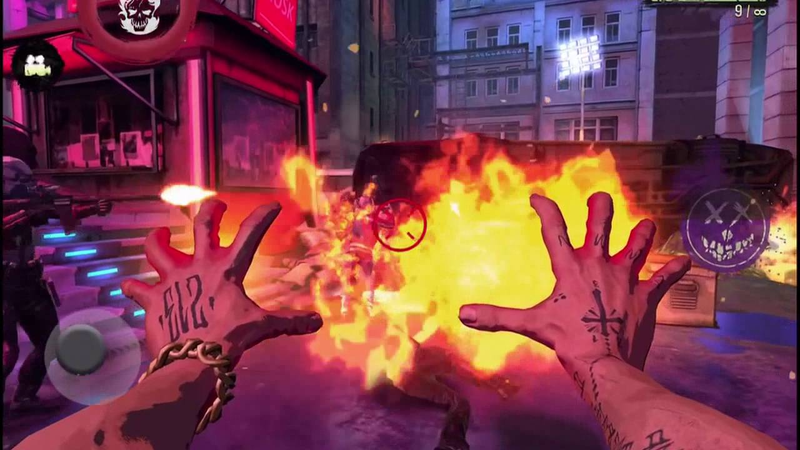
FTUE: Suicide Squad: Special Ops
Suicide Squad: Special Ops serves as a promotional mobile tie-in for the Warner Bros. film, functioning primarily as a high-fidelity but shallow first-person shooter.
- Triggering the iOS push notification prompt immediately upon launch is a critical design flaw that risks permanent loss of re-engagement capabilities if the user denies the one-time system request.
- Best practices for mobile retention dictate using an internal, non-system splash screen to gauge user interest before triggering the irreversible system-level permission prompt.
- The game prioritizes high-fidelity visual presentation over mechanical depth, resulting in a shallow experience that lacks the long-term engagement hooks required for the competitive mobile shooter market.
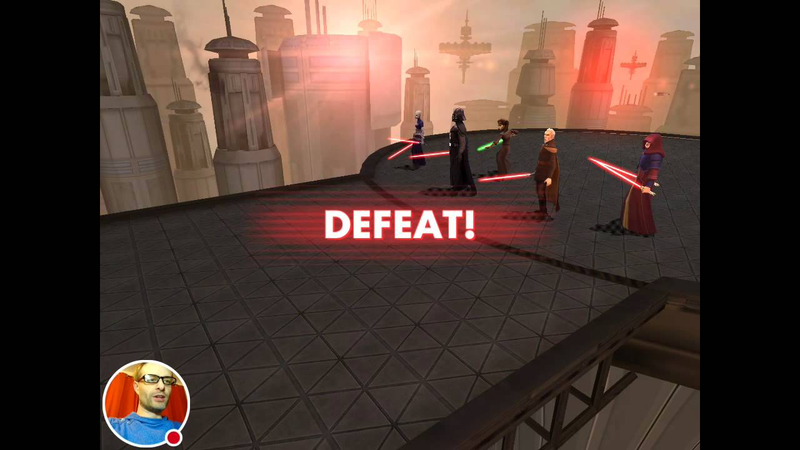
Why you should choose the hardest opponent in SW: Galaxy of Heroes' Squad Arena
In Star Wars: Galaxy of Heroes, players are encouraged to intentionally challenge the most powerful opponents in the Squad Arena mode, even when defeat is likely.
- Intentionally challenging the strongest Squad Arena opponents allows players to send ally requests to high-level users, facilitating access to powerful borrowed characters.
- Borrowing high-power units from an curated ally list significantly increases combat effectiveness and success rates in difficult PvE mission content.
- Targeting superior opponents in the Arena serves as a long-term progression strategy to bypass power gaps in mission-based modes rather than focusing solely on immediate leaderboard rank.
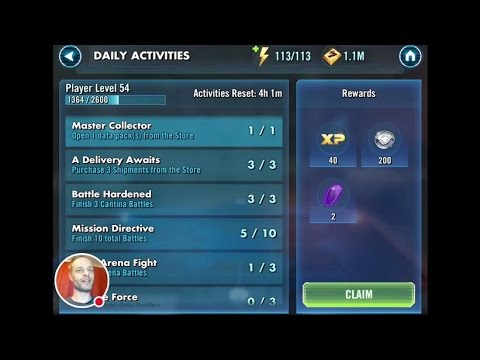
Speedtest: How long does it take to complete SW: Galaxy of Heroes' Daily Activities?
This analysis examines the time investment required to complete the full suite of daily activities in the mobile game Star Wars: Galaxy of Heroes.
- Completing all daily activities in Star Wars: Galaxy of Heroes in a single, uninterrupted session requires approximately 25 minutes.
- The total completion time is primarily constrained by mandatory cooldown timers between Squad Arena battles, which extend the session length for free-to-play users.
- While simulation cards allow for the instant completion of previously mastered missions, active engagement is still required for content like Galactic War and specific daily challenges.