Marathon
GameBy Bungie
Documents about Marathon

Shooter Monthly #3 Marathon vs the Market, Valorant Goes Massive, Marvel Rivals Misreads Progression
The shooter genre is currently navigating a period of significant strategic recalibration as developers struggle to balance live-service retention with evolving player expectations.
- Valorant Mobile has doubled the franchise's total monthly active users, proving that mobile-first design paired with established IP is the most effective strategy for international expansion.
- Bungie has delayed the launch of Marathon to March 2026, reflecting the industry-wide challenge of timing high-stakes releases against established extraction shooter benchmarks.
- Call of Duty is shifting its strategy away from rapid-fire sequel releases to combat player fatigue and prioritize long-term engagement over iterative product cycles.

Call of Duty under attack, but who is winning (and losing) in the battle of the shooters?
The gaming industry is currently undergoing a period of intense volatility and structural realignment, characterized by shifting player loyalties and evolving development strategies.
- Call of Duty: Black Ops 7 is experiencing a softening in performance as competitors like Battlefield 6 and Arc Raiders successfully capture segments of its shooter audience.
- Established franchises like Destiny 2 are facing declining engagement and resource constraints, forcing studios to pivot toward new genres like extraction shooters such as Marathon.
- Major publishers are shifting away from traditional annual release models, exemplified by EA’s decision to move the F1 series toward a long-term DLC expansion strategy.
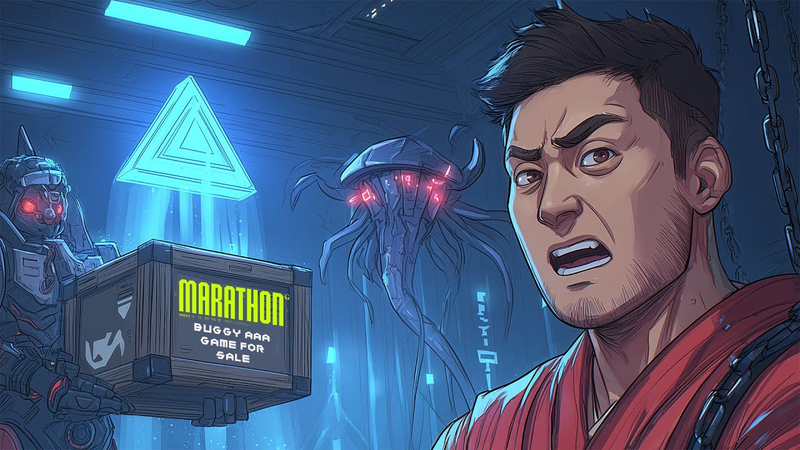
Marathon, Mayhem, and the State of AAA | 363
The contemporary AAA gaming landscape is undergoing a profound crisis characterized by bloated budgets, protracted development cycles, and a systemic loss of institutional knowledge.
- The AAA gaming sector is suffering from a systemic crisis defined by bloated budgets, protracted development cycles, and a loss of institutional knowledge that results in generic, risk-averse titles.
- Investor confidence in traditional high-budget, long-term development is waning, forcing a structural shift toward smaller, more agile teams and iterative, fun-focused projects like Astro Bot.
- A clear geographic divide has emerged, with studios in Japan, China, and Eastern Europe increasingly outperforming legacy Western publishers in creative cohesion and quality standards.

Pokemon GO Raises the Price Cap, Console Kill Switches & C.S. Mott Makes Children's Lives Better!
The integration of gaming technology into pediatric healthcare serves as a transformative tool for patient recovery, as evidenced by the Michigan Game Day Experience at C.S. Mott Children’s Hospital.
- Gaming technology is being integrated into pediatric healthcare, exemplified by the Michigan Game Day Experience at C.S. Mott Children’s Hospital, to improve patient recovery through physical mobilization and social interaction.
- Nintendo is enforcing stricter digital rights management by implementing remote hardware bans against users of unauthorized flash cartridges to protect its ecosystem.
- The gaming industry is experiencing a shift toward inclusivity, with platforms like Steam and hardware such as the Xbox Adaptive Controller setting new standards for players with diverse physical and cognitive needs.

TWIG #336 Candy Crush Veterans Return as Marathon Runs Out of Steam
The global gaming industry is currently navigating a period of significant structural correction characterized by stagnant revenue growth, the collapse of over-leveraged studios, and a shift in consumer attention toward non-gaming entertainment.
- The mobile gaming sector has plateaued with a 4% year-over-year revenue increase, shifting the competitive focus from innovation to sophisticated monetization strategies.
- The traditional AAA development model is under severe pressure, as high-budget, single-title projects frequently fail to achieve market fit, leading to widespread studio closures and restructuring.
- Industry success is increasingly driven by a publishing-led model that mitigates risk through multiple product bets rather than the high-risk, single-title focus of the previous decade.

Bungie’s Marathon: Will the Lightning Strike Twice?
Bungie’s upcoming title, Marathon, represents a strategic pivot from the studio’s established narrative-driven success with Destiny toward the competitive extraction shooter genre.
- Bungie is pivoting from narrative-driven titles to the competitive extraction shooter genre with Marathon, scheduled for a September 2025 release on PC and consoles at a $40 price point.
- The game features 18-player matches with a high-stakes gameplay loop where the anticipated survival rate is under 50%.
- To achieve mainstream success beyond the niche extraction shooter market, Marathon must prioritize RPG-style meta-progression over the genre's traditional focus on punishing gear loss.

TWIG #327 The East-West LiveOps Clash and the New Era of Extraction Shooters
The global gaming industry currently navigates a complex landscape defined by shifting monetization strategies, evolving platform dynamics, and a challenging mergers and acquisitions environment.
- Western developers are increasingly abandoning pure cosmetic-based monetization models because they fail to generate sufficient revenue per daily active user without massive player bases.
- To ensure long-term sustainability, studios are under pressure to shift toward more aggressive monetization strategies, including pay-to-progress systems, or significantly improve production efficiency.
- The extraction shooter genre is approaching an 'extraction ceiling,' necessitating a shift in focus from high-stakes gameplay mechanics to more robust meta-progression systems to maintain player engagement.

Ubisoft's Ownership Lawsuit, No More Switch 2 News, and Doom Runs On Doom! | Games For Breakfast
The current landscape of the video game industry is defined by a growing friction between consumer expectations of ownership and the reality of service-based licensing models.
- The legal challenge against Ubisoft regarding the shutdown of 'The Crew' is forcing a critical re-examination of whether digital and physical software purchases constitute permanent ownership or merely revocable access.
- Ongoing litigation may force industry-wide shifts, potentially compelling publishers to implement mandatory offline modes or escrow requirements for long-term software accessibility.
- The industry is currently defined by a tension between service-based licensing models and consumer demand for transparency regarding the lifecycle of digital products.
Companies behind it


As the documents state it.