
Human: Fall Flat
GameBy No Brakes Games · Released Jul 22, 2016
Documents about Human: Fall Flat
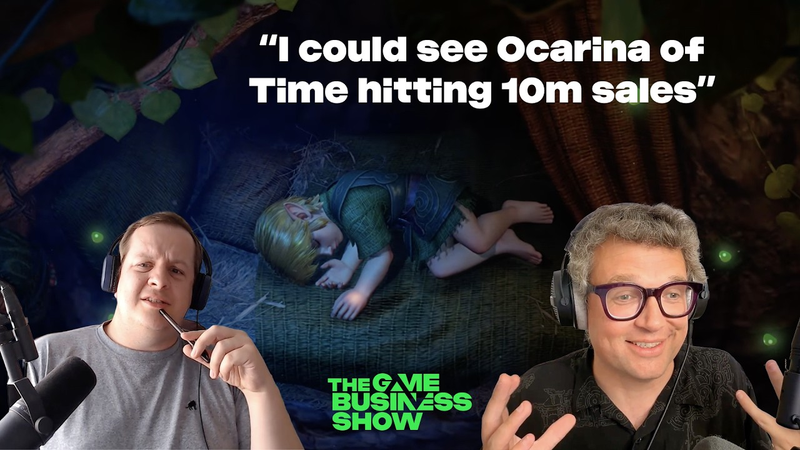
The Legend of Zelda: Ocarina of Time remake is the most anticipated game of 2026 (that isn’t GTA)
The 2026 gaming landscape is defined by a tension between the enduring appeal of legacy intellectual property and the evolving expectations of modern players.
- The remake of The Legend of Zelda: Ocarina of Time is the most anticipated non-GTA title of 2026, with projected sales of approximately 10 million units.
- The industry is experiencing structural instability, evidenced by inconsistent financial performance where some publishers report growth while others face year-over-year declines and workforce reductions.
- Long-term engagement remains a viable commercial strategy, highlighted by Human: Fall Flat reaching 60 million units sold a decade after its initial release.

Are guitar games coming back? The story of RedOctane's return
The gaming industry is currently undergoing a period of significant structural transformation, characterized by both corporate consolidation and a strategic pivot toward sustainable, community-driven development models.
- Embracer Group is reviving the RedOctane brand by merging original staff with open-source rhythm game developers to move away from the annual release model that previously caused market oversaturation.
- The new rhythm game strategy shifts toward a 'forever game' model, prioritizing long-term content updates and direct-to-consumer engagement over traditional retail cycles.
- Publishers are increasingly utilizing game bundles as a strategic tool to extend the lifecycle and reach of titles after initial launch momentum declines.

Understanding what the market wants - Stuart Dinsey from Curve Games
Curve Games, a mid-sized British indie publisher, is strategically expanding its global distribution and market presence by prioritizing direct-to-consumer pathways and emerging regional markets.
- Curve Games is bypassing traditional platform limitations by using Xsolla-powered micro-sites to implement localized payment methods and capture direct consumer data.
- The publisher is targeting the MENA region for growth, which currently represents 1.5% of its business but is identified as a high-potential market due to rising indie developer activity.
- Curve Games’ strategy for emerging markets involves moving away from Western-centric exports to focus on identifying and cultivating regional intellectual property with global appeal.

What's behind the success of Japan's big video game companies?
The global video game industry is currently undergoing a significant period of rationalization, shifting away from aggressive, broad-market expansion toward operational efficiency and disciplined resource allocation.
- Japanese industry leaders like Capcom and Konami are achieving record-high share prices and robust financial performance by prioritizing existing intellectual property over chasing fleeting industry trends.
- The global gaming industry is shifting from aggressive, broad-market expansion toward operational efficiency and disciplined resource allocation to combat market volatility.
- Success is increasingly driven by a strategy of scarcity and high-quality, fan-centric content rather than inflating production budgets or over-extending project scales.
Companies behind it

As the documents state it.