
Half-Life 3
GameBy Valve
Documents about Half-Life 3
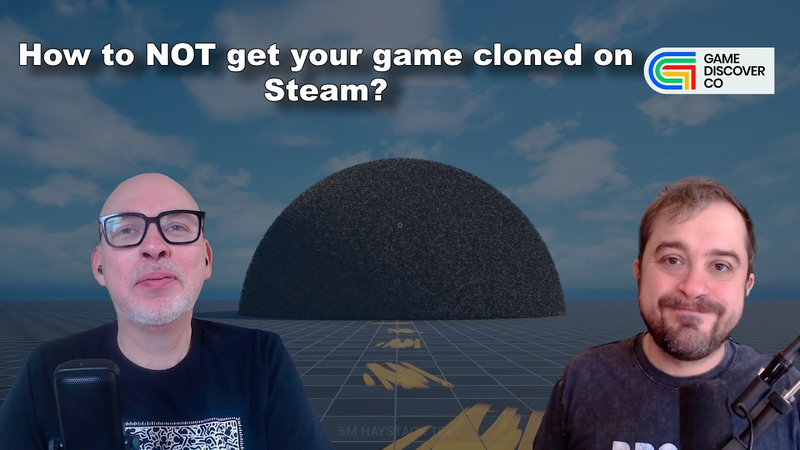

Deconstructor of Fun15 min
The Hardware Nobody Asked For… That Might Change Everything
Valve is preparing to launch a new Steam Machine console in early 2026, marking a significant shift from its failed 2015 hardware experiment.
- Valve plans to launch an internally developed Steam Machine console in early 2026, priced between $550 and $700 with performance targets comparable to the PlayStation 5.
- The console will run SteamOS and utilize Proton to provide couch-based access to the existing Steam library, positioning the device as a strategic play to capture market share from Xbox.
- A major technical limitation is the inability to run competitive multiplayer titles that rely on kernel-level anti-cheat software, excluding many popular games from the platform.
Deconstructor of FunNov 2025
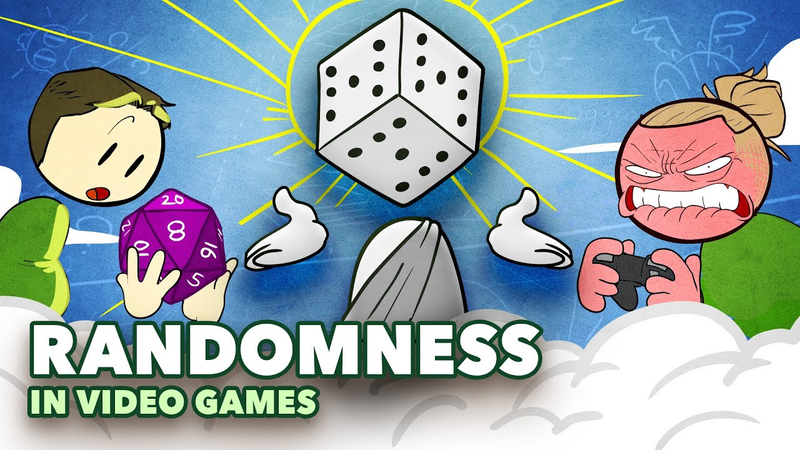
Extra Credits30 min
Randomness in Video Games | Compilation | Extra Credits Gaming
Randomness serves as a fundamental tool in game design, functioning as a mechanism to evoke specific emotional responses, heighten suspense, and challenge player intuition.
- Designers should use clarity when they want players to think through a problem, but use obfuscation when they want to evoke specific emotional responses like nervousness, hope, or power.
- The frustration level of RNG in games can be estimated using the formula: Frustration = Time Lost × Percentage Chance of Losing, which helps designers identify if a game's randomness is unfairly punishing.
- To maintain consistent player engagement, designers should reduce the impact of randomness as the game progresses; for example, a game might allow a 35% chance of RNG-based loss at 20 minutes, but only an 11.7% chance at the one-hour mark.
Extra CreditsAug 2024
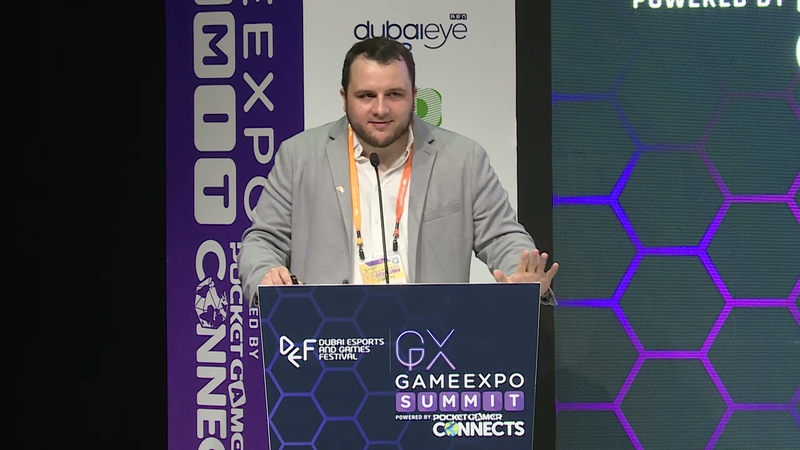
PocketGamer.biz21 min
Session: Cyber Security Trends in Gaming MAX SCHUMACHER
Cybersecurity in the gaming industry faces two primary, persistent threats: phishing and distributed denial-of-service (DDoS) attacks.
- Phishing is the primary attack vector for the gaming industry, accounting for approximately 91% of all cyber incidents.
- Gaming is the most targeted sector globally for DDoS attacks, with some incidents reaching peak volumes of 200 million requests per second in early 2024.
- Intellectual property theft and source code leaks are frequently caused by human error and credential theft rather than sophisticated external breaches.
PocketGamer.bizMay 2024

Extra Credits10 min
Games You Might Not Have Tried - ep 20 - April 1st Edition! - Extra Credits
This presentation serves as a satirical April Fools' Day commentary on the gaming industry, framing well-known, mainstream titles as obscure "hidden gems."
- Modern game design frequently prioritizes player retention, microtransactions, and repetitive loops over traditional innovation.
- Mainstream titles like Madden NFL, World of Warcraft, Fortnite, and Apex Legends are often structured around cynical monetization strategies rather than novel gameplay experiences.
- The 'hidden gem' genre of gaming journalism is often used to recontextualize ubiquitous, commercially successful titles, highlighting the industry's reliance on established tropes.
Extra CreditsApr 2019