
Cyberpunk 2077
GameBy CD Projekt RED · Released Dec 10, 2020
Documents about Cyberpunk 2077
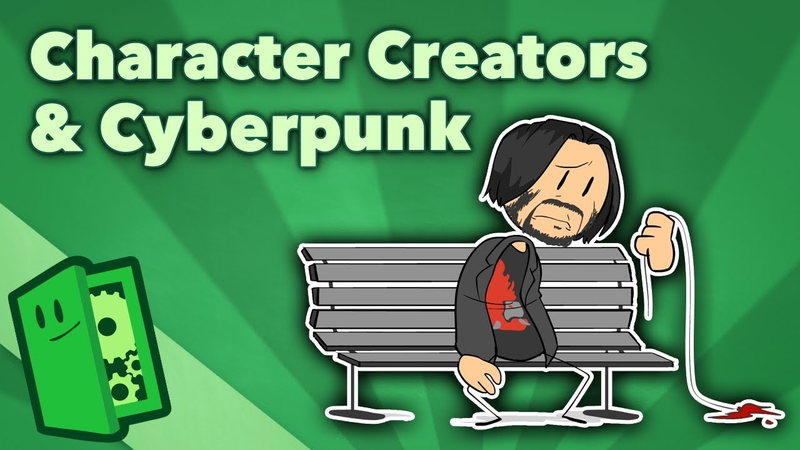
Character Creators & Cyberpunk - Player Freedom in Expression - Extra Credits
Effective character creators serve as a critical bridge between a game’s thematic identity and player self-expression.
- Developers should decouple customization levers—such as voice, hair, and body type—to ensure independent variables are not artificially linked, thereby maximizing player agency.
- Rigid design frameworks, rather than technical limitations, are the primary cause of restrictive character creators that prevent non-binary or gender-nonconforming expression.
- Cyberpunk 2077 failed to deliver on marketing promises of radical inclusivity because it locked hair styles to body types and tied voice options to gender, contradicting its own themes of human malleability.
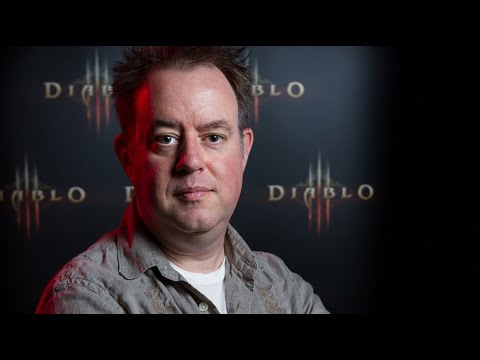
How has the industry changed with Jay Wilson | Game Dev Unchained Episode 254
The modern game industry is undergoing a fundamental transformation characterized by a permanent shift toward remote and hybrid work models.
- The game industry has permanently shifted toward remote and hybrid work models, which allow studios—particularly those with fewer than 45 employees—to access global talent pools and achieve higher productivity.
- Large-scale AAA projects frequently suffer from systemic inefficiencies, such as unrealistic scheduling and intense pressure, which often result in the release of unfinished products like Cyberpunk 2077.
- To combat the loss of institutional knowledge caused by high staff turnover and project-based team disbandment, successful studios are adopting long-term retention strategies like internal staff rotation.
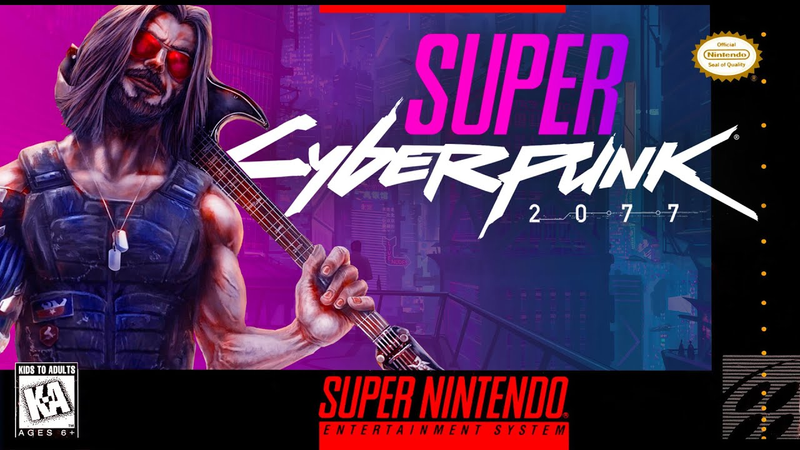
I made Cyberpunk 2077... BUT IT'S 2D
This analysis examines the technical and creative process of adapting a complex 3D AAA title into a 2D platformer.
- The project successfully distilled a complex 3D AAA title into a 2D Metroidvania-style prototype using the Unity engine within a one-week development cycle.
- 2D development requires more intensive character animation and rigging than 3D, as the entire character model must be visible and responsive to cursor movement at all times.
- Dynamic lighting, fog, rain, and post-processing glow effects are the primary drivers for replicating a high-fidelity 'cyberpunk' atmosphere in a 2D environment.
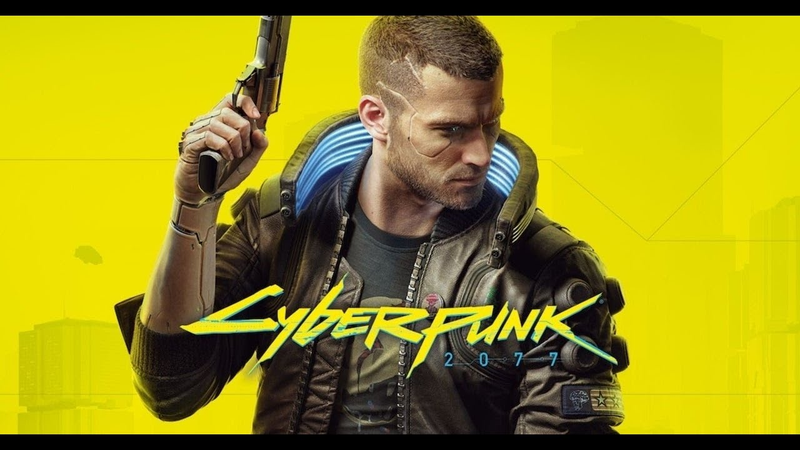
WTF Happened with Cyberpunk 2077?! | Games ReCAP
The launch of Cyberpunk 2077 serves as a cautionary case study in the consequences of mismanaged development cycles, toxic workplace culture, and misleading corporate communication.
- Cyberpunk 2077’s launch was defined by severe technical failures on last-generation consoles, leading to mass refund requests and the temporary removal of the game from the PlayStation Store.
- CD Projekt Red faced a class-action lawsuit from investors alleging that the studio misled stakeholders regarding the game's technical readiness and state of completion.
- Despite a $121 million development budget and eight years of anticipation, the company’s stock price plummeted by 30 percent following the game's release.
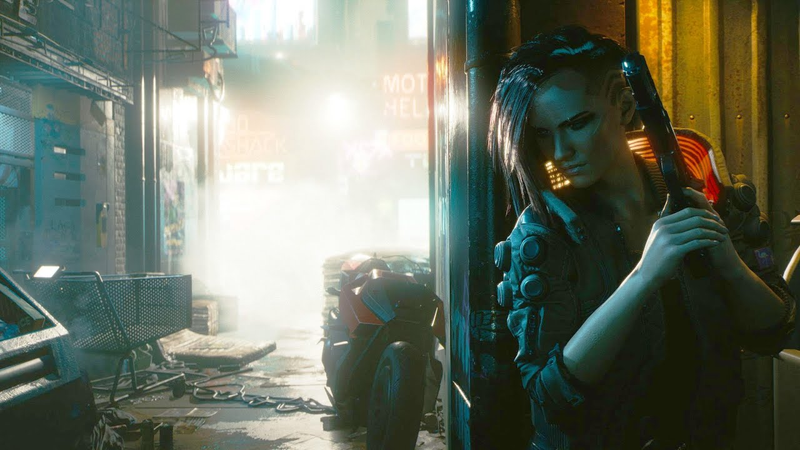
Crunching with CD Projekt Red on Cyberpunk 2077 | Roundtable News | Episode 239
The video game industry remains deeply entrenched in a cycle of mandatory overtime, commonly referred to as crunch, which persists despite significant public backlash and documented health consequences for developers.
- The gaming industry continues to rely on mandatory overtime, with developers at studios like CD Projekt Red reporting 12-to-15-hour workdays despite public backlash regarding health consequences.
- Management frequently ties performance reviews and discretionary bonuses to overtime participation, effectively penalizing staff who prioritize efficiency over total hours logged.
- Financial incentives like profit-sharing bonuses are insufficient to address systemic burnout and the long-term erosion of developer well-being caused by the current labor model.
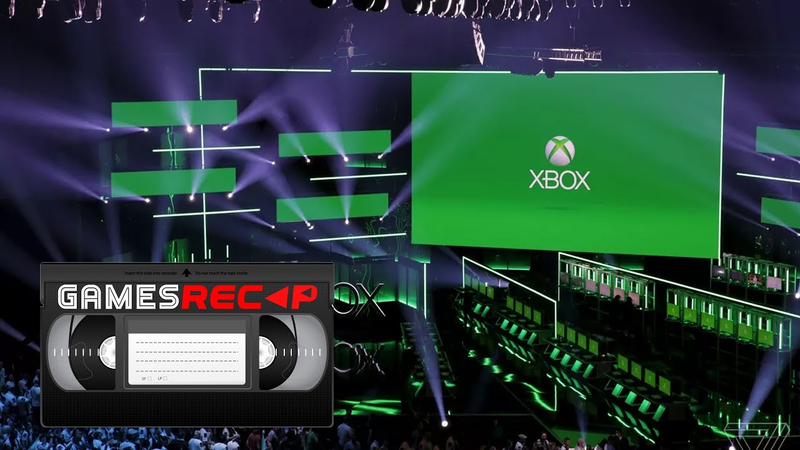
Microsoft E3 Press Conference | Games ReCAP Episode 002
Microsoft’s E3 2019 presentation signaled a strategic pivot toward long-term ecosystem building, characterized by aggressive studio acquisitions and a focus on service-based growth.
- Microsoft is aggressively acquiring studios, including Obsidian, Ninja Theory, and Double Fine, to build an exclusive content library for the upcoming Scarlett console launch.
- The industry is shifting toward double-A development as a sustainable financial alternative to the high-risk, blockbuster-scale projects that currently dominate the market.
- Microsoft’s E3 2019 presentation prioritized service-based growth through the Game Pass model, though it faced criticism for lacking the surprise announcements needed to drive momentum for Gears 5 and Halo Infinite.
Companies behind it


As the documents state it.