Burnout
Game
11 documents in the library are about Burnout, from writers such as Game Developers Conference, The Game Business and Thomas Brush. Each has a summary and key insights with the page they come from.
Connections
The documents about Burnout on the inner ring, the other games and companies they name on the outer one. Select a cover to see it up close and open it in a new tab; drag to move, pinch or Ctrl + scroll to zoom.
Documents about Burnout

As a Battlefield Studio, Is Criterion Games Really Still Criterion?
This analysis examines the evolution of Criterion Games, a prominent UK-based developer historically recognized for its work on the Burnout and Need for Speed franchises.
- Criterion Games has transitioned from a lead developer of racing titles like Burnout and Need for Speed to a primary support studio for the Battlefield franchise, specifically contributing to Battlefield 6 alongside DICE, Motive, and Ripple Effect.
- The studio underwent a significant leadership change in 2022, following the release of Need for Speed: Heat, which saw the departure of five key executives including Steve Cuss and Matt Webster.
- Criterion leadership maintains that the studio retains creative autonomy and is not merely a support entity, operating under a 'one team, one game' model that coordinates development across four international studios.

As a Battlefield studio, is Criterion Games really still Criterion?
Criterion Games has evolved from its origins as an independent developer of high-octane racing titles like Burnout and Need for Speed into a foundational pillar of the Battlefield franchise.
- Criterion Games has transitioned from an independent racing developer into a core support studio for the Battlefield franchise, working alongside DICE, Ripple Effect, and Motive.
- The studio maintains its creative identity by applying its historical expertise in high-octane, responsive gameplay mechanics to the Battlefield live-service model.
- Nearly 25% of the studio's workforce has over a decade of tenure, providing the institutional knowledge necessary to preserve the studio's design culture during its integration into a larger ecosystem.
Cyprus Game Industry: Senior+ Employment Landscape 2025
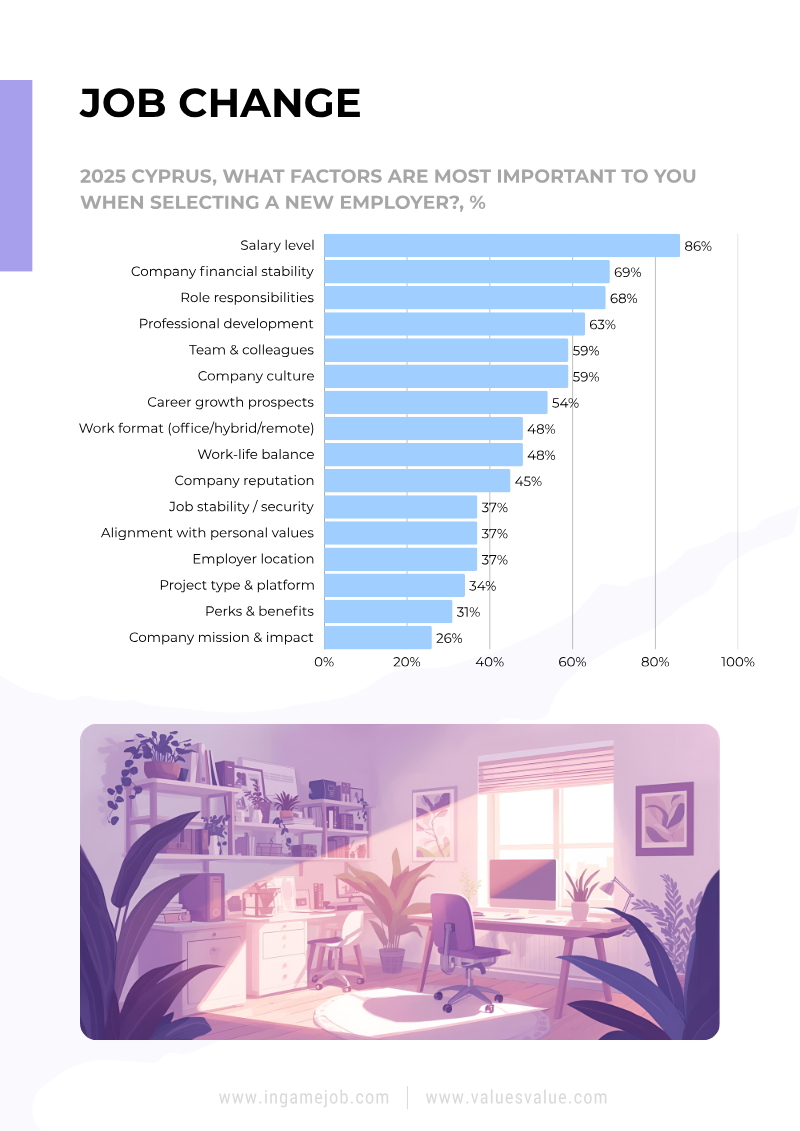
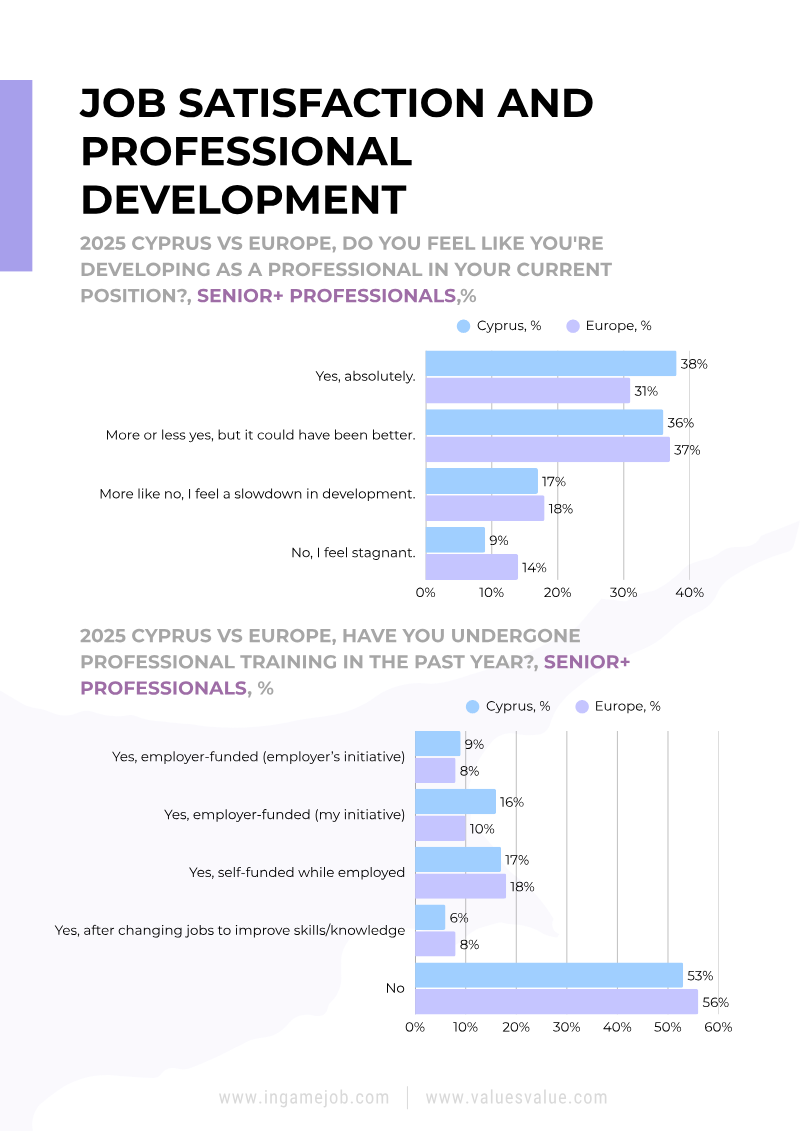
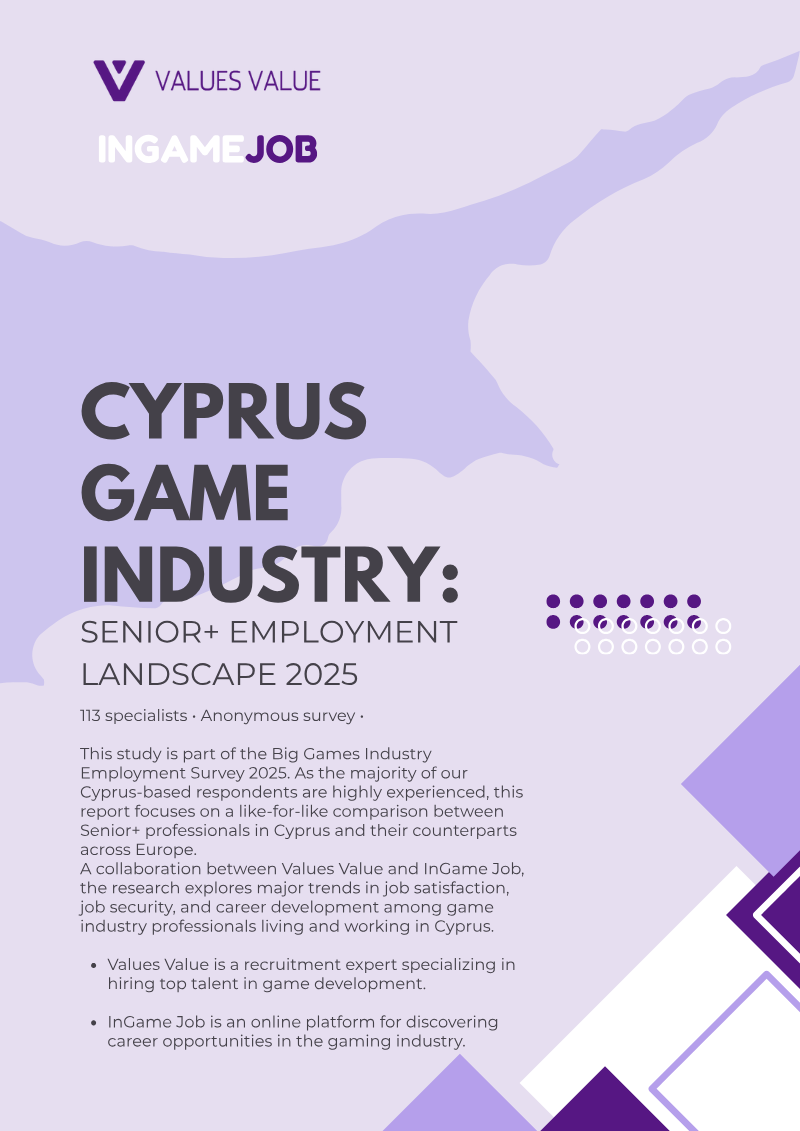
The study examines the senior-level employment landscape in Cyprus’s game industry for 2025, drawing on an anonymous survey of 113 professionals and a comparative analysis with European peers.
- Senior-level talent in Cyprus exhibits low job mobility, with 71% of professionals reporting no change in employment over the past year.
- A significant retention risk exists in the form of burnout, which affects 66% of senior professionals, compounded by the fact that only 53% receive employer-funded training.
- Median salaries for top management in Cyprus are approximately €98k, falling significantly short of the €135k desired by professionals in these roles.
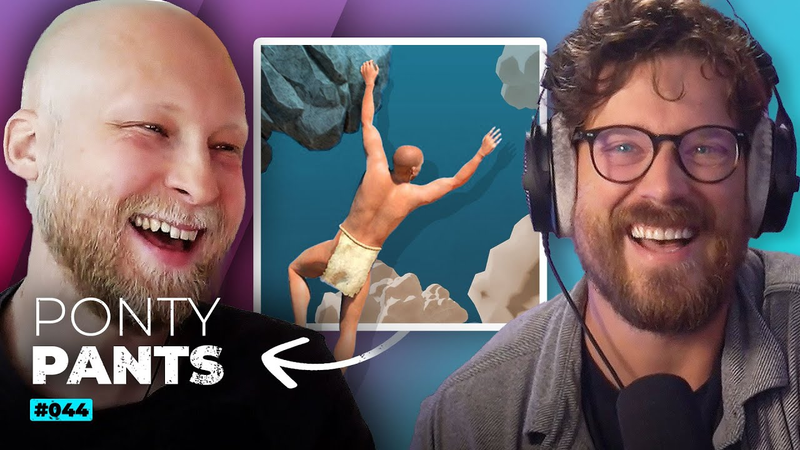
Pontypants: Making Games Alone, Burnout, Coming Up With Viral Ideas & Finishing Games | Ep. #044
Successful indie game development requires a strategic balance between personal creative passion and rigorous market awareness.
- Game development success often relies on identifying unique movement or physics mechanics, such as the mouse-driven hammer physics in Bennett Foddy's games, which provide depth for exploration.
- The final 10% of game development is critical because it is the stage where the core identity of the project is often discovered, frequently during periods of high stress and emotional pressure.
- While strong mechanics like those in 'Balatro' can drive viral success, a focus on mood, story, and aesthetic properties—similar to 'Bioshock'—can effectively satisfy a niche audience of approximately 100,000 players.
How To Avoid Game Dev Burnout
The primary challenge of indie game development is the inherent unpredictability of the creative process, which often leads developers to prioritize extreme work hours over physical and mental health.
- Chronic, high-stress game development habits—such as skipping meals, sleep deprivation, and prioritizing work hours over health—can lead to severe physical consequences, including life-threatening cardiac events like arrhythmia and heart failure.
- Sustainable game development requires treating physical health, including consistent exercise and proper nutrition, as a non-negotiable priority rather than an optional activity to be sacrificed during crunch periods.
- Game development is inherently stressful because it involves building complex products without a blueprint, leading to constant uncertainty regarding development timelines, technical feasibility, and the ultimate quality of the game.

Occupational Burnout in Games: Causes, Impact, and Solutions
Occupational burnout in the game industry functions as a chronic syndrome rooted in systemic workplace failures rather than individual shortcomings.
- Burnout is defined by three measurable dimensions: persistent emotional and cognitive exhaustion that prevents recovery, a consistent decline in professional effectiveness, and a sense of cynicism or detachment from one's work.
- Systemic workplace factors contributing to burnout include a lack of community and belonging, unfair application of policies or rewards, and a misalignment between company goals and individual values.
- Recovery from burnout requires a minimum of two weeks of continuous time away from work to allow the brain to fully detach from professional stressors.
Beating the Burnout: Finding Success Under Stress
Burnout represents a critical, systemic challenge within the global game development industry, characterized by chronic exhaustion, cynicism, and diminished professional efficacy.
- Two-thirds of game developers exit the industry within their first decade, largely due to the systemic impact of chronic exhaustion and diminished professional efficacy.
- Burnout is driven by a combination of unsustainable crunch periods, high-stakes project failures, and a pervasive lack of employee agency within organizational structures.
- Studios incur significant financial and operational costs through lost productivity and the constant need to replace experienced talent lost to high attrition rates.
Battling Burnout: The Side Project Ritual
Burnout remains a pervasive crisis within the game development industry, driven by chronic workplace stress, relentless creative critique, and a culture of silence that prevents systemic reform.
- The game development industry faces a significant 15-year career cliff where highly skilled professionals exit the field due to the cumulative emotional toll of chronic workplace stress and creative critique.
- Developers can mitigate burnout by implementing a structured side project ritual that functions as a psychological reset mechanism to decouple personal identity from corporate production demands.
- Effective rituals require a dedicated sacred space and specific mindfulness practices, including coherence-focused meditation, controlled superstition, and task-based context management.
Talking Burnout, Making Art With Drinkbox's Gabby DaRienzo
Professional success in the independent game industry requires a strategic balance between creative output and the administrative demands of business management.
- Freelance artists must treat their careers as enterprises by balancing creative output with dedicated time for networking, self-marketing, and portfolio diversification.
- Transitioning from freelance work to a structured studio environment can mitigate burnout by providing organized production pipelines and enforced work-life boundaries.
- Burnout is often exacerbated by an industry culture that mistakenly equates overwork with professional dedication and manifests through persistent frustration and unhealthy perfectionism.
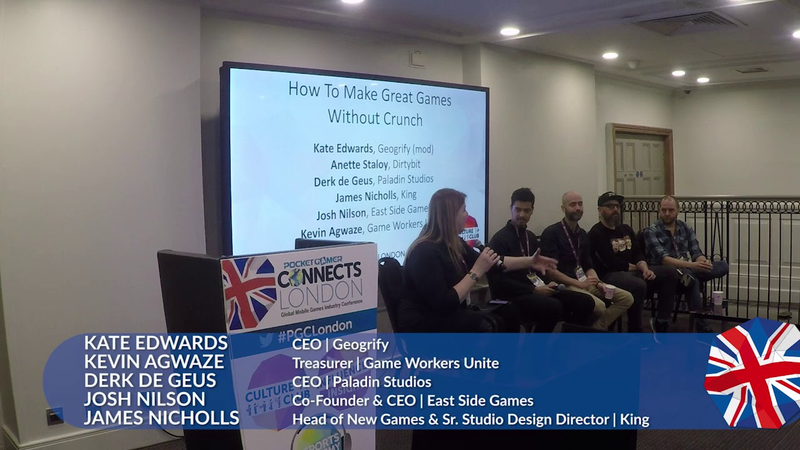
How to make great games without crunch / mental health problems in the games industry
Burnout in the game development industry is a multifaceted crisis driven by systemic issues, including prolonged crunch, insufficient autonomy, and poor project prioritization.
- Sustained overtime beyond a two-week period leads to diminishing returns in productivity and a measurable decline in overall product quality.
- Studios must transition from an hours-logged culture to a goal-oriented efficiency model that prioritizes focused output over exhaustive labor.
- Preventing crunch requires rigorous project scoping and realistic planning at the management level to ensure timelines align with human capacity.

Been There, Done That: Industry Vets Share Experiences and Advice
Professional success in the game development industry requires a strategic balance between technical proficiency, adaptability, and the cultivation of robust interpersonal networks.
- Long-term career sustainability in game development requires setting firm boundaries and declining non-essential tasks to actively prevent burnout.
- Professional success relies on a strategic balance of technical proficiency, adaptability, and the cultivation of robust interpersonal networks.
- Career pivots between disciplines, such as engineering and production, are best managed through proactive shadowing, mentorship, and demonstrating value in the new role.
Companies behind it
As the documents state it.