ArticleThe Game Business
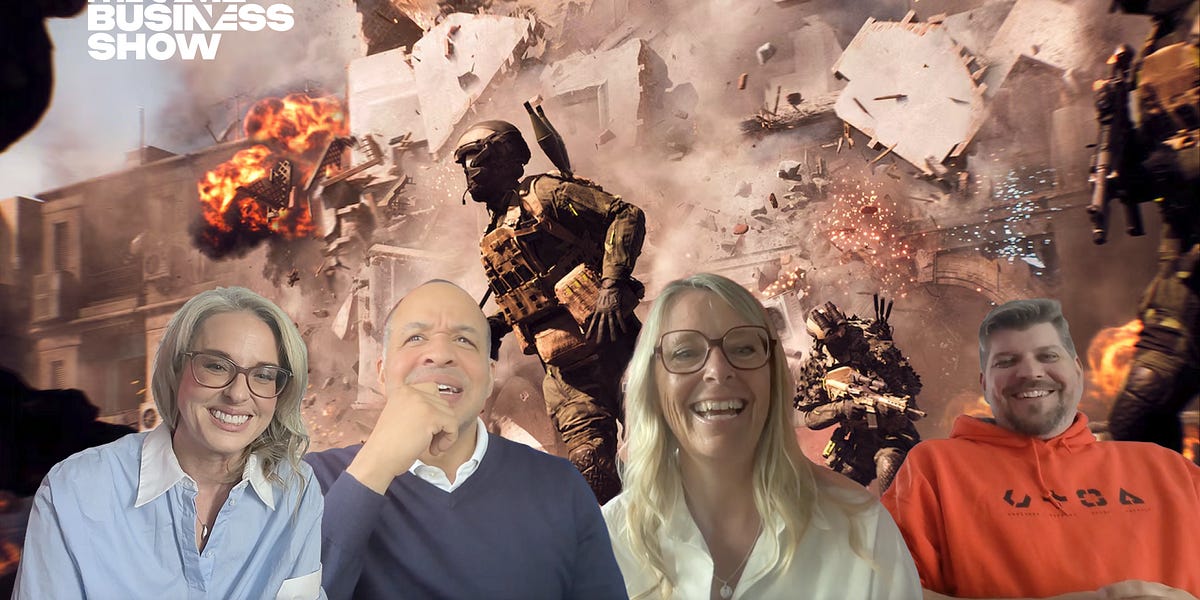
As a Battlefield Studio, Is Criterion Games Really Still Criterion?
30 Sept 20261 pages~11 min full read
This analysis examines the evolution of Criterion Games, a prominent UK-based developer historically recognized for its work on the Burnout and Need for Speed franchises. Following a significant leadership transition in 2022 and a strategic pivot away from racing titles, the studio has integrated into a collaborative, multi-studio model to develop the Battlefield series. The central inquiry explores whether Criterion retains its distinct creative identity or has been reduced to a support role within a larger corporate structure.
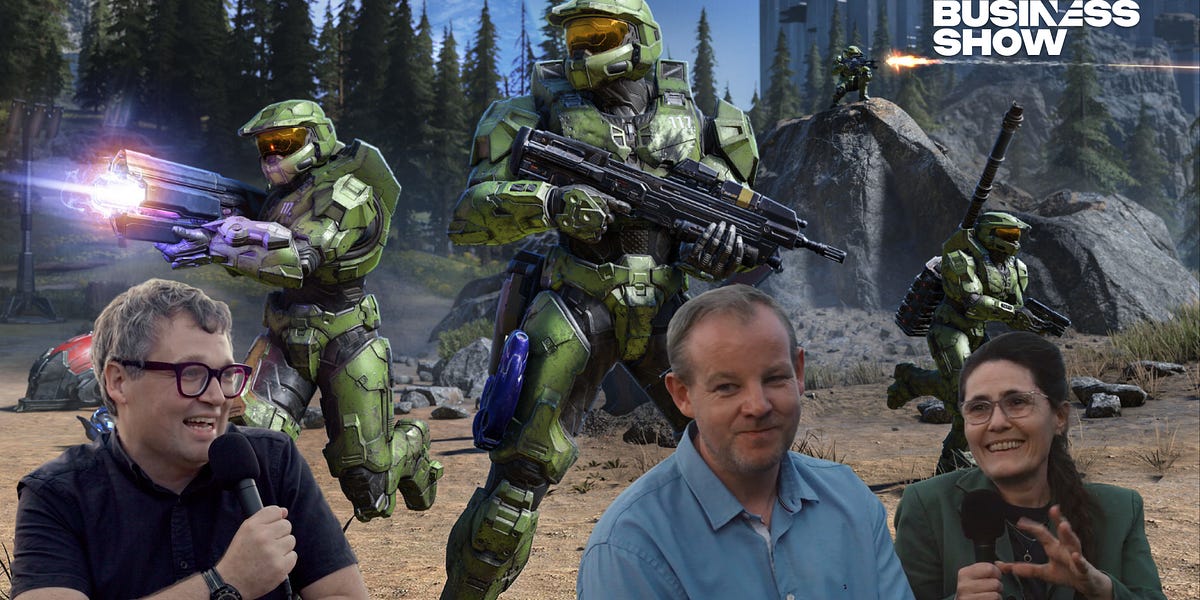
Studio leadership asserts that Criterion functions as a critical, autonomous pillar within a four-studio ecosystem alongside DICE, Motive, and Ripple Effect. Rather than acting as a traditional support studio, Criterion contributes its signature design philosophy—characterized by high-intensity gameplay, spectacle, and precise pacing—to the Battlefield 6 production. Management emphasizes that while the project requires a unified vision and rigorous cross-continental coordination, each studio maintains its unique cultural identity and creative agency over specific mission components.
The methodology for this collaborative development relies on "battle-ready" operational frameworks designed to mitigate the challenges of working across multiple time zones, including the UK, Sweden, Canada, and the United States. By prioritizing intentional meeting structures, shared development goals, and clear communication, the studios aim to leverage their diverse perspectives to deliver a cohesive product. While some industry observers argue that the loss of legacy staff and the shift in genre represent a fundamental change in the studio’s character, current leadership maintains that the core values of the team persist through the transmission of culture to newer generations of developers.
The Game Business · 2026
The Game Business · 2026
The Game Business · 2026
The Game Business · 2026
The Game Business · 2026
The Game Business · 2026
The Game Business · 2026
The Game Business · 2026
The Game Business · 2026

The Game Business · 2026
The Game Business · 2026
The Game Business · 2026

Ukie · 2025
TIGA · 2016
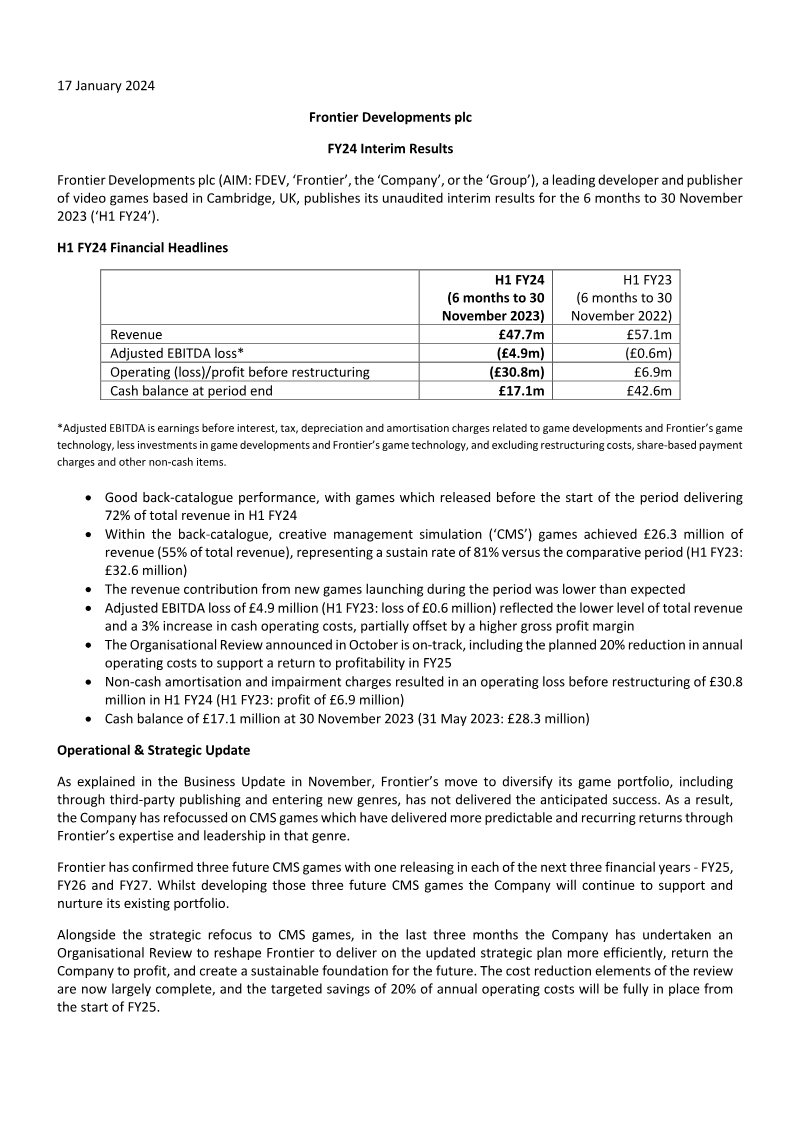
Frontier Developments
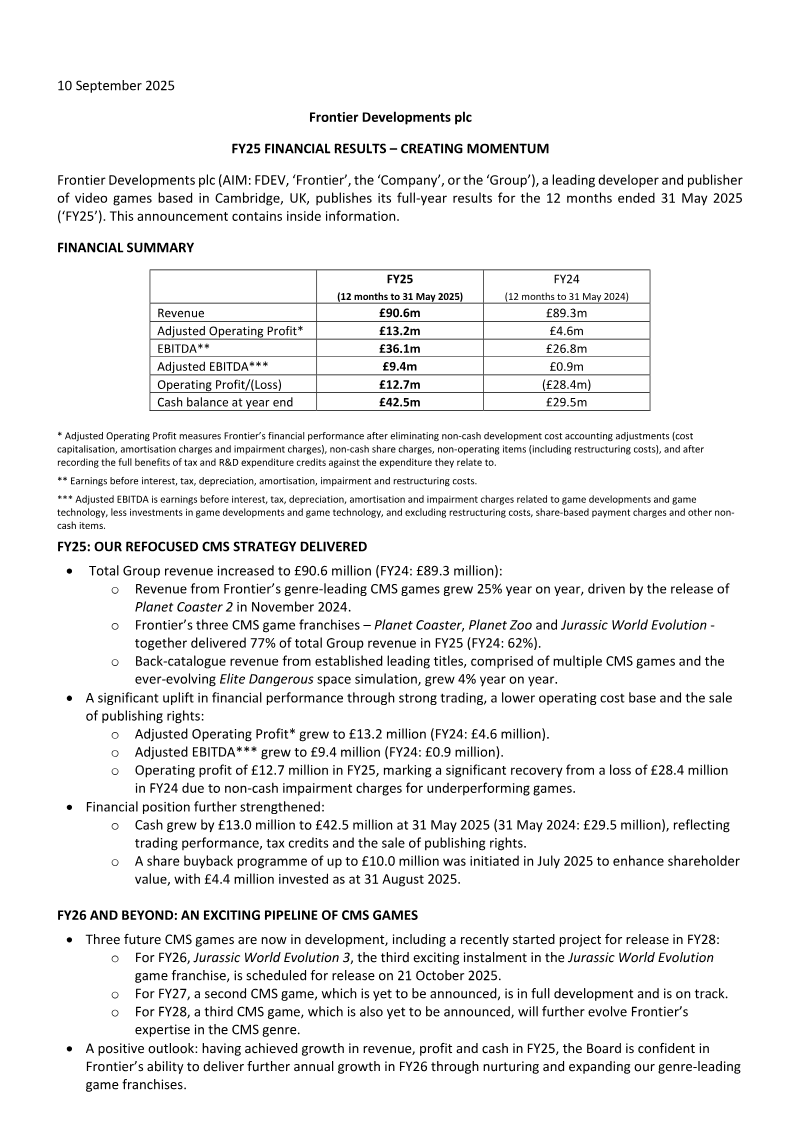
Frontier Developments
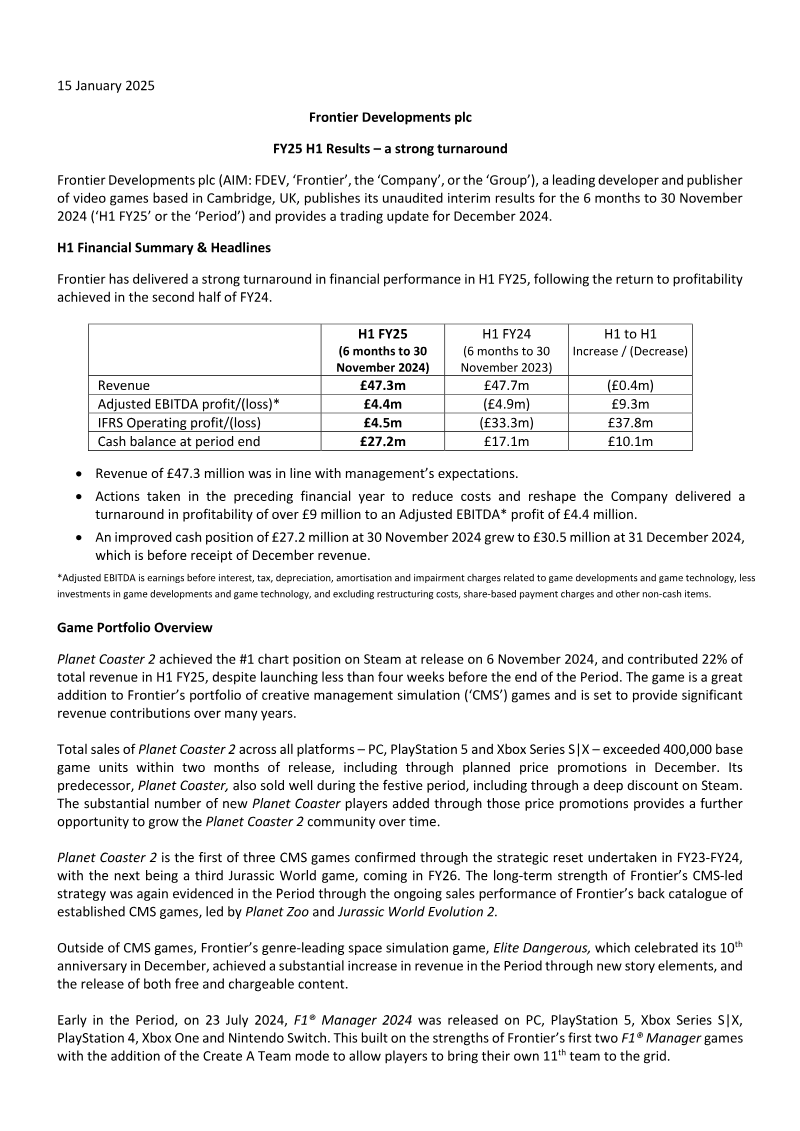
Frontier Developments

Frontier Developments
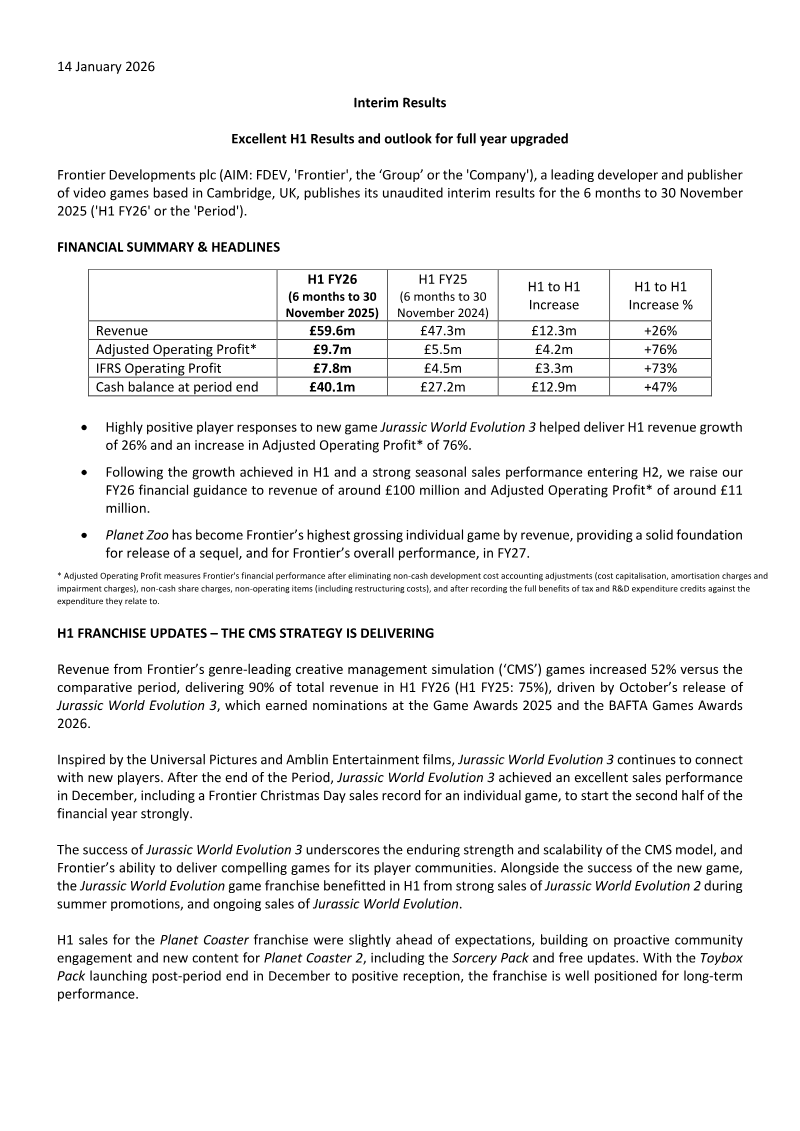
Frontier Developments
Poki · 2026
Paradox Interactive · 2026
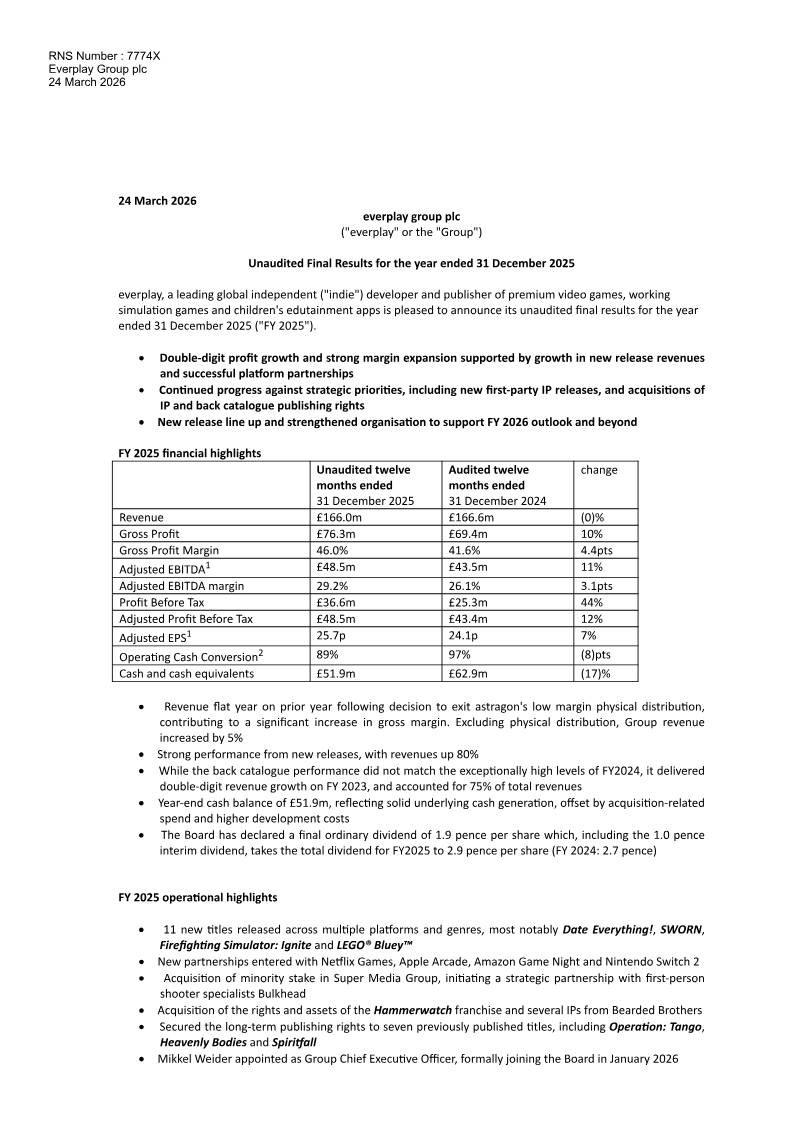
Everplay Group · 2026
8Bit · 2026
Marvelous · 2026