Angry Birds
Game
Documents about Angry Birds
Physic Multiplayer Reaching the Top of the Charts
Physics-based gameplay serves as a powerful tool for game developers to drive player engagement and retention by leveraging intuitive, brain-based predictive systems.
- Physics-based mechanics drive high engagement by leveraging the human brain's natural ability to predict physical interactions, which reduces the need for complex onboarding.
- Deterministic networking engines like Quantum are essential for overcoming the technical challenges of synchronizing physics across distributed mobile clients.
- Stumble Guys achieved top-chart status in over 30 countries by utilizing a deterministic engine to create a low-friction, intuitive multiplayer experience that requires no traditional tutorials.

TWIG 145: Why Rovio, the makers of Angry Birds, acquired a hyper-casual game studio Ruby Games
Rovio’s acquisition of the hyper-casual studio Ruby Games represents a strategic effort to bolster user acquisition, expand audience reach, and increase daily active users (DAU) in a post-IDFA landscape.
- Rovio acquired hyper-casual studio Ruby Games to bolster user acquisition and increase daily active users (DAU) in the post-IDFA landscape.
- The deal uses a conservative, multi-tranche payment structure spanning five years, tying final share acquisition to Ruby Games' future financial performance.
- Rovio intends to use shared device identification (IDFV) to improve cross-promotion efficiency, funneling players from hyper-casual titles into their core game portfolio.
Top 3 Mistakes of Angry Birds 2
This analysis outlines the primary development and design challenges encountered during the lifecycle of Angry Birds 2, as presented by the game’s former product lead.
- Prioritize the experience of high-value players over non-paying users, as focusing resources on the majority of non-monetizing players can neglect the primary revenue drivers.
- Avoid underestimating player capability by over-simplifying interfaces; adding depth through features like arenas and daily challenges significantly increases engagement.
- Ensure that core gameplay remains the primary focus, as retention mechanics like daily login rewards are ineffective at converting disinterested players if the fundamental experience is not enjoyable.

TWIG 121: BlizzCon 2021, Valheim Built By 5 Devs, Zynga Accelerates Growth, Rovio M&A Target
The gaming industry is currently defined by a tension between massive corporate consolidation and the surprising agility of small-scale development teams.
- Major industry players like EA are driving consolidation through large-scale acquisitions, exemplified by the $1.2 billion purchase of Codemasters.
- Large publishers face significant growth headwinds due to the post-IDFA environment and the technical challenges of scaling new titles while managing third-party data sharing risks.
- Blizzard Entertainment is experiencing internal development delays for major titles like Overwatch 2 and Diablo IV, forcing a reliance on legacy franchises such as the Diablo II remaster.

PocketGamer.biz Podcast Episode #3: Jens Begemann leaves Wooga, Jagex gets sold again, and more!
The global mobile and console gaming landscape is currently defined by significant leadership transitions, strategic acquisitions, and the evolution of social gaming platforms.
- Jagex has been acquired by Macarthur Fortune Holding for $530 million, marking yet another ownership transition for the studio as it struggles to stabilize its legacy intellectual property.
- Rovio achieved a 74.8% profit increase by significantly reducing user acquisition costs, though this strategy risks long-term brand fatigue for the aging Angry Birds franchise.
- Epic Games is evolving Fortnite into a persistent social hub through its Party Royale mode, leveraging virtual events to attract millions of concurrent users.
Top 5 mistakes designing free-to-play collectibles
This analysis outlines five critical design mistakes in free-to-play (F2P) collectible games, drawing on industry experience from titles like Angry Birds Evolution, Clash Royale, and Star Wars: Galaxy of Heroes.
- Prioritize long-term retention by making characters easy to acquire while gating their full potential behind significant time and resource-heavy upgrade paths.
- Prevent stagnant meta-games by enforcing collection diversity through attribute-based content gates, performance-based event boosts, and unit-specific counters.
- Mitigate player frustration in random drop systems by implementing 'safety nets' such as pity counters and currency-based exchange paths to anchor the value of digital goods.
How developers can bring augmented reality games to the masses in 2019
Augmented reality represents a significant frontier for the gaming industry, yet the transition from experimental technology to mainstream consumer adoption remains a challenge.
- Mainstream AR adoption is currently hindered by the lack of established design standards and the friction caused by requiring users to scan physical surfaces to anchor virtual objects.
- Mobile AR platforms like ARKit and ARCore have expanded the potential user base to hundreds of millions of devices, yet developers struggle to move beyond simple 2D mechanic adaptations.
- Successful AR experiences currently rely on high-quality character design, the use of portals for immersive windows, and intuitive 3D navigation.
Facebook on Instant Games
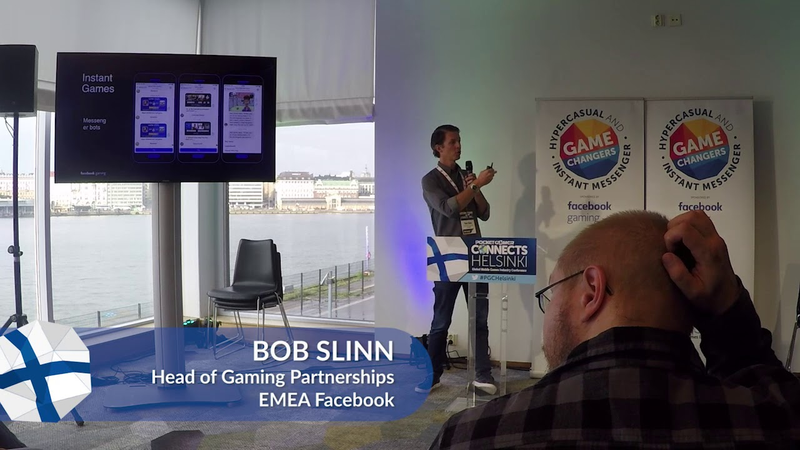
Facebook’s Instant Games platform serves as a mobile-first, HTML5-based gaming ecosystem integrated directly into the Messenger and Facebook applications.
- Facebook’s Instant Games platform leverages a global user base of over 2 billion monthly active users to facilitate seamless game discovery and social play within the Messenger and Facebook applications.
- The platform utilizes an HTML5-based architecture that allows developers to build games once for deployment across both web and mobile, currently supporting a library of over 4,000 titles.
- Monetization for developers is supported through a combination of in-app purchases and the Audience Network, which provides interstitial and rewarded video advertising.
Unleash the power of operator data to convert 9x more paying users
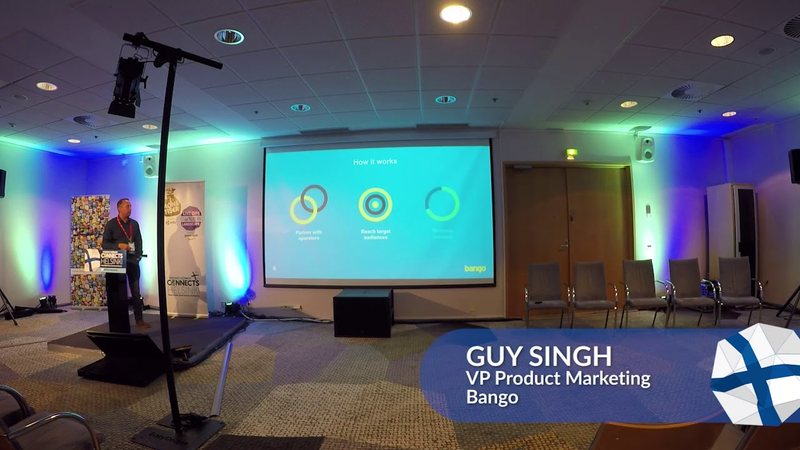
The primary objective of leveraging mobile operator data in user acquisition is to shift marketing strategies from broad, browsing-based targeting to precise, behavior-based targeting.
- Targeting users based on verified mobile operator purchase history rather than general browsing behavior can increase conversion rates for free-to-play users by up to nine times.
- A Smule case study in Indonesia demonstrated that targeting high-value spenders who had not yet made an in-app purchase resulted in a conversion rate nine times higher than standard organic rates.
- Rovio’s Angry Birds campaign in the U.S., which utilized Verizon network push notifications to offer incentives to top spenders, achieved a 17% increase in new customers and improved overall lifetime value.
Hatch and the new opportunity of on-demand gaming
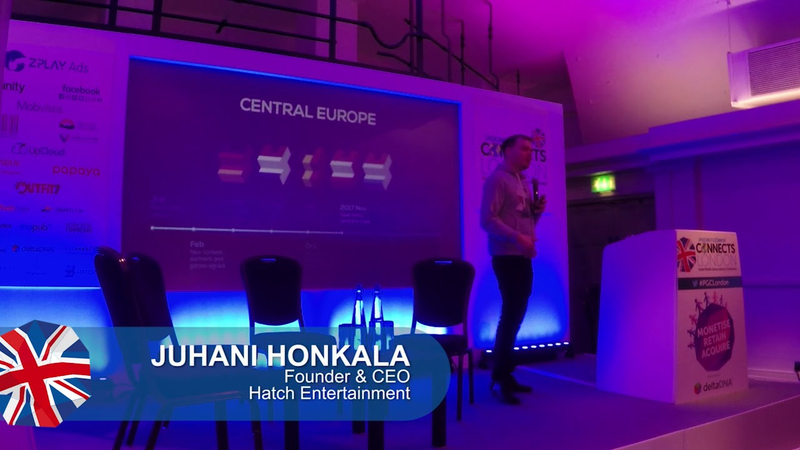
The emergence of on-demand, cloud-based gaming represents a significant shift in the mobile industry, mirroring the transition from ownership to subscription models seen in music and video streaming.
- The platform utilizes cloud architecture to stream native Android games, eliminating the need for HTML5 ports and reducing multiplayer prototype development time from months to days.
- The service operates on a dual-revenue model combining advertising and subscriptions, with a commitment to share 70% of generated revenue with content partners.
- The business model shifts mobile gaming from free-to-play monetization loops to a subscription-based, on-demand format that prioritizes premium content quality.
Superstar Session: A few words from Angry Birds developer Rovio
Rovio Entertainment’s strategic evolution centers on its transition from a premium game developer to a "games-first" entertainment company powered by the free-to-play model.
- Rovio has transitioned to a 'games-first' entertainment model, shifting from one-time premium purchases to a free-to-play service strategy that extends game life cycles to three years or longer.
- The company’s financial stability relies on a portfolio approach where its top five titles generate approximately 80% of total revenue.
- Rovio aggressively scales user acquisition, having increased performance marketing spend from 20 million euros in 2016 to 45 million euros over the following 12 months.
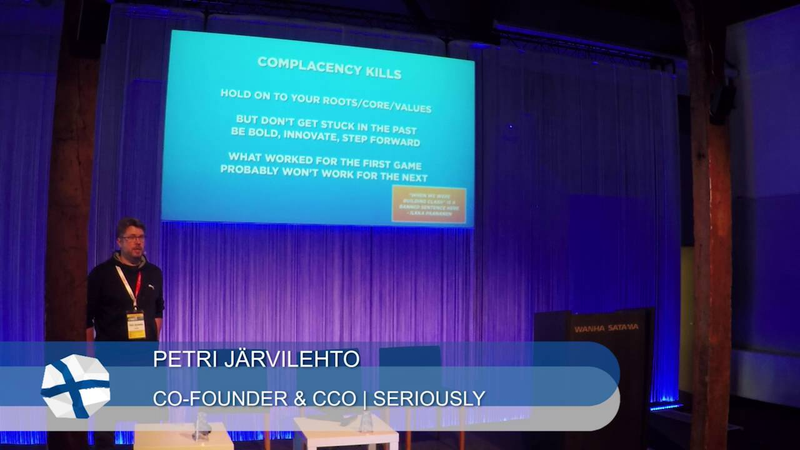
Best Fiends developer Seriously on what comes after shipping a hit game
The transition from shipping a successful mobile game to sustaining long-term growth presents a unique set of operational and creative challenges.
- Treat an initial hit game as a foundation for long-term intellectual property development rather than a standalone product to ensure multi-year franchise sustainability.
- Avoid the temptation to over-diversify or chase every business opportunity post-launch, as excessive sidetracking dilutes focus on the core product.
- Balance data analysis with creative intuition, as viral hits often generate inflated vanity metrics that can lead to poor decision-making.
Companies behind it

As the documents state it.