VideoDeconstructor of Fun
TWIG 145: Why Rovio, the makers of Angry Birds, acquired a hyper-casual game studio Ruby Games
13 Aug 20218 min video
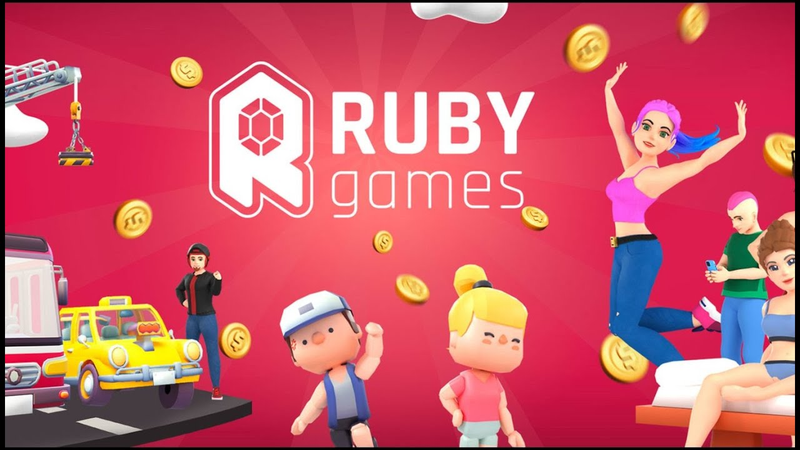
cure and ceo of rovia actually called me this morning and he i think he reached out to eric as well just to explain explain the news and much appreciate it i love when when companies do that because they know that we're gonna talk about it and if we got more information we can be more objective and less stupid when we talk about these things so let's talk about rovio acquiring hyper casual game studio ruby games dude hold on a minute dude he's totally priming the pump dude what is this about he's like thinks we can be influenced i like kieran anyway what's interesting about is let's start with the deal structure so deal structure i would i would say it's quite conservative and not quite it's actually very conservative and favoring rovio and also they're very transparent in this deal structure so under the terms of agreement the rovio will acquire ruby games in multiple trenches so in the first trench row we will acquire 20 of ruby ruby shares for 10 million dollars cash just to get the owners a little something something then the second
trench rovio will acquire 50 of the outstanding shares an amount that is dependent on the financial performance the remaining 30 of ruby's outstanding shares will be purchased in five equal trenches over the next five years with a minimum of 50 in cash and rest in cash or shares so it's a long term they really want to tie them in it's not like the rolex acquisition where zynga came in dropped 185 million dollars on them and said guys let's do what let's do magic the the reason for this acquisition is clearly an audience play and it's in two two segments so one is idfv so basically the idea is that once they have this publisher and once they've changed the publisher name from ruby games to rovio and we can clearly see it in the app store at that point they become one publisher and they're able to set to share device identification and that in theory improves their eurovia's user acquisition capabilities secondly there's an audience proximity so apparently they not apparently i would
i'd say every publisher will do this so they will test how well their games acquire players from the from the other one and in this case there was clear audience proximity so that's why they struck the deal because they're able to acquire players from ruby's games to rovio's games and through that actually grow the in-app the in-app purchases of rovio's game number three it has 2x the dau of rovio so of course being a public company and showing that your audience is growing significantly and with additional cross not cross promotion but admon ad monetization tools being used to pump users from ruby games to rovio games will further increase the bau of rovio as a whole and that will be a positive signal and finally there's an ad monetization revenue that's coming from ruby games because it is it's not the biggest hyper casual publisher but it's it's it's definitely uh up there with the with the boys now there's some challenges so before eric hold on i know you want to you want to rip a new one every time you hear a hyper casual or ad monetization but there are challenges so idfv it
takes time to kick in and we haven't really seen anybody uh well i don't know if we have seen anybody to really being able to leverage idfv to kind of circumlate this privacy changes on ios and the second challenge is that hyper casual as a genre is incredibly volatile it has always been incredibly volatile and is it even more volatile with the privacy changes given that how hard it is to grow a hyper casual game meaning that you have to be really on top of your games for creatives and now testing creatives on ios is more difficult so you're essentially testing creatives on android and then you're trying to learn from there and you're trying to move it to ios so there's there's a lot of hiccups and when you're playing this game of sense of like how to improve the the creative just a little bit so that the cpi goes down just a little bit because the ipm went up just a little bit and through that you're able to scale that's very difficult and when you have one of the platforms that is not allowing that type of a game that kind
of type of a gaming and optimization anymore it's it's it's a it's it is a challenge so my take is that it's a very bold move turkey is extremely hot market like i mean it seems like they have it's the hottest gaming market in the world right now a lot of talent there i also think that royale will need ad tech to fully leverage the acquisition at this moment we've only seen zynga acquire a hyper casual publisher and it's and it's i think the uh the success of rolex and we're going to talk about that a little bit later in this podcast i think it's based also on the fact that zynga has acquired chart boost and they can fully leverage the capability of the the hyper casual audience through that through the ad tech so i would say that rovio will likely i'm not an expert here we will likely make an ad tech acquisition as well later on this year or early next year to leverage fully the ruby games and then finally i just want to end up by welcoming kieran back to the podcast
to discuss this so kieran their aurovius chief operating officer great dude overall yeah he should come in and talk uh about this acquisition and we'll probably bring somebody from hyper-casual side to to to bring the another view but eric what do you i just questioned whether or not this is going to be effective right i think we're watching real time you know the the post idea faye apocalypse you know with with zynga completely just screwing the pooch and you know and people talking about this and i i wish eric was here because the content fortress idea building out your ability to do cross-promotion within you know these hyper-casual games without any type of understanding of uh what the who the customers are or the ability to get the whales i think all this seems kind of wishful thinking in a post idfa world like i gotta do something type thing or and follow the leader but i i'll be willing to talk to him and see what what kieran has to say about this but first of all kieran must have spent like
six months negotiating this deal the terms are so ridiculously complex it's like i mean i don't know dude this is like it seems ridiculous i've never seen a deal with such like a structure before i mean i don't know i think like you need a phd in math to figure this thing out right so i could give him credit for that but we'll see if this has any impact you know what's interesting with rovio though is that their so casual anyway so maybe maybe this will be more effective versus like you know moving people from like these super hyper casual games to to more core games i think that's more of a challenge but but anyway we'll see let's let's keep going because i think we've got way too much stuff going on right now i want to just say regarding the deal structure when you see deal structure like this that is complicated and not favorable to the seller per se you know the most favorable thing for a seller just give me all the money right now anyways when you see this type of a deal structure you kind of wonder that there's not that many buyers for hyper casual right because usually when you have a case going there's a lot of bidders and through that the the price
yeah anyway just my hypothesis
Auto-generated captions from YouTube — names and numbers may be misheard.
Rovio’s acquisition of the hyper-casual studio Ruby Games represents a strategic effort to bolster user acquisition, expand audience reach, and increase daily active users (DAU) in a post-IDFA landscape. The deal is structured conservatively, involving a multi-tranche payment schedule over five years that ties the final acquisition of shares to the studio's future financial performance. This approach reflects a cautious investment strategy, contrasting with more aggressive, upfront acquisitions seen elsewhere in the industry.
The primary thesis behind the acquisition centers on audience proximity and the potential for cross-promotion. By integrating Ruby Games, Rovio aims to leverage shared device identification (IDFV) to improve user acquisition efficiency and funnel players from hyper-casual titles into Rovio’s core games. Furthermore, the acquisition provides an immediate boost to Rovio’s total DAU and adds a new stream of ad-monetization revenue. The move also highlights the growing importance of the Turkish gaming market, which is currently viewed as a significant hub for development talent.
Despite these objectives, the acquisition faces notable challenges. The hyper-casual genre remains highly volatile, and the difficulty of testing creatives on iOS following privacy changes complicates the scaling process. Skepticism exists regarding whether cross-promotion can effectively convert hyper-casual players into high-value users for core games without robust ad-tech infrastructure. Consequently, there is an expectation that Rovio may need to pursue further acquisitions in the ad-tech space to fully realize the synergies of this deal. The complexity of the deal structure suggests a limited pool of buyers for hyper-casual studios, allowing Rovio to negotiate terms that prioritize long-term performance and risk mitigation over immediate, high-premium payouts.

Deconstructor of Fun · 2026

Deconstructor of Fun · 2026

Deconstructor of Fun · 2026

Deconstructor of Fun · 2026

Deconstructor of Fun · 2026

Deconstructor of Fun · 2026

Deconstructor of Fun · 2026

Deconstructor of Fun · 2026

Deconstructor of Fun · 2026

Deconstructor of Fun · 2026

Deconstructor of Fun · 2026

Deconstructor of Fun · 2026
Deconstructor of Fun · 2026

Deconstructor of Fun · 2026
Deconstructor of Fun · 2025

Deconstructor of Fun · 2025

Deconstructor of Fun · 2025
Deconstructor of Fun · 2024

Deconstructor of Fun · 2026

Deconstructor of Fun · 2026
Deconstructor of Fun · 2026

Deconstructor of Fun · 2026

Deconstructor of Fun · 2026
AppMagic · 2026
Comments