LegaltinyBuild
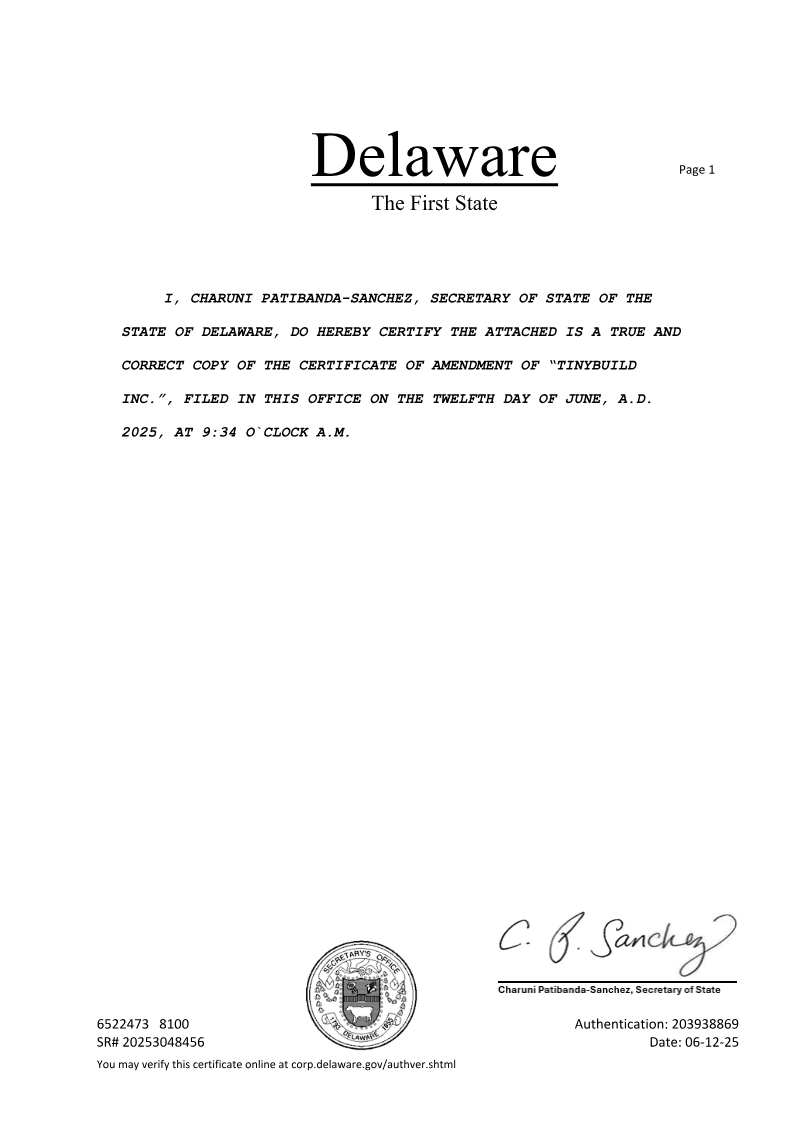
Second Amended and Restated Bylaws of TinyBuild, Inc.
1 Jun 202533 pages~87 min full read
The Second Amended and Restated Bylaws of tinyBuild, Inc., effective as of February 2021 and updated through June 2025, establish a comprehensive governance framework for the corporation’s operations, stockholder relations, and board conduct. The primary objective is to define the procedural requirements for corporate decision-making, including the election of directors and the management of stockholder meetings. A quorum for such meetings generally requires a majority of issued shares, though this may be reduced to one-third under specific board-approved conditions. Stockholders are prohibited from taking action by written consent and must adhere to strict notice periods—typically 75 to 105 days—to nominate directors or propose business.
The Board of Directors maintains significant authority over corporate strategy and internal administration, including the power to fill vacancies, determine director compensation, and establish committees. Governance protocols permit the board to act via remote communication or unanimous written consent, modernizing the corporation's operational flexibility. Furthermore, the bylaws mandate the indemnification of directors and officers for legal expenses and judgments, provided their actions were taken in good faith. This protection is balanced by exclusions for breaches of loyalty or intentional misconduct, ensuring a standard of fiduciary responsibility.
Financial and legal protections are further reinforced through specific provisions regarding stock transfers and litigation. The corporation reserves the right to refuse stock registrations that violate the Securities Act of 1933 and recognizes only registered owners for voting and dividend purposes. Legal disputes are strictly regulated, with the Delaware Court of Chancery designated as the exclusive forum for internal corporate litigation and federal courts identified for Securities Act claims. These provisions, alongside 2025 amendments regarding electronic notices and voting list requirements, ensure the corporation remains compliant with evolving legal standards while centralizing authority within the board.

tinyBuild · 2026

tinyBuild · 2025

tinyBuild · 2024
tinyBuild · 2024

tinyBuild · 2023

tinyBuild · 2022

tinyBuild · 2021

tinyBuild · 2021
tinyBuild · 2021

tinyBuild
tinyBuild
tinyBuild
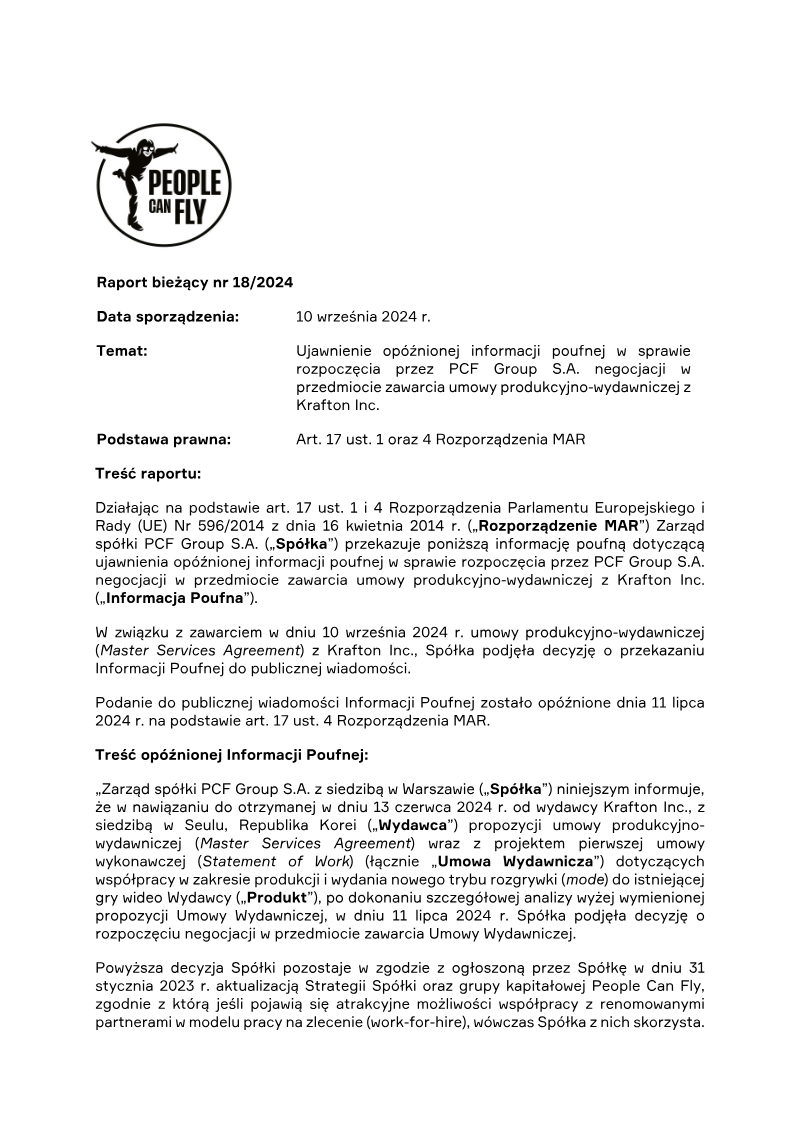
PCF Group · 2024

Pullup Entertainment
Pullup Entertainment

InvestGame

tinyBuild

tinyBuild
Square Enix

tinyBuild

Square Enix

Drake Star Partners · 2026

Aream & Co · 2026
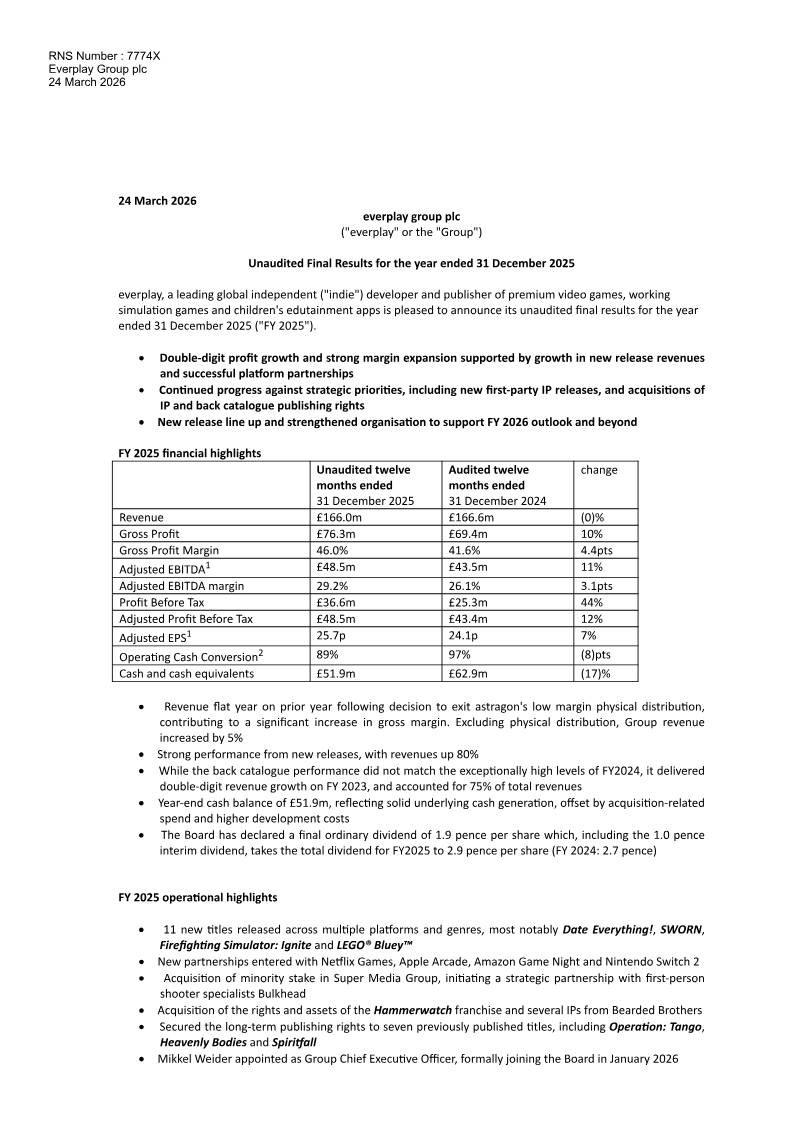
Everplay Group · 2026