Team Cherry
CompanyAustralia · Founded 2014
Documents about Team Cherry

Why Hollow Knight: Silksong Took Seven Years To Make
The seven-year development cycle of Hollow Knight: Silksong was driven by the creative ambitions of the small, Adelaide-based studio Team Cherry rather than technical failure or external pressure.
- Team Cherry's seven-year development cycle for Hollow Knight: Silksong was driven by a lack of financial pressure, as the original Hollow Knight achieved 15 million copies sold, providing the developers with generational wealth.
- The studio maintained a highly efficient internal development pipeline that allowed for rapid iteration, enabling the team to implement and test new ideas within minutes rather than hours.
- Development was characterized by continuous 'over-scoping' and a commitment to quality over deadlines, with the team intentionally avoiding public release dates to ensure the sequel matched the scale of the original.
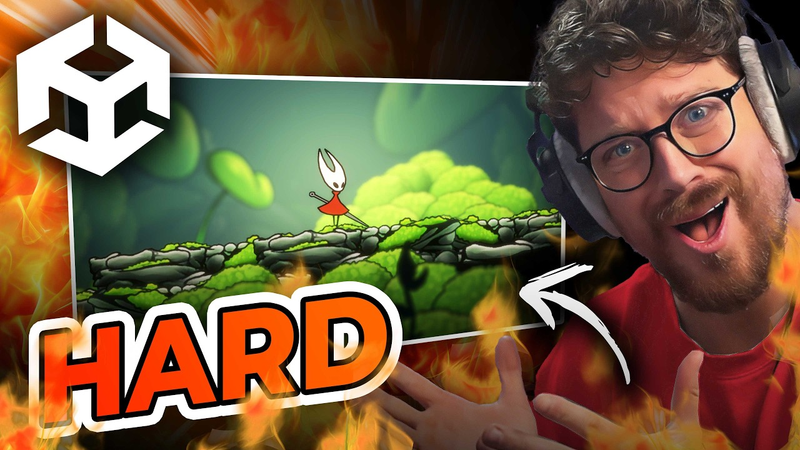
I Tried To Remake Silksong In 10 Hours (Hint: It Was Brutal)
Recreating the visual aesthetic of a high-fidelity 2D platformer like Silksong within a ten-hour timeframe presents significant technical and artistic challenges.
- Achieving the Hollow Knight visual style requires a perspective camera rather than a standard orthographic camera to accommodate complex, multi-layered parallaxing.
- To maintain visual consistency across varying depths, a custom sprite shader is necessary to integrate Z-buffer depth for post-processing blur, depth-based darkening, and interaction with Unity's global 3D fog.
- Importing artwork as PSB files into Unity allows for the automatic breakdown of Photoshop layers into individual sprites, which can then be organized into prefabs for efficient reuse and animation.
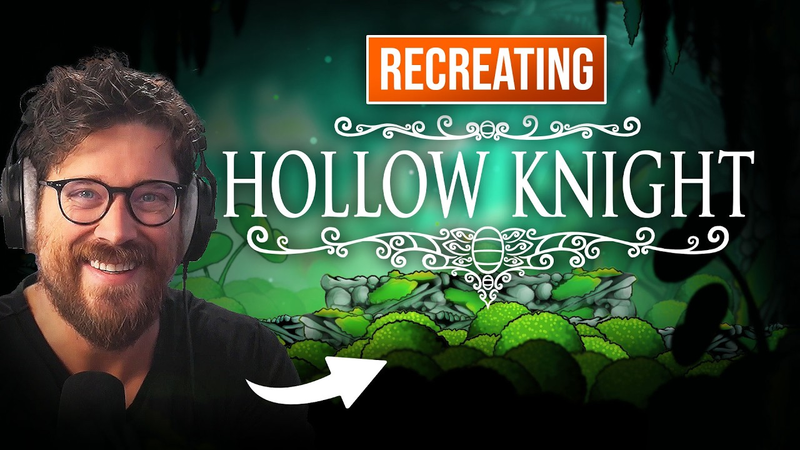
How To Make A Hollow Knight Style Game (Live Workshop Day 2)
Achieving the atmospheric, 2.5D aesthetic characteristic of titles like Hollow Knight requires a disciplined approach to modular level design and Z-axis manipulation.
- Achieving a Hollow Knight-style aesthetic relies on using Unity shaders and color-shifting layers to create depth and parallax effects, rather than relying on blurring background artwork.
- Establishing a reference sprite at the start of development—sized to the grid (one unit high by one unit wide)—is essential for maintaining consistent scale between the player character and environmental assets.
- Parallax depth can be simulated by manually adjusting the color values of background elements, making distant objects darker to blend them into the scene's atmospheric fog.
Watch THIS If You're Making Your First Game
The primary objective of this discussion is to analyze the challenges of independent game development, specifically focusing on the risks of long-term production cycles versus high-frequency release strategies.
- Launch-day performance is critical for long-term visibility, as demonstrated by the 2017 release of Sundered, where technical issues and poor balancing led to negative initial Steam reviews that hindered the game's market trajectory.
- Developers must choose between a 'perfectionist' model of multi-year development or a 'high-frequency' model that treats game releases like a portfolio to mitigate the high failure rate of individual titles.
- Relying on viral success is not a sustainable business strategy; developers must instead align their production models with their specific strengths and current market realities.
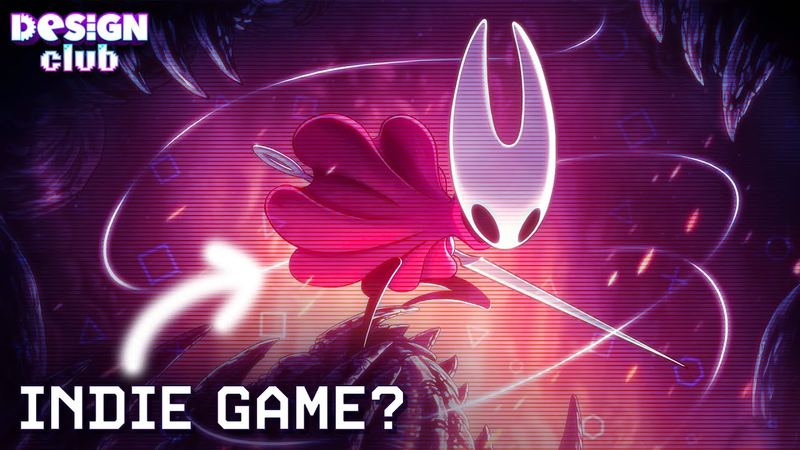
What Does it Mean to be Indie in 2025? | Design Club
The definition of an independent game in 2025 has shifted from a rigid classification based on financial independence or team size to a fluid descriptor of creative philosophy and operational culture.
- The term 'indie' lacks a singular definition, but is most accurately described as a developer-led studio that operates independently of a publisher's authority.
- Budget and team size are unreliable metrics for defining indie status, as small teams often rely on extensive external support from contractors, localization teams, and platform representatives to ship their games.
- The 'indie' label has evolved into a genre or aesthetic tag, leading to confusion where high-budget games with specific visual styles are misidentified as indie, while some small-team projects with massive funding or corporate backing occupy a gray area.
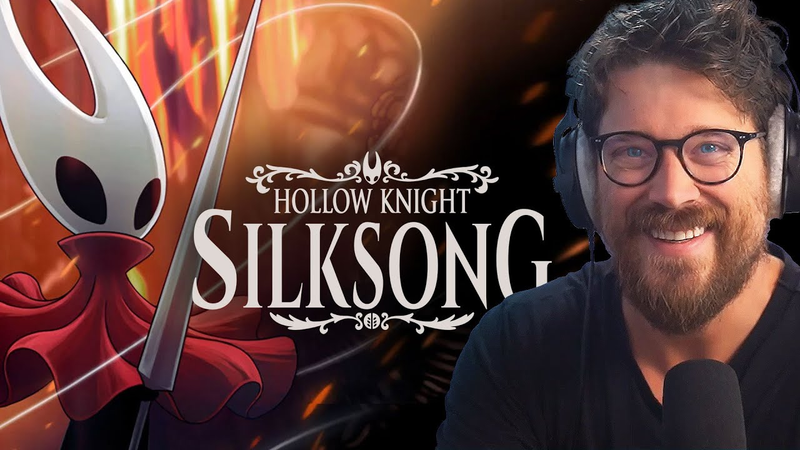
Let's Play (And Recreate) Hollow Knight: Silksong
The design philosophy behind the Hollow Knight series centers on the meticulous integration of responsive movement physics and highly intentional visual composition.
- Hollow Knight's character movement is designed for immediate responsiveness, utilizing specific animation transitions at the peak of an arc to convey a sense of weight and physical presence.
- The game uses a deliberate color palette—often incorporating subtle, desaturated tints like creamy grays—to ensure the player character remains visually distinct from the background environment.
- Post-processing effects are likely used in conjunction with base artwork to achieve the game's final aesthetic, rather than relying solely on manual painting in software like Photoshop.

Let's Review Your Games — Ep. 025
Effective game design hinges on the delicate balance between technical polish and the establishment of a clear, compelling player objective.
- Technical polish and high-quality aesthetics are insufficient for player retention if the game lacks a clear, compelling objective or rooting interest.
- Poorly paced or overwhelming onboarding processes act as a primary failure point, often discouraging players before they engage with the core gameplay loop.
- Developers must ensure that UI cues, narrative hooks, and journal entries work in tandem to guide the player, as obtuse design choices lead to frustrating trial-and-error loops.
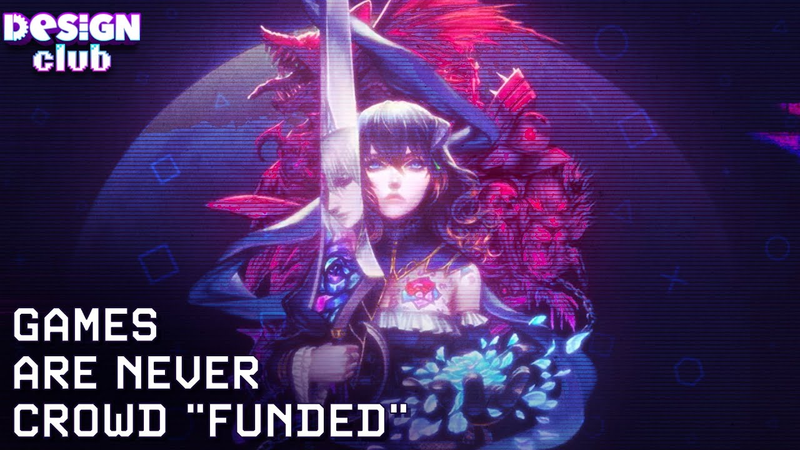
Why You Can't Crowdfund Video Games | Design Club
Crowdfunding serves as an ineffective and unsustainable primary model for financing modern video game development.
- Crowdfunding is not a viable primary funding model for modern video game development because the actual costs of production—often millions of dollars for a two-year project—far exceed what can realistically be raised through public campaigns.
- Over a 16-year period, only about 60 video game projects have successfully raised more than $1 million on Kickstarter, highlighting how rare high-level crowdfunding success is for the industry.
- Successful crowdfunding campaigns often function as pre-order platforms rather than development funding, requiring developers to already possess a playable alpha or significant concept art to attract backers.
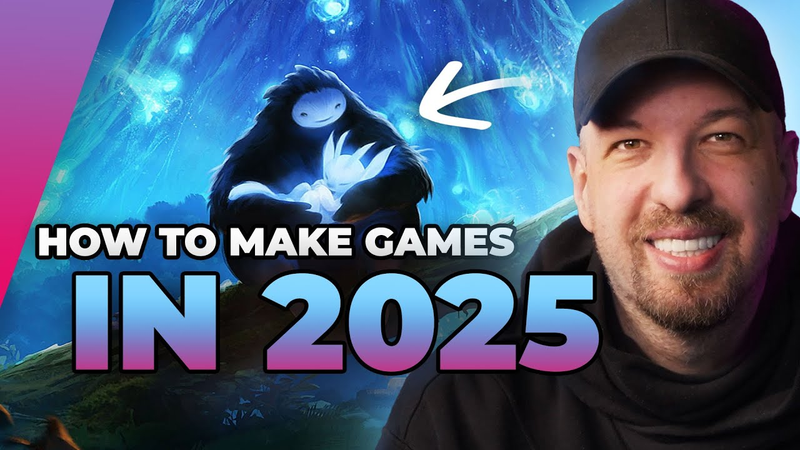
How To Make Indie Games In 2025 (Thomas Mahler) — Full Time Game Dev Podcast Ep. 040
The modern indie game development landscape demands a shift away from trend-chasing and bureaucratic production models toward a focus on core gameplay mechanics and distinct creative vision.
- Prioritize core gameplay mechanics and responsive, polished controls through extensive prototyping before committing to final art assets.
- Achieve success through relentless iteration and a willingness to fail early rather than relying on innate talent or trend-chasing.
- Challenge established genre conventions by pursuing significant mechanical leaps, such as moving from point-and-click systems to direct, animation-based controls.