Ori and the Blind Forest
4 documents in the library are about Ori and the Blind Forest, from writers such as Game Developers Conference and GameDiscoverCo, the newest from 2020. Each has a summary and key insights with the page they come from.

The forest of Nibel is dying. After a powerful storm sets a series of devastating events in motion, an unlikely hero must journey to find his courage and confront a dark nemesis to save his home. Ori and the Blind Forest tells the tale of a young orphan destined for heroics, through a visually stunning action-platformer crafted by Moon Studios for Xbox One and PC. Featuring hand-painted artwork, meticulously animated character performance, and a fully orchestrated score, Ori and the Blind Forest explores a deeply emotional story about love and sacrifice, and the hope that exists in us all.
- Released
- Mar 11, 2015
- Developer
- Moon Studios
- Publisher
- Microsoft Studios
- Genres
- Platform, Puzzle, Adventure
- Platforms
- PC (Microsoft Windows), Xbox One, Nintendo Switch
- Links
- Wikipedia
Game data from IGDB.com
Documents about Ori and the Blind Forest
Microsoft's Rival Console Experiments & Discovery
Microsoft’s strategy regarding the release of its first-party titles on rival platforms, particularly the Nintendo Switch, appears to have been an experimental effort to extend the Xbox ecosystem beyond its own hardware.
- Microsoft abandoned its strategy of porting first-party titles to rival consoles like the Nintendo Switch by late 2020 due to fragmented user experiences and limited technical integration.
- Microsoft’s current platform strategy prioritizes the growth of the Game Pass subscription model over deep, cross-platform integration on competing hardware.
- Future third-party hardware support from Microsoft is contingent on the ability to implement a full, native Xbox ecosystem, including Game Pass and Xbox Live services.
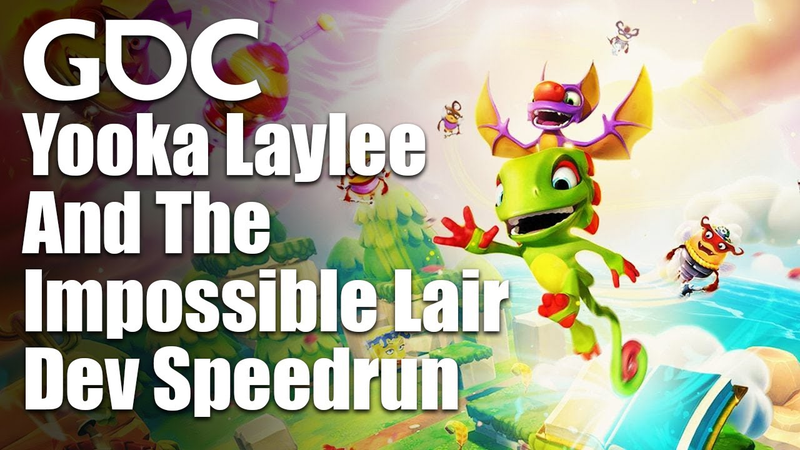
GDC Summer Dev Speedrun - Yooka Laylee And The Impossible Lair With Chris Sutherland
Yooka-Laylee and the Impossible Lair utilizes a unique health-based progression system where players collect bees to act as shields, allowing them to attempt the final, high-difficulty gauntlet at any point in the game.
- Yooka-Laylee and the Impossible Lair features a health system where players collect up to 48 'Bees' that act as a shield, allowing the game to become progressively easier as the player collects more items.
- Developers at Playtonic Games intentionally leave certain bugs and exploits in the game if they are difficult to encounter, do not corrupt save files, and provide excitement for speedrunners.
- The game utilizes the Unity engine, which differs from the development process of the Donkey Kong Country era by allowing for more modern, flexible workflows and physics-based interactions.
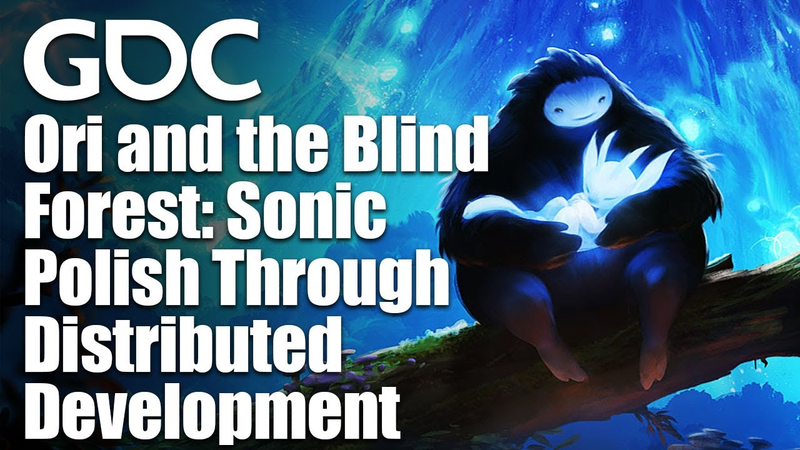
Ori and the Blind Forest: Sonic Polish Through Distributed Development
The development of Ori and the Blind Forest demonstrates that high-quality, immersive game design can be achieved through a decentralized, flat organizational structure rather than traditional hierarchical management.
- Moon Studios operated with a flat organizational structure, removing traditional management layers and placing the responsibility for resource management and project success on every individual team member.
- In the absence of formal management, the team resolved creative conflicts through a process where issues were addressed until everyone reached consensus, the dissenting party conceded, or the project deadline forced a final decision.
- The 'Ori and the Blind Forest' audio team avoided repetitive, gimmicky combat stingers by opting for a non-trigger-based music system, allowing for longer, more cohesive melodies that maintained player immersion over the 8-to-10-hour experience.
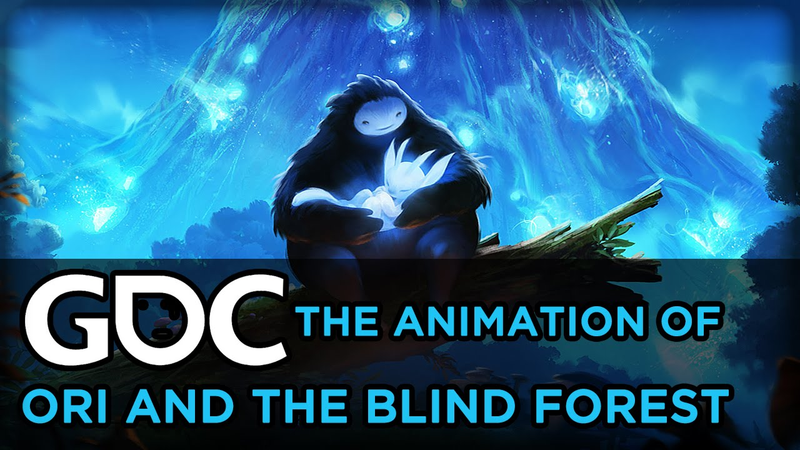
The Animation Process Of Ori & The Blind Forest
The animation process for Ori and the Blind Forest was driven by the need to achieve a lush, Ghibli-inspired aesthetic within a 2D Metroidvania framework, despite the development team’s limited size and the lead animator’s lack of traditional 2D illustration skills.
- The Ori & The Blind Forest animation pipeline utilized 3D models rendered as 2D sprites, allowing for perfect non-uniform bone scaling to achieve extreme squash-and-stretch effects that would be difficult to execute with traditional 2D art.
- By rendering 3D assets with an orthographic camera and removing all 3D lighting information, the team successfully mimicked the flat, silhouette-heavy aesthetic of Studio Ghibli films while maintaining the technical advantages of a 3D rig.
- The team bypassed the limitations of traditional 2D animation by baking complex 3D features—such as particle effects, motion blur, and dynamic contact shadows—directly into the sprite frames during the offline rendering process.